Chemical processing plants operate in some of the most demanding industrial environments. Equipment and materials used in these facilities must withstand high temperatures, corrosive chemicals, and continuous mechanical stress. Among the many materials that play a crucial role in maintaining efficiency and safety, mogaill uèir stàilinn gun staoin has become one of the most reliable and versatile solutions. Whether used for filtration, separation, equipment protection, or structural support, this material is widely recognized for its durability and corrosion resistance.
The Importance of Stainless Steel Wire Mesh in Chemical Processing Systems
Chemical processing requires precise filtration and separation processes to ensure product purity and operational efficiency. In this environment, mogaill uèir stàilinn gun staoin plays a vital role because of its ability to maintain structural integrity while being exposed to aggressive chemicals and fluctuating temperatures.
Unlike many alternative materials, stainless steel mesh does not easily degrade or deform under chemical exposure. Its resistance to oxidation and corrosion makes it ideal for long-term use in reactors, filtration systems, storage equipment, and processing pipelines. Engineers frequently integrate stainless steel wire cloth mesh into filtration units to remove impurities from liquids, gases, and chemical compounds during production.
Additionally, chemical plants demand materials that are easy to clean and maintain. Stainless steel mesh surfaces allow for efficient washing and sterilization, which is particularly important in facilities where contamination control is critical. This combination of durability and hygiene makes stainless steel mesh a trusted component across multiple stages of chemical production.
Why 304 Stainless Steel Wire Mesh Performs Well in Corrosive Chemical Environments
Among the different grades available, 304 stainless steel wire mesh is one of the most widely used materials in chemical processing plants. Its composition includes chromium and nickel, which together provide exceptional corrosion resistance and mechanical strength. These properties allow the mesh to withstand exposure to acids, alkaline substances, and industrial solvents commonly used in chemical manufacturing.
The structural stability of 304 stainless steel ensures that the mesh maintains consistent openings and filtration accuracy even under pressure. In filtration systems, maintaining precise aperture sizes is essential to ensure proper separation of particles and fluids. This is why stainless steel wire cloth mesh made from 304 grade stainless steel is frequently used in reactors, filtration tanks, and chemical storage equipment.
Another advantage of 304 stainless steel is its excellent temperature tolerance. Chemical plants often operate under high heat conditions, especially during reactions and distillation processes. Stainless steel mesh can withstand these temperatures without losing its structural integrity, ensuring reliable performance over extended periods.
Industrial Applications of Stainless Steel Wire Mesh Roll in Chemical Filtration Systems
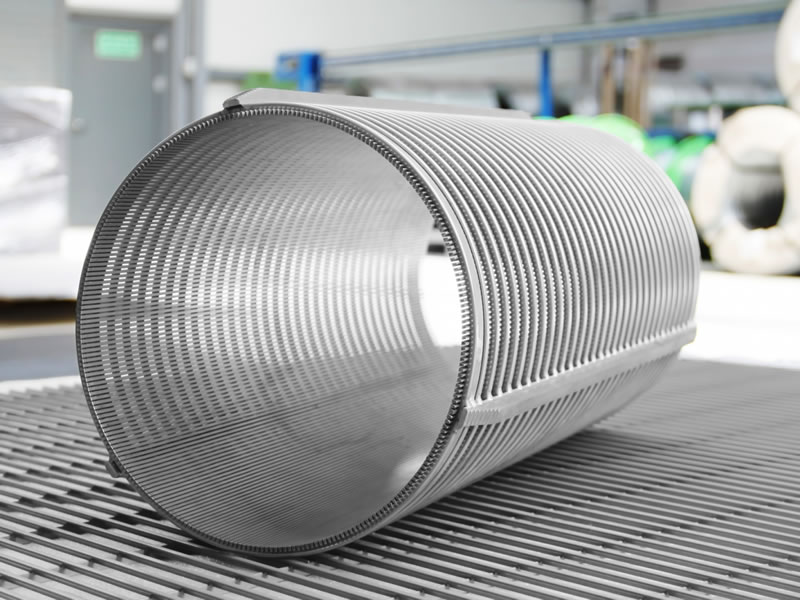
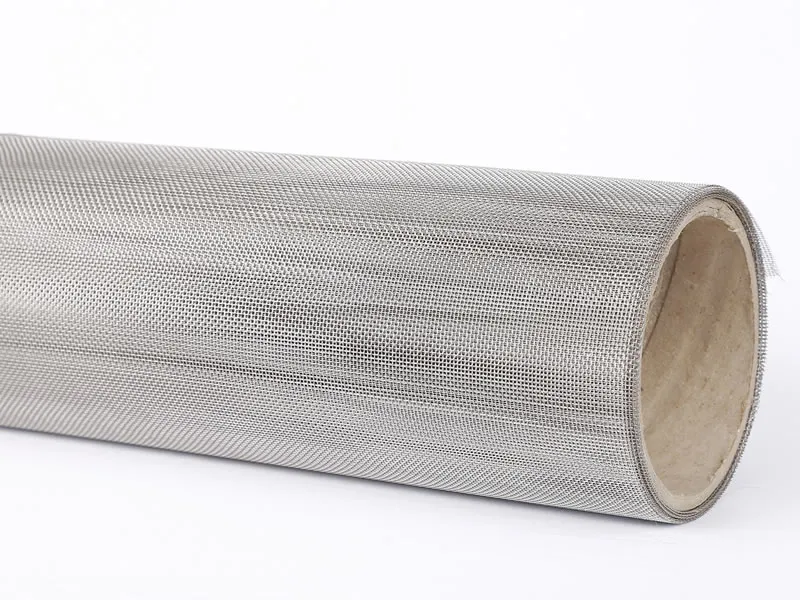
One of the most versatile forms used in industrial environments is the rolla mogaill uèir stàilinn gun staoin. This format allows engineers to cut and shape the mesh according to specific filtration requirements. Rolls are particularly useful in custom filtration systems, where the mesh must be fitted into cylinders, cones, or complex filter assemblies.
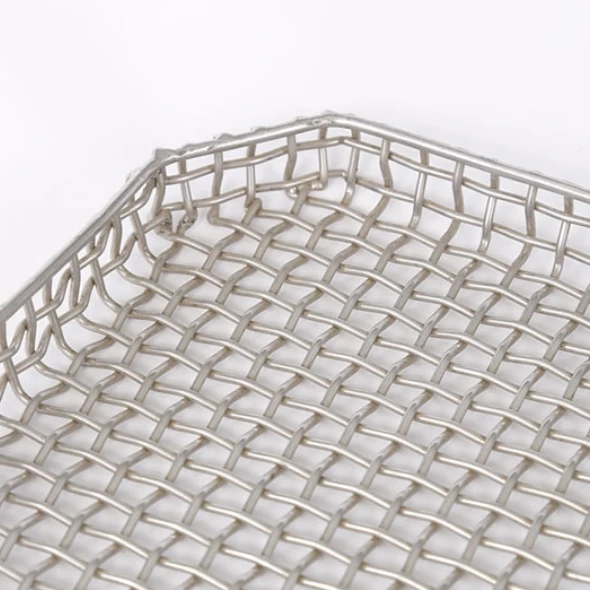
In chemical plants, filtration plays a critical role in removing unwanted particles from liquids and gases. Stainless steel mesh rolls are often used to manufacture filter cartridges, screen filters, and strainer baskets. These filtration components ensure that raw materials remain pure during processing and that finished products meet strict quality standards.
Another important application of rolla mogaill uèir stàilinn gun staoin is in gas filtration systems. Chemical production frequently involves gases that must be purified before they can be reused or released. Stainless steel mesh filters can trap microscopic contaminants while maintaining proper airflow, making them highly efficient in industrial ventilation and purification systems.
Because rolls can be easily transported and stored, they also provide flexibility for maintenance teams. When a filter component requires replacement or repair, technicians can quickly cut new sections from the roll and install them without interrupting plant operations for extended periods.
Structural Advantages of Stainless Steel Wire Mesh Panels for Chemical Equipment
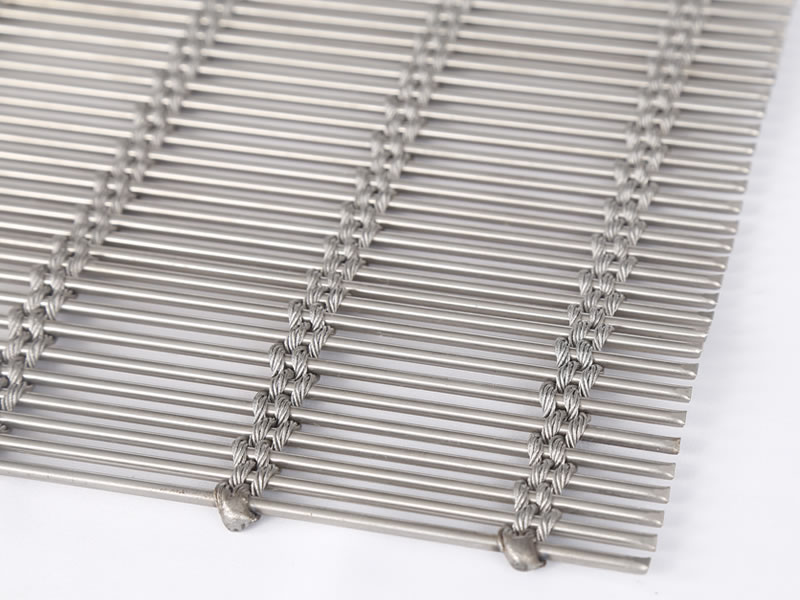
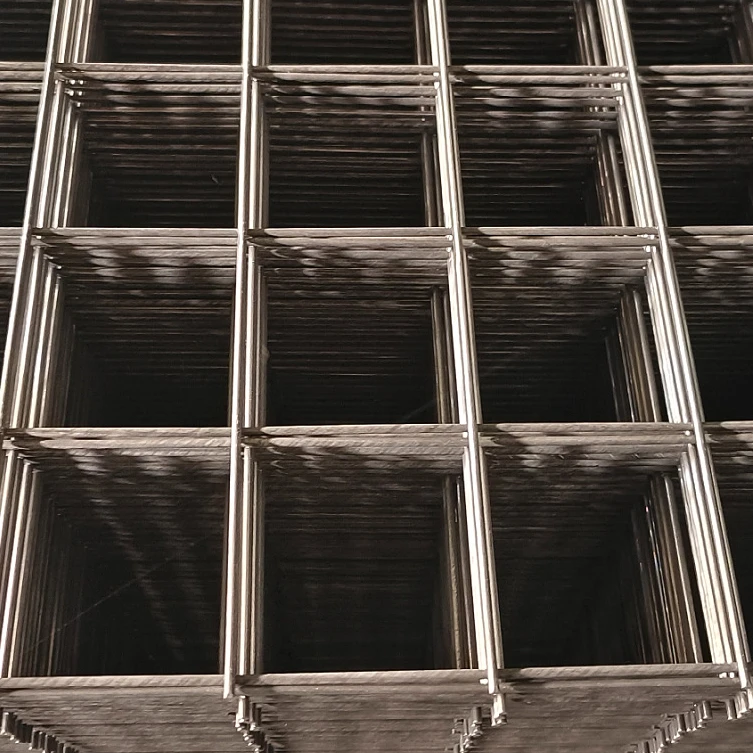
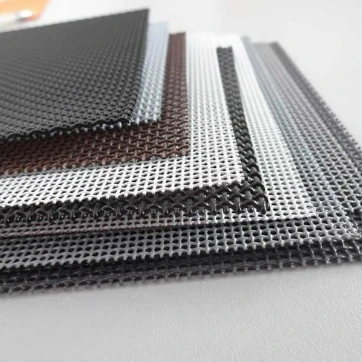
While mesh rolls are suitable for flexible applications, stainless steel wire mesh panels are widely used when a more rigid structure is required. Panels provide greater strength and stability, making them ideal for protective barriers, machine guards, and structural filtration systems.
In chemical plants, safety is a top priority. Many processing machines operate at high speeds and temperatures, creating potential hazards for workers. Stainless steel mesh panels can be installed as protective screens around equipment, allowing visibility and airflow while preventing accidental contact with dangerous machinery.
Another common use of stainless steel wire mesh panels is in support structures for filtration systems. When filters require a strong framework to maintain shape under pressure, rigid mesh panels provide the necessary reinforcement. These panels can also be integrated into drying systems, sieving machines, and chemical separation units.
Their resistance to corrosion ensures that the panels maintain their strength even after long exposure to chemical vapors or liquids. As a result, maintenance costs are reduced and plant operators can rely on long-term structural performance.
The Role of Heavy Duty Stainless Steel Wire Mesh in Demanding Industrial Operations
Certain chemical processing environments require materials that can handle extreme pressure, mechanical impact, and abrasive substances. In these cases, heavy duty stainless steel wire mesh becomes an essential component.
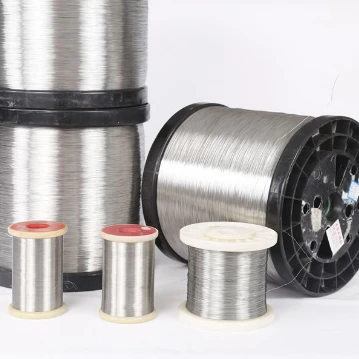
Heavy duty mesh is manufactured using thicker wire diameters and reinforced weaving patterns, providing exceptional strength and durability. This makes it suitable for heavy industrial filtration, particle screening, and protective barriers within chemical plants.
For example, during the handling of solid chemical compounds or mineral materials, screening systems must separate particles of different sizes. Heavy duty stainless steel wire mesh can withstand the continuous vibration and mechanical stress associated with these screening processes. Its robust structure prevents deformation and ensures accurate particle separation.
In addition to screening applications, heavy duty mesh is often used as reinforcement in large filtration units. The mesh acts as a support layer that maintains the shape and stability of finer filtration materials placed above it. This layered filtration design improves efficiency while extending the lifespan of filtration equipment.
How Stainless Steel Wire Cloth Mesh Supports Precision Filtration in Chemical Production
Precision filtration is one of the most critical processes in chemical manufacturing. Impurities in raw materials or intermediate products can affect chemical reactions and compromise final product quality. For this reason, stainless steel wire cloth mesh is widely used in fine filtration systems.
Wire cloth mesh is produced through precise weaving techniques that create uniform openings across the entire surface. This uniformity ensures consistent filtration performance, allowing engineers to accurately control particle separation levels.
In chemical plants, wire cloth mesh is commonly installed in filter discs, filter cylinders, and multilayer filtration assemblies. These systems are capable of removing microscopic particles while maintaining high flow rates, which is essential for efficient industrial operations.
Another benefit of stainless steel wire cloth mesh is its resistance to clogging. The smooth surface of stainless steel allows particles to be removed more easily during cleaning cycles, reducing downtime and improving operational efficiency.