Security is a top priority for residential, commercial, and industrial properties. Among the most effective perimeter protection systems available today is razor type barbed wire. Known for its sharp edges, durability, and strong deterrent effect, this material is widely used in high-security environments.
In this detailed guide, we will explore the differences between razor wire and barbed wire, examine the structure of a razor wire barrier, and discuss components such as razor wire blade, professional razor wire builders, and applications like razor wire chain link fence systems.
Understanding Razor Wire and Barbed Wire
What Is Razor Type Barbed Wire?
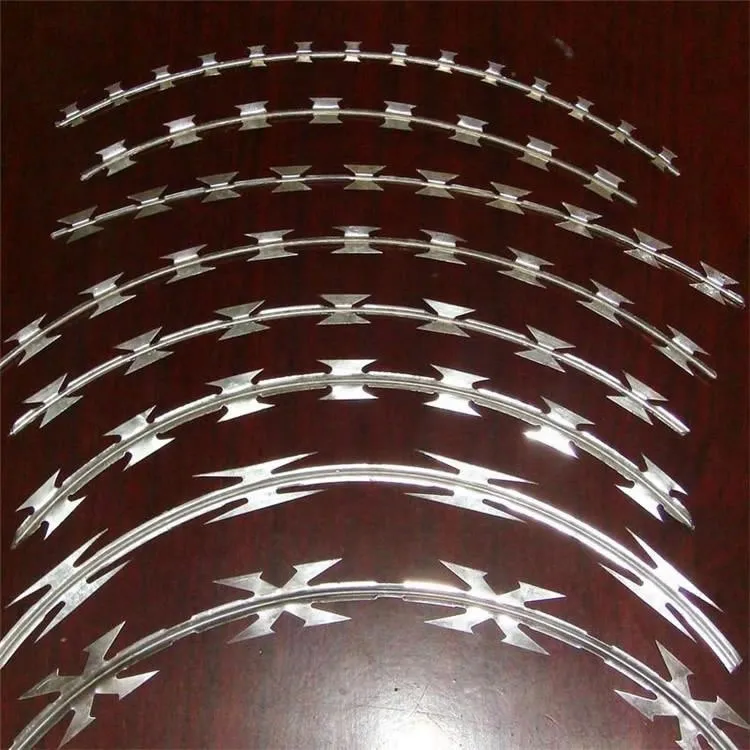
Razor type barbed wire is a high-security fencing material made from steel strips stamped with sharp edges or blades. These blades are designed to deter intruders by making climbing or cutting extremely difficult and dangerous.
Unlike traditional fencing, razor type barbed wire is engineered not only as a physical barrier but also as a psychological deterrent. Its aggressive appearance alone is often enough to discourage unauthorized access.
Razor Wire and Barbed Wire: Key Differences
Although often confused, razor wire and barbed wire are quite different in structure and function.
Barbed Wire:
Made of twisted steel strands with sharp barbs
Primarily used in agriculture and low-security fencing
Easier to install and more affordable
Razor Wire:
Features sharp razor wire blade edges
Designed for high-security environments
Much harder to cut or bypass
When comparing razor wire and barbed wire, razor wire clearly offers superior protection and is commonly used in prisons, military bases, and industrial facilities.
Components and Types of Razor Wire Systems
Razor Wire Blade Design
The effectiveness of razor wire largely depends on the design of the razor wire blade. These blades are typically made from galvanized or stainless steel and come in various shapes and sizes.
Common blade types include:
Short blade for compact installations
Medium blade for general security
Long blade for maximum deterrence
Each razor wire blade is precision-engineered to maintain sharpness and resist corrosion, ensuring long-term performance.
Razor Wire Barrier Systems
A razor wire barrier is a complete security system that uses razor wire in various configurations to create an effective perimeter defense.
Types of razor wire barriers:
- Concertina Razor Wire
Coiled design that expands like an accordion
Ideal for temporary or portable barriers
- Flat Wrap Razor Wire
Installed flat against fences or walls
Suitable for areas with limited space
- Straight Line Razor Wire
Installed in straight lines along walls or fences
Common in high-security facilities
A properly installed razor wire barrier provides multiple layers of protection, making unauthorized entry extremely difficult.
Razor Wire Chain Link Fence
One of the most common applications is the razor wire chain link fence, which combines the strength of chain link fencing with the deterrent power of razor wire.
Advantages:
Reinforced perimeter security
Cost-effective compared to solid walls
Easy integration with existing fences
Suitable for large areas
IL razor wire chain link fence is widely used in:
Industrial zones
Warehouses
Airports
Government facilities
By adding razor wire to a standard fence, property owners can significantly enhance security without a complete redesign.
Installation, Builders, and Practical Applications
Role of Razor Wire Builders
Professional razor wire builders play a crucial role in ensuring that security systems are installed correctly and safely. Due to the خطر nature of razor wire, proper handling and expertise are essential.
Responsibilities of razor wire builders:
Site assessment and planning
Selecting the appropriate type of razor wire
Ensuring compliance with local regulations
Safe and secure installation
Experienced razor wire builders understand how to maximize security while minimizing risks during installation.
Installation Guidelines
Installing razor type barbed wire requires careful planning and adherence to safety standards.
Key steps include:
- Planning the Layout
Determine where the razor wire barrierwill be installed and identify vulnerable نقاط. - Preparing the Structure
Ensure that the supporting fence or wall is strong enough to hold the razor wire. - Securing the Wire
Attach the razor wire using मजबूत brackets, clips, or ties. - Maintaining Proper Tension
Avoid loose sections that could reduce effectiveness. - Safety Measures
Workers must wear protective gloves and clothing to prevent injuries.
Proper installation ensures that the razor wire chain link fence or other systems perform effectively over time.
Applications of Razor Wire Systems
The versatility of razor type barbed wire makes it suitable for a wide range of applications.
High-Security Areas
Prisons and correctional facilities
Military installations
Border control zones
Commercial and Industrial Use
Factories and warehouses
Storage facilities
Construction sites
Residential Use
Gated communities
Private estates
Rural properties
In all these scenarios, a well-designed razor wire barrier provides a reliable and long-lasting security solution.
Razor type barbed wire is one of the most effective security solutions available today. By understanding the differences between razor wire and barbed wire, exploring the role of razor wire blade design, and utilizing systems like razor wire chain link fence, property owners can significantly enhance their सुरक्षा measures.
Working with professional razor wire builders and following proper installation practices ensures that your razor wire barrier delivers maximum performance and durability. Whether for industrial, commercial, or residential use, razor wire remains a powerful tool in modern perimeter security.