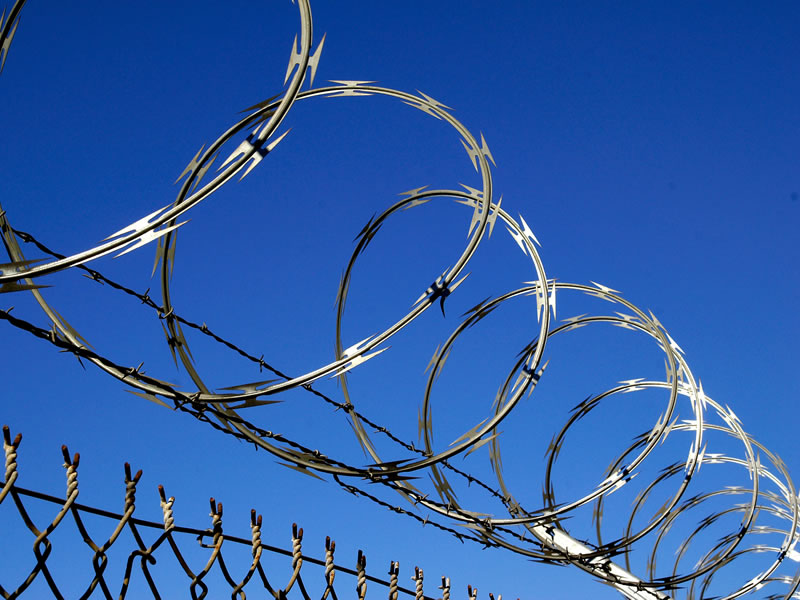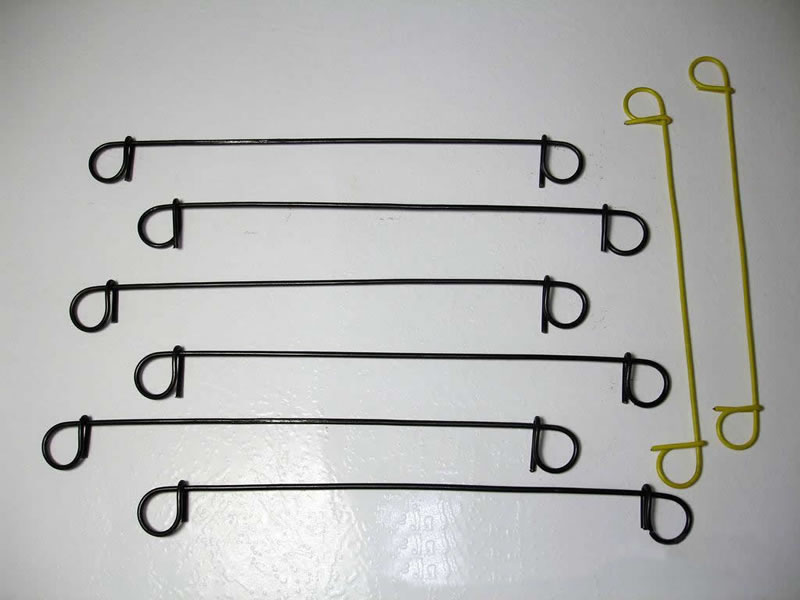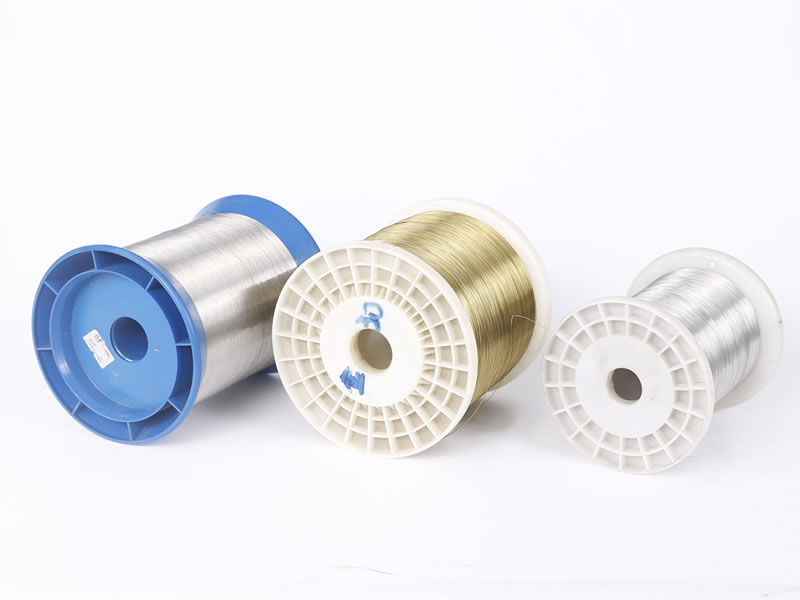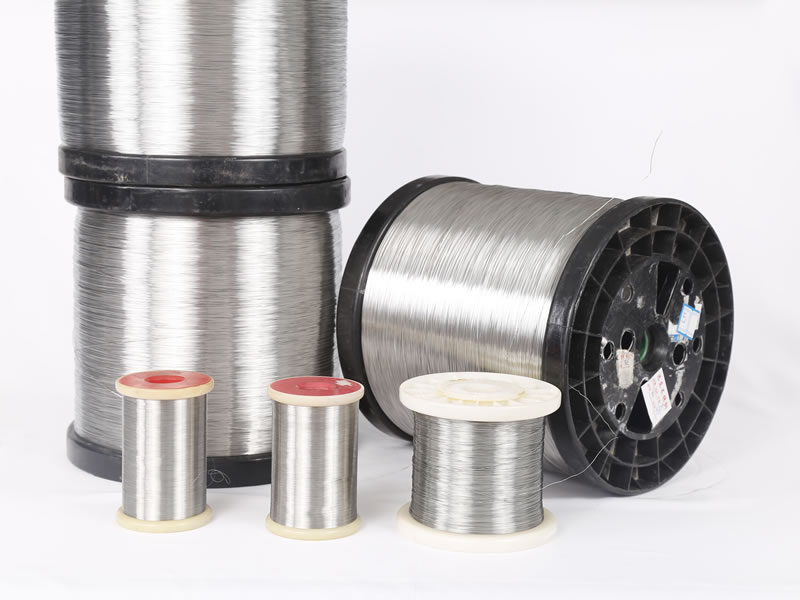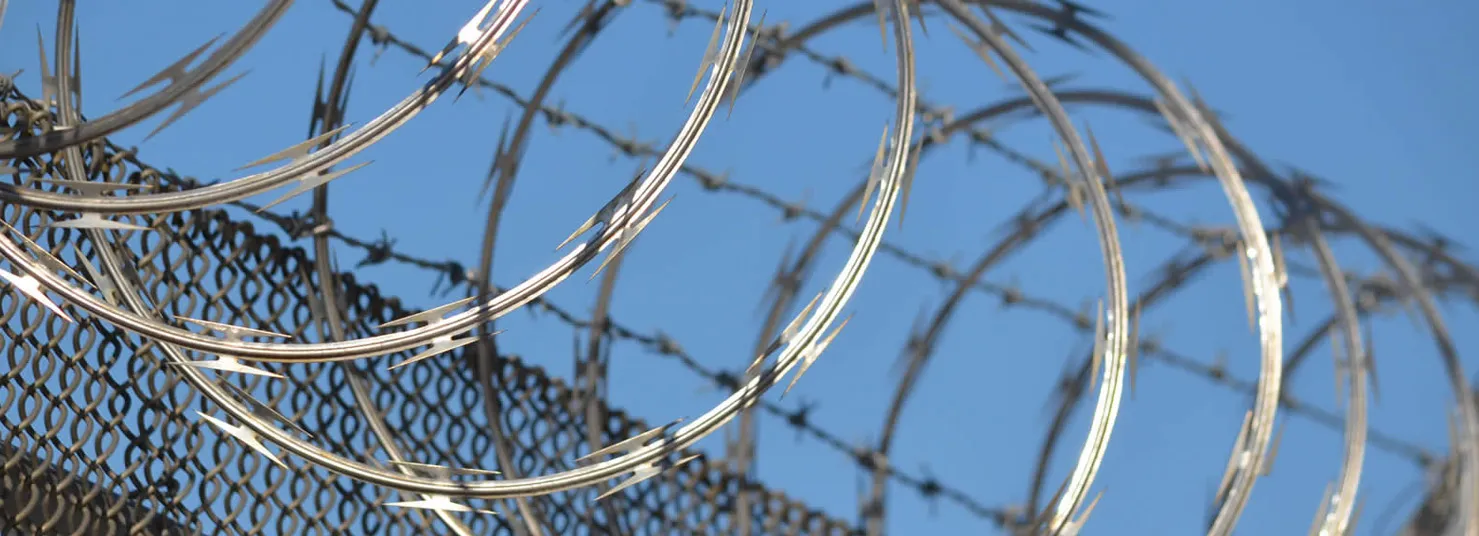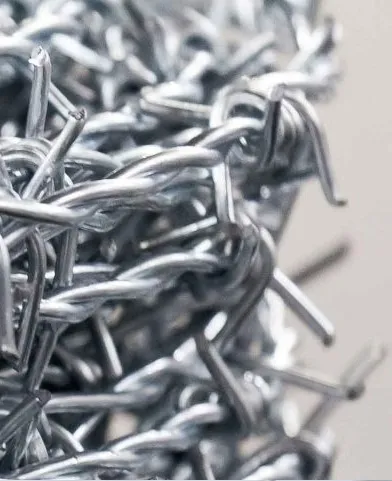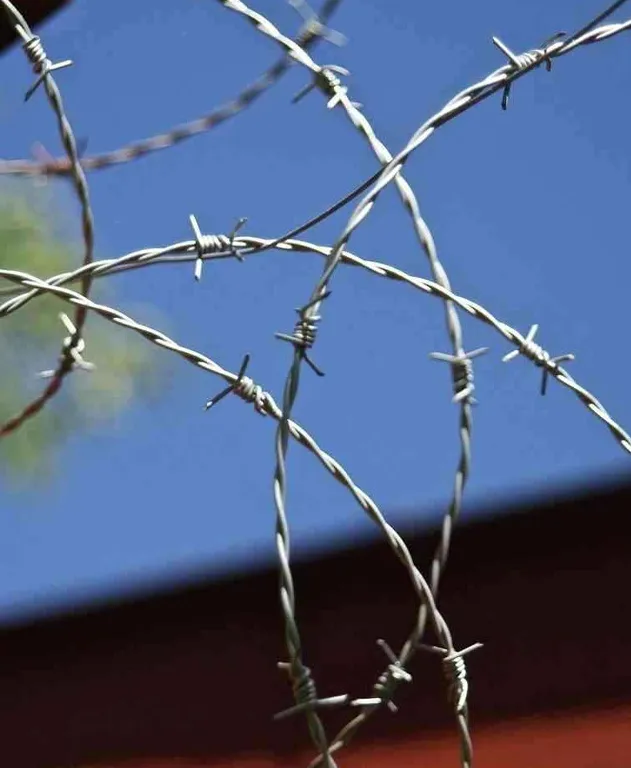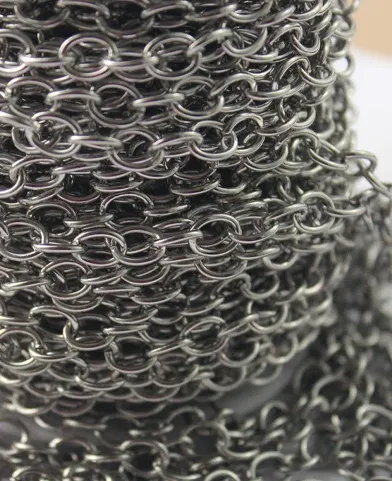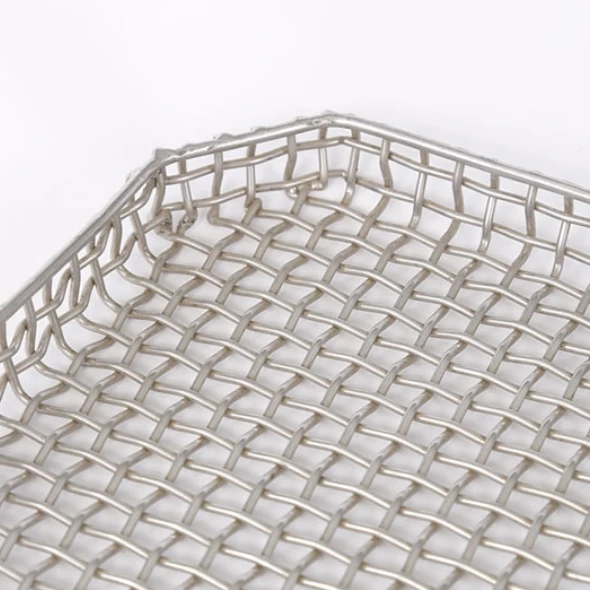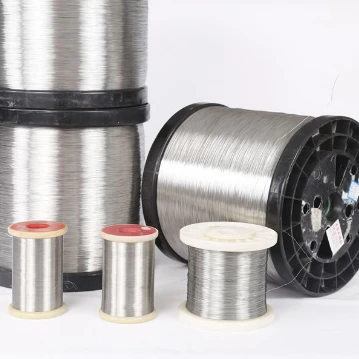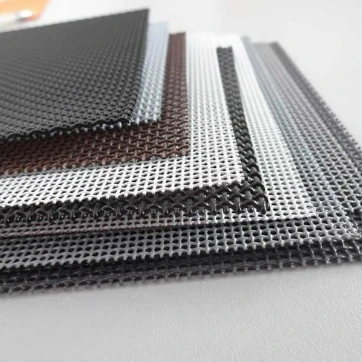
Metal wire is a thin, flexible strand made from metals such as copper, aluminum, steel, or nickel. It is commonly used in various industries due to its excellent electrical conductivity, strength, and durability. Wire with metal casing can be solid or stranded, coated or bare, and is available in a wide range of diameters to suit specific applications. It plays a crucial role in electrical wiring, construction, manufacturing, telecommunications, and even jewelry making. Depending on the metal used, metal wire products may offer resistance to corrosion, high tensile strength, or heat tolerance. Metal wire is often produced through processes like drawing and annealing to achieve desired flexibility and performance.
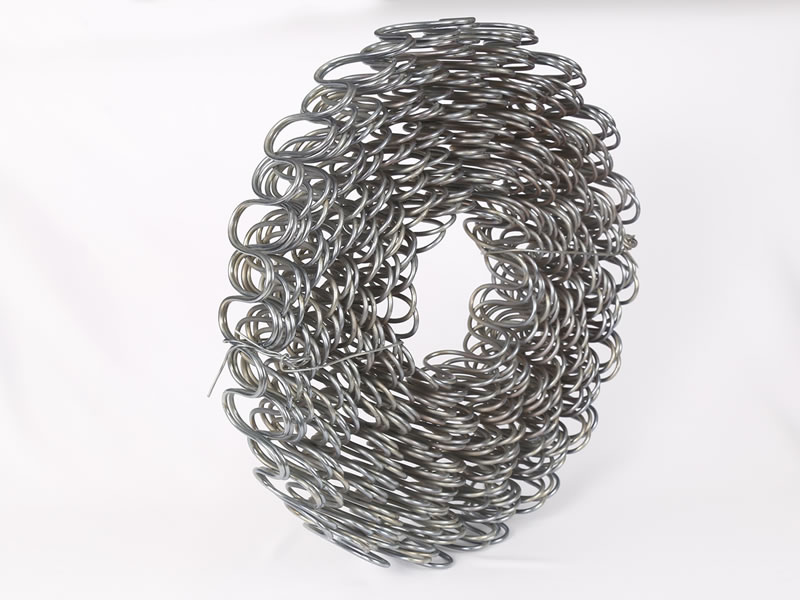
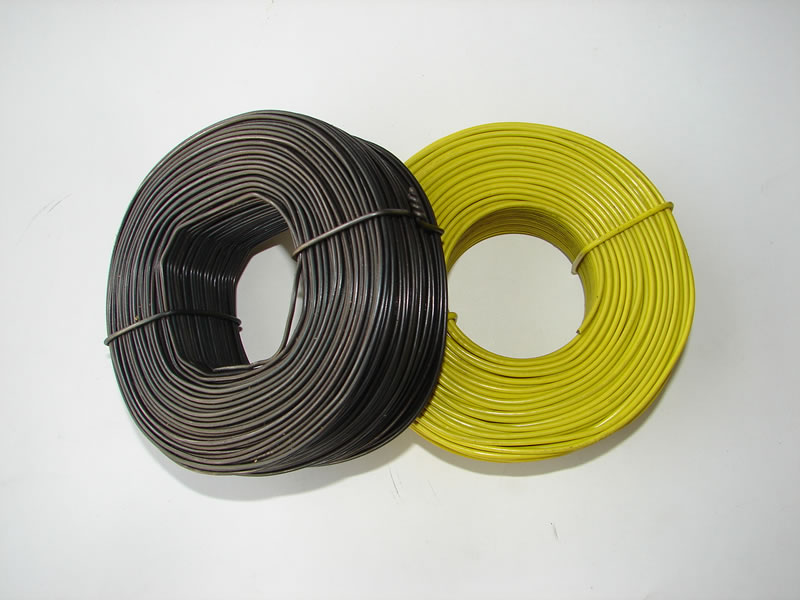
რისთვის გამოიყენება ლითონის მავთული

Metal wire is widely used in construction, manufacturing, electronics, and agriculture. It serves purposes such as electrical conductivity, structural reinforcement, fencing, binding, and forming mesh products. Depending on the types of metal wire—like stainless steel welding wire, copper clad stainless steel wire, or aluminum wire—metal wire can be flexible or rigid, making it suitable for diverse industrial and commercial applications.


Is Metal Clad Wire Strong

Yes, Metal Clad Wire can be very strong, depending on the type of metal used, its diameter, and how it’s processed. For example, steel wire fittings—especially high-carbon or stainless steel—is known for its excellent tensile strength and durability, making it ideal for heavy-duty applications like construction reinforcement, suspension bridges, and fencing. On the other hand, metals like copper or aluminum are softer and more flexible, which makes them less strong but better suited for electric tie wire and applications requiring malleability.


ლითონის მავთულის უპირატესობები

  • 1 მაღალი სიმტკიცე

    ლითონის მავთული გამოირჩევა შესანიშნავი დაჭიმვის სიმტკიცით, რაც მას იდეალურს ხდის სამშენებლო და სამრეწველო გამოყენებისთვის.
  • 2 გამძლეობა

    ის უძლებს ცვეთას, დარტყმას და გარემო პირობებს, განსაკუთრებით გალვანიზებული ან უჟანგავი ფოლადის შემთხვევაში.
  • 3 მრავალფეროვნება

    ხელმისაწვდომია სხვადასხვა დიამეტრით, ფორმითა და მასალით, რათა მოერგოს სხვადასხვა დანიშნულებას, ღობეებიდან დაწყებული ელექტრონიკით დამთავრებული.
  • 4 გამტარობა

    ისეთი ლითონები, როგორიცაა სპილენძი და ალუმინი, უზრუნველყოფენ გაყვანილობისა და სქემების მაღალ ელექტროგამტარობას.
  • 5 მოქნილობა

    ლითონის მავთულის მოღუნვა, დაგრეხვა ან ფორმის მიცემა შესაძლებელია გაწყვეტის გარეშე, რაც საშუალებას იძლევა ინდივიდუალური დიზაინისა და დამზადების.
  • 6 კოროზიისადმი მდგრადობა

    სათანადო საფარით ან მასალის არჩევანით, ლითონის მავთულს შეუძლია გაუძლოს ტენიანობას, ქიმიკატებს და ამინდის პირობებს.

გამოიწერეთ ჩვენი საინფორმაციო ბიულეტენი

თუ ჩვენი პროდუქციით დაინტერესებული ხართ, შეგიძლიათ აქ დატოვოთ თქვენი ინფორმაცია და ჩვენ მალე დაგიკავშირდებით.