Hit enter to search or ESC to close

High Security Perimeter Fencing Guide to Buy Razor Wire
Securing a perimeter requires more than just a physical barrier; it demands a psychological deterrent that effectively prevents unauthorized access. For procurement managers and security engineers, selecting the right high-security fencing materials involves balancing material durability with installation efficiency. Razor wire, characterized by its sharp, blade-like edges, serves as a critical secondary layer of protection atop traditional walls or fences, creating a formidable obstacle for intruders.
When you look to buy razor wire, the technical specifications—such as the core wire material, blade profile, and coating—determine the system's longevity and effectiveness. Whether deploying stainless steel for corrosive coastal environments or galvanized iron for industrial sites, understanding the manufacturing precision behind these security products is essential for achieving a long-term safety objective. This guide examines the technical requirements and procurement considerations for professional-grade security wire solutions.

Evaluating Core Materials and Structural Integrity for Perimeter Security
The effectiveness of security wire depends heavily on the raw materials used during production. Professional manufacturers typically utilize three primary types of wire: galvanized iron wire, black iron wire, and stainless steel wire. Each material offers a distinct set of properties tailored to specific environmental challenges.
Galvanized iron is the industry standard for general industrial use, providing a zinc coating that protects the core steel from oxidation and rust. Stainless steel, while more costly, is indispensable for high-humidity or saline environments where corrosion resistance is the primary concern. The structural integrity is further enhanced by the precision of the welding and twisting processes, ensuring that the blades remain securely attached to the core wire even under significant tension.
- Corrosion Resistance: Critical for outdoor installations to prevent structural failure over time.
- Tensile Strength: Ensures the barrier cannot be easily pulled apart or collapsed.
- Blade Sharpness: Precision cutting of the metal strip ensures a consistent deterrent effect.

Advanced Manufacturing Processes for High-Precision Security Mesh
Modern security wire production has transitioned from manual weaving to PLC-controlled automated systems. The use of PLC (Programmable Logic Controller) technology allows for exact control over the weft wire supply and the distance between wefts, which is crucial for creating a uniform and aesthetically smooth finish. This intelligence reduces noise and electricity consumption while increasing the stability of the output.
High-end machinery, such as the YDP series, enables the production of both rolls and panels. For instance, automatic feeding systems allow wires to move quickly back and forth, significantly increasing production speed without sacrificing the precision of the weld. This ensures that the finished mesh sheets are smoother and more consistent than those produced by traditional mechanical machines, making them more reliable for construction and heavy-duty fencing applications.
Strategic Application Scenarios and Buyer Selection Criteria
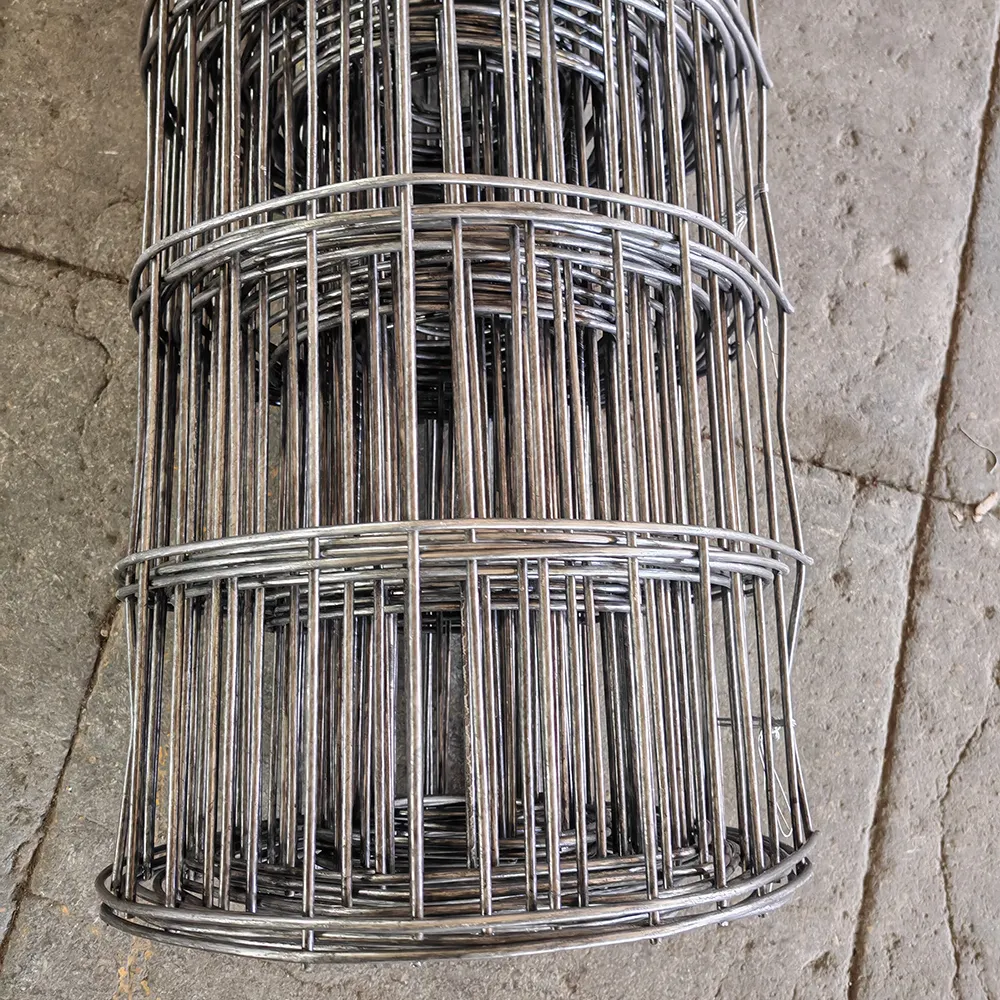
Choosing the correct security wire requires a deep analysis of the application site. Industrial warehouses, correctional facilities, and military zones have vastly different requirements. For a poultry cage or a light construction fence, a standard welded wire mesh may suffice. However, for high-risk perimeter security, a combination of welded panels and razor wire toppers is the recommended engineering approach.
Buyers should evaluate the following criteria to ensure the product matches the operational need:
- Environment: High-salinity areas require stainless steel; inland industrial zones can utilize galvanized iron.
- Intrusion Risk: Higher risk levels necessitate tighter mesh spacing and more aggressive blade profiles.
- Installation Method: Decide between rolls for flexible terrain or panels for rigid, standardized wall mounting.
- Compliance: Ensure the product meets local security standards and safety regulations for installation.
Technical Specifications for Welded Wire Mesh Machinery
| Machine Model | Wire Diameter (mm) | Mesh Size (mm) | Welding Speed (mesh/min) |
|---|---|---|---|
| YDP-01 | 2-4MM | 25.4 - 152.4 | 75 |
| YDP-02 | 3-7MM | 50 - 200 | 50 |
| YDP-03 | 5-8MM | 50 - 200 | 45 |
| YDP-04 | 8-12MM | 100 - 200 | 45 |
| General Range | Application-specific | Customizable | Varies by model |
Supply Chain Reliability and Quality Control in Wire Manufacturing
Reliability in the security industry is measured by consistency. A single weak weld or a gap in the galvanization can lead to premature failure and security breaches. Professional manufacturers implement rigorous inspection processes from raw material sourcing to the final packaging stage. Utilizing state-of-the-art machinery ensures that every panel meets the precise dimensional requirements specified by the client.
Working with experienced exporters who understand international standards—such as those required in the USA, Japan, and Saudi Arabia—provides buyers with peace of mind. The ability to provide timely delivery and competitive pricing, backed by authoritative certification, distinguishes a reliable manufacturer from a general trader. Quality control focuses on the durability of the wire and the stability of the automated welding process.
Future Trends in Perimeter Security and Procurement Advice
The trend in perimeter security is moving toward "intelligent barriers," where physical wire products are integrated with electronic sensors. While the physical deterrent remains essential, the integration of security screen mesh—which offers aesthetic beauty along with fire- and knife-proof characteristics—is replacing traditional iron gratings in urban and residential security settings.
For procurement professionals, the best strategy is to move toward a specifications-based purchase rather than a price-based one. Focus on the wire diameter and coating thickness. When requesting quotes, ask for the specific PLC model used in production and the quality certification of the raw steel. This technical approach ensures that the investment provides a genuine security increase rather than a temporary visual deterrent.
Frequently Asked Questions on Security Wire Procurement
What is the main difference between galvanized and stainless steel razor wire?
Galvanized wire is coated with zinc to prevent rust and is suitable for most environments. Stainless steel is inherently corrosion-resistant and is recommended for coastal areas or chemical plants where humidity and salt levels are high.
How does PLC control improve the quality of welded wire mesh?
PLC control allows for precise adjustment of weft distance and automated feeding, resulting in a smoother finish, higher stability, and more consistent welding points compared to manual mechanical machines.
Can razor wire be customized for specific heights or diameters?
Yes, professional manufacturers can adjust the diameter of the wire (e.g., 2mm to 12mm) and the mesh size (e.g., 50mm to 200mm) based on the specific security requirements of the project.
What should I check when evaluating a wire mesh supplier?
Evaluate their manufacturing technology (automated vs. manual), their export experience to your region, and their quality control certifications to ensure product durability and reliability.
Is security screen mesh a viable alternative to traditional iron gratings?
Yes, security screen mesh is often preferred for residential and commercial use because it combines aesthetic beauty with fire- and knife-proof properties while also acting as an insect screen.
What is the typical use case for welded wire mesh panels versus rolls?
Panels are typically used for rigid structures like construction walls, poultry cages, and permanent fences. Rolls are used for flexible perimeter boundaries and temporary security barriers.
Technical References and Industry Standards
- ASTM International - Material Standards for Steel Wire
- ISO Standards for Corrosion Protection of Steel
- Global Security Fencing Guidelines
- World Steel Association - Technical Specifications
Selecting a high-security barrier requires a technical understanding of material science and manufacturing precision. By prioritizing raw material quality and automated production standards, you can ensure a perimeter that is both durable and an effective deterrent. For customized security solutions, always consult with a manufacturer capable of providing tailored specifications to match your environmental challenges.
Related Industrial Equipment and Products