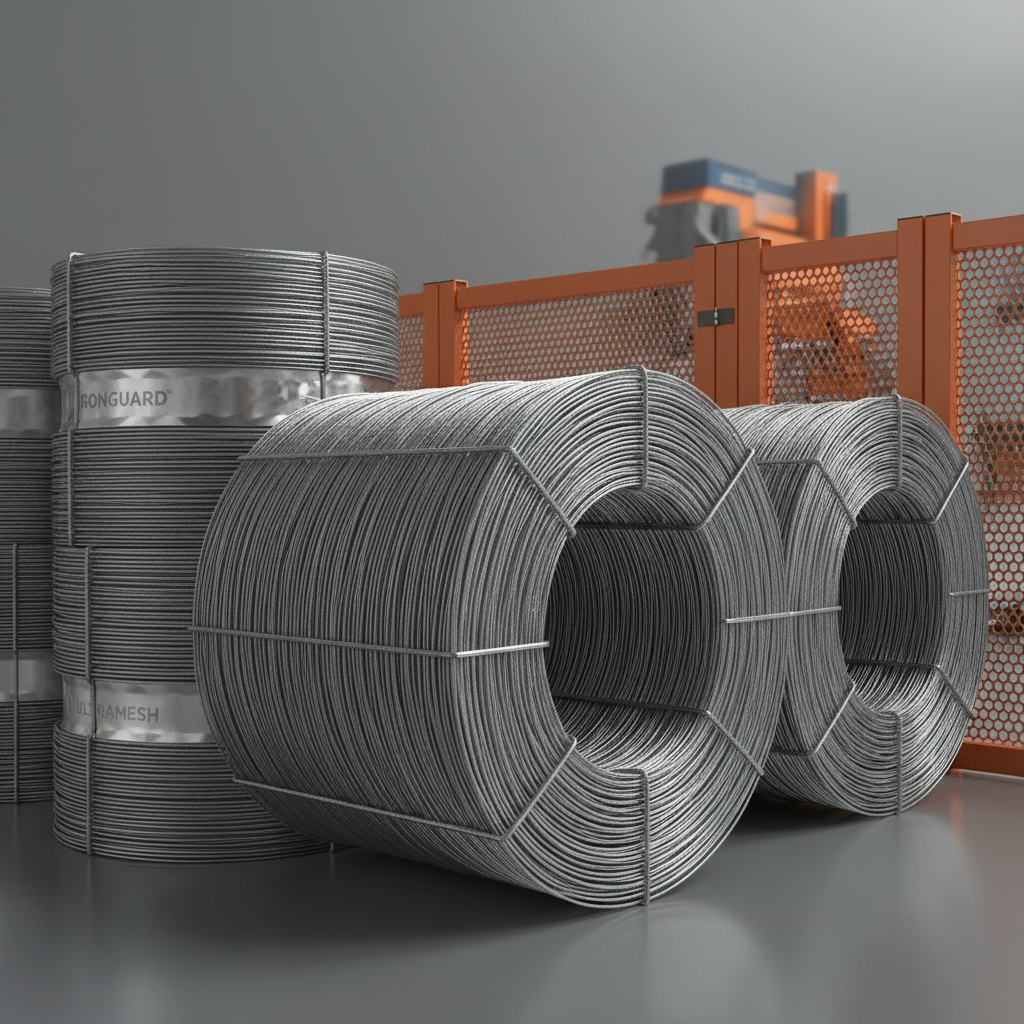
Securing a perimeter requires a delicate balance between high-deterrence capabilities and budget management. When procurement officers search for razor wire price, they are often looking for more than just a number; they are seeking a cost-to-security ratio that ensures long-term reliability without overspending on unnecessary specifications.
The market for security fencing is heavily influenced by raw material fluctuations and the specific coating technologies employed to prevent corrosion. Understanding these variables is essential for avoiding the trap of "lowest initial cost," which often leads to premature failure and expensive replacements in harsh environmental conditions.
This guide analyzes the financial and technical drivers of razor wire procurement, offering a professional framework for evaluating suppliers and selecting the optimal product configuration based on actual risk assessments rather than generic price lists.

Analyzing the Primary Drivers of Razor Wire Pricing

The cost of razor wire is not static; it is a derivative of several industrial variables. The most significant factor is the core wire diameter and the quality of the steel used. High-tensile galvanized steel provides the necessary rigidity to prevent sagging and resists cutting more effectively than lower-grade alternatives.
Beyond the base metal, the coating process—whether it is hot-dipped galvanization or an electro-galvanized finish—drastically alters the price point. Hot-dipped coatings provide a thicker layer of zinc, which is critical for outdoor installations in humid or coastal areas, though it comes at a higher upfront premium.
Finally, the geometry of the blade, such as the Clip (BTO) or Concertina (CBS) designs, adds a layer of manufacturing complexity. Precision in the blade's sharpness and the consistency of the coil diameter ensure that the security barrier remains tight and intimidating, directly influencing the final market valuation.
Technical Specifications That Impact Total Security Costs
When analyzing the technical architecture of security wire, the "price per meter" often masks the true cost of ownership. For instance, the zinc coating weight (g/m²) determines how many years the fence will last before rust compromises the structural integrity of the blades.
The blade profile—specifically the depth and angle of the razor—affects the psychological deterrent value. Deep-cut blades are more effective at snagging clothing and skin, which increases the perceived risk for intruders, thereby reducing the likelihood of attempted breaches.
Moreover, the core wire's tensile strength determines the tension that can be applied during installation. Higher tensile strength allows for wider spans between support posts, potentially reducing the overall cost of the supporting fence infrastructure.
Strategic Deployment Scenarios for High-Security Fencing
Application context dictates the necessary product grade. In high-risk military or correctional facility settings, multi-layered Concertina wire is standard. Here, the priority is total denial of entry, justifying the use of premium, heavy-gauge materials that maximize physical resistance.
For industrial warehouses or commercial boundaries, a combination of welded wire mesh panels topped with a single strand of razor wire often suffices. This hybrid approach balances aesthetics and security, focusing the high-cost materials only at the top "danger zone" of the perimeter.
In agricultural or rural boundaries, where the primary threat is livestock movement or opportunistic trespassers, lightweight galvanized wire mesh is preferred. In these cases, the focus shifts toward cost-efficiency and ease of installation over extreme anti-climb capabilities.
Evaluating Performance Ratios in Perimeter Deterrence
Quantitative evaluation of security barriers involves measuring "Time to Breach" against "Installation Cost." A standard galvanized fence provides a baseline of security, but adding professional-grade razor wire significantly increases the delay time for an intruder.
The effectiveness of a security system is not just about the material but the synergy between the mesh and the wire. For example, integrating razor wire with high-tensile welded panels creates a barrier that is both difficult to climb and painful to touch.
razor wire price Performance Metrics
As shown in the benchmark data, upgrading to specialized razor wire configurations can increase the deterrence factor significantly while the relative increase in total project cost remains manageable when compared to the risk of asset loss.
Procurement Best Practices for Industrial Security Mesh
Avoiding procurement errors requires a shift from "price-centric" to "value-centric" sourcing. A critical step is verifying the manufacturer's quality control processes. For example, Anping Yuandong Metal Product Co., Ltd. utilizes state-of-the-art machinery to ensure precise blade spacing and consistent galvanization thickness.
Buyers should request a technical data sheet that specifies the zinc coating weight and the tensile strength of the core wire. Any supplier unwilling to provide these metrics is likely offering a product that may fail prematurely in corrosive environments.
Furthermore, consider the logistics of transport and installation. Bulk ordering of processed metal wire mesh products can reduce shipping costs, but only if the packing method prevents the coils from collapsing or becoming deformed during transit.
Future Outlook on Protective Wire Material Innovations
The security industry is moving toward "smart perimeters." While physical razor wire remains the primary deterrent, we are likely to see a greater integration of sensors within the wire structure, allowing security teams to detect breaches in real-time through vibration analysis.
Material science is also evolving. New alloys and composite coatings may offer even higher corrosion resistance than traditional hot-dipping, potentially extending the lifecycle of perimeter fences in extreme maritime climates.
Additionally, there is a growing trend toward "aesthetic security," where high-functionality razor wire is integrated into decorative metal mesh screens, allowing corporate campuses to maintain a professional look without compromising on safety.
Comparing Razor Wire Configurations for Optimal ROI
Selecting the right product involves matching the threat level to the material cost. A low-risk boundary does not require the same investment as a high-value asset storage facility.
The following table outlines the trade-offs between common security wire configurations to help procurement teams make an evidence-based decision.
| Configuration Type | Primary Use Case | Deterrence Level | Maintenance Cycle |
|---|---|---|---|
| BTO-22 Concertina | Border Security | Extreme | Long-term (10y+) |
| CBS Clip-on Wire | Industrial Walls | High | Medium (5-8y) |
| Galvanized Mesh Top | Commercial Parks | Moderate | Medium (7-10y) |
| Electro-Galvanized | Indoor Warehouses | Moderate | Short (3-5y) |
| Stainless Steel Razor | Coastal Facilities | Extreme | Very Long (20y+) |
| Hybrid Weld-Mesh | Corporate Perimeters | Moderate | Long (10y+) |
Ultimately, the goal is to minimize the "Total Cost of Security" by selecting a configuration that maximizes the delay time for intruders while minimizing the frequency of maintenance and replacement.
Frequently Asked Questions
Conclusion
Procuring security fencing is an exercise in risk management. While the immediate razor wire price may be a primary concern, the long-term value is found in the durability of the materials and the effectiveness of the deterrent. By prioritizing high-tensile core wires and robust galvanization, organizations can ensure their perimeters remain secure with minimal maintenance.
For those evaluating the technical specifications and procurement options for their next security project, professional guidance and high-quality product ranges can be found through www.hebei-wiremesh.com.