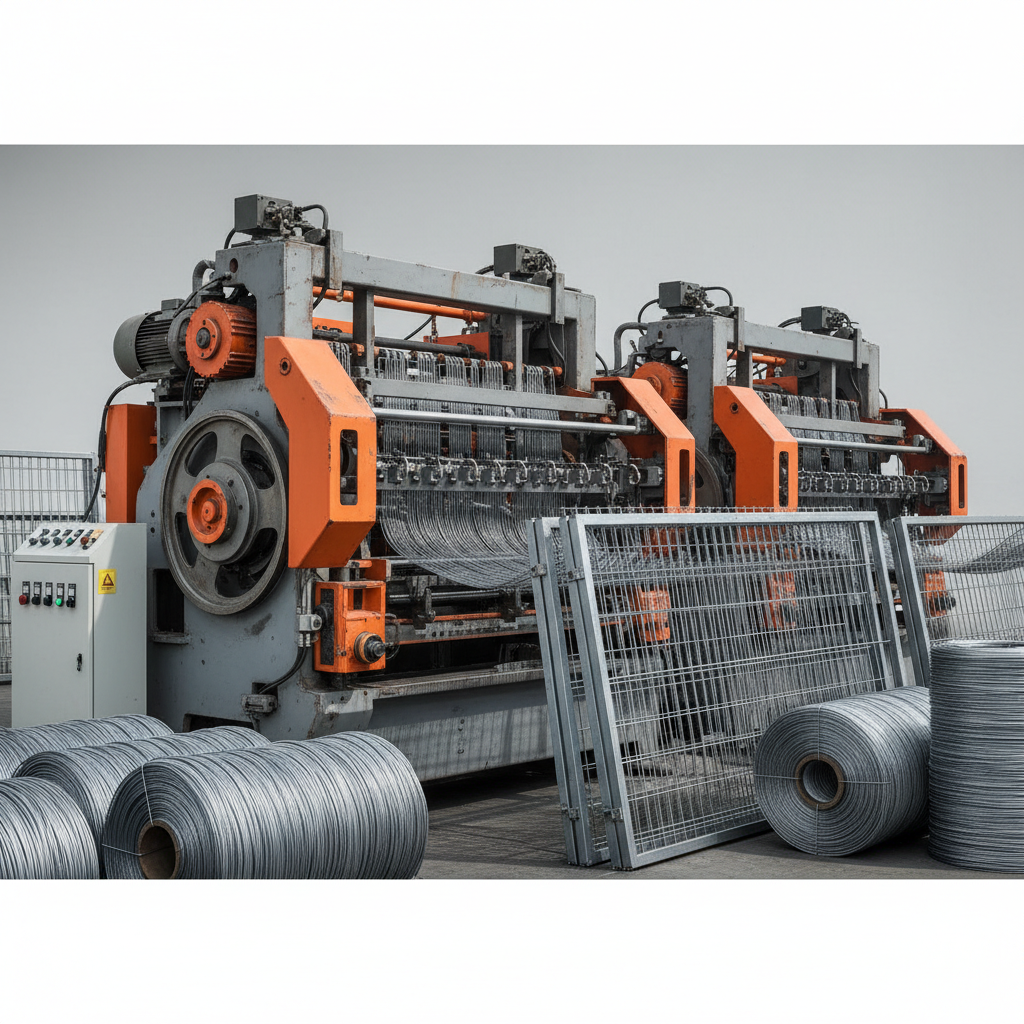
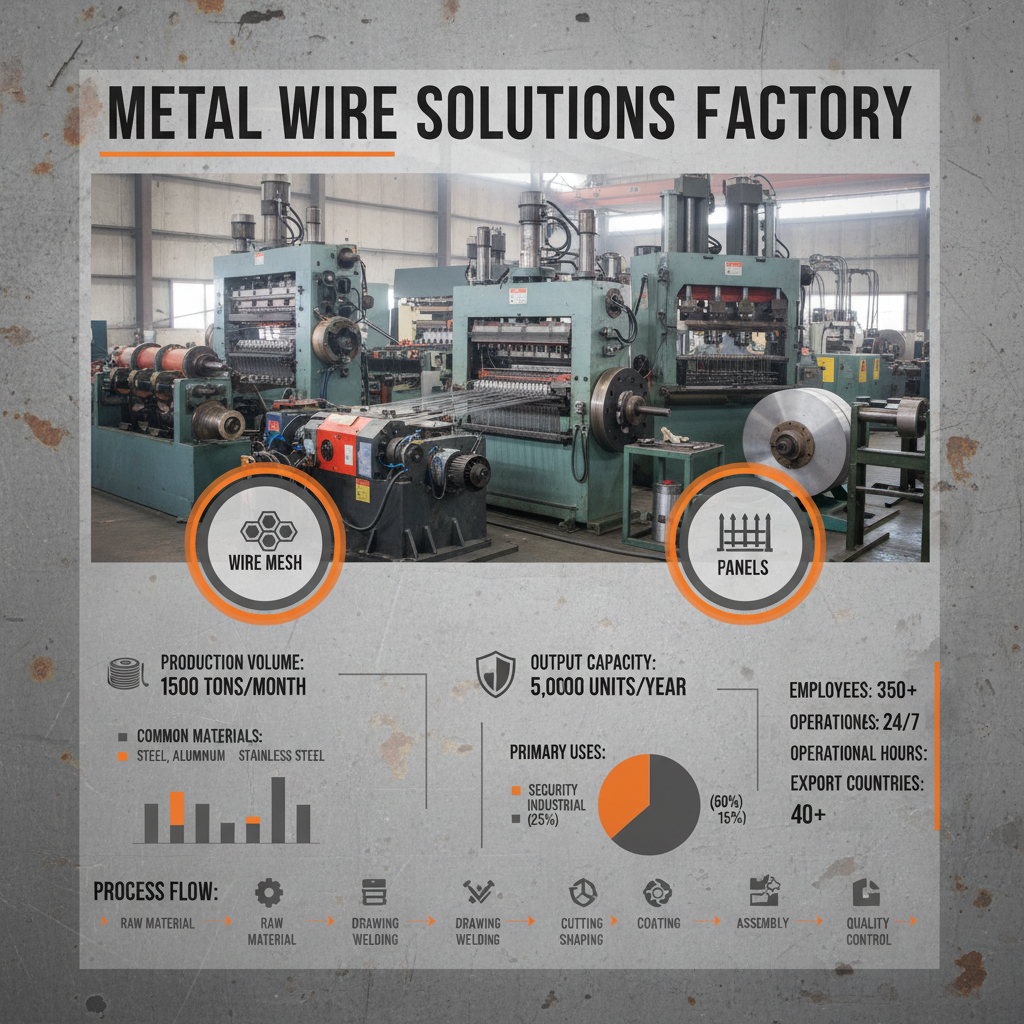
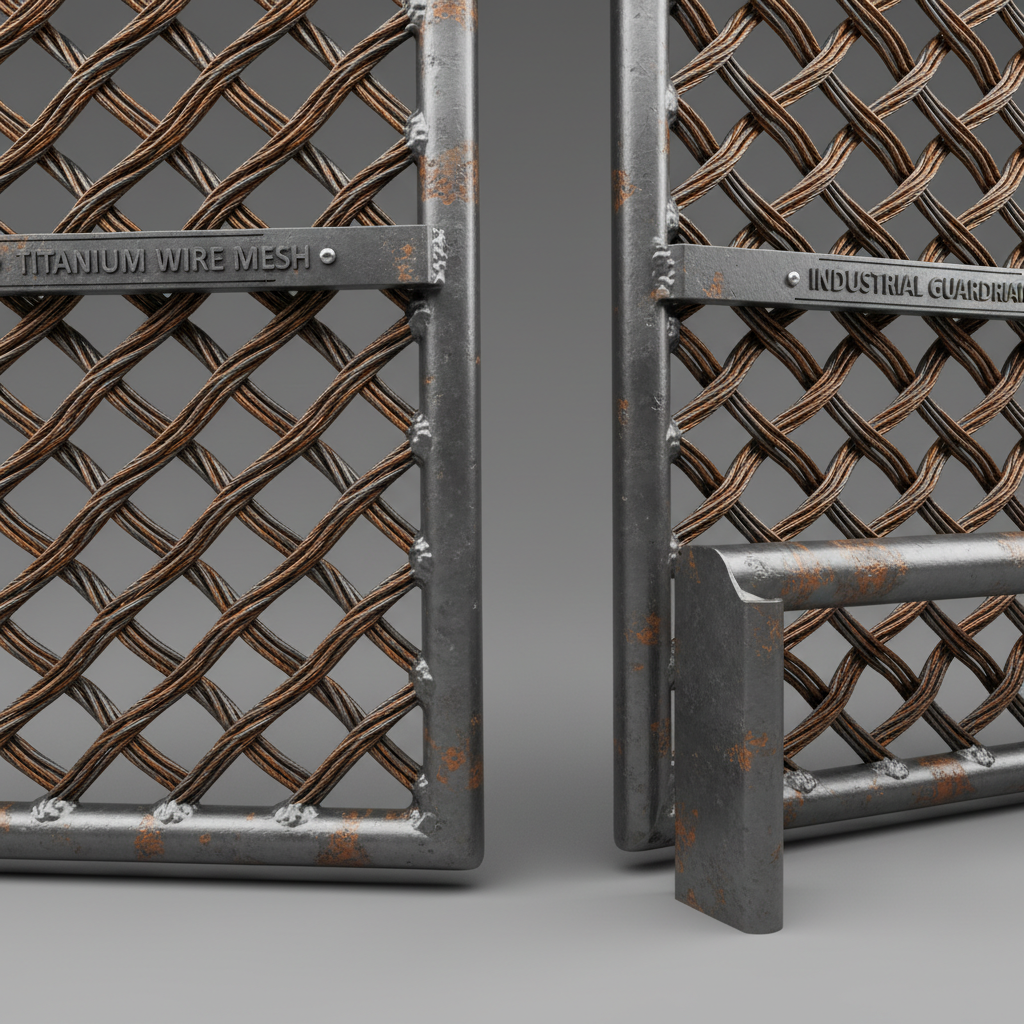
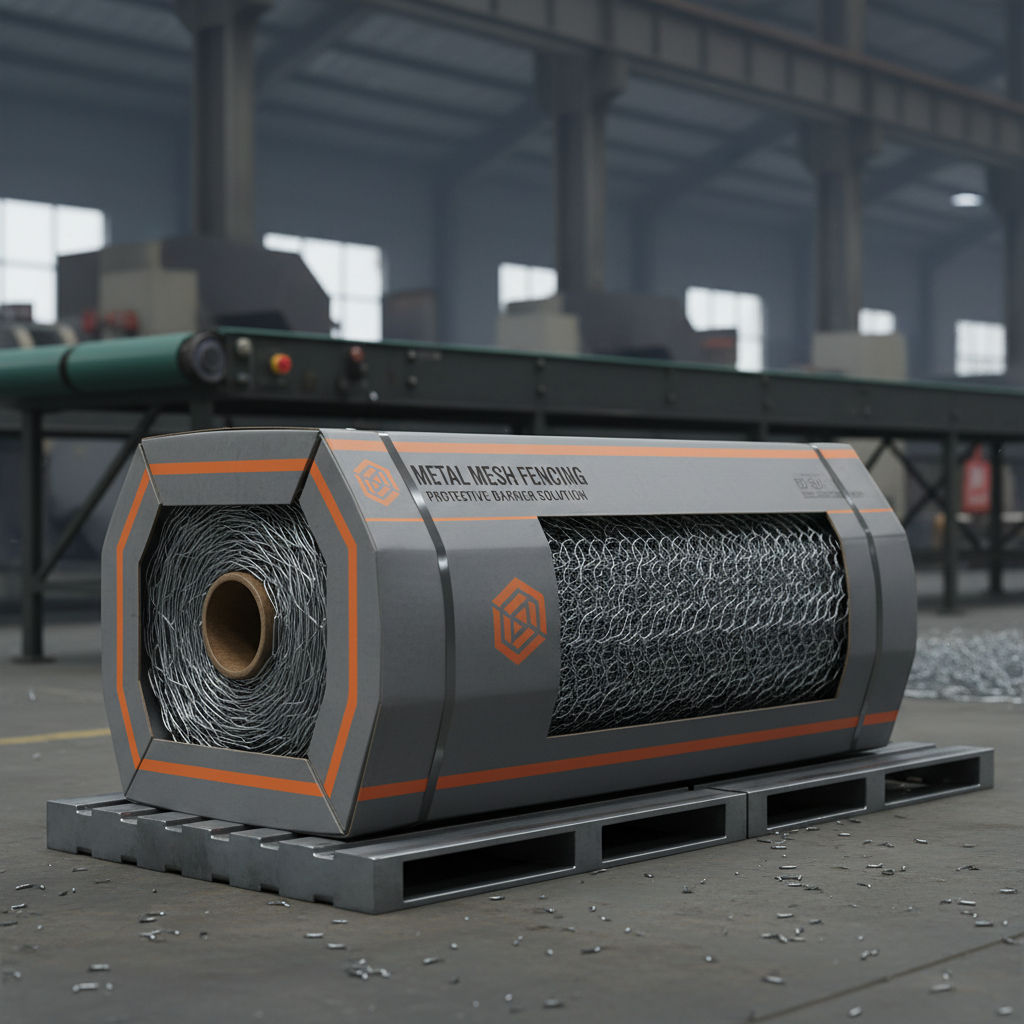
The modern industrial landscape relies heavily on the precision and reliability of a professional metal wire factory, which serves as the backbone for countless infrastructure projects. From the smallest electronic components to massive architectural reinforcements, the ability to draw, coat, and weave metal into specific gauges is a critical capability that drives global manufacturing efficiency. Understanding the intricacies of wire production allows engineers and procurement specialists to optimize material strength and longevity in their end products.
Globally, the demand for specialized wire products has surged as urbanization accelerates and the need for secure, durable fencing and industrial filtration grows. A high-capacity metal wire factory does more than just produce raw material; it integrates metallurgy with mechanical engineering to create solutions that resist corrosion, withstand extreme tension, and meet stringent ISO safety standards. This synergy is what enables the construction of safer bridges, more efficient chemical plants, and secure perimeter boundaries across diverse climates.
However, the industry faces a pivotal moment where traditional manufacturing must evolve to meet sustainability goals and digital precision. The challenge lies in reducing the carbon footprint of smelting and drawing processes while increasing the purity and consistency of the wire. By partnering with a forward-thinking metal wire factory, businesses can transition toward "Green Steel" initiatives and smart manufacturing, ensuring that their supply chain is not only robust but also ethically and environmentally responsible.
The Operational Core of a Metal Wire Factory
At the heart of every metal wire factory is the drawing process, where thick metal rods are pulled through a series of progressively smaller dies. This mechanical reduction not only achieves the desired diameter but also alters the molecular structure of the metal, increasing its tensile strength through work hardening. Modern facilities employ continuous drawing machines that can operate at high speeds while maintaining micron-level precision, ensuring that every coil produced meets the exact specifications required for high-stress industrial applications.
Beyond simple drawing, the operational core includes heat treatment and surface finishing. Whether it is galvanizing to prevent rust or annealing to restore ductility, these secondary processes define the wire's final utility. A sophisticated factory integrates these stages into a seamless workflow, utilizing automated quality control sensors to detect imperfections in real-time, thereby reducing waste and ensuring that only premium-grade metal wire reaches the customer.
Defining Precision in Wire Manufacturing
In simple terms, a metal wire factory is a specialized industrial facility dedicated to transforming bulk metal—such as steel, copper, or aluminum—into thin, flexible, yet strong strands. This process is fundamental to modern civilization; without the ability to mass-produce consistent wire, we would lack the electrical grids, suspension bridges, and medical stents that define our current quality of life. It is the bridge between raw mineral extraction and functional engineering.
Precision in this context refers to "tolerance," the allowable limit of variation in the wire's diameter. For most general-purpose wire mesh, a slight variation is acceptable, but for aerospace or medical applications, a deviation of a few micrometers can result in component failure. Therefore, the definition of a high-end factory is one that can guarantee ultra-tight tolerances across kilometers of continuous production.
Furthermore, this manufacturing process addresses critical humanitarian and safety needs. From the production of secure gabions used to prevent landslides in remote mountainous regions to the creation of sterile surgical meshes, the output of a specialized metal wire factory directly impacts public safety and health. It transforms raw industrial power into precise tools for human progress.
Critical Quality Factors for Metal Wire
Durability is the primary benchmark for any product leaving a metal wire factory. This is achieved through a combination of material purity and the application of protective coatings like zinc or polymer. When wire is destined for outdoor use, such as wire mesh fences, the resistance to oxidation becomes the most critical factor in determining the product's lifecycle and the overall cost of ownership for the client.
Tensile strength and elasticity are equally vital, ensuring that the wire can withstand significant loads without permanent deformation. A professional metal wire factory utilizes precise annealing schedules to balance hardness and flexibility, allowing the wire to be bent into complex shapes—like those found in processed metal wire mesh products—without cracking or snapping under pressure.
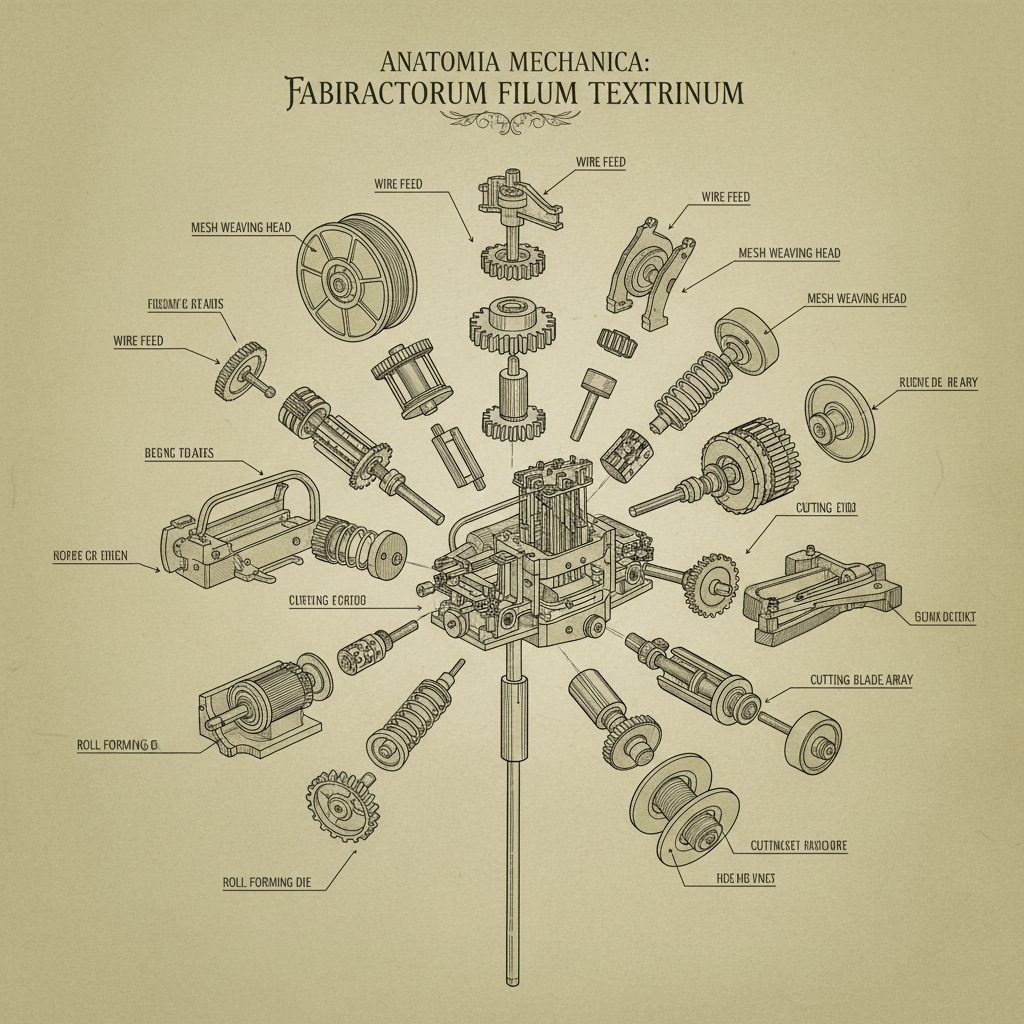
Scalability and consistency ensure that whether a client orders ten kilograms or ten tons, the mechanical properties remain identical. By implementing standardized ISO 9001 protocols, a metal wire factory can eliminate batch-to-batch variance, which is essential for automated assembly lines where wires must fit perfectly into pre-machined slots or be woven by high-speed wire mesh machines.
Global Industrial Applications and Use Cases
The applications of output from a metal wire factory are virtually limitless, spanning from heavy civil engineering to delicate filtration systems. In the construction sector, welded wire mesh is used to reinforce concrete slabs, providing the necessary tensile strength to prevent structural cracking in high-rise buildings and highways. In agricultural zones, galvanized wire mesh fences are indispensable for livestock management and crop protection, proving the versatility of wire across different economic sectors.
In more specialized contexts, such as chemical processing plants, stainless steel wire cloth produced by a precision metal wire factory is used for high-temperature filtration and catalyst supports. These products must withstand corrosive chemicals and extreme heat, requiring the factory to use high-nickel alloys and specialized weaving patterns. Similarly, in post-disaster relief, gabion baskets made from heavy-duty wire are deployed rapidly to stabilize riverbanks and create emergency road foundations in remote industrial zones.
Efficiency Ratings of Different Metal Wire Factory Production Methods
Long-Term Value and Economic Advantages
Investing in high-quality materials from a reputable metal wire factory provides tangible long-term economic benefits. While lower-grade wire may seem cost-effective initially, its susceptibility to premature corrosion and mechanical failure leads to higher maintenance costs and expensive downtime. Premium wire, characterized by superior galvanization and structural integrity, extends the lifecycle of the installation, significantly reducing the total cost of ownership.
Beyond the financial aspect, there is a profound emotional and logical value in reliability. In safety-critical applications—such as security fencing for high-risk facilities or support cables for infrastructure—the trust placed in the wire's breaking strength is paramount. A certified factory provides the peace of mind that comes with rigorous testing, ensuring that the products not only meet legal requirements but also provide genuine safety and dignity for the people utilizing them.
Future Innovations in Wire Production
The future of the metal wire factory is being reshaped by the integration of Industry 4.0. Digital twins and AI-driven monitoring systems are now being implemented to predict tool wear in drawing dies, allowing for maintenance before a defect occurs. This shift toward predictive maintenance ensures that production remains continuous and that material waste is minimized, aligning the industry with global lean manufacturing goals.
Sustainability is another major driver of innovation. We are seeing a transition toward "green" smelting processes and the use of recycled scrap metal without compromising the tensile properties of the final wire. Innovations in plasma coating and nano-scale surface treatments are replacing traditional chemical baths, reducing the environmental impact of the factory while providing even greater corrosion resistance for the end-user.
Furthermore, the development of "Smart Wires" with embedded sensors is on the horizon. These specialized products, created in advanced R&D-focused factories, can monitor their own tension and structural health in real-time. This technology will be revolutionary for the maintenance of suspension bridges and large-scale industrial supports, moving the world from reactive repairs to proactive structural health management.
Overcoming Production Challenges and Solutions
One of the most persistent challenges in a metal wire factory is managing internal stress during the drawing process. If the wire is drawn too quickly or without proper lubrication, it can develop microscopic surface cracks that lead to premature failure. The expert solution involves the use of synthetic, high-pressure lubricants and a precisely calculated reduction ratio across multiple drawing stages to ensure the metal grains are elongated uniformly.
Another limitation is the environmental footprint of traditional galvanizing lines. The use of acid pickling and zinc baths creates hazardous waste. To overcome this, leading factories are adopting mechanical galvanizing or powder coating technologies. These alternatives provide similar or superior protection while significantly reducing the volume of toxic effluents, making the production process more sustainable.
Finally, supply chain volatility often affects raw material purity. To mitigate this, top-tier factories implement a rigorous "Vendor Qualification Program," testing every batch of incoming steel or copper before it enters the production line. By combining this with automated spectroscopic analysis, they ensure that the chemical composition is perfect, preventing the production of brittle or inconsistent wire.
Comparative Analysis of Metal Wire Production Standards and Performance
| Material Grade |
Coating Technology |
Tensile Strength (MPa) |
Durability Rating (1-10) |
| Low Carbon Steel |
Hot-Dip Galvanized |
450 - 600 |
7 |
| High Carbon Steel |
Electro-Galvanized |
1200 - 1800 |
8 |
| Stainless Steel 304 |
Passivated/None |
500 - 800 |
10 |
| Stainless Steel 316 |
Passivated/None |
550 - 850 |
10 |
| Aluminum Alloy |
Anodized |
150 - 300 |
6 |
| Copper (Pure) |
Tinned Coating |
200 - 400 |
9 |
FAQS
Factories use laser micrometers and automated feedback loops during the drawing process. These sensors measure the diameter in real-time and automatically adjust the die pressure or drawing speed to maintain a strict tolerance, ensuring that every meter of wire is identical to the last.
Hot-dip galvanizing involves dipping the wire into molten zinc, creating a thick, durable layer ideal for outdoor and harsh environments. Electro-galvanizing uses an electrical current to apply a thinner, smoother zinc layer, which is better for indoor use or where a precise aesthetic finish is required.
Yes, advanced factories can work with custom alloy specifications, such as adding chromium for heat resistance or nickel for acid resistance. This involves custom smelting and specific heat treatment cycles to ensure the final wire meets the chemical and mechanical properties required for the application.
The lifespan depends on the coating. Standard galvanized wire may last 10-20 years, while PVC-coated galvanized wire or high-grade stainless steel (316) can last 30-50 years or more, depending on the salinity and humidity of the environment.
For large-scale projects, custom sizing is highly cost-effective because it reduces material waste during installation and eliminates the need for on-site modifications. A professional factory can optimize the production run to provide the exact dimensions needed, lowering the overall project cost.
Look for ISO 9001 for quality management, ISO 14001 for environmental responsibility, and ASTM or EN standards for the specific wire type. These certifications guarantee that the factory follows globally recognized protocols for safety, quality, and sustainability.
Conclusion
In summary, a professional metal wire factory is far more than a simple production site; it is a center of metallurgical precision that enables the stability and security of modern infrastructure. By balancing tensile strength, corrosion resistance, and dimensional accuracy, these facilities provide the essential components for everything from reinforced concrete to high-tech filtration. The transition toward automated, green manufacturing ensures that the industry can meet growing global demands without sacrificing environmental integrity.
Looking forward, the integration of smart materials and digital monitoring will redefine the role of wire in engineering, turning passive supports into active sensors. For businesses and project managers, the key to long-term success lies in partnering with a manufacturer that prioritizes transparency, certification, and innovation. We invite you to explore our capabilities and find the perfect wire solution for your next project. Visit our website: www.hebei-wiremesh.com