Understanding the factors that influence concertina wire price is essential for procurement managers and security engineers seeking to balance budget with high-level perimeter protection. Concertina wire, known for its razor-sharp edges and coiled structure, provides a formidable psychological and physical barrier that is significantly more effective than standard barbed wire.
In industrial and high-security environments, the cost of security fencing is not merely a purchase price but an investment in asset protection. Factors such as material grade, galvanization thickness, and coil diameter directly impact the longevity and effectiveness of the installation, meaning the lowest initial price often leads to higher long-term maintenance costs.
This guide provides a comprehensive analysis of the cost drivers for concertina wire, comparing different material options and application scenarios to help you make an informed decision based on your specific security requirements and environmental conditions.

1Understanding Concertina Wire and Its Market Value

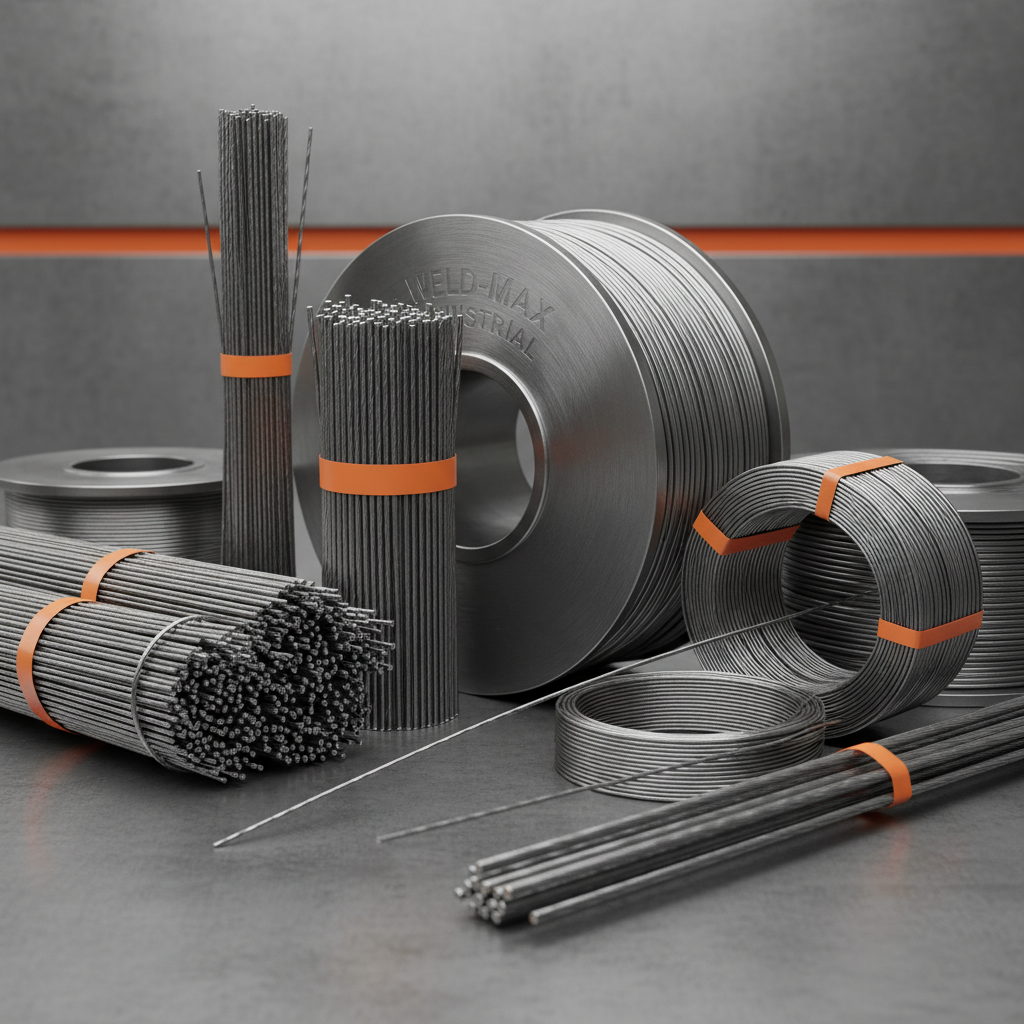
Concertina wire is a specialized type of razor wire formed in concentric coils that can be expanded like a spring. Unlike traditional barbed wire, it is designed to entangle intruders, making it nearly impossible to cut or climb through without specialized equipment. The market value of this product is heavily tied to the quality of the raw steel and the precision of the coil winding process.
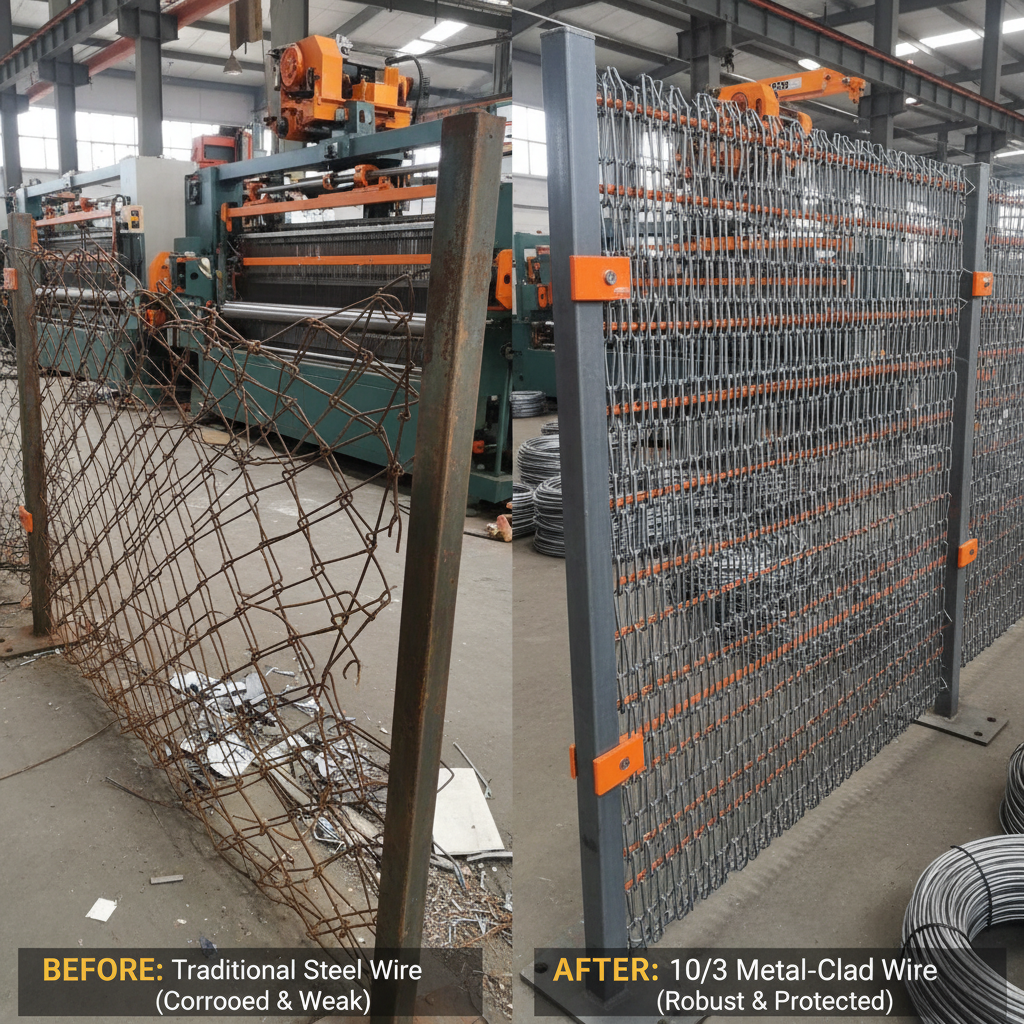
When evaluating the concertina wire price, it is important to distinguish between hot-dip galvanized and cold-galvanized options. Hot-dip galvanizing involves immersing the wire in molten zinc, creating a thick, durable layer that offers superior protection against rust and environmental decay.
For organizations operating in the metal products industry, the cost-to-benefit ratio is measured by the reduction in security breaches and the minimized need for active patrolling. High-quality wire ensures that the barrier remains taut and sharp over decades, reducing the frequency of costly replacements.
2Core Technical Specifications Affecting Cost
The cost of concertina wire is not uniform; it fluctuates based on several critical technical parameters. The most significant factor is the wire diameter and the blade profile. Thicker wires provide greater structural integrity and are harder to cut, which naturally increases the material cost per linear meter.
Another variable is the coil diameter. Larger diameters cover more area and create a deeper barrier, but they require more material per unit. The precision of the "concertina" clip—the mechanism that holds the coils together—also plays a role in whether the wire maintains its shape under pressure or sags over time.
Finally, the quality of the raw steel—specifically the carbon content—affects the wire's plasticity and strength. High-tensile steel is preferred for security applications because it resists stretching and maintains its coiled tension, ensuring the deterrent effect remains active across the entire perimeter.
3High-Security Application Scenarios
The application of concertina wire varies significantly across industries. In the mining and energy sectors, it is often deployed to protect remote sites from unauthorized access and theft of expensive equipment. In these scenarios, the emphasis is on extreme durability and corrosion resistance due to exposure to harsh elements.
In urban security and government facilities, concertina wire is frequently installed atop existing masonry walls or chain-link fences. Here, the aesthetic and neatness of the installation are considered, but the primary goal remains the absolute prevention of scaling. The integration of the wire with a stable support system is critical to prevent the weight of the coils from damaging the underlying structure.
Furthermore, in agricultural settings, specifically for livestock and breeding industries, modified wire mesh and concertina solutions are used to create secure enclosures. While the security requirement is lower than a military base, the need for animal safety and boundary integrity remains a driving force for procurement.
4Performance Metrics and Cost Efficiency
When analyzing the concertina wire price against its performance, the most relevant metric is the "Time-to-Breach." Higher-grade wires with reinforced cores and sharper blades significantly increase the time and effort required for an intruder to penetrate the perimeter, thereby increasing the probability of detection by security teams.
Another critical metric is the "Life-Cycle Cost," which includes the initial purchase, installation, and the cost of maintenance over 10 to 20 years. While cheaper wire may save costs initially, the cost of replacing rusted or sagging sections every few years often exceeds the price of a premium, high-zinc coated product.
concertina wire price Performance Metrics
As shown in the performance comparison, premium concertina wire solutions offer a drastic improvement in corrosion resistance and security levels compared to industry averages. This efficiency translates to a lower total cost of ownership, as the frequency of replacement is reduced and the reliability of the perimeter is guaranteed.
5Procurement Best Practices for Perimeter Security
Effective procurement of security wire begins with a thorough site assessment. Buyers must determine the level of threat and the environmental stressors the wire will face. Selecting a product based solely on price without considering the zinc coating thickness can lead to premature failure in high-humidity areas.
It is also recommended to request samples to test the "spring-back" capability of the coils. Quality concertina wire should expand smoothly and maintain its structural shape without permanent deformation. This ensures that the installation process is faster and the resulting barrier is consistent.
Finally, evaluate the supplier's manufacturing capacity and certifications. A manufacturer with a proven track record in exporting to diverse climates (such as the USA or Saudi Arabia) is more likely to provide products that meet international standards for tensile strength and corrosion resistance.
6Industry Trends in Security Wire Manufacturing
The security wire industry is shifting toward more sustainable and high-performance materials. There is an increasing demand for hybrid coatings that combine the cost-effectiveness of galvanization with the extreme durability of polymer coatings, which are particularly effective in acidic or highly polluted industrial zones.
Automation in the winding process is also reducing the margin of error in coil diameter and clip spacing. This leads to a more uniform product, which simplifies the installation process and allows for more accurate cost estimation during the project planning phase, reducing the risk of material waste.
Furthermore, there is a growing emphasis on "anti-climb" and "anti-cut" certifications. Modern manufacturers are focusing on the molecular structure of the steel to ensure that the wire does not become brittle over time, ensuring that the barrier remains a reliable deterrent for its entire intended lifespan.
7Comparing Concertina Wire Options for Selection
Choosing the right concertina wire requires a trade-off analysis between the initial investment and the required security level. For low-risk boundaries, a standard galvanized wire may suffice, whereas high-security installations demand reinforced, heavy-duty options.
The following table provides a comparative overview of common options to help procurement teams align their technical requirements with their budget constraints.
| Wire Type | Corrosion Resistance | Security Level | Relative Price |
|---|---|---|---|
| Cold Galvanized | Low to Medium | Standard | Economic |
| Hot-Dip Galvanized | High | High | Moderate |
| Stainless Steel | Extreme | High | Premium |
| PVC Coated | Very High | Standard | Moderate |
| Reinforced Core | Medium to High | Extreme | Premium |
| Hybrid Coated | Extreme | High | Premium |
Based on this comparison, the most balanced choice for most industrial applications is the hot-dip galvanized wire, as it offers the best intersection of long-term durability and cost-efficiency. For the most extreme environments, stainless steel remains the gold standard despite the higher price point.
Frequently Asked Questions
Conclusion
Selecting the right concertina wire involves a careful balance between immediate concertina wire price and long-term operational reliability. By prioritizing material quality—particularly the galvanization method and steel tensile strength—organizations can ensure a high-security perimeter that requires minimal maintenance over its lifecycle.
For procurement teams and engineers evaluating the most suitable security solutions for their specific sites, detailed product specifications and wholesale options can be reviewed at www.hebei-wiremesh.com to ensure technical compliance and cost-efficiency.