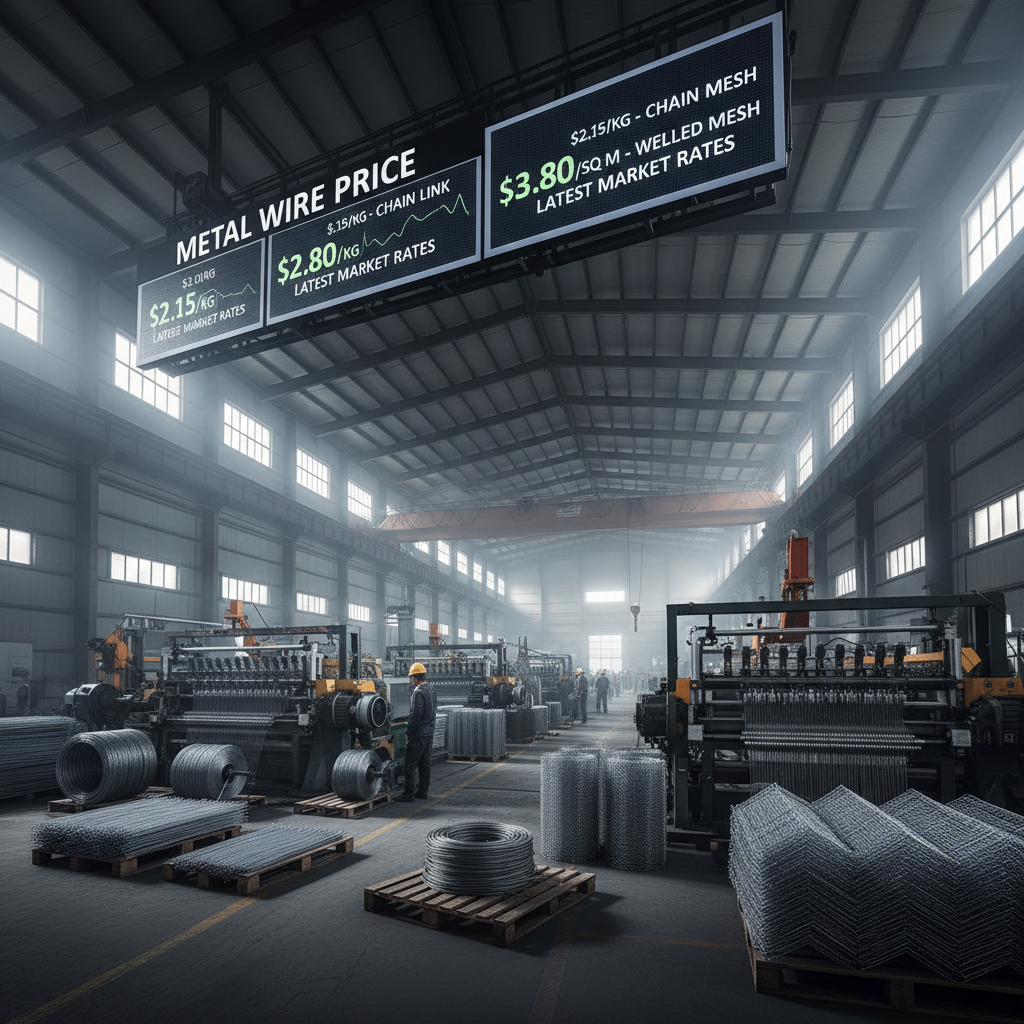
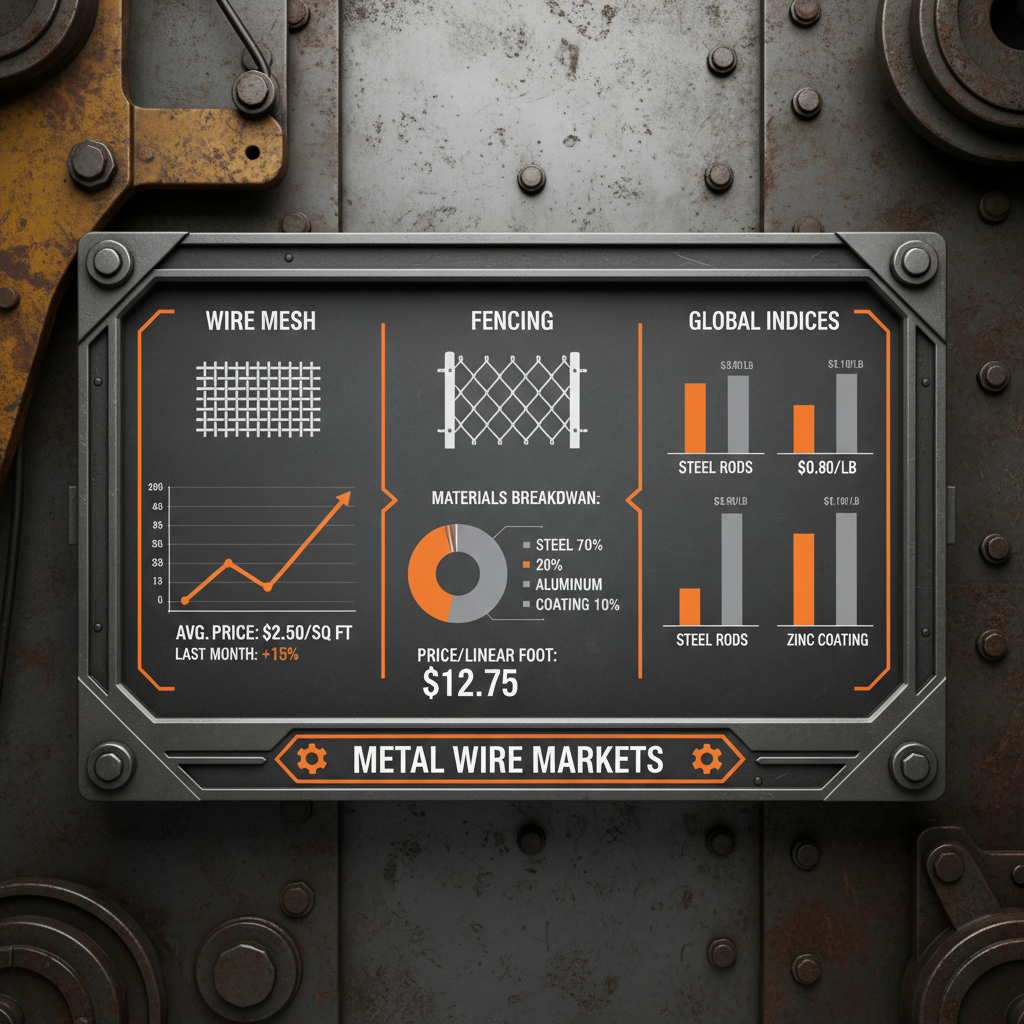
Understanding the metal wire price is crucial for businesses and industries reliant on steel and alloy components. Global economic shifts, raw material availability, and manufacturing demands directly influence these prices, impacting project budgeting, procurement strategies, and ultimately, profitability. A thorough grasp of these dynamics allows for informed decision-making and proactive risk management.
The volatile nature of the metal wire price presents both challenges and opportunities. Geopolitical events, trade policies, and technological advancements constantly reshape the landscape. Staying abreast of these fluctuations is not merely about cost control; it's about maintaining a competitive edge and ensuring supply chain resilience.
Ultimately, understanding the forces behind metal wire price empowers organizations to optimize resource allocation, negotiate favorable contracts, and navigate the complexities of the global marketplace with confidence. It's a foundational element for success in a wide range of sectors.
The Significance of Metal Wire Price
The metal wire price isn’t just a number; it's a barometer of industrial health. It ripples through countless sectors, from construction and automotive to agriculture and energy. Accurate price assessment allows companies to predict costs, optimize budgets, and maintain profitability. Failing to account for these fluctuations can lead to significant financial setbacks.
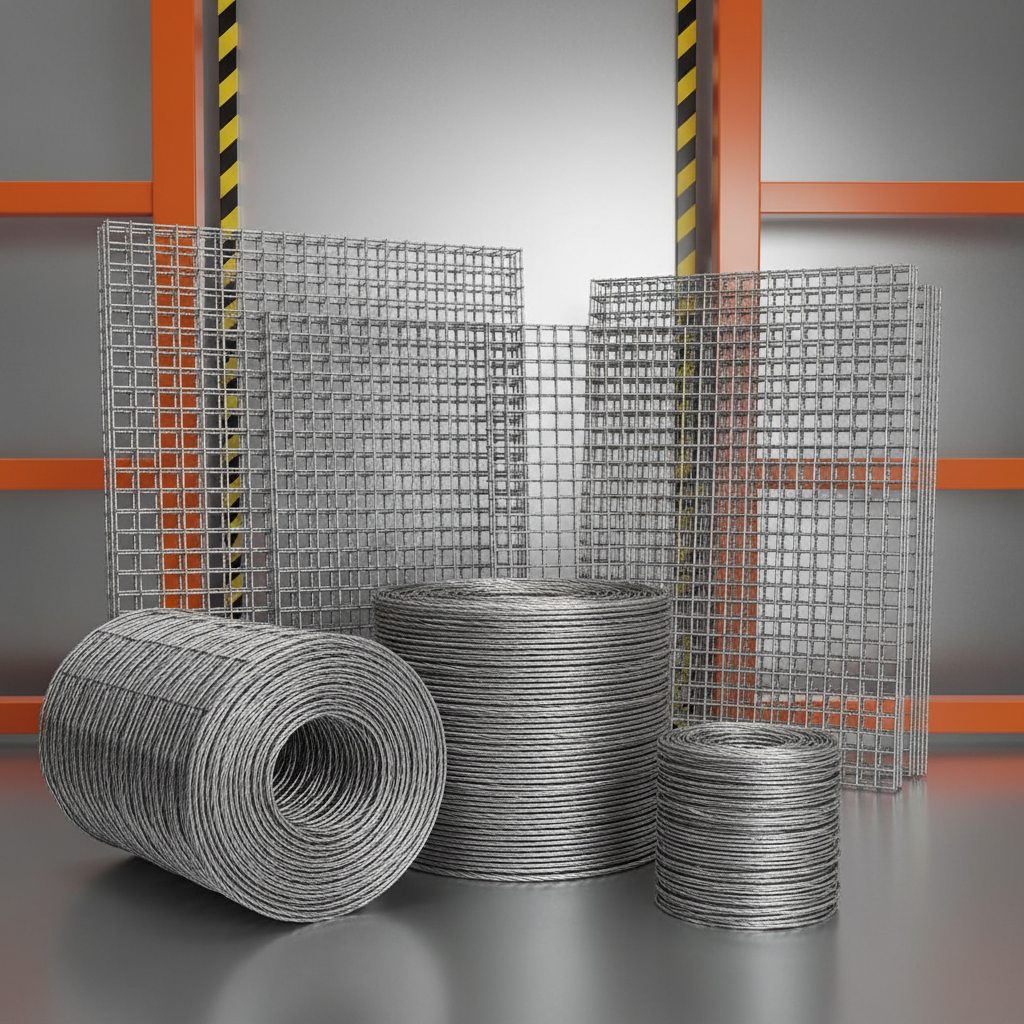
Industries depending on metal wire, like those producing mesh fencing or wire rope, are particularly sensitive to price changes. Even slight increases can drastically affect project margins, necessitating proactive sourcing and negotiation strategies. Understanding the intricacies of metal wire price trends empowers businesses to navigate these challenges effectively.
Understanding Metal Wire Price Dynamics
The metal wire price is determined by a complex interplay of factors. Raw material costs, particularly iron ore and various alloying elements, constitute a significant portion of the final price. Fluctuations in these raw material markets, often influenced by global supply and demand, directly impact wire production costs.
Manufacturing processes also contribute to the final price. Energy costs, labor rates, and the sophistication of the production technology all play a role. Moreover, transportation and logistics expenses, especially with increasing fuel prices and supply chain disruptions, add to the overall cost.
Finally, geopolitical factors and trade regulations heavily influence metal wire price. Tariffs, trade agreements, and political instability in key producing regions can all lead to price volatility and supply chain uncertainties.
Core Factors Influencing Metal Wire Price
Raw Material Costs: The price of iron ore, steel billets, and alloying elements like manganese, chromium, and nickel are primary drivers of metal wire price. Global demand from countries like China and India significantly impacts these raw material markets.
Manufacturing Capacity & Technology: Modern, efficient manufacturing facilities can produce wire at lower costs than older, less technologically advanced plants. Capacity utilization rates also influence price; high demand coupled with limited capacity leads to price increases.
Energy Costs: Wire drawing and other manufacturing processes are energy-intensive. Rising energy prices, particularly electricity and natural gas, directly translate to higher production costs and, consequently, higher metal wire price.
Global Applications and Impact of Metal Wire Price
The impact of metal wire price extends across a diverse range of industries. In construction, wire mesh reinforcement is crucial for concrete structures, making the price of wire a significant cost component. Automotive manufacturers rely on wire for components like tires, cables, and chassis parts, affecting vehicle production costs.
Agriculture utilizes wire extensively for fencing, trellises, and greenhouse structures, impacting farm operational expenses. The energy sector employs wire in cable production for power transmission and distribution, and renewable energy infrastructure. In remote industrial zones, access to reasonably priced metal wire is often critical for infrastructure development.
Comparative Metal Wire Price Analysis
Advantages of Optimized Metal Wire Price Management
Effective metal wire price management translates to significant cost savings for businesses. By securing favorable pricing through strategic sourcing, bulk purchasing, and long-term contracts, companies can enhance their profitability and competitiveness.
Optimized price management also strengthens supply chain resilience. Diversifying suppliers, establishing buffer stocks, and hedging against price fluctuations mitigate the risks associated with market volatility, ensuring uninterrupted production and delivery.
Future Trends in Metal Wire Price
The increasing demand for sustainable materials will likely drive innovation in wire production, potentially leading to the development of eco-friendly alloys and manufacturing processes. Digital transformation, including the use of AI-powered predictive analytics, will help companies forecast metal wire price fluctuations and optimize procurement strategies.
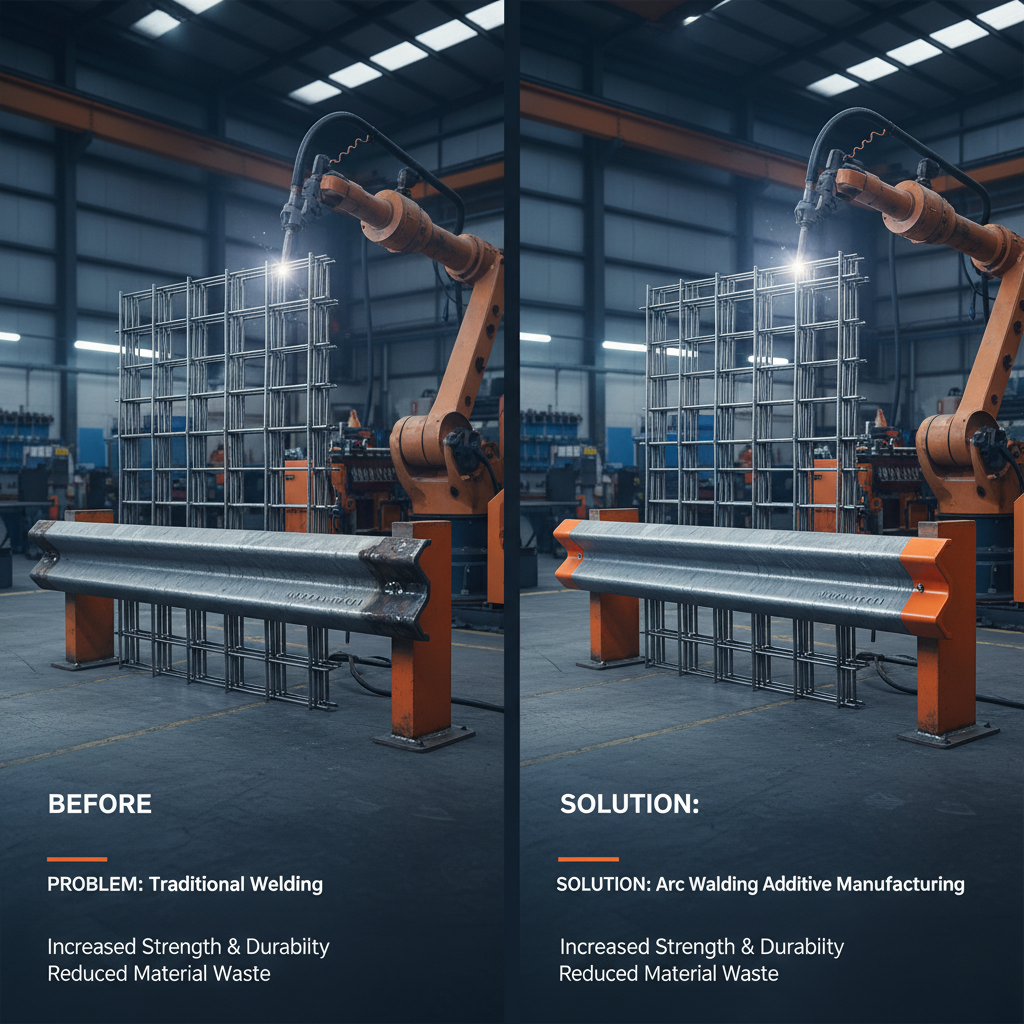
Automation and robotics will continue to enhance manufacturing efficiency, reducing labor costs and improving quality control. Furthermore, the rise of circular economy principles will encourage the recycling and reuse of metal wire, lessening reliance on virgin materials and stabilizing prices.
The integration of blockchain technology into supply chains may also gain traction, enhancing transparency and traceability, and helping to verify the authenticity and provenance of materials, impacting price confidence.
Challenges and Mitigation Strategies for Metal Wire Price Volatility
The primary challenge lies in the unpredictable nature of global markets and geopolitical events. Sudden disruptions to raw material supply, trade wars, and political instability can all trigger significant metal wire price swings.
Mitigation strategies include diversifying sourcing, establishing long-term contracts with suppliers, and implementing hedging strategies using commodity futures markets. Investing in inventory management systems and building strong supplier relationships are also crucial for managing volatility.
Furthermore, exploring alternative materials and investing in research and development to find cost-effective substitutes can reduce reliance on specific metals and mitigate price risks.
Analysis of Mitigation Strategies for Metal Wire Price Volatility
| Mitigation Strategy |
Implementation Cost (1-10) |
Effectiveness (1-10) |
Long-Term Sustainability (1-10) |
| Diversified Sourcing |
6 |
8 |
9 |
| Long-Term Contracts |
4 |
7 |
7 |
| Commodity Hedging |
7 |
9 |
6 |
| Inventory Management |
5 |
6 |
8 |
| Supplier Relationship Building |
3 |
8 |
10 |
| Alternative Material Research |
8 |
7 |
7 |
FAQS
Several key factors influence metal wire price. These include the cost of raw materials (iron ore, alloying elements), energy prices, manufacturing capacity, global demand, geopolitical events, and trade regulations. Monitoring these factors is crucial for predicting price movements and making informed purchasing decisions. Supply chain disruptions also play a huge role.
Businesses can mitigate risks through diversified sourcing of suppliers, establishing long-term contracts, implementing hedging strategies using commodity futures, investing in robust inventory management systems, and building strong relationships with key suppliers. Exploring alternative materials is also a sound strategy.
Increased global demand, particularly from rapidly industrializing nations like China and India, exerts upward pressure on metal wire price. Limited supply coupled with high demand creates a seller’s market, leading to price increases. Conversely, decreased demand can result in price reductions.
Trade tariffs imposed on steel or raw materials directly increase the cost of production, leading to higher metal wire price. Tariffs create trade barriers, restrict supply, and incentivize domestic production, which can also impact pricing dynamics. These changes usually occur quickly.
Growing demand for sustainable materials is driving innovation in wire production. Eco-friendly alloys, recycled materials, and energy-efficient manufacturing processes are gaining prominence, potentially impacting prices as adoption increases. Green initiatives and circular economy principles will influence future trends.
AI-powered predictive analytics can help forecast price fluctuations based on historical data, market trends, and geopolitical factors. Blockchain technology can enhance supply chain transparency and traceability, promoting price stability. Automation and robotics also improve efficiency and lower production costs.
Conclusion
In conclusion, understanding the complexities surrounding metal wire price is paramount for businesses across numerous industries. By carefully analyzing the factors that influence price, implementing robust mitigation strategies, and embracing emerging technologies, organizations can optimize their procurement processes, enhance profitability, and navigate market volatility with confidence. Effective price management is not just about cost control; it's about ensuring long-term sustainability and competitive advantage.
Looking ahead, proactive monitoring of global trends, investment in sustainable practices, and adaptation to the evolving digital landscape will be crucial. By remaining informed and agile, companies can capitalize on opportunities and minimize risks associated with metal wire price fluctuations. For expert insights and high-quality metal wire products, visit our website today: www.hebei-wiremesh.com.