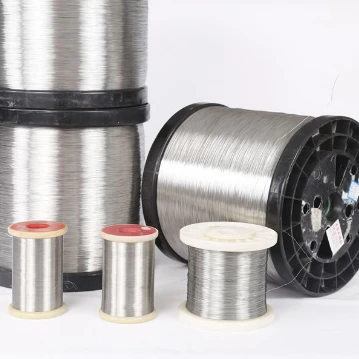
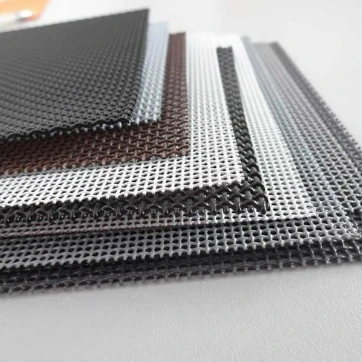
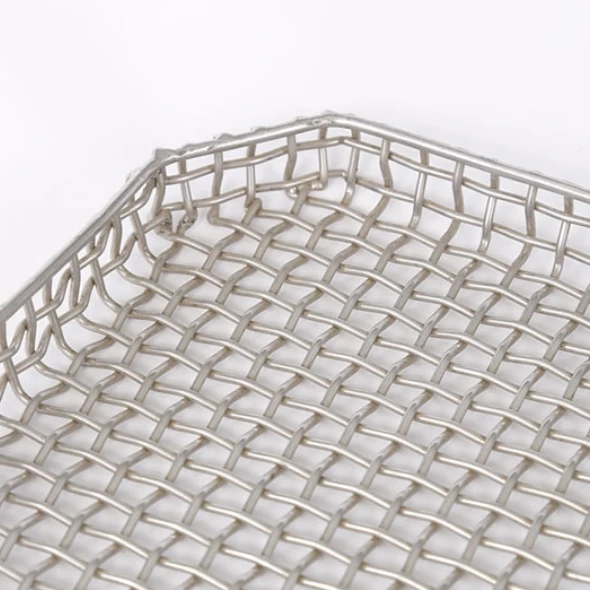
In many industrial environments, corrosion is one of the most significant factors affecting the lifespan of metal materials. Equipment, structural components, and filtration systems are frequently exposed to moisture, chemicals, or salt-laden air, all of which can rapidly degrade ordinary steel products. For this reason, 316 stainless steel welded wire mesh has become one of the most widely recommended materials when corrosion resistance is a top priority.
This type of welded mesh is produced by electrically welding stainless steel wires together at each intersection, creating a rigid and uniform grid structure. The welding process ensures that the mesh maintains consistent openings and dimensional stability even under heavy use. At the same time, the use of stainless steel as the base material provides natural resistance to rust and oxidation.
Grade 316 stainless steel contains additional molybdenum compared with many other stainless alloys. This element significantly improves resistance to chloride corrosion, which commonly occurs in marine environments, coastal regions, and industrial plants where chemicals are present. Because of this enhanced corrosion resistance, 316 stainless steel welded mesh is often selected for applications that require long-term reliability and minimal maintenance.
Understanding Material Differences in Stainless Steel Welded Wire Mesh
Before selecting a mesh product for corrosion-sensitive environments, it is important to understand how different materials influence performance. Stainless steel welded wire mesh can be manufactured from several stainless grades, but the most commonly used materials are 304 and 316 stainless steel.
The difference between these materials lies mainly in their resistance to aggressive environmental conditions. Standard stainless steel materials already offer good resistance to rust in most indoor or dry outdoor environments. However, when installations involve seawater exposure, acidic chemicals, or high humidity, higher alloy grades are required to maintain durability.
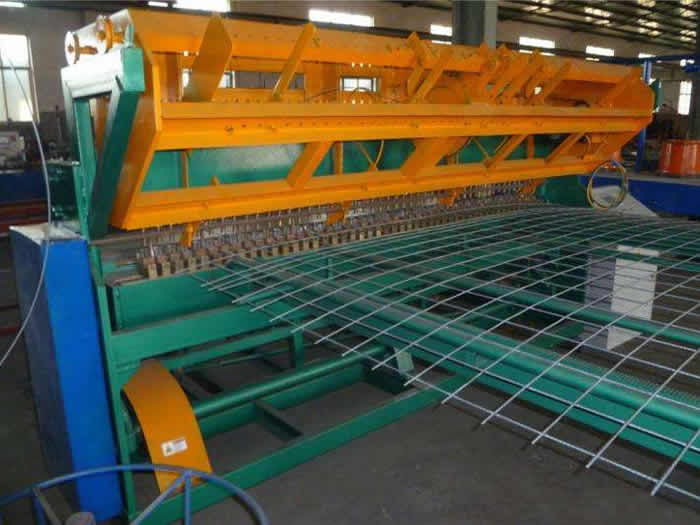
The welding process also plays an important role in the final performance of stainless steel mesh. During manufacturing, intersecting wires are joined using precise electrical resistance welding technology. This process forms strong bonds at every crossing point while maintaining consistent wire spacing. The result is a mesh structure that combines strength with dimensional accuracy.
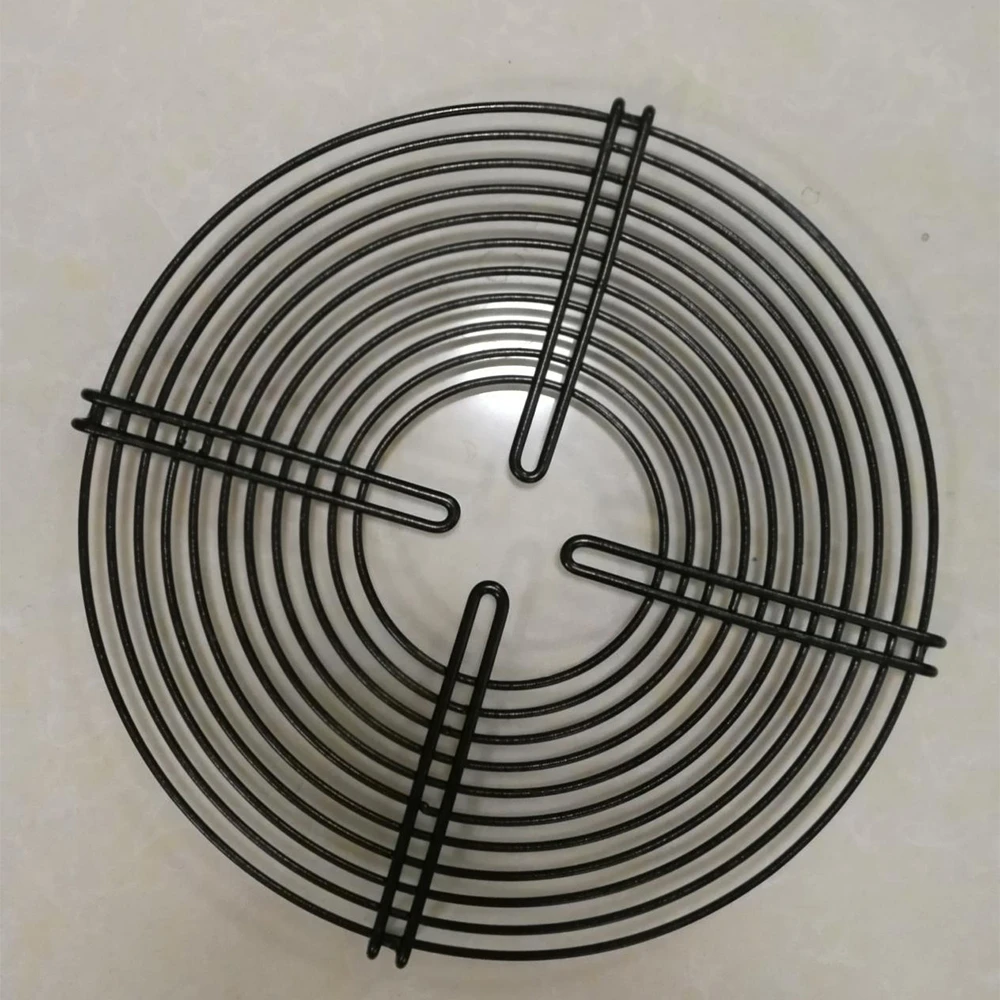
Because welded mesh does not shift like woven wire mesh, it is particularly useful in applications where stability and load resistance are important. Industrial enclosures, filtration systems, machine guards, and architectural structures all benefit from the rigid construction of welded stainless steel mesh.
Performance Advantages of Stainless Steel Welded Mesh Panels in Corrosive Environments
When stainless steel mesh is supplied in rigid panel form, it becomes especially suitable for structural and protective applications. Stainless steel welded mesh panels are widely used in industrial facilities because they provide a strong barrier while maintaining visibility and airflow.
In corrosive environments, these panels offer several practical advantages. Stainless steel naturally forms a thin oxide layer that protects the metal surface from further oxidation. This protective layer is self-healing, meaning that if the surface is scratched or damaged, it can regenerate when exposed to oxygen. As a result, stainless steel mesh panels maintain their corrosion resistance over time without requiring protective coatings.
In industries such as chemical processing, marine engineering, and wastewater treatment, structural components are often exposed to substances that would quickly damage ordinary steel materials. Stainless steel welded mesh panels provide a stable solution that can maintain performance even in these demanding environments.
Flexibility and Fabrication Benefits of Stainless Steel Welded Wire Mesh Rolls
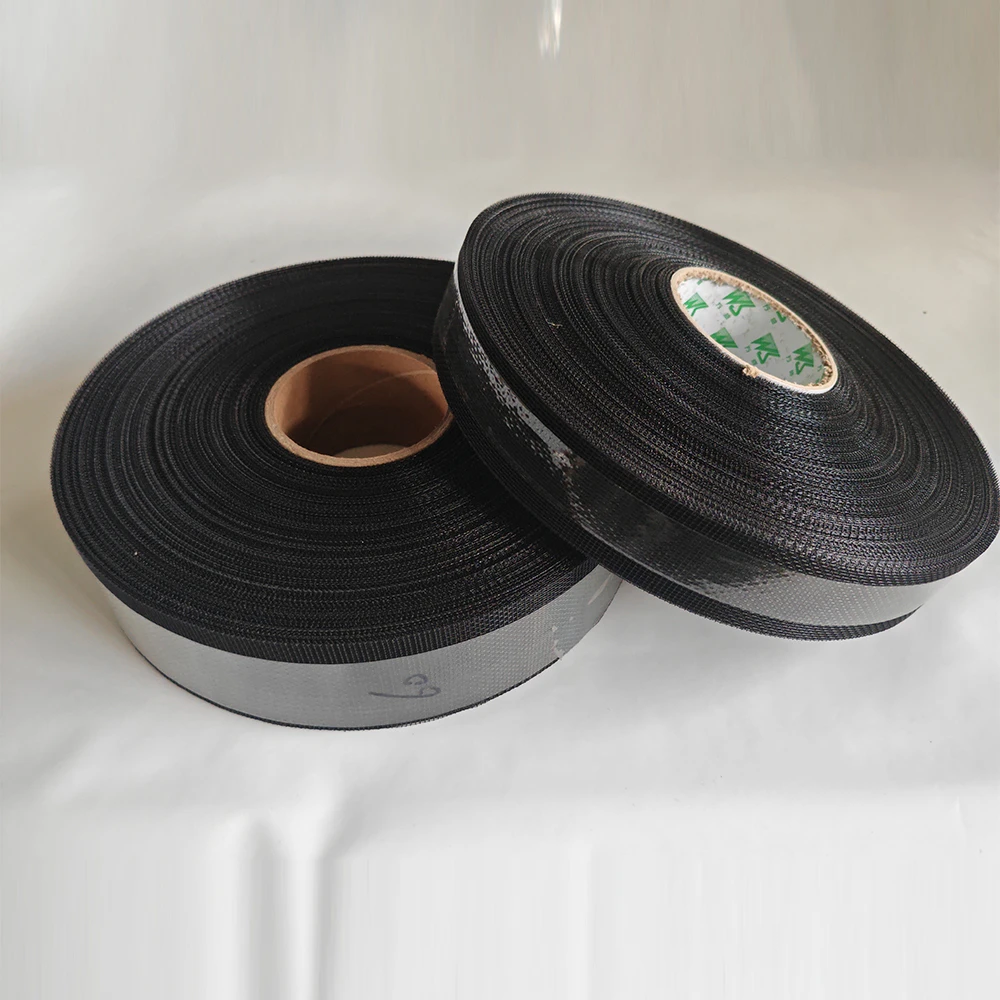
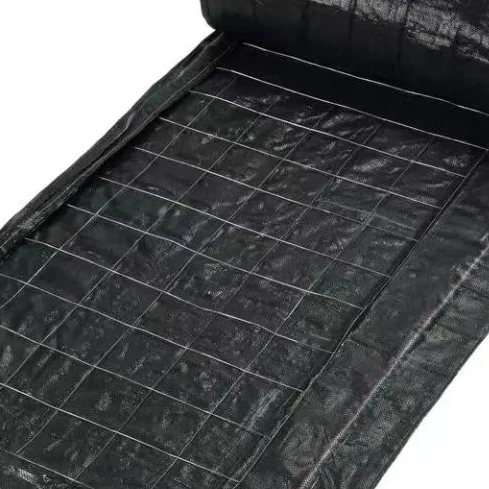
While rigid panels are suitable for many installations, certain projects require more flexibility in fabrication. In these situations, stainless steel welded wire mesh rolls provide an adaptable alternative. Rolls of welded mesh allow manufacturers and engineers to cut, bend, or shape the material according to specific design requirements.
This flexibility is particularly useful in industries where mesh must be integrated into custom equipment or specialized components. Filtration systems, ventilation covers, and protective guards often require mesh to fit irregular shapes or curved surfaces. Mesh supplied in roll form can easily be adjusted to meet these design constraints while maintaining the strength provided by welded intersections.
The roll format also simplifies logistics and inventory management. Because the material can be cut to size when needed, companies can maintain a stock of mesh rolls and fabricate custom pieces without waiting for specially manufactured panels. This reduces production delays and improves operational efficiency.
Comparing MTB SS304 Stainless Steel Welded Wire Mesh with 316 Grade Options
While mtb ss304 stainless steel welded wire mesh is widely used in many industries, it is important to understand how it differs from 316 stainless steel when corrosion resistance is the primary concern. Both materials belong to the austenitic stainless steel family and share many beneficial properties, including good strength, excellent weldability, and reliable resistance to rust under normal conditions.
However, 304 stainless steel does not contain the additional molybdenum element found in 316 stainless steel. As a result, it may be more vulnerable to corrosion in environments containing chlorides or strong chemicals. For indoor applications or dry environments, 304 stainless steel mesh can provide excellent performance and cost efficiency.
When exposure to saltwater, coastal air, or chemical solutions becomes a factor, many engineers prefer to use 316 stainless steel mesh to ensure long-term durability. The improved corrosion resistance of 316 stainless steel can significantly extend the lifespan of the material and reduce maintenance costs over time.
Evaluating Production Quality from Stainless Steel Welded Mesh Manufacturers
Selecting the correct material is only part of the decision-making process. The manufacturing quality of the mesh itself also plays a critical role in its performance. Experienced stainless steel welded mesh manufacturers invest in advanced production equipment and strict quality control procedures to ensure consistent results.
Precision welding equipment ensures that each intersection is securely bonded without weakening the surrounding material. Consistent wire spacing and accurate mesh openings are essential for both structural stability and filtration performance. High-quality manufacturers carefully monitor these factors during production.
Another important aspect of manufacturing quality is material traceability. Reputable manufacturers verify the chemical composition of stainless steel materials before production begins. This ensures that the final mesh product truly meets the required grade specifications.
Reliable manufacturers also perform inspections on finished products to confirm that the mesh meets dimensional standards and structural requirements. These quality control procedures help guarantee that the mesh will perform as expected once installed in industrial environments.
Long-Term Value of Choosing the Right ଷ୍ଟେନଲେସ୍ ଷ୍ଟିଲ୍ ୱେଲ୍ଡେଡ୍ ମେଶ୍
Selecting the appropriate stainless steel welded mesh involves careful consideration of material grade, manufacturing quality, and supplier reliability. In environments where corrosion is a constant threat, choosing 316 stainless steel welded wire mesh can significantly extend the service life of installations and reduce maintenance requirements.
The combination of corrosion resistance, structural strength, and dimensional stability makes stainless steel welded mesh an indispensable material across many industries. Whether used in filtration systems, protective barriers, or industrial infrastructure, welded stainless steel mesh provides dependable performance even in demanding conditions.
By understanding the differences between stainless steel grades and evaluating the capabilities of manufacturers and suppliers, engineers and buyers can make informed decisions that ensure both durability and long-term efficiency. Proper selection not only protects equipment and structures from corrosion but also contributes to the overall reliability and sustainability of industrial operations.