In the construction and plastering industry, metal lath plays a crucial role in providing a stable base for plaster, stucco, and concrete applications. Among the various types available, galvanized rib lath stands out as a durable and reliable choice. With its reinforced structure and corrosion-resistant coating, it is widely used in both residential and commercial projects.
This article explores everything you need to know about رِب لَٿ, including رِب لَٿ ميش, flat rib lath، ۽ flat rib metal lath. We will cover their features, applications, advantages, and how to choose the right type for your project.
Understanding Rib Lath and Its Structure
What Is Rib Lath?
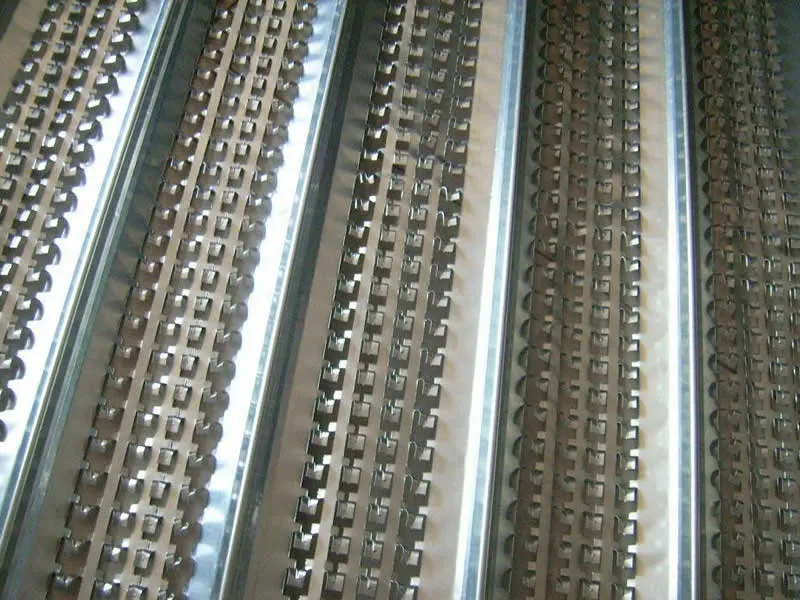
Rib lath is a type of expanded metal lath that features V-shaped ribs running along its surface. These ribs provide additional strength and rigidity compared to standard metal lath, making it ideal for supporting heavier plaster or stucco layers.
The unique design of رِب لَٿ ميش allows it to hold plaster securely while minimizing cracking and deformation. It acts as a reinforcement layer that improves the bonding of materials and enhances the overall durability of the structure.
Features of Galvanized Rib Lath
Galvanized rib lath is manufactured by coating steel with a layer of zinc, which protects it from rust and corrosion. This makes it suitable for both interior and exterior applications.
Key features include:
High tensile strength and rigidity
Easy handling and installation
Excellent plaster adhesion
Because of these characteristics, galvanized rib lath is often preferred in environments exposed to moisture or harsh weather conditions.
Rib Lath Mesh Design
The structure of رِب لَٿ ميش consists of expanded metal sheets with evenly spaced ribs. These ribs act as reinforcement beams, allowing the mesh to span larger distances without sagging.
Benefits of rib lath mesh design:
Reduces the need for additional support framing
Improves load distribution
Enhances crack resistance
This makes رِب لَٿ ميش especially useful in ceilings, walls, and partitions where structural stability is essential.
Types of Rib Lath: Flat and Reinforced Options
Different construction needs require different types of lath. Two commonly used variations are flat rib lath and flat rib metal lath, each offering specific advantages.
Flat Rib Lath
Flat rib lath is a lighter version of traditional rib lath. While it still features reinforcing ribs, they are less pronounced, making the material more flexible and easier to handle.
Characteristics:
Suitable for smaller surfaces
Cost-effective option
Moderate strength and support
درخواستون:
Interior plastering
Decorative finishes
Light-duty construction
Flat Rib Metal Lath
Flat rib metal lath combines the advantages of flat design with the durability of metal construction. It is widely used in modern building systems for its balance of strength and flexibility.
Key benefits:
Uniform surface for smooth plaster application
Improved bonding compared to plain lath
Easy cutting and shaping
Flat rib metal lath is often used in:
Wall rendering
Ceiling systems
Renovation projects
Its versatility makes flat rib metal lath a popular choice for contractors looking for reliable and efficient materials.
Applications, Advantages, and Installation Tips
Common Applications of Rib Lath
Both galvanized rib lath and رِب لَٿ ميش are used in a wide range of construction scenarios:
- Wall Plastering
Provides a strong base for thick plaster layers, reducing cracks and improving durability. - Ceiling Systems
Supports suspended or decorative ceilings with enhanced stability. - Stucco Reinforcement
Ensures proper adhesion and prevents material separation.
Advantages of Using Rib Lath
Choosing رِب لَٿ or flat rib metal lath offers several benefits:
Strength and Stability
The ribbed design increases load-bearing capacity, making it suitable for demanding applications.
سنکنرن جي مزاحمت
With galvanized rib lath, the zinc coating protects against rust, extending the lifespan of the material.
Improved Plaster Adhesion
The mesh structure of رِب لَٿ ميش creates a strong bond between the lath and plaster.
Cost Efficiency
Durability and reduced maintenance make these materials cost-effective over time.
Installation Tips for Best Results
Proper installation is essential to maximize the performance of flat rib lath and رِب لَٿ ميش.
- Surface Preparation
Ensure the substrate is clean and free from dust, तेल, or loose सामग्री. - Proper Fixing
Secure the lath using appropriate fasteners such as nails, screws, or वायर ties. Maintain consistent spacing. - Overlapping Sheets
Overlap adjacent sheets of رِب لَٿ ميشto ensure continuity and strength. - Orientation Matters
Install ribs in the correct direction (usually vertical) to maximize support. - Apply Plaster Evenly
Ensure the plaster is applied uniformly to avoid weak spots or cracks.
Galvanized rib lath is an essential material in modern construction, offering strength, durability, and excellent plaster support. Whether you choose رِب لَٿ ميش for heavy-duty applications or flat rib lath and flat rib metal lath for lighter projects, each option provides unique benefits tailored to specific needs.
By understanding the differences between these materials and following proper installation practices, you can achieve long-lasting, high-quality results in your construction projects. Investing in the right type of رِب لَٿ not only improves structural integrity but also enhances the overall performance and appearance of your finished surfaces.