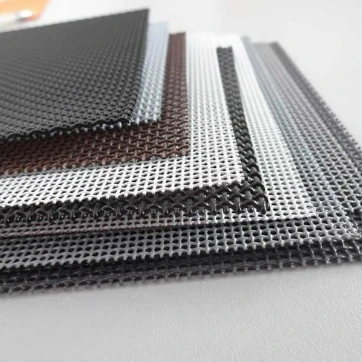
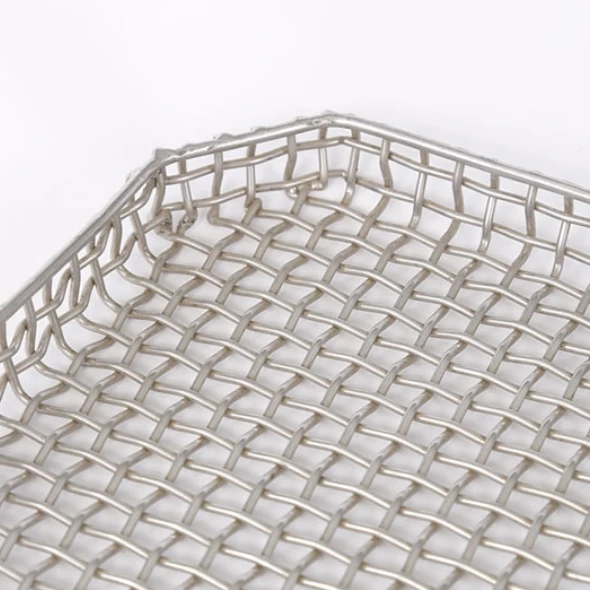
Drôt z nehrdzavejúcej ocele is a versatile and essential material used in a wide range of industrial, commercial, and domestic applications. Known for its corrosion resistance, strength, and flexibility, stainless steel wire plays a critical role in manufacturing, construction, and everyday products. From precision engineering components to household fencing, stainless steel wire provides reliability in harsh environments and long-lasting performance.
Various forms of this material are available, including stainless steel wire coil, stainless steel MIG wirea stainless steel flux core wire, each designed for specific applications. Choosing the right type of wire depends on its intended use, mechanical requirements, and environmental exposure.
Types and Forms of Stainless Steel Wire
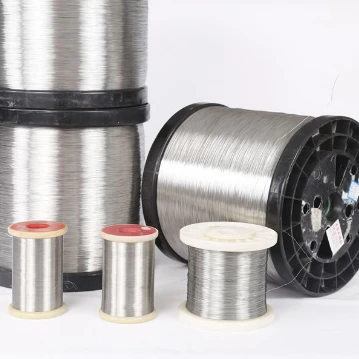
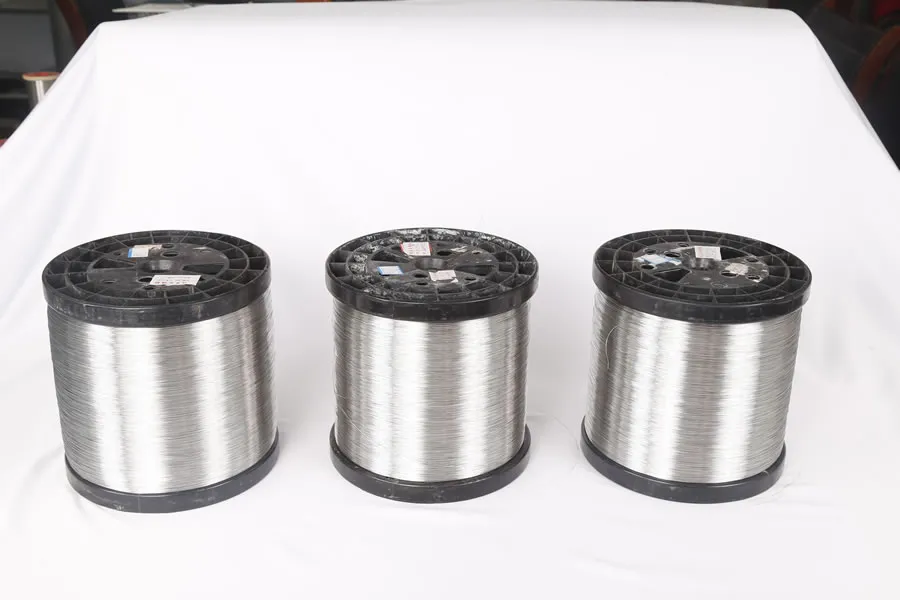
The production of stainless wire involves drawing stainless steel rods through dies to reduce their diameter and produce wires with uniform properties. Depending on the application, wires may be finished in coils, straightened, or cut to specific lengths. The most common forms include:
- Stainless Steel Wire Coil
A stainless steel wire coil is a continuous length of wire wound into a roll, which makes it convenient for industrial and manufacturing use. Coils are widely used in automated machinery, spring production, and wire forming processes. The coiled form allows easy handling, efficient storage, and seamless integration into automated production lines.
- Stainless Steel MIG Wire
Stainless steel MIG wire is used in metal inert gas (MIG) welding applications. This type of stainless steel welding wire provides excellent weld quality, corrosion resistance, and mechanical strength. MIG wires are typically available in solid or flux-cored forms. They are essential in industries where stainless steel fabrication requires strong, precise welds, such as in chemical plants, food processing equipment, and shipbuilding.
- Stainless Steel Flux Core Wire
Stainless steel flux core wire is designed for welding applications where shielding gas may not be used. The flux within the wire protects the molten weld from contamination and ensures a clean, strong joint. This wire type is highly valued in construction, heavy industry, and maintenance tasks, where conditions may prevent the use of traditional gas-shielded welding.
Other common forms include stainless wire for general manufacturing, stainless steel chicken wire for fencing, and steel wire used in both structural and decorative applications. Each type offers unique advantages depending on mechanical requirements, exposure to corrosive environments, or fabrication needs.
Applications of Stainless Steel Wire
Drôt z nehrdzavejúcej ocele is widely used across multiple industries because of its exceptional corrosion resistance, strength, and flexibility. Its applications can be divided into several categories:
- Industrial and Manufacturing Uses
In industrial applications, stainless steel MIG wire and stainless steel flux core wire are widely used for welding stainless steel components. These wires enable the fabrication of machinery, pipelines, tanks, and structural frameworks that must withstand high stress, chemical exposure, and extreme temperatures.
Stainless steel wire coil is frequently used in spring production, fasteners, and wire forming applications. It allows manufacturers to create precision components for automotive, aerospace, and electronic industries.
- Construction and Infrastructure
Steel wire and stainless wire are essential in construction applications. From reinforcement in concrete to fencing and protective barriers, stainless steel wire provides durability and resistance to weathering. Stainless steel chicken wire is commonly used for poultry enclosures, garden protection, and small-scale fencing where corrosion resistance is critical.
- Consumer and Household Products
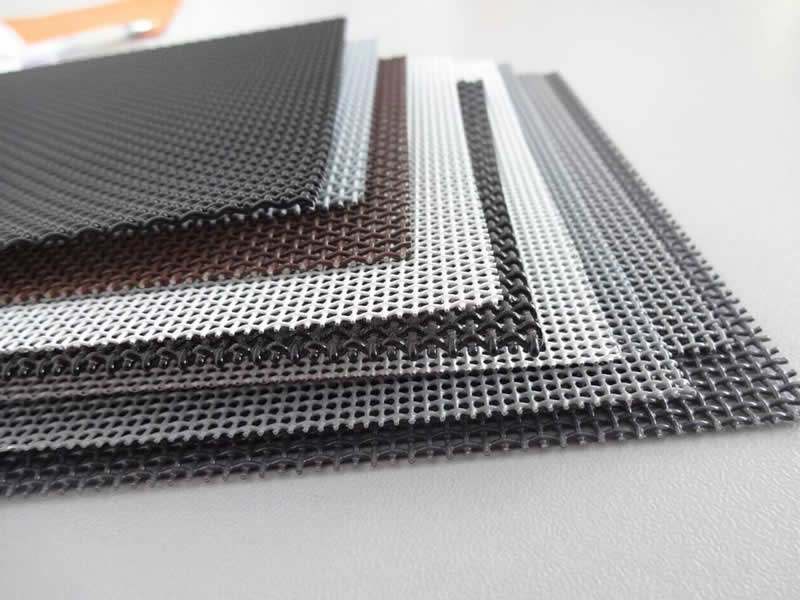
In household and commercial environments, stainless steel wire is used in items such as mesh screens, cable assemblies, and decorative products. Its non-corrosive properties make it ideal for kitchens, bathrooms, and outdoor applications.
Advantages and Performance Characteristics
The widespread use of stainless steel wire is due to its superior mechanical and chemical properties. Key advantages include:
Odolnosť proti korózii – Stainless steel resists oxidation and rust, making it ideal for exposure to moisture, chemicals, and harsh environments.
Vysoká pevnosť – Stainless steel wire can handle mechanical loads and stress, making it suitable for structural applications.
Flexibility and Formability – The wire can be drawn, coiled, or shaped into springs, meshes, or other components without compromising its integrity.
Trvanlivosť – Long service life reduces maintenance costs and replacement frequency.
Aesthetic Appeal – The polished surface and clean appearance of stainless steel wire make it suitable for visible applications in consumer goods and architecture.
Each type of stainless steel wire offers specific advantages depending on its intended use. For example, stainless steel MIG wire ensures strong and clean welds, while stainless steel chicken wire provides lightweight but durable fencing. Stainless steel flux core wire allows welding in challenging environments where gas shielding is unavailable.
Drôt z nehrdzavejúcej ocele and its various forms, including stainless steel wire coil, stainless steel MIG wire, stainless steel welding wirea stainless steel flux core wire, are integral to modern manufacturing, construction, and consumer applications. Their combination of strength, corrosion resistance, and flexibility makes them indispensable in industrial production and everyday life.
From steel wire used in structural applications to stainless steel chicken wire for fencing, stainless steel wire offers versatile solutions that meet a wide range of engineering and functional requirements. Its continued innovation and adoption in multiple sectors highlight its importance as a material that provides reliability, durability, and long-term value across industries.