Hua Mata Waea

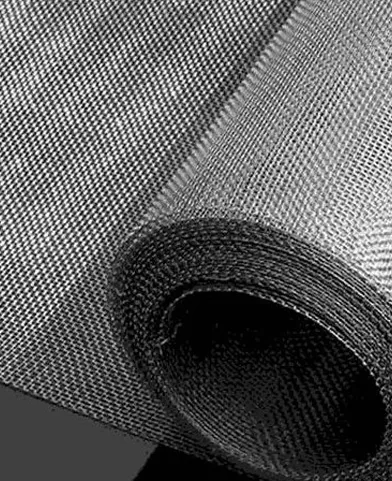
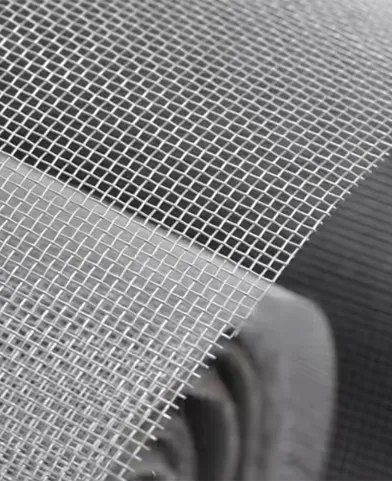
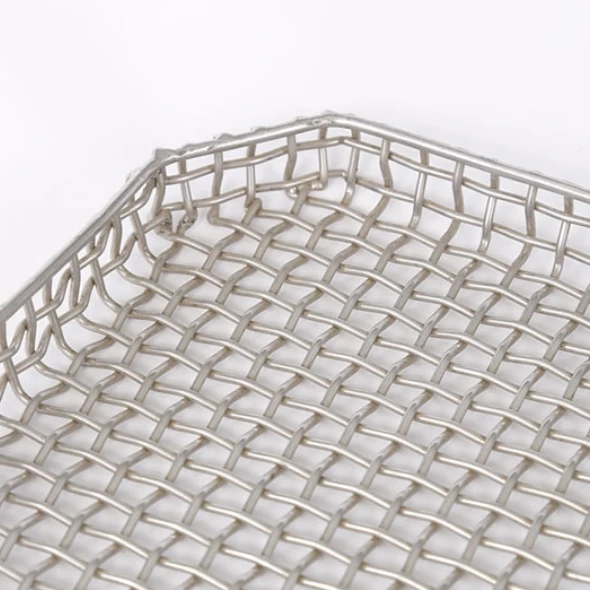
Wire mesh products are made from highly adaptable materials, which involve interweaving or welding metal wires into a grid-like pattern. Commonly manufactured from stainless steel, galvanized steel, aluminum, or copper, our wire mesh for sale offers strength, durability, and corrosion resistance, making it ideal for both industrial and commercial use. These wire mesh products are widely applied in construction, agriculture, mining, filtration, fencing, and security systems. In architecture, customized wire mesh is used for decorative panels, façades, and ceilings, offering both functionality and aesthetic appeal.


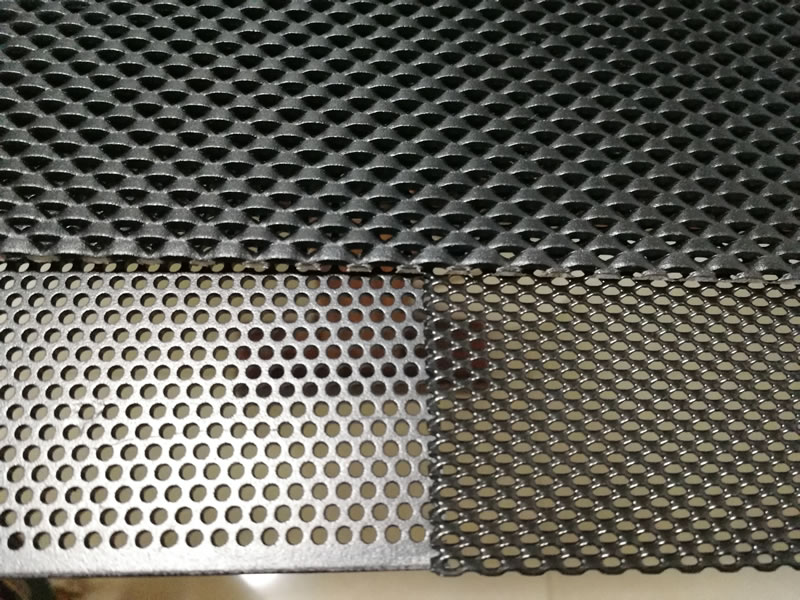
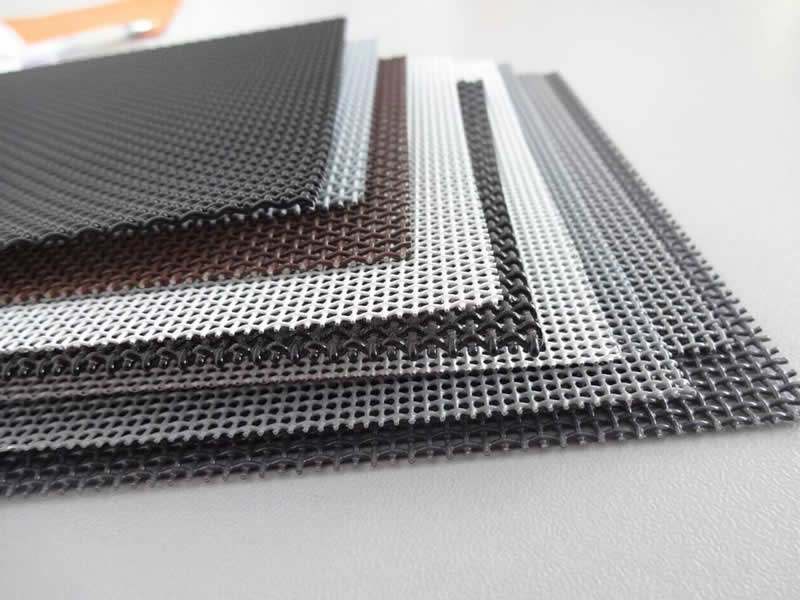
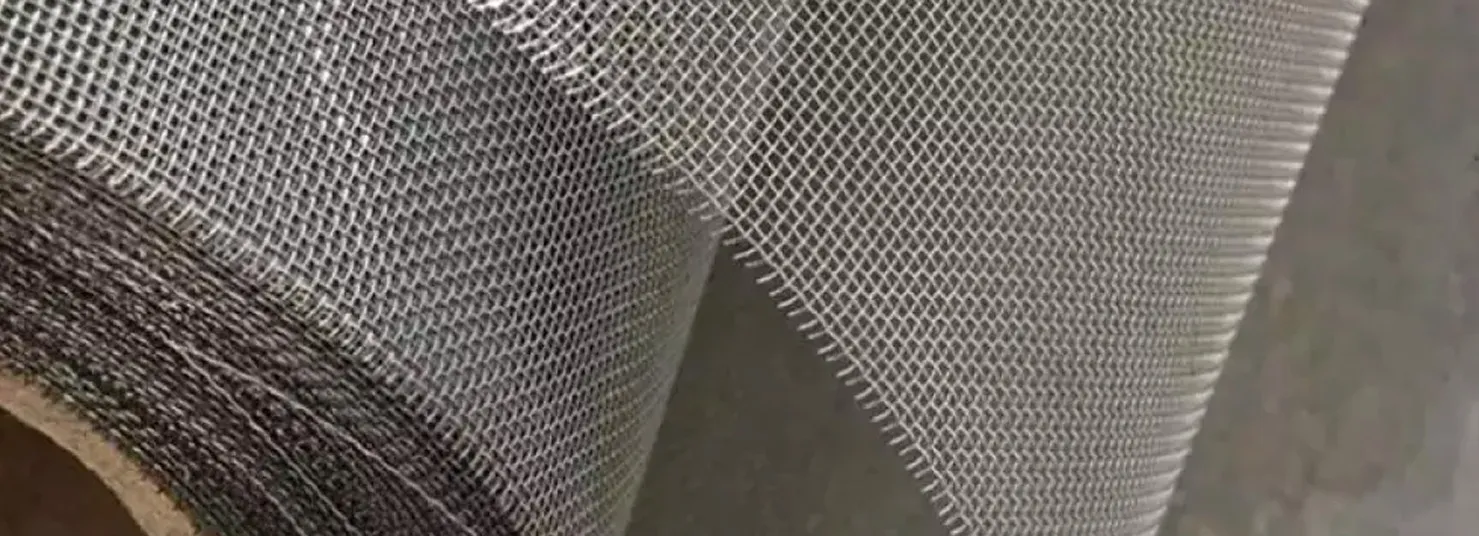
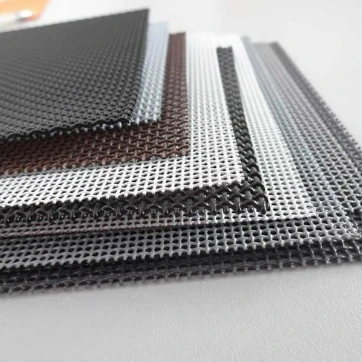
In industries like food processing and chemical production, wire mesh use as filters, sieves, and conveyor belts due to its sanitary and heat-resistant properties. Wire mesh types are various, including steel woven mesh, kowiri tira mata paiherea, expanded mesh, a perforated steel sheet styles, each suited to specific tasks. Customization options in stainless screen mesh sizes, wire mesh dimension, and wire mesh material type ensure that wire mesh products meet diverse project requirements. Overall, wire mesh products are valued for their versatility, ease of installation, and long-lasting performance in demanding environments.

TE WAERE MESH DIMENSION


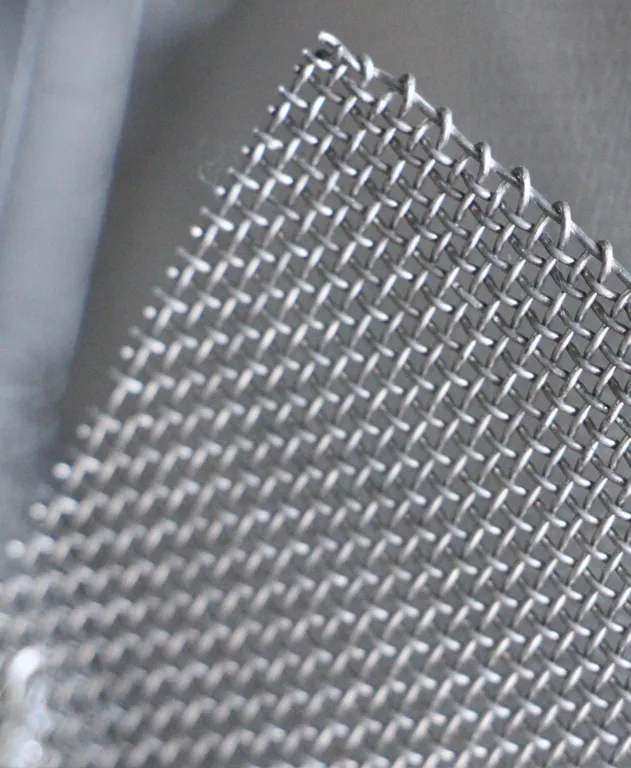
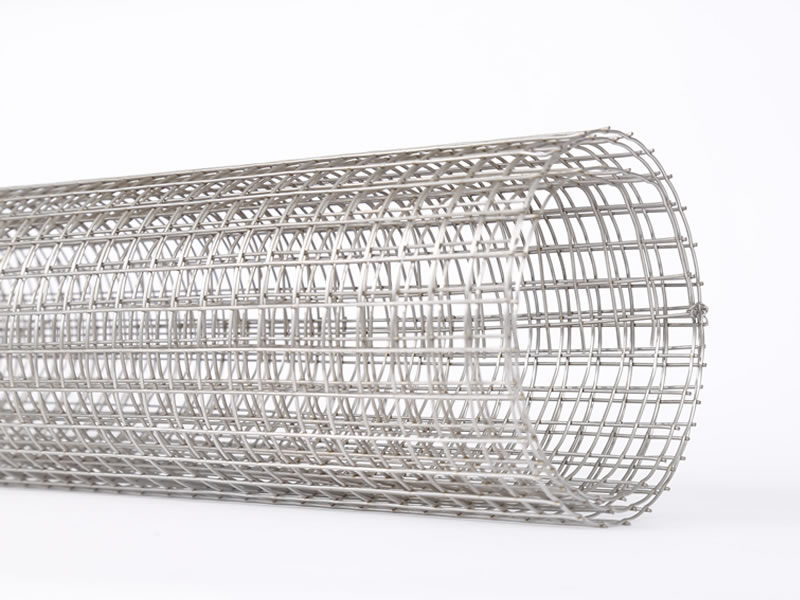
Wire mesh dimension refers to the specific measurements that define the size and structure of the mesh. This includes the mesh size (the number of openings per inch), wire mesh dimension (thickness of the wire), and overall sheet or roll size (length and width). These dimensions determine the mesh’s strength, filtration capability, and suitability for different applications. Accurate dimension selection is crucial for ensuring the wire mesh meets the requirements of industries such as construction, filtration, and agriculture. Custom wire mesh sizes are often available to match specific wire mesh design project needs.


MATERIAL MESH WIRE

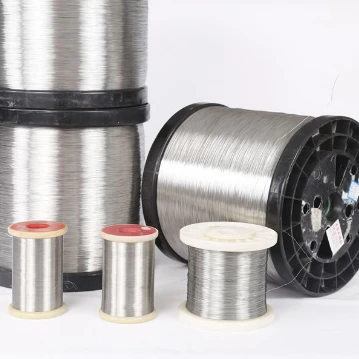
Ko te waea waea he mea hanga mai i nga momo taonga i runga ano i tana whakamahinga. Ko nga mea noa ko te kowiri tira, te rino piauau, te maitai waro, te konumohe, me te parahi. He mea rongonui te kowiri tira mo te aukati me te kaha o te waikura, he pai mo te tātari me nga tono ahumahi. Ko te rino piauau he whakamarumaru waikura ka whakamahia ki waho. He maamaa te konumohe me te aukati ki te pirau, he pai mo nga whakamahinga whakapaipai. Ka pa ki ia rauemi te mauroa o te mata, te ngawari, me te utu, na reira ko te whiriwhiri i te mea tika he mea nui i runga i te taiao me te mahi.


NGA HUA WAEWAE MAHI

  • 1 Te mauroa

    He mea hanga mai i nga rawa kaha e mau ana i te kakahu, te waikura, me nga taiao kino.
  • 2 Te whai kiko

    Ka whakamahia i roto i nga momo ahumahi tae atu ki te hangahanga, te tātari, te ahuwhenua, me te haumaru.
  • 3 Rahi Whakaritea

    E waatea ana i roto i nga rahi mata rereke, nga diameter waea, me nga rauemi hei whakatutuki i nga hiahia motuhake.
  • 4 Rererangi pai me te Tirohanga

    Whakaaetia te pai o te hau me te tirohanga i te wa e whakarato ana i te whakamarumaru, i te tātari ranei.
  • 5 He ngawari te whakauru me te tiaki

    He maama me te ngawari ki te whakauru, ki te horoi me te tiaki.
  • 6 Utu-Painga Rongoa

    Ka whakarato i te waa roa me te utu utu mo nga tono maha.

KAUPAPA KAUPAPA KAUPAPA

Mena kei te pirangi koe ki a maatau hua, ka taea e koe te kowhiri ki te waiho i o korero ki konei, a ka tata tonu te korero ki a koe.