Na Huahana Uea Uea

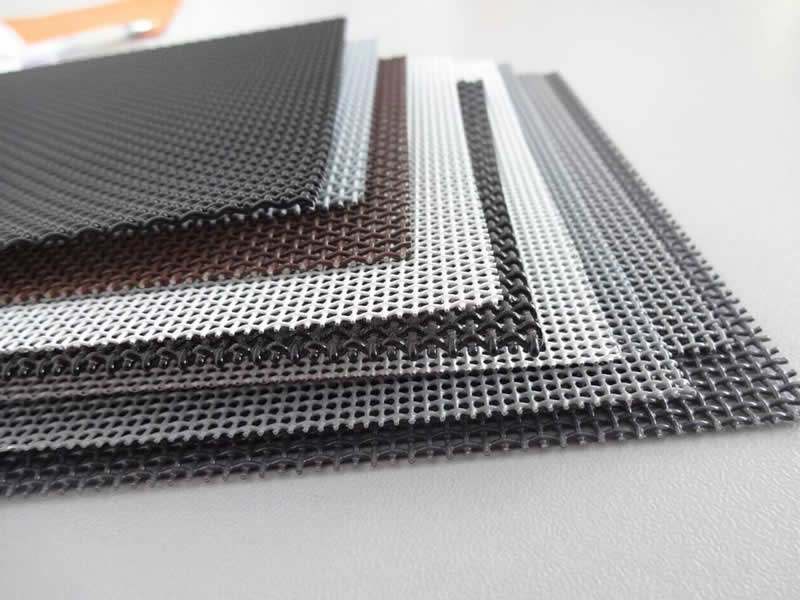
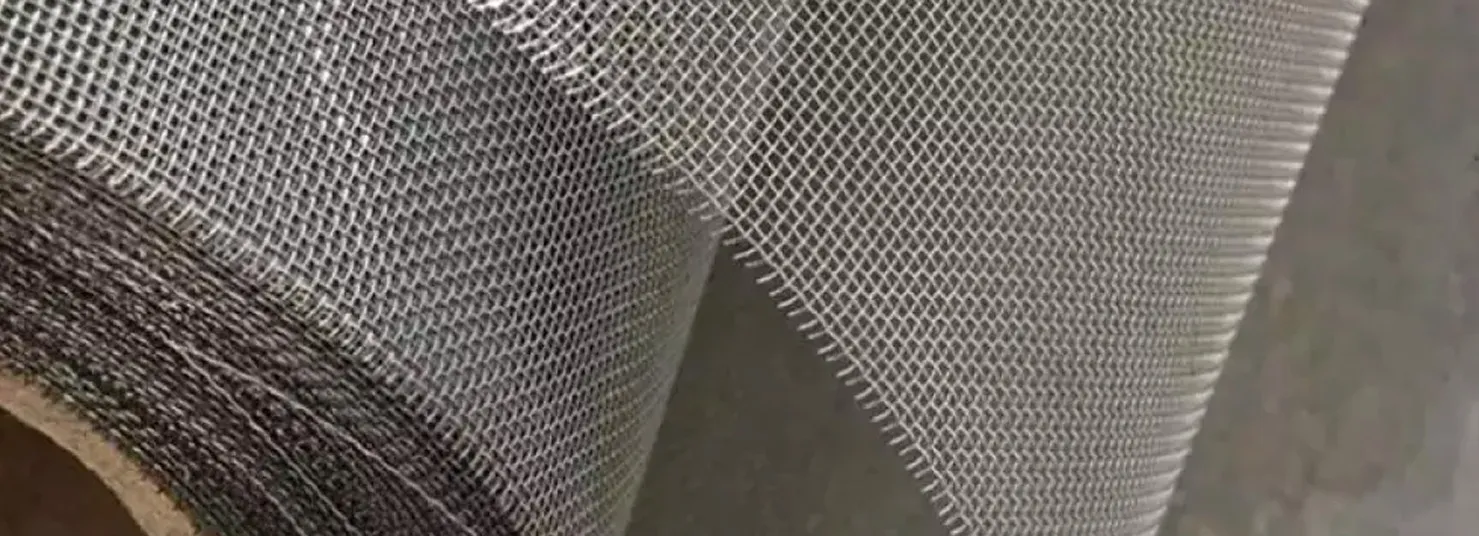
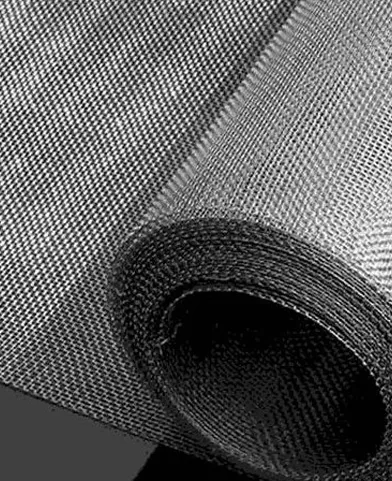
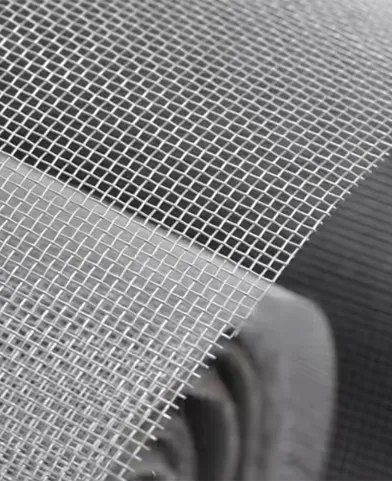
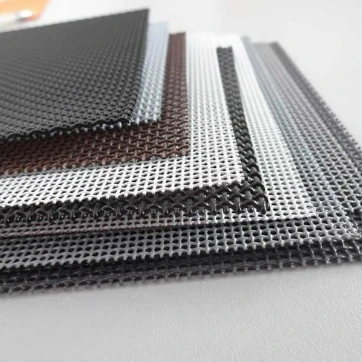
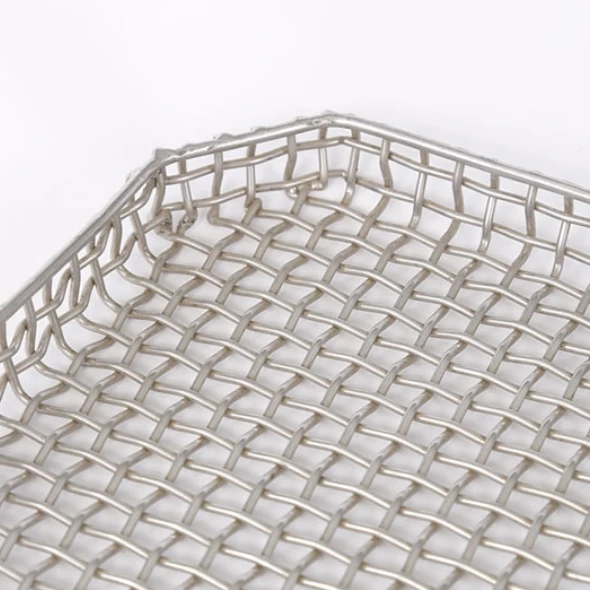
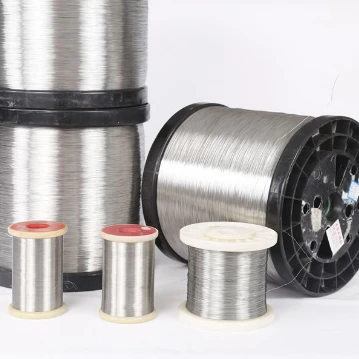
Wire mesh products are made from highly adaptable materials, which involve interweaving or welding metal wires into a grid-like pattern. Commonly manufactured from stainless steel, galvanized steel, aluminum, or copper, our wire mesh for sale offers strength, durability, and corrosion resistance, making it ideal for both industrial and commercial use. These wire mesh products are widely applied in construction, agriculture, mining, filtration, fencing, and security systems. In architecture, customized wire mesh is used for decorative panels, façades, and ceilings, offering both functionality and aesthetic appeal.


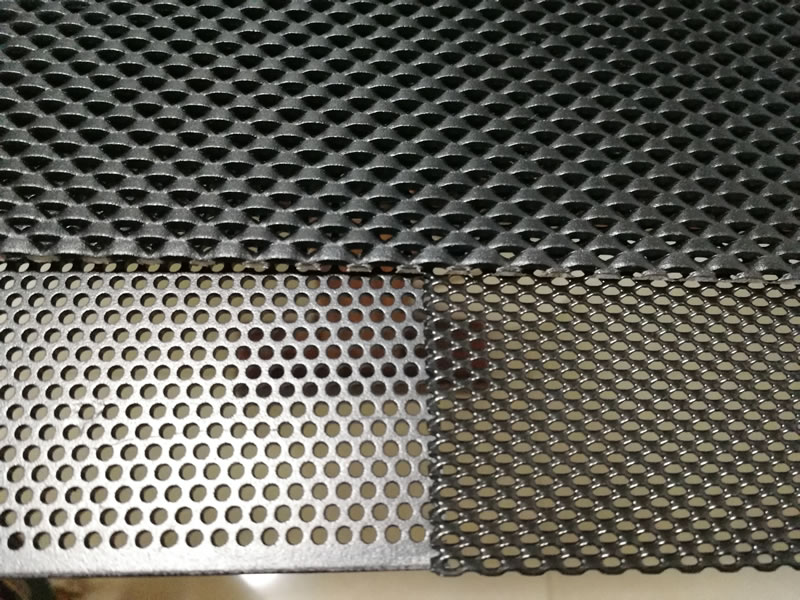
In industries like food processing and chemical production, wire mesh use as filters, sieves, and conveyor belts due to its sanitary and heat-resistant properties. Wire mesh types are various, including steel woven mesh, mesh wiliwili ʻia, expanded mesh, a perforated steel sheet styles, each suited to specific tasks. Customization options in stainless screen mesh sizes, wire mesh dimension, and wire mesh material type ensure that wire mesh products meet diverse project requirements. Overall, wire mesh products are valued for their versatility, ease of installation, and long-lasting performance in demanding environments.

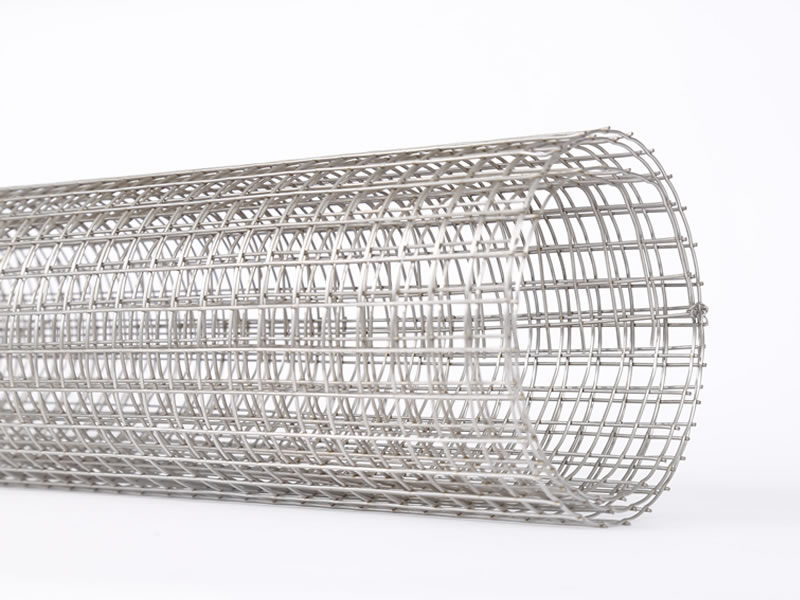
NANA UAWAI


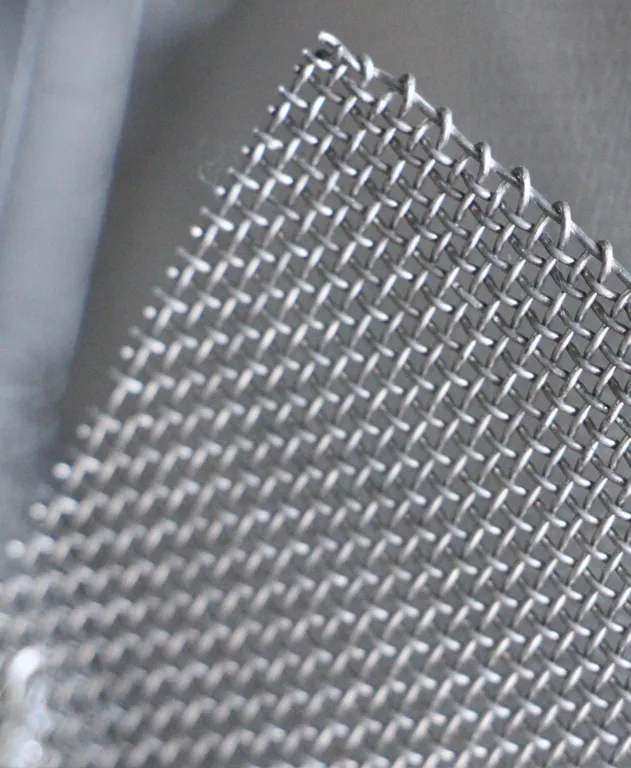
Wire mesh dimension refers to the specific measurements that define the size and structure of the mesh. This includes the mesh size (the number of openings per inch), wire mesh dimension (thickness of the wire), and overall sheet or roll size (length and width). These dimensions determine the mesh’s strength, filtration capability, and suitability for different applications. Accurate dimension selection is crucial for ensuring the wire mesh meets the requirements of industries such as construction, filtration, and agriculture. Custom wire mesh sizes are often available to match specific wire mesh design project needs.


NA MEA UEA MESH

Hana ʻia ʻo Wire mesh mai nā ʻano mea like ʻole e pili ana i kona hoʻohana ʻana. ʻO nā mea maʻamau e pili ana i ke kila kila, ke kila galvanized, ke kila kalapona, ka aluminika, a me ke keleawe. He mea kaulana ke kila kila no kona pale ʻana i ka corrosion a me ka ikaika, kūpono no ka kānana a me nā noi ʻoihana. Hāʻawi ke kila Galvanized i ka pale ʻōpala a hoʻohana ʻia ma waho. He māmā ka alumini a kū i ka corrosion, kūpono no ka hoʻohana ʻana i nā mea hoʻonaninani. Hoʻopili kēlā me kēia mea i ka lōʻihi o ka mesh, hiki ke maʻalahi a me ke kumukūʻai, no laila pono ke koho ʻana i ka mea kūpono e pili ana i ke kaiapuni a me ka hana.


KA POMAIKAI O NA WAIWAI MESH

  • 1 Ka lōʻihi

    Hana ʻia mai nā mea ikaika e kū i ka ʻaʻahu, ka ʻino, a me nā kaiapuni paʻakikī.
  • 2 ʻAno ʻano

    Hoʻohana ʻia i nā ʻoihana like ʻole me ke kūkulu ʻana, kānana, mahiʻai, a me ka palekana.
  • 3 Nā Nui hiki ke hoʻopilikino ʻia

    Loaʻa i nā nui mesh like ʻole, nā anawaena uea, a me nā mea e hoʻokō ai i nā pono kikoʻī.
  • 4 Maikaʻi ka ea a me ka ʻike

    Hāʻawi i ka ventila maikaʻi a me ka ʻike ʻoiai e hāʻawi ana i ka pale a i ʻole kānana.
  • 5 Hoʻokomo maʻalahi a mālama

    Māmā a maʻalahi e hoʻokomo, hoʻomaʻemaʻe, a mālama.
  • 6 Hoʻoponopono Kūʻai Kūʻai

    Hāʻawi i kahi koho lōʻihi a kūpono no nā noi he nui.

E hui pū me kā mākou Nūpepa

Inā makemake ʻoe i kā mākou huahana, hiki iā ʻoe ke koho e waiho i kāu ʻike ma aneʻi, a e hoʻopili koke mākou iā ʻoe.