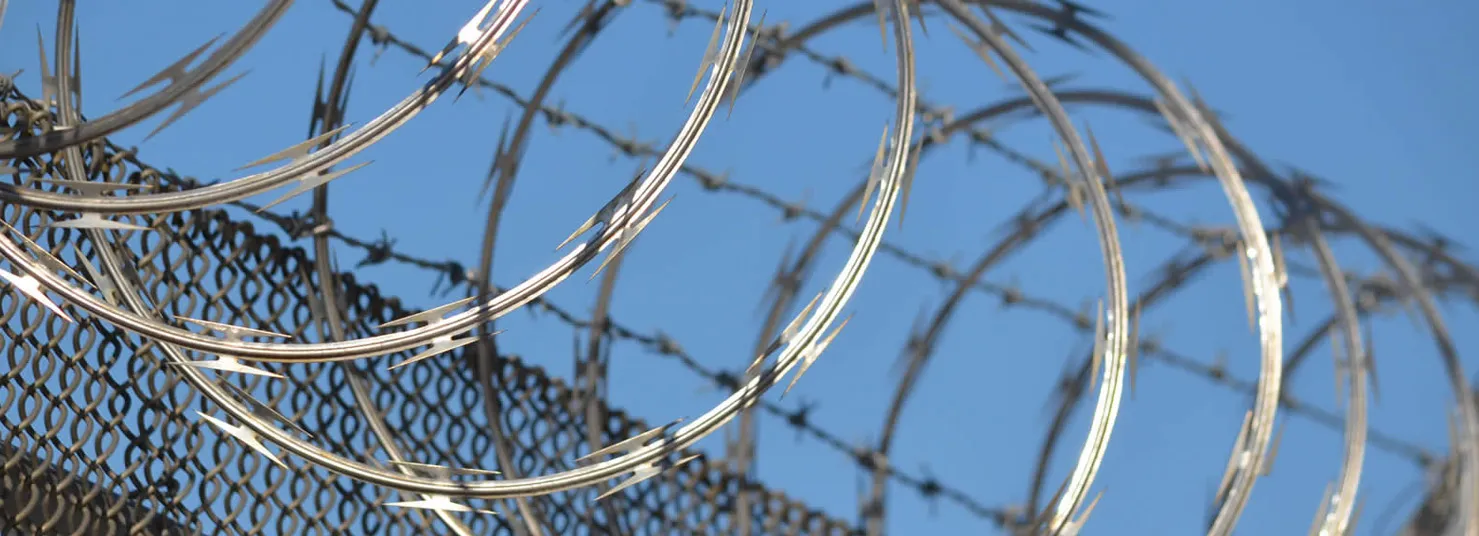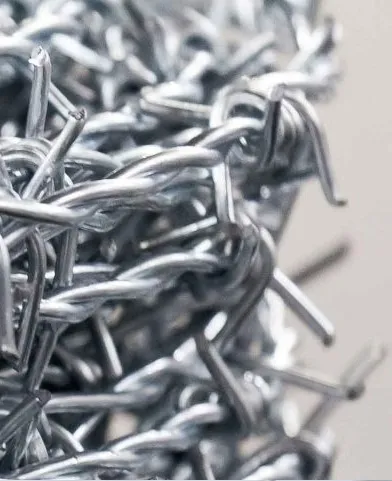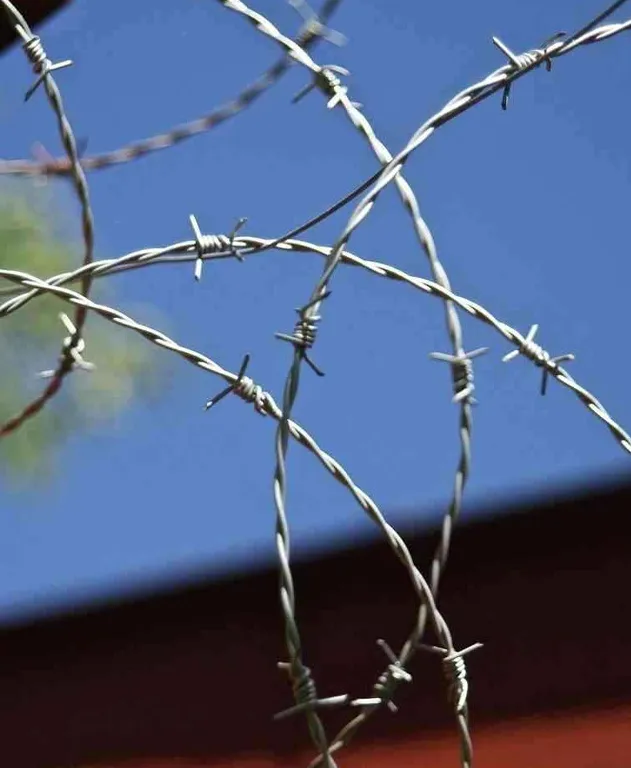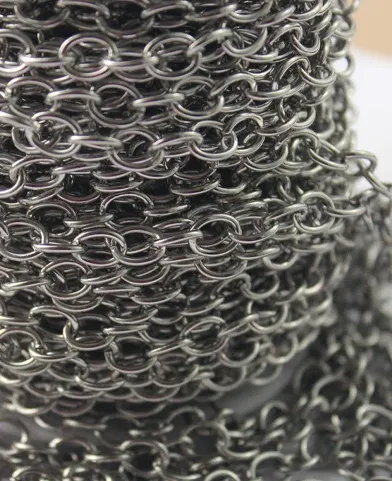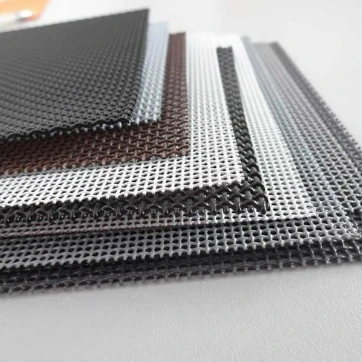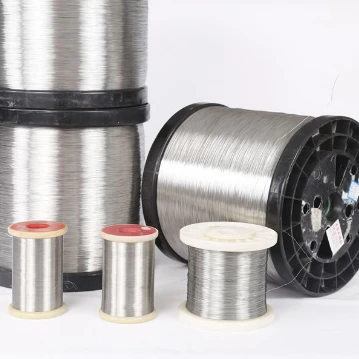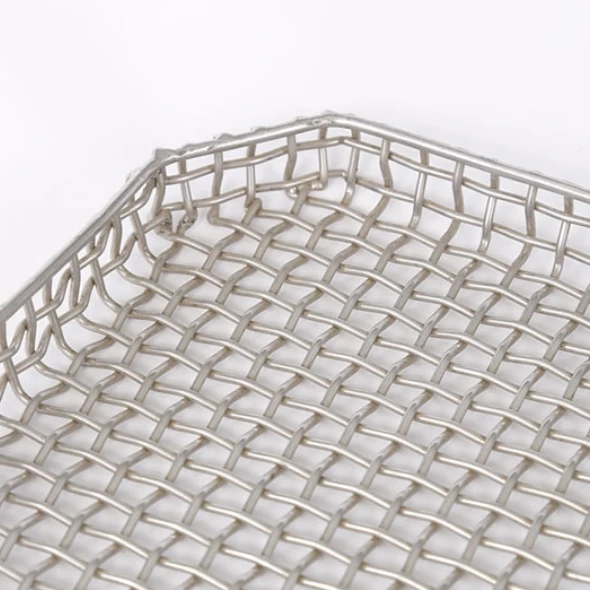
Metal wire is a thin, flexible strand made from metals such as copper, aluminum, steel, or nickel. It is commonly used in various industries due to its excellent electrical conductivity, strength, and durability. Wire with metal casing can be solid or stranded, coated or bare, and is available in a wide range of diameters to suit specific applications. It plays a crucial role in electrical wiring, construction, manufacturing, telecommunications, and even jewelry making. Depending on the metal used, metal wire products may offer resistance to corrosion, high tensile strength, or heat tolerance. Metal wire is often produced through processes like drawing and annealing to achieve desired flexibility and performance.
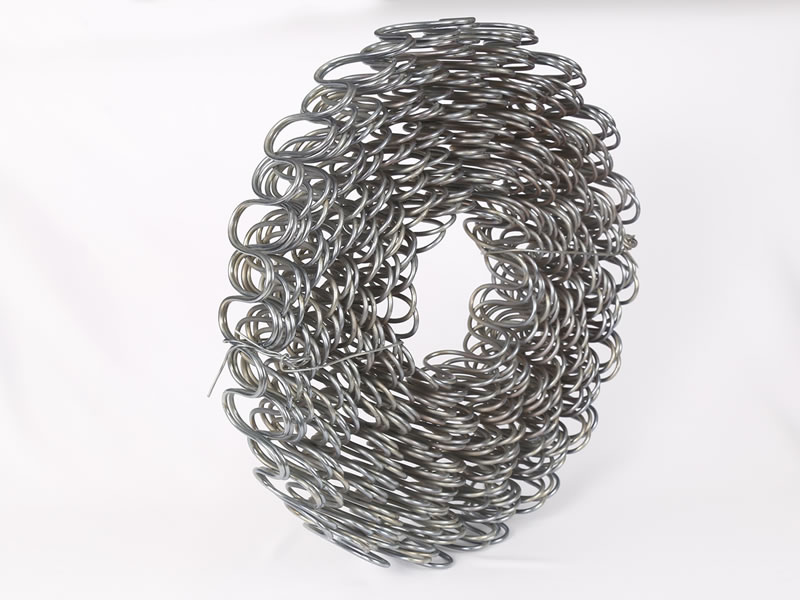
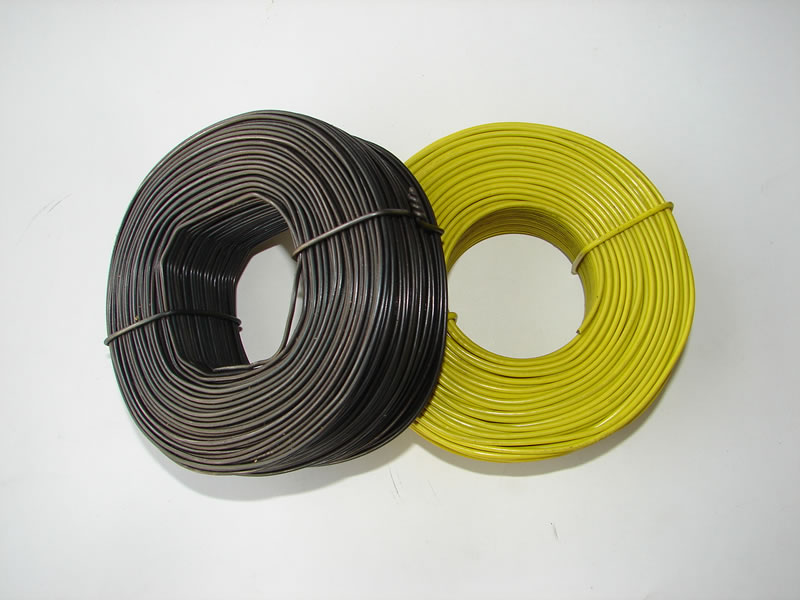
He aha ka Uea Metala i hoʻohana ʻia no

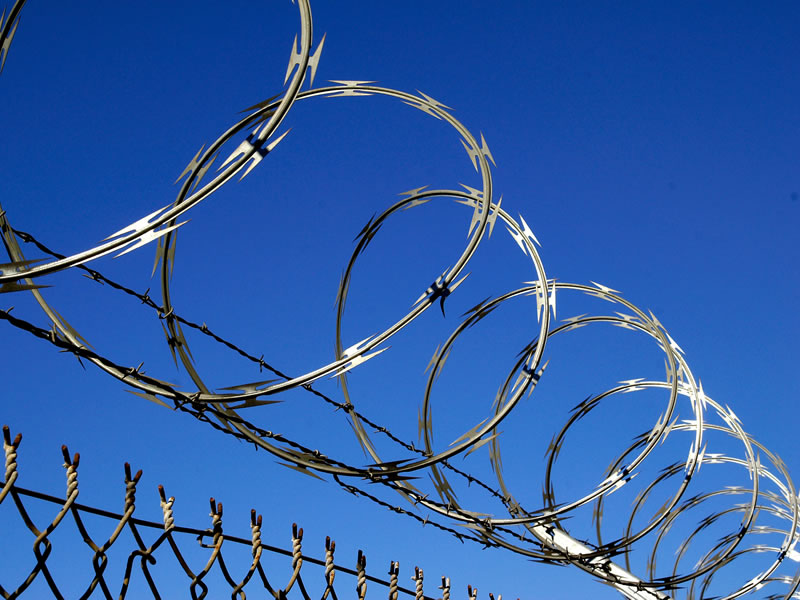
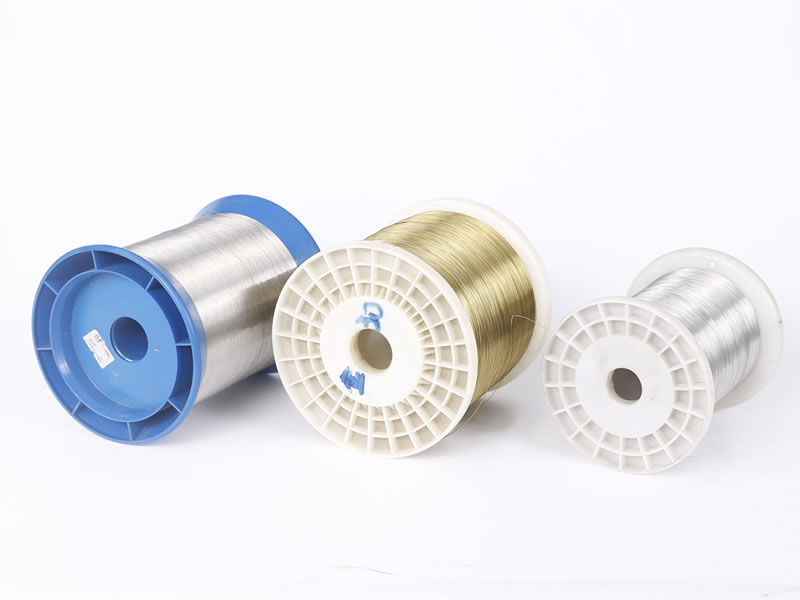
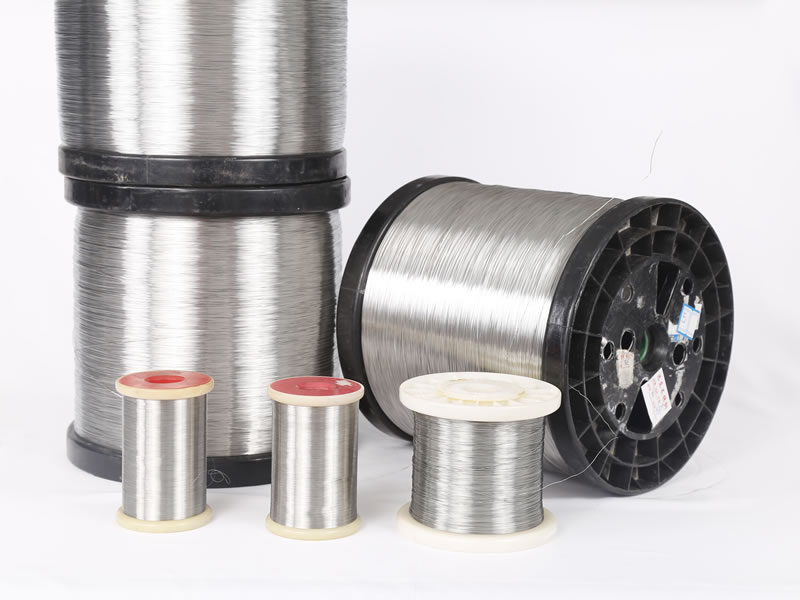
Metal wire is widely used in construction, manufacturing, electronics, and agriculture. It serves purposes such as electrical conductivity, structural reinforcement, fencing, binding, and forming mesh products. Depending on the types of metal wire—like stainless steel welding wire, copper clad stainless steel wire, or aluminum wire—metal wire can be flexible or rigid, making it suitable for diverse industrial and commercial applications.


Is Metal Clad Wire Strong

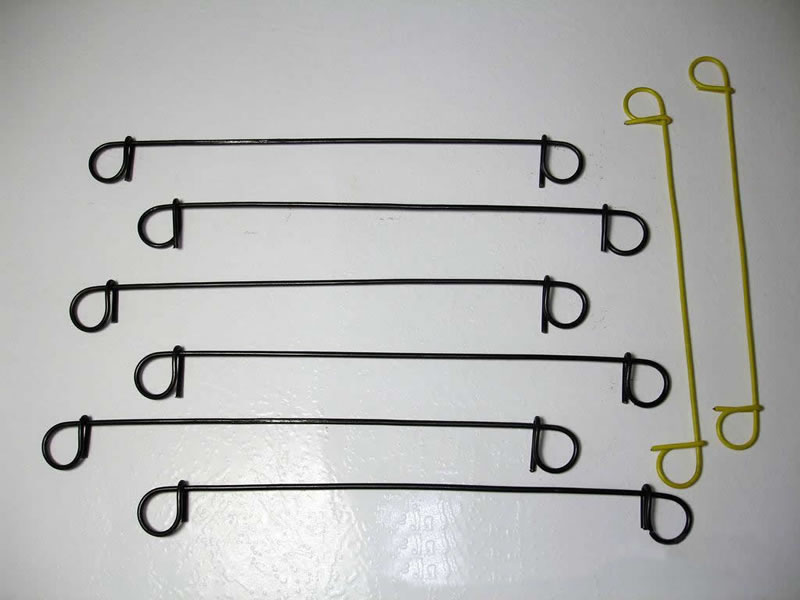
Yes, Metal Clad Wire can be very strong, depending on the type of metal used, its diameter, and how it’s processed. For example, steel wire fittings—especially high-carbon or stainless steel—is known for its excellent tensile strength and durability, making it ideal for heavy-duty applications like construction reinforcement, suspension bridges, and fencing. On the other hand, metals like copper or aluminum are softer and more flexible, which makes them less strong but better suited for electric tie wire and applications requiring malleability.


Pono o ka Uea Metala

  • 1 Ikaika Kiekie

    Hāʻawi ka uea metala i ka ikaika tensile maikaʻi loa, no ka hoʻohana ʻana i ka hana a me ka ʻoihana.
  • 2 Ka lōʻihi

    Kūʻē ʻo ia i ka ʻaʻahu, ka hopena, a me nā kūlana kaiapuni, ʻoi aku hoʻi i ka galvanized a i ʻole ke kila.
  • 3 ʻAno ʻano

    Loaʻa i nā anawaena like ʻole, nā ʻano, a me nā mea e kūpono i nā noi like ʻole mai ka pā a hiki i ka uila.
  • 4 ʻO ka hoʻokō

    ʻO nā metala e like me ke keleawe a me ka alumini e hāʻawi i ka conductivity uila maikaʻi loa no nā wili a me nā kaʻa.
  • 5 ʻoluʻolu

    Hiki ke wili ʻia, wili, a i ʻole ke ʻano me ka haki ʻole, e ʻae ai i nā hoʻolālā maʻamau a me ka hana ʻana.
  • 6 Pale ʻino

    Me nā uhi kūpono a i ʻole nā ​​koho waiwai, hiki i ka uea metala ke kū i ka makū, nā kemika, a me ka wā.

E hui pū me kā mākou Nūpepa

Inā makemake ʻoe i kā mākou huahana, hiki iā ʻoe ke koho e waiho i kāu ʻike ma aneʻi, a e hoʻopili koke mākou iā ʻoe.