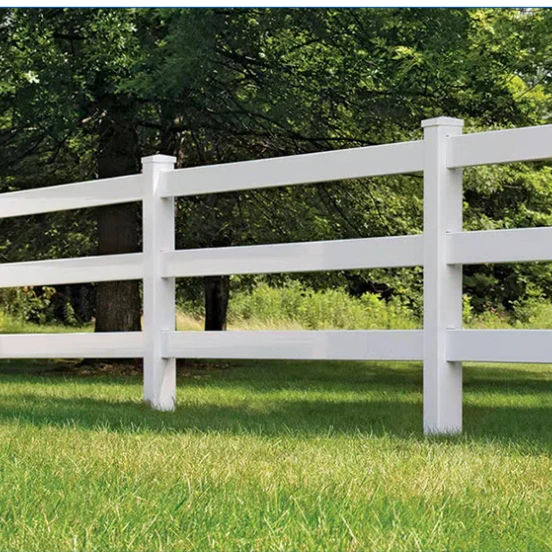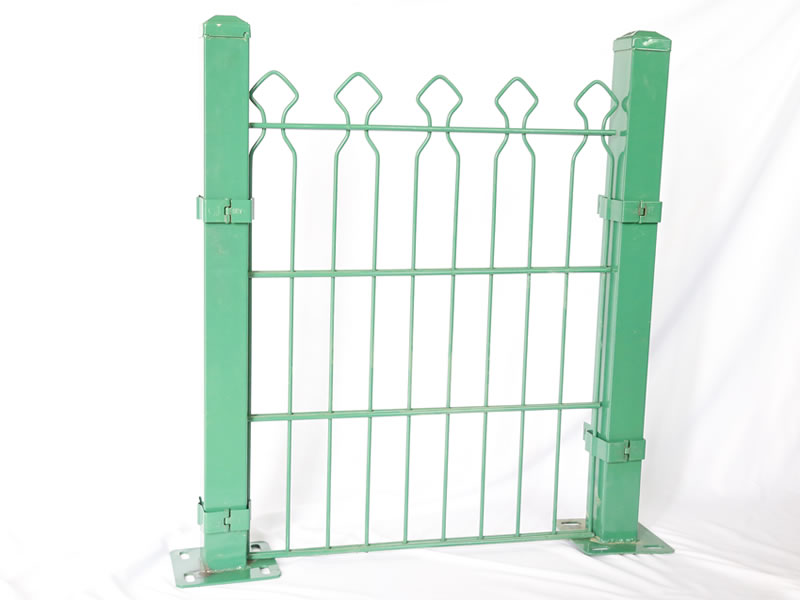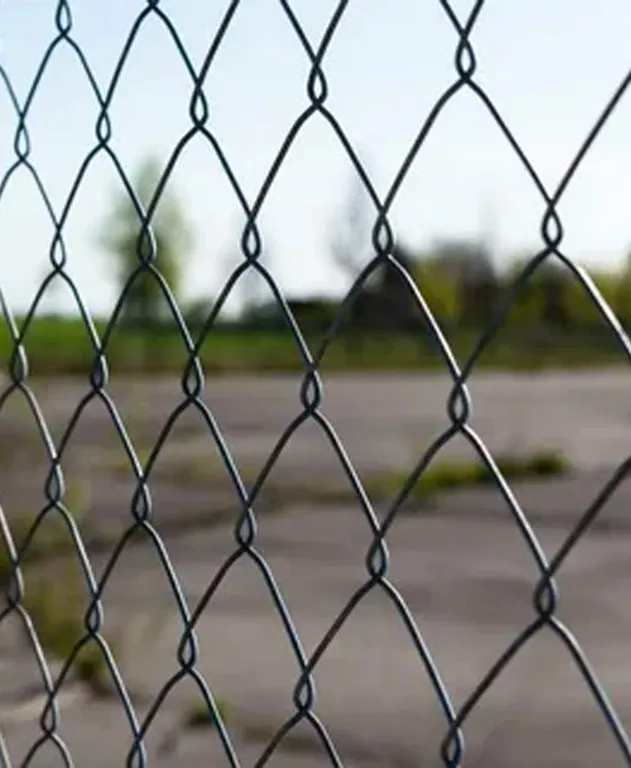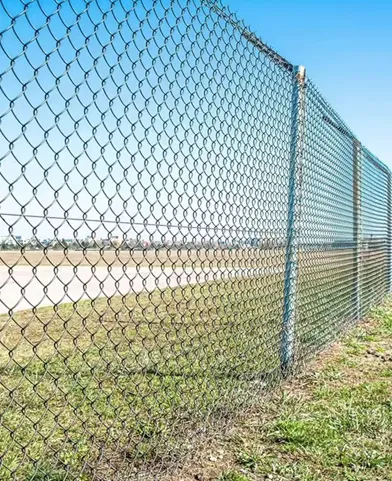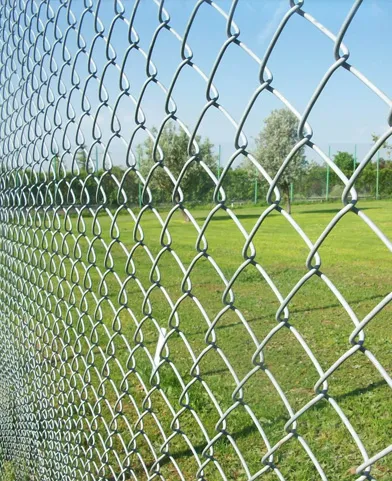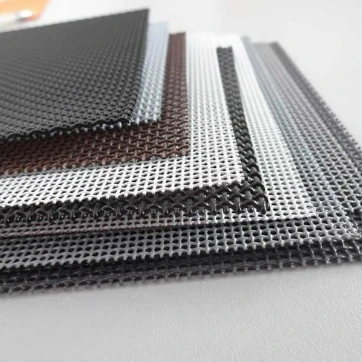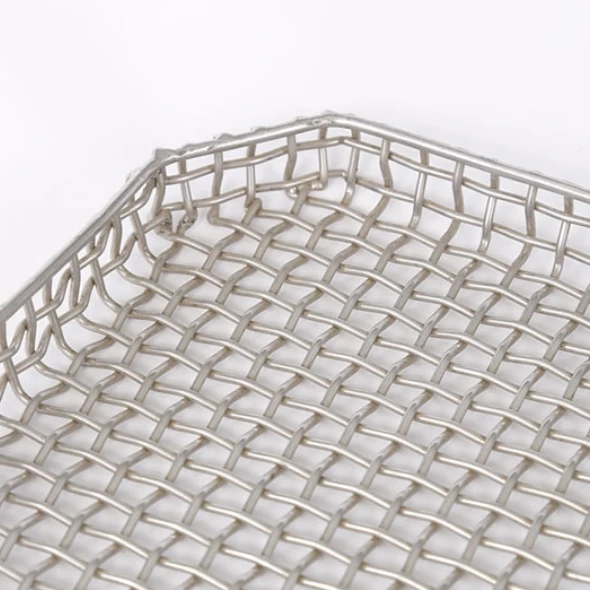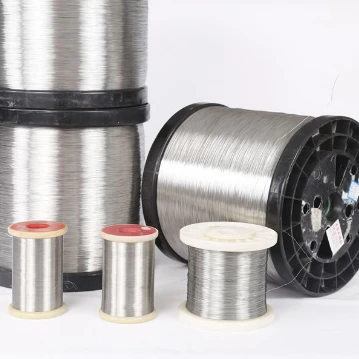
A wire mesh fence is a durable and cost-effective metal wire fence solution used in residential, commercial, agricultural, and industrial settings. Constructed from high-quality materials such as galvanized steel or stainless steel, wire mesh screen offers excellent strength, weather resistance, and long-lasting performance. The wire mesh fence design provides visibility and airflow while maintaining security, making it ideal for enclosing properties, gardens, farms, construction sites, and sports facilities.


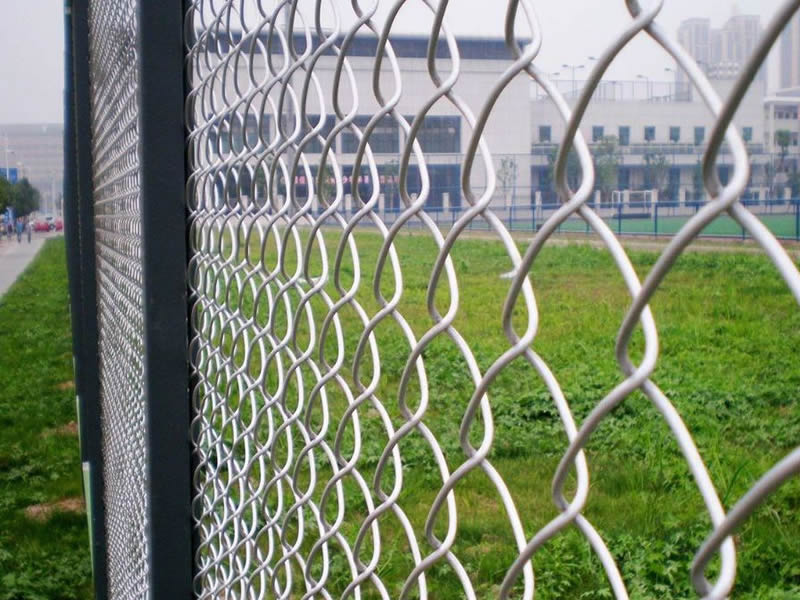
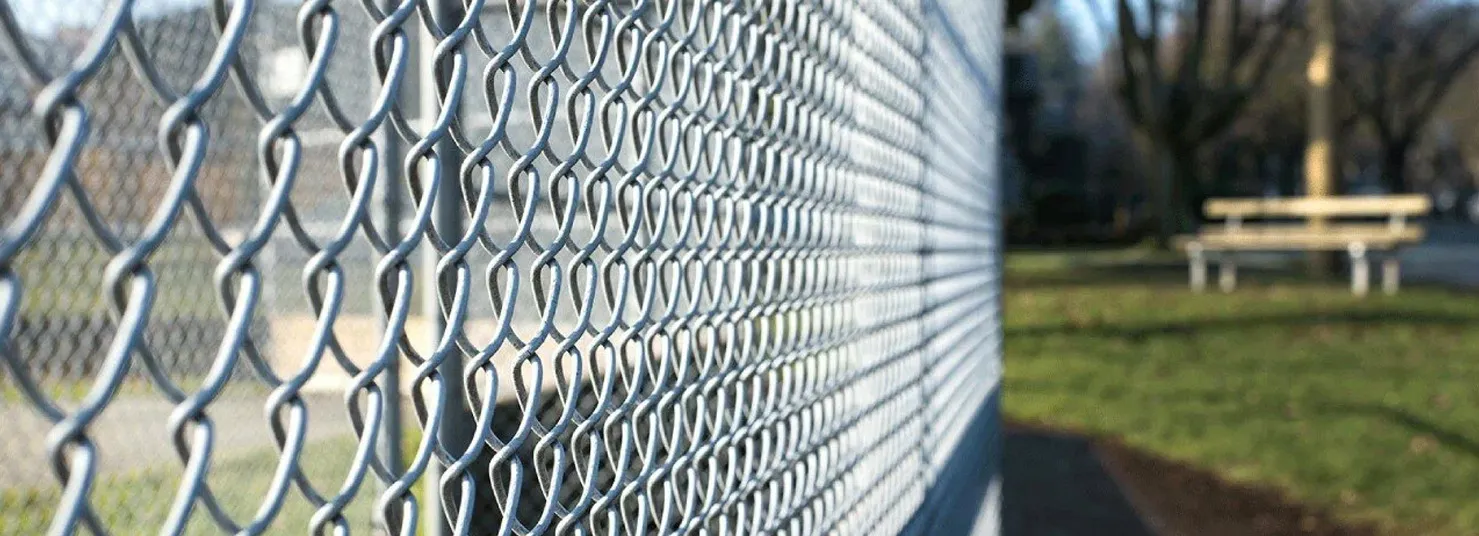
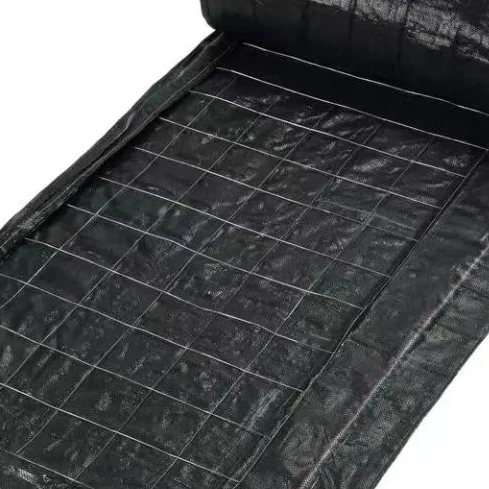
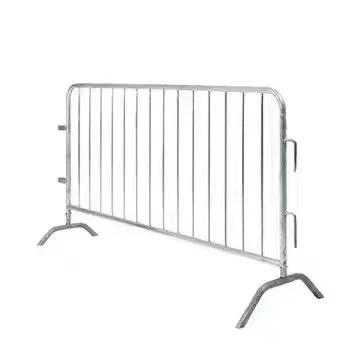
Wire mesh fences come in various styles, including pvc welded wire mesh, chain link wire mesh fence, and expandable temporary fence, each suited to specific needs. Welded mesh offers a rigid and secure barrier, while chain link fence mesh is more flexible and easier to install. The metal mesh fence can be coated with PVC or powder to enhance corrosion resistance and aesthetic appeal. Installation is straightforward, and maintenance is minimal, making wire mesh fences a practical choice for a wide range of environments. Metal wire for fencing are also compatible with gates, posts, and other accessories for enhanced functionality and access control.
NA NUI PA UI

Wire mesh fence sizes vary based on application and requirements. Common mesh sizes range from 1/2 inch to 4 inches, referring to the size of the openings. Wire diameters typically range from 1.2 mm to 5 mm, affecting strength and durability. Fence heights can vary widely, from 3 feet for wire garden fence up to 12 feet or more for building site security fencing. Panels and rolls come in different widths and lengths to fit various installations. Selecting the right size ensures optimal security, visibility, and longevity for the different types of wire fencing project.


HOOLAHA PA WIRE MESH

ʻO ka hoʻokomo ʻana i ka pā uea he nui nā ʻanuʻu. ʻO ka mua, e ana a kaha i ka laina pā. E eli i na lua pou e like me ke kaawale, ma kahi o 6 a 8 kapuai ke kaawale, a e hoonoho paa i na pou o ka pa i ke kaa. Ke paʻa nā pou, wehe i ka ʻōwili uea a hoʻopili i nā pou me ka hoʻohana ʻana i nā staples, clips, a i ʻole nakinaki, e hōʻoia i ka paʻa ʻana o ka mesh. E ʻoki i nā mesh keu a hoʻopaʻa pono i nā wēlau. ʻO ka hope, e nānā i ka pā no ke kūpaʻa a hana i nā hoʻololi e pono ai. ʻO ka hoʻonohonoho kūpono e hōʻoia i ka lōʻihi, palekana, a me kahi hiʻohiʻona maikaʻi.


KA POMAIKAI O KA PAPA UEA

  • 1 Paʻa a lōʻihi

    Hana ʻia mai nā mea ikaika e pale aku i ka ʻōpala a me ka pōʻino o ka wā.
  • 2 Palekana Kiʻekiʻe

    Hāʻawi i kahi pale hilinaʻi e mālama i nā kānaka a me nā holoholona i loko a i waho.
  • 3 ʻIke maikaʻi

    Hāʻawi i nā laina ʻike maopopo ʻoiai e hāʻawi ana i ka pale.
  • 4 Mālama Haʻahaʻa

    Maʻalahi e hoʻomaʻemaʻe a pono ka mālama liʻiliʻi i ka manawa.
  • 5 Kūʻai-Pono

    Hiki ke hoʻohālikelike ʻia i nā koho pā ʻē aʻe me ke ola lawelawe lōʻihi.
  • 6 Hoʻokomo wikiwiki a maʻalahi

    ʻO ka hoʻolālā māmā he mea maʻalahi ke hoʻouka a hoʻopilikino.

E hui pū me kā mākou Nūpepa

Inā makemake ʻoe i kā mākou huahana, hiki iā ʻoe ke koho e waiho i kāu ʻike ma aneʻi, a e hoʻopili koke mākou iā ʻoe.