E kaomi i ke komo no ka huli ʻana a i ʻole ESC e pani
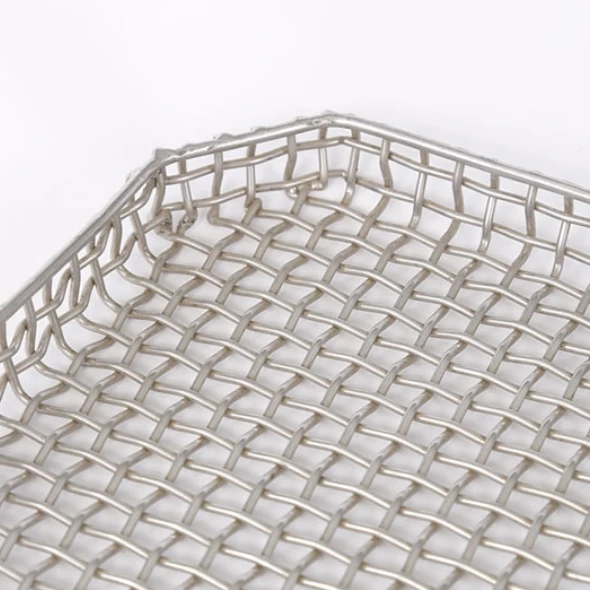
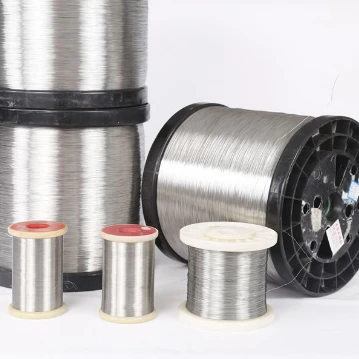
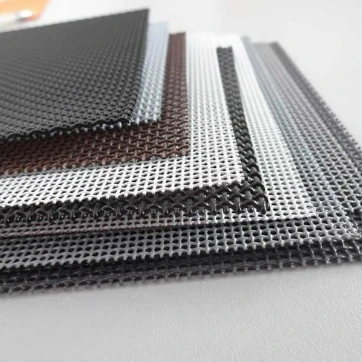
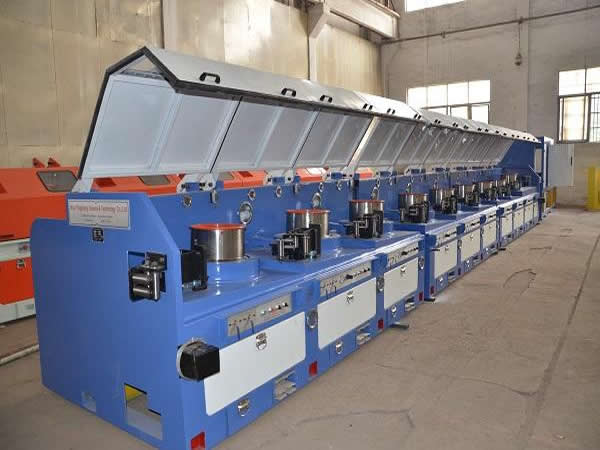
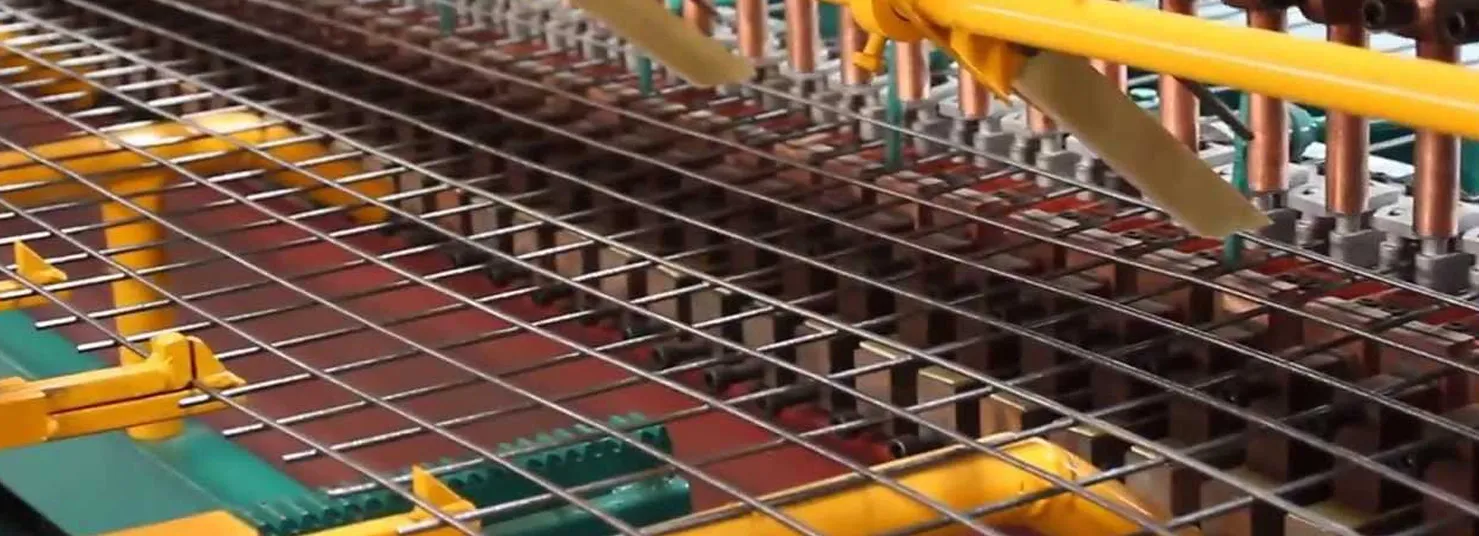
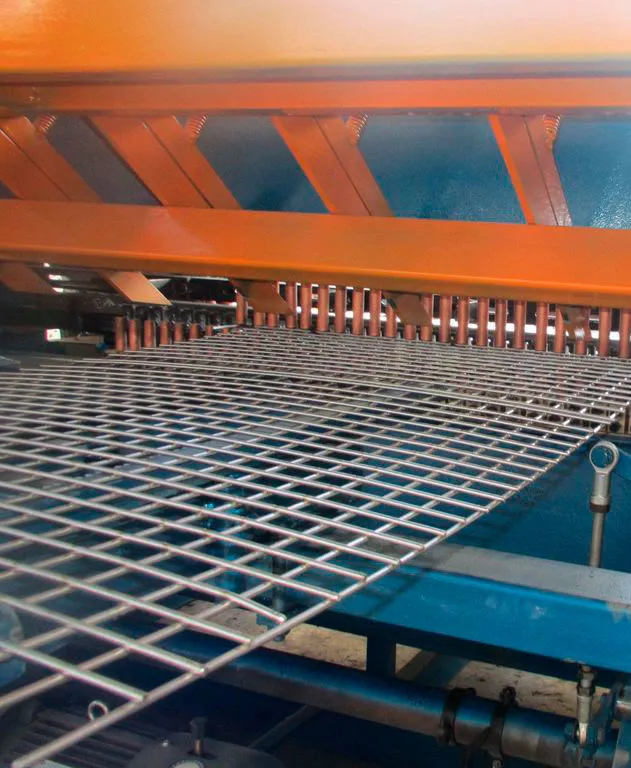
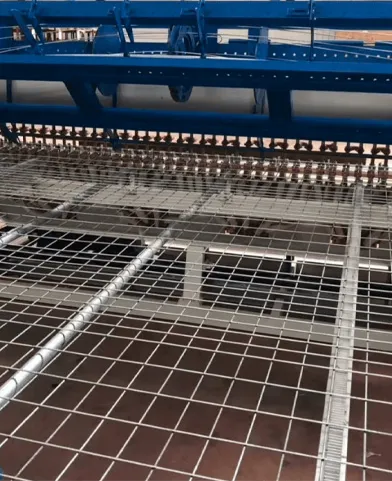
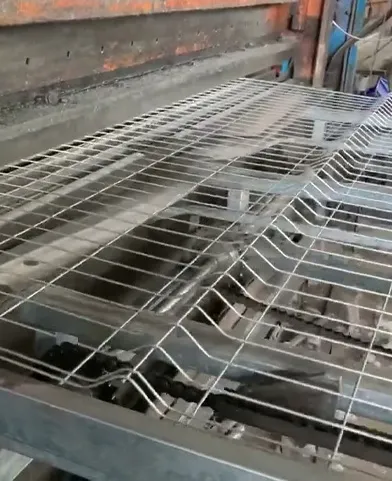
A wire mesh machine is a specialized piece of equipment designed to produce various types of huahana mesh uea, such as mesh wiliwili ʻia, chain link fence mesh, or woven polyester mesh. These wire mesh making machines automate the process of cutting, bending, welding, or weaving metal wires—usually made from materials like galvanized steel, stainless steel, or iron—into precise grid patterns.
Wire mesh machines are widely used in industries such as construction, agriculture, mining, and fencing production. They improve efficiency, reduce labor costs, and ensure consistent product quality. Depending on the wire mesh type, a wire mesh machine can feature programmable settings for mesh size, wire diameter, and panel dimensions, allowing for high customization and production flexibility.
Advanced models may include automatic feeding systems, welding units, mesh rolling, and cutting devices, supporting both small-scale workshops and large-scale industrial operations. With robust construction and easy maintenance, wire mesh machines are essential for manufacturers seeking high output and precision.

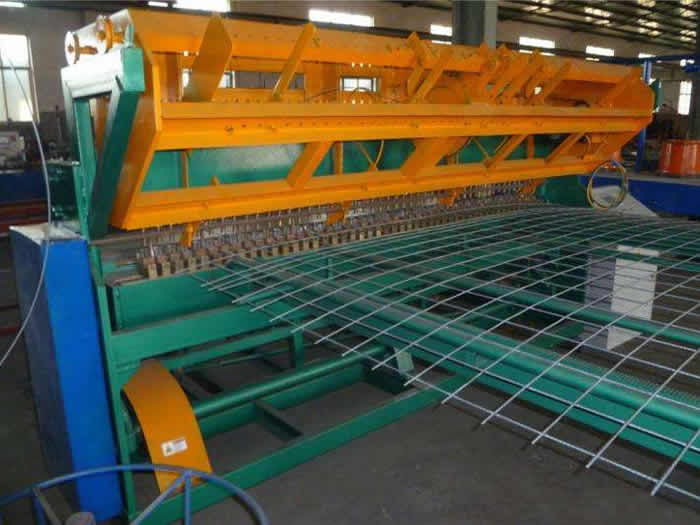
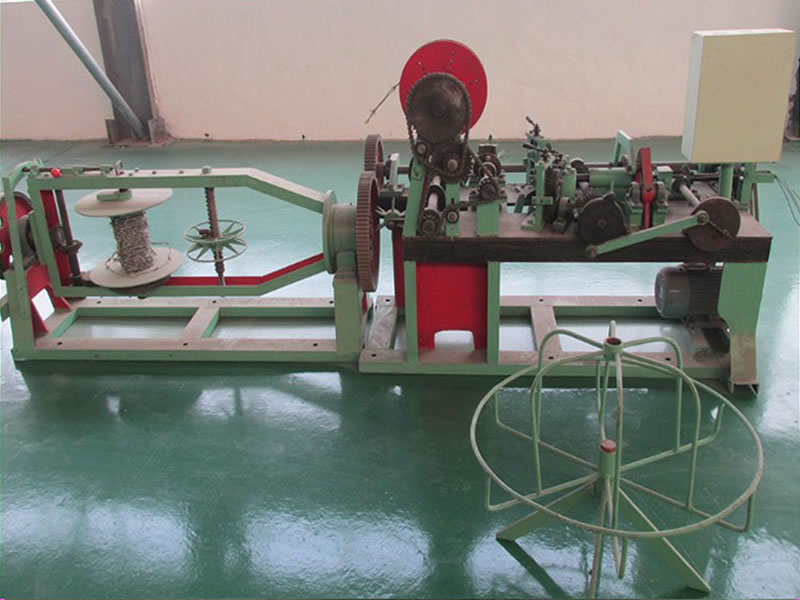
A chain link fencing machine manual provides detailed instructions on operating, maintaining, and troubleshooting the machine. It covers setup procedures, safety guidelines, and parts identification to ensure efficient and safe production of chain link fences. The manual of our mīkini pā kaulahao no ke kūʻai aku explains how to adjust mesh size, wire tension, and speed for different types of wire fencing specifications. Regular maintenance tips help prolong machine life and prevent breakdowns. Following the manual carefully ensures high-quality fence manufacturing, reduces downtime, and enhances operator safety. Always refer to the manual before use for optimal performance and proper handling.
1 Kiekie Efficiency
2 Hana Pono
3 ʻAno ʻano
4 Ka lōʻihi
5 Hoemi i na koina hana
6 Nā hoʻonohonoho hoʻonohonoho
E hui pū me kā mākou Nūpepa