Understanding the 2 aluminum wire cost is essential for procurement managers and engineers in the metal products industry, as it directly impacts the bottom line of large-scale infrastructure and electrical projects. In a global market where raw material volatility is the norm, having a clear grasp of how pricing fluctuates based on gauge, purity, and alloy composition allows for more accurate budgeting and strategic sourcing.
The global shift toward lightweight materials and energy-efficient conductors has placed a spotlight on the 2 aluminum wire cost, making it a key metric for competitive bidding in the construction and energy sectors. From the production of processed metal wire mesh to high-tension power lines, the balance between material performance and expenditure remains a primary challenge for manufacturers worldwide.
By analyzing the current trends in 2 aluminum wire cost, businesses can optimize their supply chains, reduce waste, and implement sustainable procurement strategies. This guide delves into the technical drivers and economic factors that determine the pricing of aluminum wire, providing a comprehensive roadmap for industry professionals.
Market Dynamics of 2 Aluminum Wire Cost
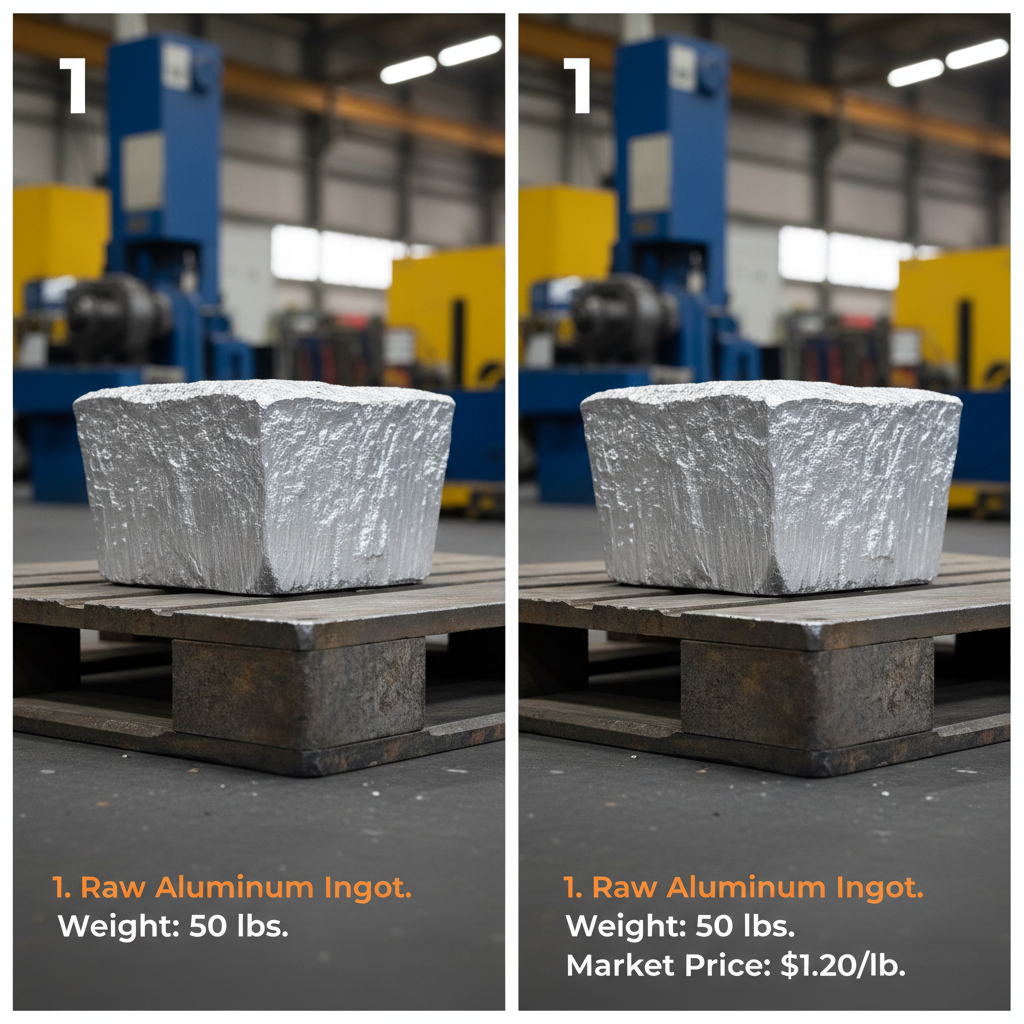
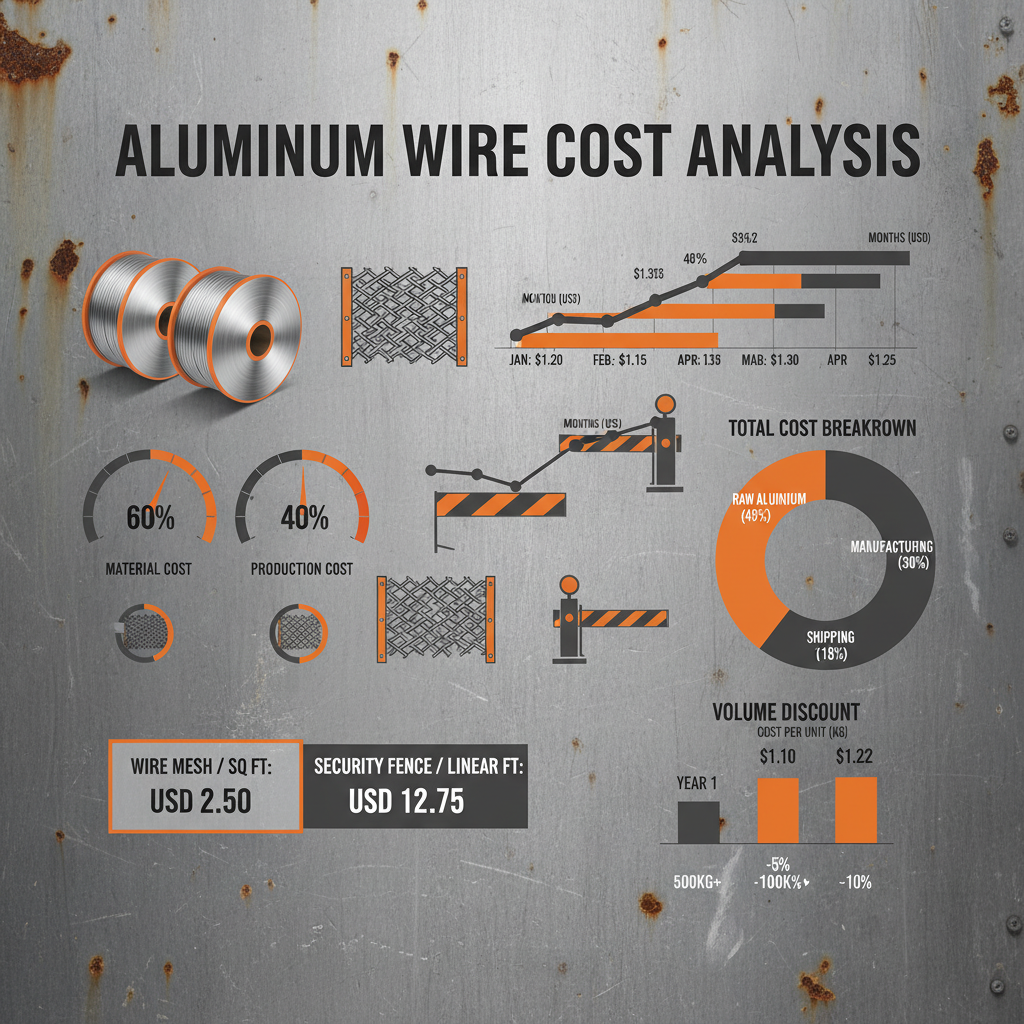
The 2 aluminum wire cost is fundamentally tied to the London Metal Exchange (LME) spot prices, which reflect global demand and supply shocks. When energy prices rise, the cost of smelting aluminum increases, creating a ripple effect that elevates the final market price of processed aluminum wire products.
Furthermore, geopolitical tensions and trade tariffs can cause sudden spikes in the 2 aluminum wire cost. Manufacturers must often utilize hedging strategies or long-term fixed-price contracts to shield their operations from these volatile market swings.
Material Grade and Purity Influence
Not all aluminum is created equal, and the specific alloy grade significantly impacts the 2 aluminum wire cost. For instance, high-purity electrical grade aluminum (such as EC grade) requires more rigorous refining processes, which naturally drives up the price compared to general-purpose architectural alloys.
The addition of alloying elements like magnesium or silicon to enhance tensile strength and corrosion resistance also adds a premium to the 2 aluminum wire cost. These additions are crucial for products like wire mesh fences or industrial reinforcement wires that must withstand harsh outdoor environments.
Ultimately, the trade-off between purity and performance is a central consideration. While higher purity may increase the initial 2 aluminum wire cost, the resulting increase in electrical conductivity or longevity often justifies the investment for critical infrastructure projects.
Manufacturing Processes and Overhead
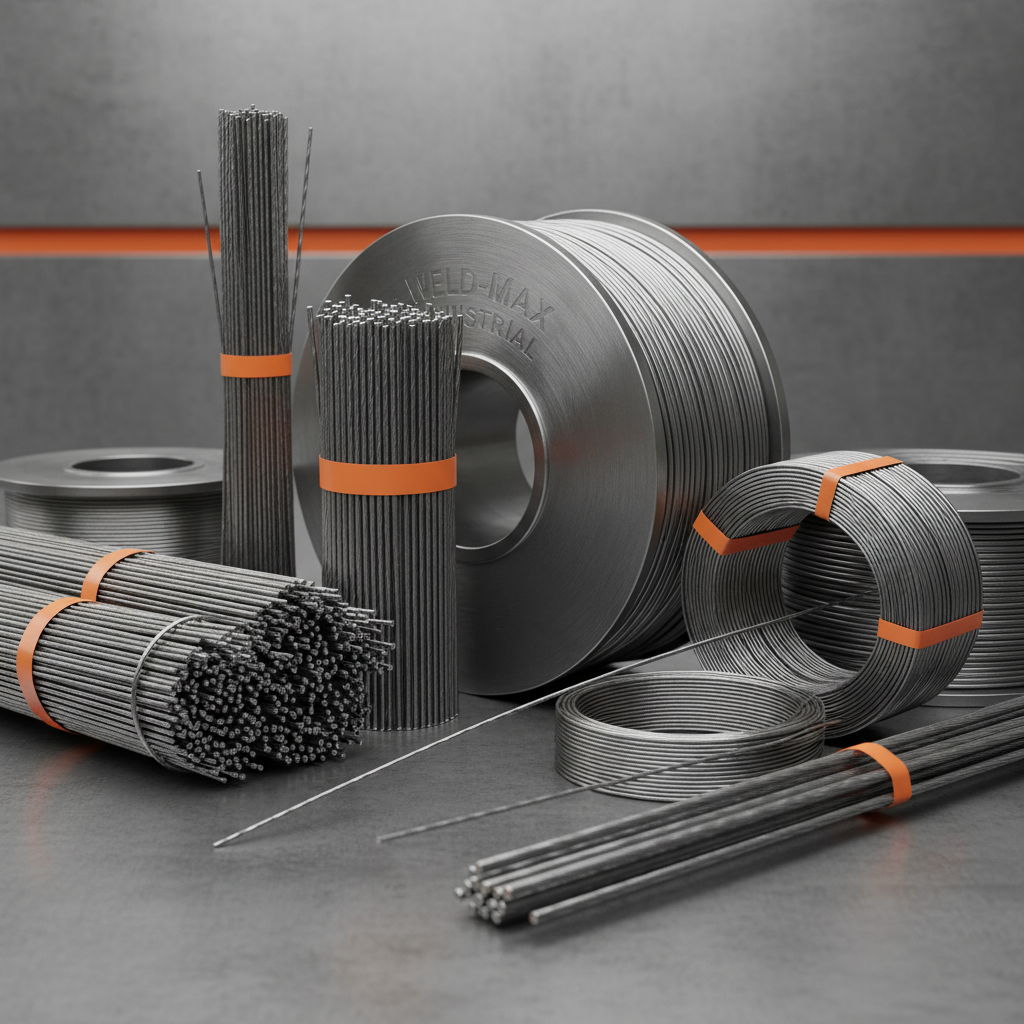
The transformation of raw ingots into finished wire involves several energy-intensive stages, all of which contribute to the overall 2 aluminum wire cost. Extrusion, drawing, and annealing are critical steps that determine the wire's final diameter and mechanical properties.
Precision drawing techniques used to achieve tight tolerances for specialized wire mesh products can significantly increase the 2 aluminum wire cost. The more passes a wire must go through a drawing die to reach a specific gauge, the higher the labor and tool wear costs.
Beyond raw materials, overhead costs including factory maintenance, quality control certifications (such as ISO standards), and workforce expertise are baked into the 2 aluminum wire cost, ensuring that the end product meets safety and industrial specifications.
Comparative Analysis of Cost Factors
When evaluating the 2 aluminum wire cost, it is helpful to compare how different production methods and material choices shift the price point. For example, automated high-speed drawing lines reduce labor costs but require higher initial capital investment.
Another critical comparison is the cost of primary aluminum versus recycled aluminum. Utilizing secondary aluminum can lower the 2 aluminum wire cost while simultaneously reducing the carbon footprint of the manufacturing process.
Analysis of 2 Aluminum Wire Cost Drivers
Global Supply Chain Logistics
The geography of production plays a massive role in the final 2 aluminum wire cost. Regions with cheap hydroelectric power, such as Canada or parts of China, can produce aluminum more affordably, reducing the base cost before shipping.
However, the 2 aluminum wire cost is also susceptible to shipping fluctuations. The weight of large wire spools means that freight costs can become a significant percentage of the total invoice, especially when importing processed wire mesh products across oceans.
Environmental Sustainability and Recycling
Sustainability is no longer just an ethical choice but a financial one. The integration of recycled scrap into the production line can significantly drive down the 2 aluminum wire cost by bypassing the energy-heavy electrolysis stage of primary production.
Furthermore, green certifications and carbon credits are starting to influence pricing. While "green aluminum" might initially seem to increase the 2 aluminum wire cost, it often opens doors to government subsidies and tax breaks for sustainable construction.
The circular economy model ensures that aluminum wire can be recycled indefinitely without loss of quality. This inherent recyclability adds a long-term residual value to the material, effectively lowering the "lifecycle cost" even if the initial 2 aluminum wire cost remains stable.
Long-term Investment and Value ROI
When analyzing the 2 aluminum wire cost, it is vital to look beyond the purchase price and consider the Total Cost of Ownership (TCO). Aluminum's natural oxide layer provides exceptional corrosion resistance, reducing the need for expensive coatings or frequent replacements.
In applications like wire mesh fencing or electrical grids, the lower density of aluminum compared to copper or steel reduces structural load and installation labor. This systemic saving often offsets a higher initial 2 aluminum wire cost.
Investing in high-quality wire ensures reliability and safety, preventing costly downtime or failure in industrial environments. Therefore, optimizing the 2 aluminum wire cost involves finding the equilibrium between upfront expenditure and long-term operational durability.
Comparative ROI Analysis based on 2 Aluminum Wire Cost
| Material Variant |
Relative 2 Aluminum Wire Cost |
Durability Score (1-10) |
Installation Ease |
| Primary Pure Al |
Medium |
7 |
High |
| Alloy 6061 Wire |
High |
9 |
Medium |
| Recycled Al Wire |
Low |
6 |
High |
| Anodized Al Wire |
Very High |
10 |
Medium |
| EC Grade Wire |
Medium-High |
8 |
High |
| Industrial Mesh Wire |
Medium |
7 |
High |
FAQS
The primary drivers include the LME aluminum spot price, energy costs for smelting, and the availability of alloying elements. Additionally, logistics and trade tariffs can significantly alter the landing cost for international buyers.
Yes, recycled aluminum generally reduces the production cost because it requires substantially less energy than primary aluminum. However, the price difference depends on the purity requirements of the final application.
Finer gauges often require more drawing passes and higher precision, which can increase the per-kilogram cost compared to thicker, raw aluminum wires, despite using less raw material volume.
For electrical applications, yes, as conductivity is paramount. For structural or decorative uses, standard alloys usually provide sufficient strength and corrosion resistance at a lower price point.
The best methods include signing long-term supply contracts with fixed pricing or using financial hedging instruments to lock in LME rates at a specific price point.
Anodizing adds an extra chemical processing step, which increases the cost. However, it provides superior surface hardness and corrosion resistance, extending the product's life and improving ROI.
Conclusion
Navigating the complexities of 2 aluminum wire cost requires a holistic understanding of raw material markets, manufacturing precision, and the specific requirements of the end application. By balancing purity, alloy selection, and production methods, businesses can procure materials that offer the best performance-to-price ratio, ensuring both project viability and structural integrity.
Looking forward, the integration of green energy in smelting and the rise of the circular economy will likely stabilize the 2 aluminum wire cost while enhancing sustainability. We recommend that procurement professionals stay updated on LME trends and explore recycled aluminum options to maintain a competitive edge in the global metal products market. Visit our website for more professional insights: www.hebei-wiremesh.com