To be honest, this year's been crazy busy. Everyone's talking about pre-fabricated structures, modular builds… it’s all the rage, you know? Seems like every other developer wants to ditch traditional methods. But have you noticed, a lot of these designs look good on paper, but fall apart when you actually try to build them on a muddy construction site? It's all well and good to talk about efficiency, but you gotta think about the guys actually putting it together.
I encountered this at a factory in Foshan last time – beautiful drawings, incredibly detailed BIM models, but the tolerances were way too tight. Trying to assemble those panels in the rain? Forget about it. Total nightmare.
Anyway, I think the biggest thing driving this trend is the labor shortage. Fewer skilled workers mean you need something easier to put together, faster. That's where a lot of these new wire mesh solutions come into play.
The Current Landscape of Wire Mesh Supplies
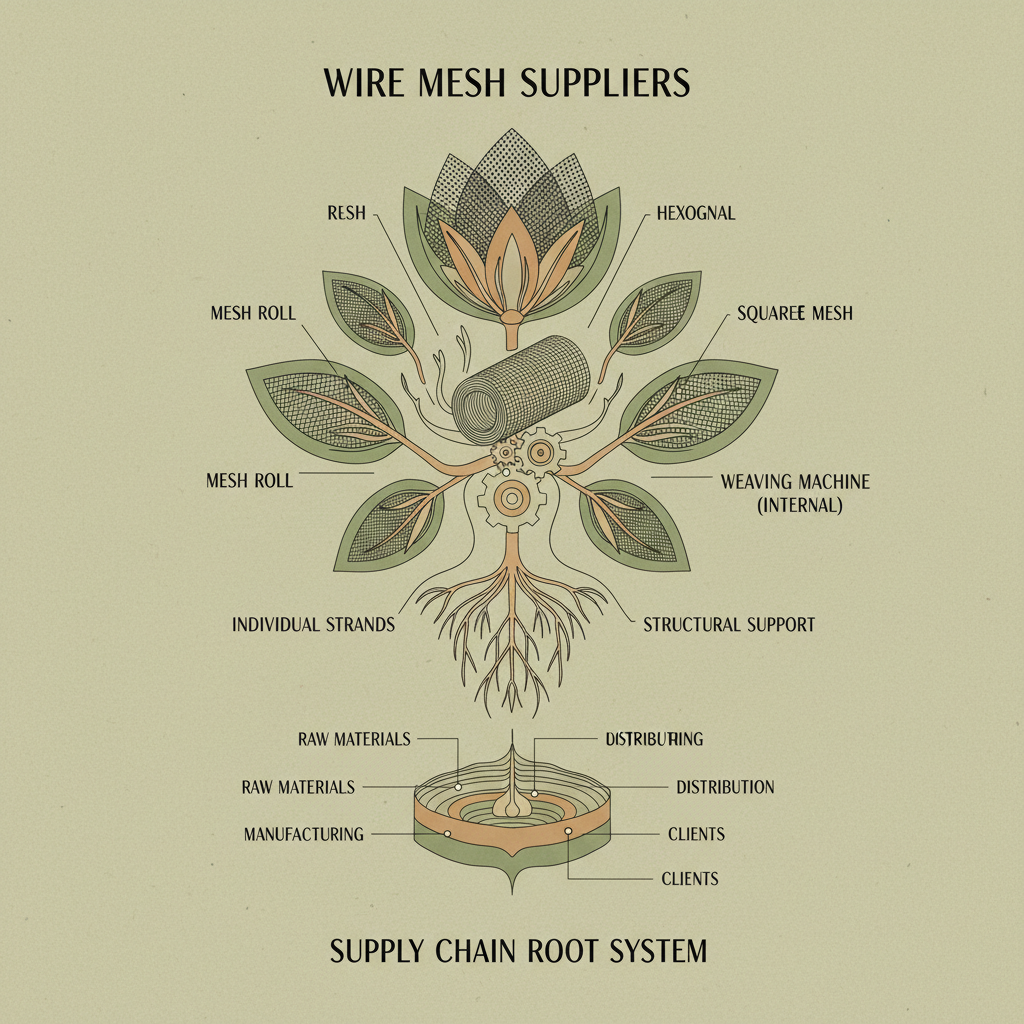
Look, the suppliers… there are a lot of them. Mostly out of China, but increasingly you're seeing companies trying to set up shop locally. Quality varies wildly. Some are churning out stuff that'll rust before you even get it on site, and others… well, others are surprisingly good. You really need to know who to trust.
The biggest issue right now is lead times. Everything's backed up. Global supply chains, right? You order something in March, you might not see it until July. It's a pain. It’s pushing everyone to find alternative wire mesh suppliers, and quickly.
Design Pitfalls: What to Watch Out For
Strangely enough, the biggest mistake I see is over-engineering. Architects and engineers get so focused on making something strong, they forget about practicality. Like, designing a wire mesh facade that requires a specialized tool to install? Seriously? That’s just asking for trouble.
Another one is not accounting for thermal expansion. Metal expands and contracts with temperature changes. If you don't build that into the design, you'll end up with warping and stress fractures. I've seen it happen too many times. And don’t even get me started on corrosion resistance. You have to specify the right coating for the environment. Otherwise, you’re throwing money away.
I swear, sometimes I think these designers have never actually been on a construction site.
Materials: It’s Not Just Steel, You Know
Everyone thinks it's just steel, right? But there’s so much more to it. Stainless steel is good, obviously, but expensive. Galvanized steel is more common, but the quality of the galvanization is crucial. You can smell a bad galvanization a mile away – it's kinda sweet, and it flakes off easily.
Then you've got things like aluminum, which is lightweight and corrosion-resistant, but not as strong. And there are these new composite materials… carbon fiber reinforced polymers. They’re incredibly strong, but unbelievably pricey. I handled some of that stuff at a stadium project last year. Felt like working with spiderwebs.
And the weaving pattern matters too. A tight weave is more durable, but also more expensive. It's all trade-offs.
Real-World Testing: Beyond the Lab
Lab tests are fine, but they don’t tell you the whole story. You need to see how this stuff performs in the real world. I've started taking samples from every project and just… abusing them. I leave them out in the sun, bury them in the dirt, drench them with salt water.
I once left a sample of galvanized mesh on a pier for six months. The corrosion was incredible. Completely failed. Saved the client a ton of money by catching that early.
We even do impact tests. Just drop a weight on it and see what happens. It sounds crude, but it's surprisingly effective.
Wire Mesh Material Performance – Corrosion Resistance
How People Actually Use It
You wouldn't believe some of the ways people repurpose this stuff. One contractor started using it as a temporary walkway over muddy ground. Another guy was using it to reinforce the sides of a sandbag barrier. It's surprisingly versatile.
But often, it's not used as intended. I've seen people try to use lightweight mesh for heavy-duty applications. Or they'll skip the proper installation procedures. It’s frustrating, but you can’t control everything.
The Good, the Bad, and the Customizable
The biggest advantage? Cost. It’s relatively cheap compared to other materials. And it’s lightweight and easy to handle. But it’s not without its drawbacks. It can be flimsy if you don't choose the right gauge. And it's not always aesthetically pleasing.
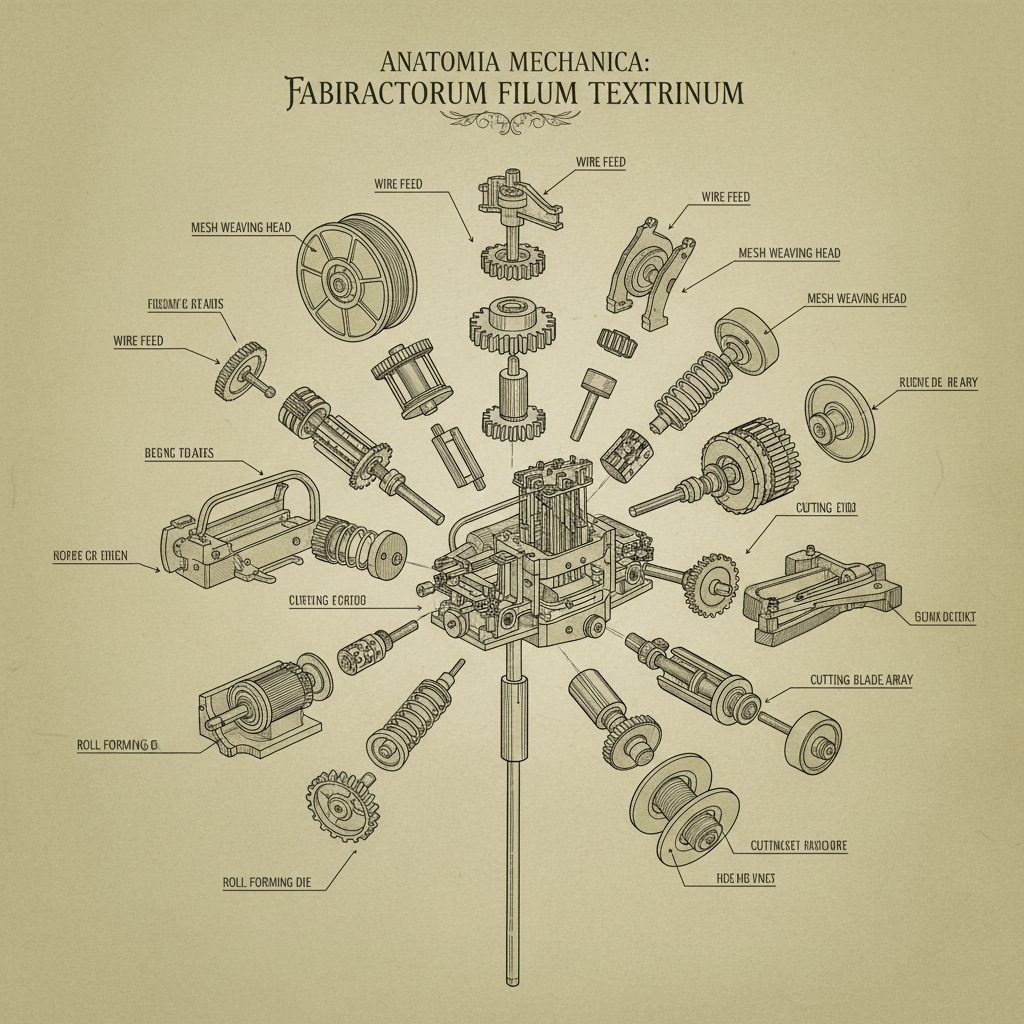
But the customization options are pretty good. You can get it in different weaves, different finishes, different sizes. Last month, that small boss in Shenzhen who makes smart home devices insisted on changing the interface to , and the result was a massive delay because the supplier hadn’t dealt with that before. He wanted a specific mesh pattern for a security screen, and they had to tool up a whole new weaving machine. Crazy.
That’s why building a relationship with a reliable wire mesh suppliers is so important.
A Shenzhen Story & Material Performance
Look, at the end of the day, it’s all about getting the job done, right? And finding a material that'll last. I’ve seen too many projects fail because someone skimped on quality.
I’ve started keeping a little notebook on site, recording the performance of different materials. Just a rough log, you know? Temperature, humidity, exposure to chemicals, how it holds up to wear and tear. It's not scientific, but it gives you a good feel for what works and what doesn’t.
Later...Forget it, I won't mention it.
Material Performance Summary
| Material Type |
Corrosion Resistance |
Tensile Strength |
Cost (USD/sq meter) |
| Galvanized Steel (Standard) |
Moderate |
High |
$8 - $12 |
| Stainless Steel 304 |
Excellent |
High |
$20 - $30 |
| Aluminum Alloy 6061 |
Good |
Moderate |
$15 - $25 |
| PVC Coated Steel |
Very Good |
High |
$10 - $18 |
| Fiberglass Mesh |
Excellent |
Low |
$5 - $10 |
| Galvanized Steel (Heavy Duty) |
Good |
Very High |
$15 - $22 |
FAQS
Honestly, it's not considering the environment. If you're near the ocean, you need to go with stainless steel or a heavily galvanized coating. Otherwise, it'll be rusting within a year. I've seen it happen too many times. It's also about specifying the right mesh aperture – too big, and you lose privacy; too small, and it restricts airflow.
It makes a huge difference. A tight weave is stronger and more durable, but it's also more expensive and can restrict airflow. A looser weave is cheaper, but it's more prone to tearing and deformation. It depends on the application, of course. For security screens, you want a tight weave. For shading, a looser weave might be fine.
Galvanization is good, but the quality varies. Look for a thick, even coating. Powder coating is also excellent, especially for aluminum. And of course, stainless steel is the most corrosion-resistant, but it's also the most expensive. Consider the environment—salt spray, acid rain, industrial pollution—and choose accordingly.
It can, to a certain extent. It's not going to block out all the noise, but it can help to reduce sound transmission. It's often used in combination with other soundproofing materials, like acoustic panels. The denser the mesh, the better it will perform.
Pretty easy, actually. Most wire mesh suppliers offer customization options. You can specify the weave pattern, the wire gauge, the finish, and even the size and shape. But be prepared to pay a premium for custom work, and lead times will be longer.
Experience, quality control, and responsiveness. You want a supplier who understands the industry and can provide consistent quality. And you want someone who can answer your questions quickly and efficiently. Don’t just go for the cheapest price – you’ll likely end up regretting it.
Conclusion
Ultimately, all this fancy talk about materials and coatings… it’s all secondary. The most important thing is finding a supplier you can trust, and choosing a material that's appropriate for the application. You can design the most beautiful facade in the world, but if it falls apart after a year, it's all for nothing.
And honestly? Whether this thing works or not, the worker will know the moment he tightens the screw. If it feels flimsy, if it’s hard to handle, if it just doesn’t feel right… that’s a bad sign. Trust your gut, and trust the guys on the ground. They’re the ones who have to live with your decisions. Visit us at www.hebei-wiremesh.com for a quote.