You know, this wire mesh factory stuff… it's been a whirlwind lately. Everyone's chasing higher strength, lighter weight, corrosion resistance… the usual. Honestly, it feels like every other conversation on site is about new alloys or coatings. It’s not just about specs on a datasheet anymore, it's about how it feels when you’re handling it, especially in the heat.
There's a lot of talk about stainless steel, obviously. 304, 316, even some of the duplex stuff. But have you noticed, sometimes the 304 can get… brittle after welding? Seems minor, but it can be a nightmare for larger installations. I encountered that at a factory in Hebei last time – wasted a whole day on rework.
And then there’s the PVC coated stuff. It’s cheap, it’s easy to work with… smells like a swimming pool when you cut it, though. Which isn’t ideal. Still, for basic fencing or temporary barriers, it does the job.
The Current Landscape of wire mesh factory
Strangely enough, a lot of the push lately isn't about bigger, better mesh, it’s about fitting into existing systems. Prefab construction is booming, right? And they want wire mesh that integrates seamlessly. It’s not enough to just be strong; it needs to play nice with the brackets, the bolts, the whole kit and caboodle. It’s a whole systems-thinking approach, which honestly, is refreshing.
And the demand from developing countries is huge. They’re building infrastructure at a pace we haven’t seen in decades. Lots of requests for larger gauge mesh for retaining walls, that sort of thing. But quality control… that’s always a concern. You get what you pay for, right?
Design Pitfalls and Material Choices
One thing I've seen time and time again is engineers underestimating the importance of the mesh opening size. Too small, and it clogs with debris. Too large, and it loses structural integrity. Seems obvious, but it happens. And then they wonder why the thing fails.
Galvanized steel is still the workhorse. Reliable, affordable… but it rusts. Always. You can get away with it in dry climates, but anywhere near saltwater, and you're looking at problems. Coating it with epoxy can help, but it adds cost and complexity.
Then you get into more exotic stuff, like titanium. Lightweight, incredibly strong, completely corrosion-proof… but unbelievably expensive. You only see that in specialized applications, like aerospace or high-end marine stuff.
Real-World Testing and Application
You won’t believe how many people rely solely on lab tests. I mean, they’re important, sure. Tensile strength, shear strength, that kind of thing. But it doesn’t tell you how the mesh will perform when it’s been battered by the wind and rain for five years.
I prefer to see it tested on site. Build a small section, subject it to realistic loads, monitor it over time. That’s where you find the real weaknesses. We once had a project where the mesh was supposed to be used for a sound barrier along a highway. Lab tests looked great. But when we built a prototype and blasted it with a high-pressure water jet – mimicking years of road spray – the coating started to peel off immediately.
And users… they always find a way to misuse things. I’ve seen mesh used as climbing frames, as makeshift fences for livestock, even as barbecue grills. You can design something to be incredibly robust, but people will always push the boundaries.
Advantages, Disadvantages, and Customization
The biggest advantage of wire mesh? Versatility. It’s lightweight, it’s strong, it’s relatively inexpensive, and it can be formed into almost any shape. It's a fundamentally simple product, which is its strength.
The disadvantages… corrosion, obviously. And the potential for sharp edges if it’s not properly finished. It’s also not the most aesthetically pleasing material. Let’s be honest, it's generally functional, not beautiful. Anyway, I think you always have to balance cost, performance, and aesthetics.
Comparative Performance of Different wire mesh factory Techniques
Global Applications of wire mesh factory
It's everywhere, honestly. Agriculture – supporting vines, protecting crops. Construction – reinforcing concrete, creating barriers. Mining – screening materials, preventing landslides. Even in art! I saw a sculpture made entirely of wire mesh at an exhibition in Shanghai last year.
A lot of the disaster relief efforts use it for temporary shelters. Quick to deploy, relatively cheap, provides a basic level of protection. It’s not glamorous, but it saves lives.
Long-Term Value and Sustainability
The longevity depends entirely on the material and the environment, obviously. A properly maintained stainless steel mesh installation can last for decades. A galvanized steel one… well, maybe ten years, if you're lucky.
There's a growing push for using recycled materials in wire mesh. It’s not always easy, especially maintaining the strength and integrity, but it’s definitely a step in the right direction. And some companies are experimenting with biodegradable coatings to reduce the environmental impact.
The economic impact is huge. It creates jobs, supports infrastructure projects, and contributes to a more resilient society. It’s not a sexy industry, but it’s a vital one.
Future Trends and Challenges in wire mesh factory
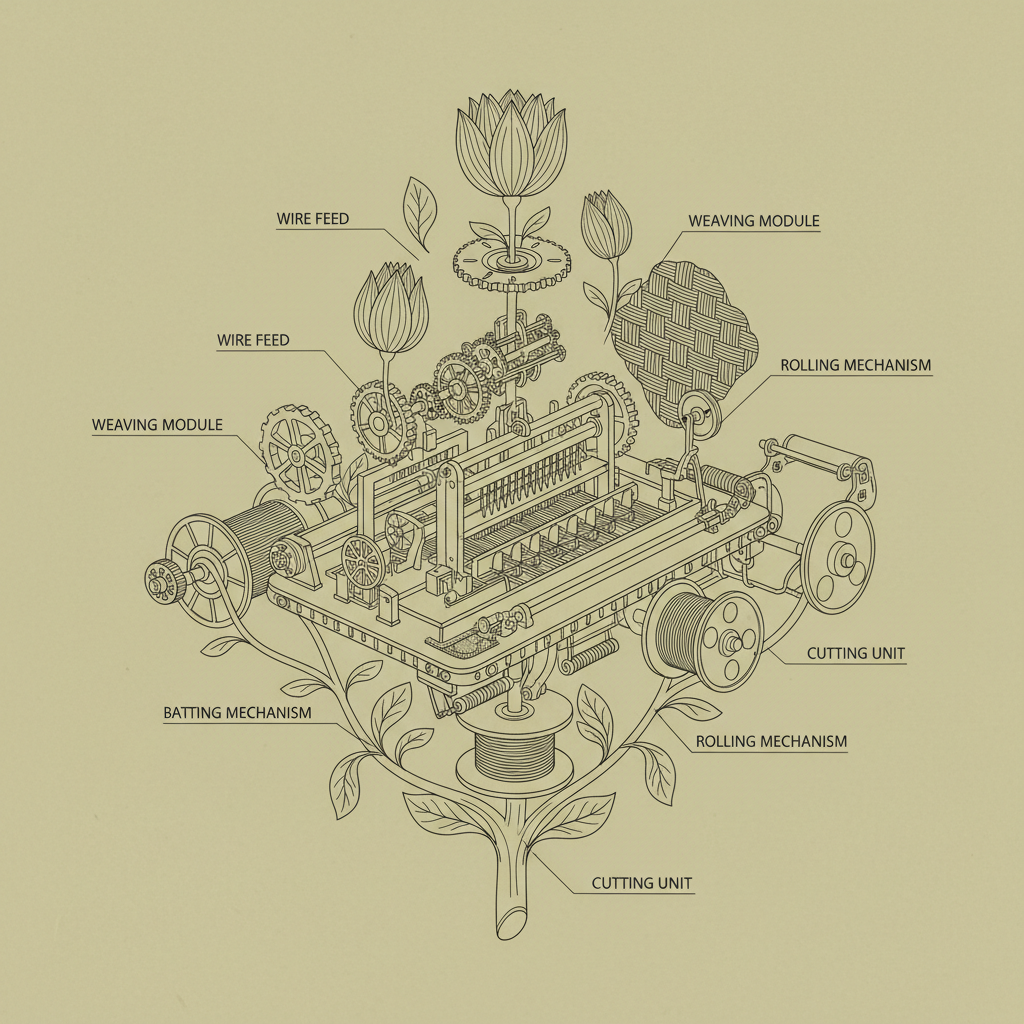
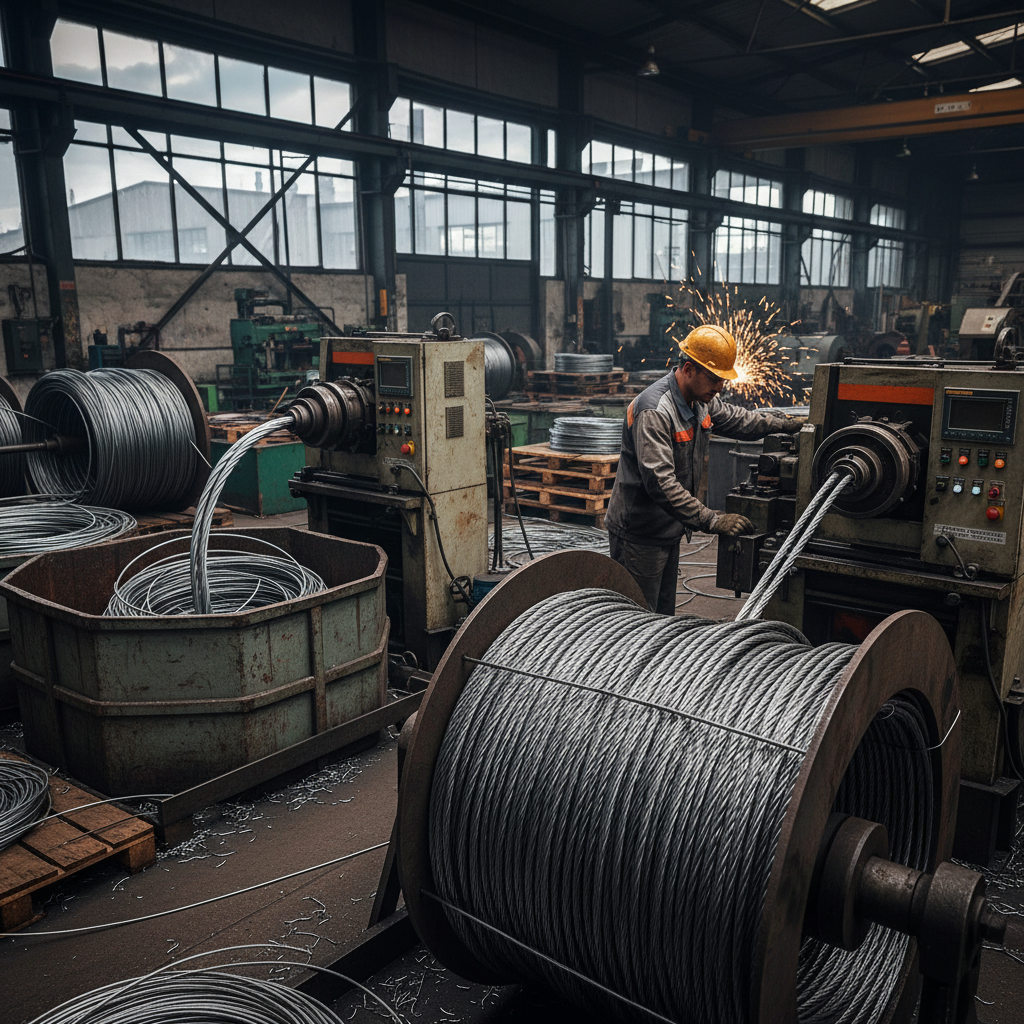
I think we’re going to see more automation in the manufacturing process. Robots doing the weaving, the cutting, the welding… it’ll increase efficiency and reduce costs. But it also means fewer jobs for skilled workers.
And the demand for lighter, stronger materials is only going to increase. We’re talking about advanced composites, new alloys… stuff that's still in the research and development phase.
One of the biggest challenges is standardization. There’s a lot of variation in quality and specifications, which makes it difficult to compare products and ensure consistency.
Key Performance Indicators for Wire Mesh Factory Production
| Material Quality |
Production Efficiency |
Cost Control |
Customer Satisfaction |
| Raw Material Grade (A-F) |
Units Produced Per Hour |
Cost Per Unit ($) |
Return Rate (%) |
| Corrosion Resistance (1-10) |
Defect Rate (%) |
Labor Cost Per Unit ($) |
On-Time Delivery Rate (%) |
| Tensile Strength (MPa) |
Production Uptime (%) |
Material Waste (%) |
Average Customer Rating (1-5) |
| Mesh Opening Consistency (mm) |
Energy Consumption Per Unit (kWh) |
Maintenance Cost Per Month ($) |
Repeat Order Rate (%) |
| Coating Adhesion (1-10) |
Inventory Turnover Rate |
Packaging Cost Per Unit ($) |
Complaint Resolution Time (Hours) |
| Welding Integrity (Pass/Fail) |
Lead Time (Days) |
Transportation Cost Per Unit ($) |
Customer Support Satisfaction (1-5) |
FAQS
For saltwater, you really want to stick with 316 stainless steel. It’s got a higher molybdenum content which makes it much more resistant to corrosion. Galvanized steel will rust through pretty quickly, even with a good coating. You can get away with some of the higher-grade aluminum alloys, but they're expensive. Really depends on the budget and how long you need it to last.
That's a common problem. The best way is to either crimp the cut ends or use wire clips to secure them. Some manufacturers also offer mesh with self-locking edges, which are designed to prevent unraveling. But honestly, a good pair of wire cutters and a little bit of attention to detail goes a long way.
For security, you want something substantial. 14 gauge or even 12 gauge is a good starting point. The smaller the gauge number, the thicker the wire. You also want a smaller mesh opening to make it harder to climb. And don't skimp on the posts and bracing – that’s where most failures happen.
Absolutely. Powder coating is a great way to add color and extra corrosion protection. Most powder coaters can match almost any color, but be aware that darker colors tend to absorb more heat and can fade faster in direct sunlight. Get a sample first to make sure you’re happy with the shade.
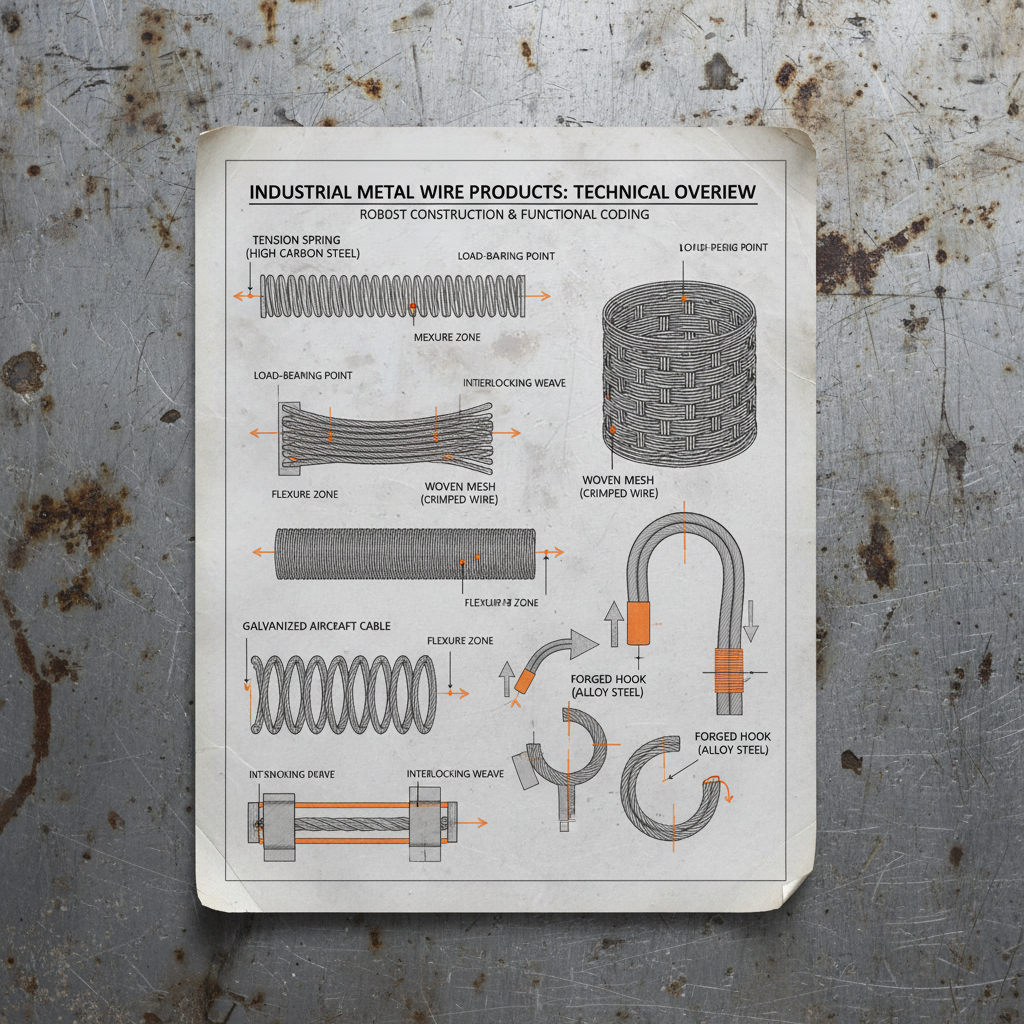
Welded mesh is made by welding the wires together at each intersection. It's generally stronger and more rigid. Woven mesh is made by interlacing the wires, like a fabric. It’s more flexible and can conform to uneven surfaces. Each has its advantages – it depends on the application.
Measure the area you need to cover, add about 10% for waste and overlap, and then consult a wire mesh supplier. They can help you determine the appropriate mesh size and gauge for your application. Don’t forget to factor in the height of the mesh and the spacing of the posts.
Conclusion
So, yeah, wire mesh. It’s not glamorous, but it’s a surprisingly complex world. From material selection to manufacturing techniques to real-world applications, there’s a lot to consider. It's a blend of old-school practicality and cutting-edge innovation, and it's essential for a huge range of industries.
Ultimately, whether this thing works or not, the worker will know the moment he tightens the screw. That's the truth of it. Visit our website to see what we can do for you: wire mesh factory.