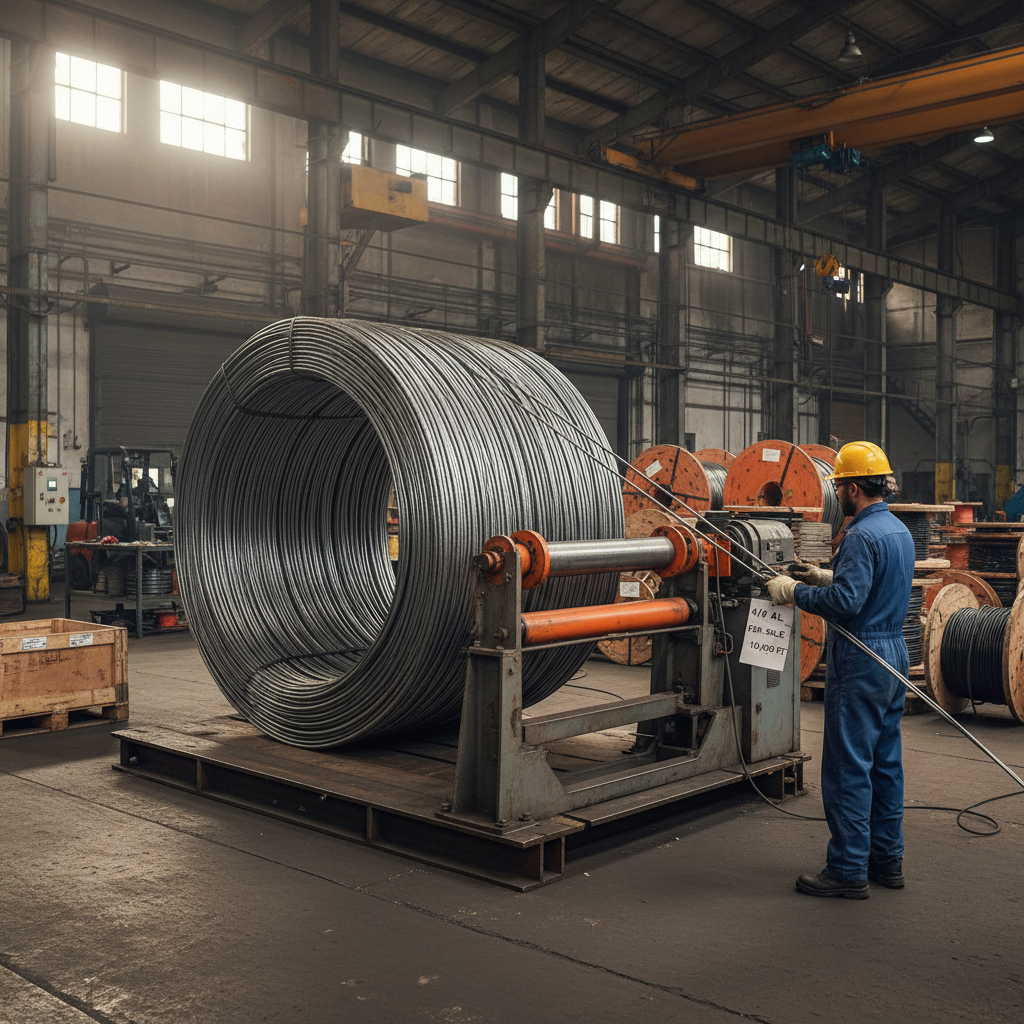
To be honest, the wire mesh china scene has been buzzing lately. Everyone’s talking about higher tensile strength, lighter materials… it’s all about pushing the boundaries, you know? It’s not just about building bigger; it’s about building smarter. I’ve been seeing a lot more stainless steel 304 and 316 being requested, mostly because of the corrosion resistance. Makes sense, especially for coastal projects. But have you noticed that demand is driving up prices? It's a headache.
One thing I've encountered at the Xinfeng factory last time, and it drives me nuts, is designers getting too caught up in the specs and forgetting about practicality. They'll specify a mesh size that's theoretically perfect, but it clogs up with debris on-site in five minutes. Then I'm the one getting yelled at. It always comes back to the real world, doesn't it?
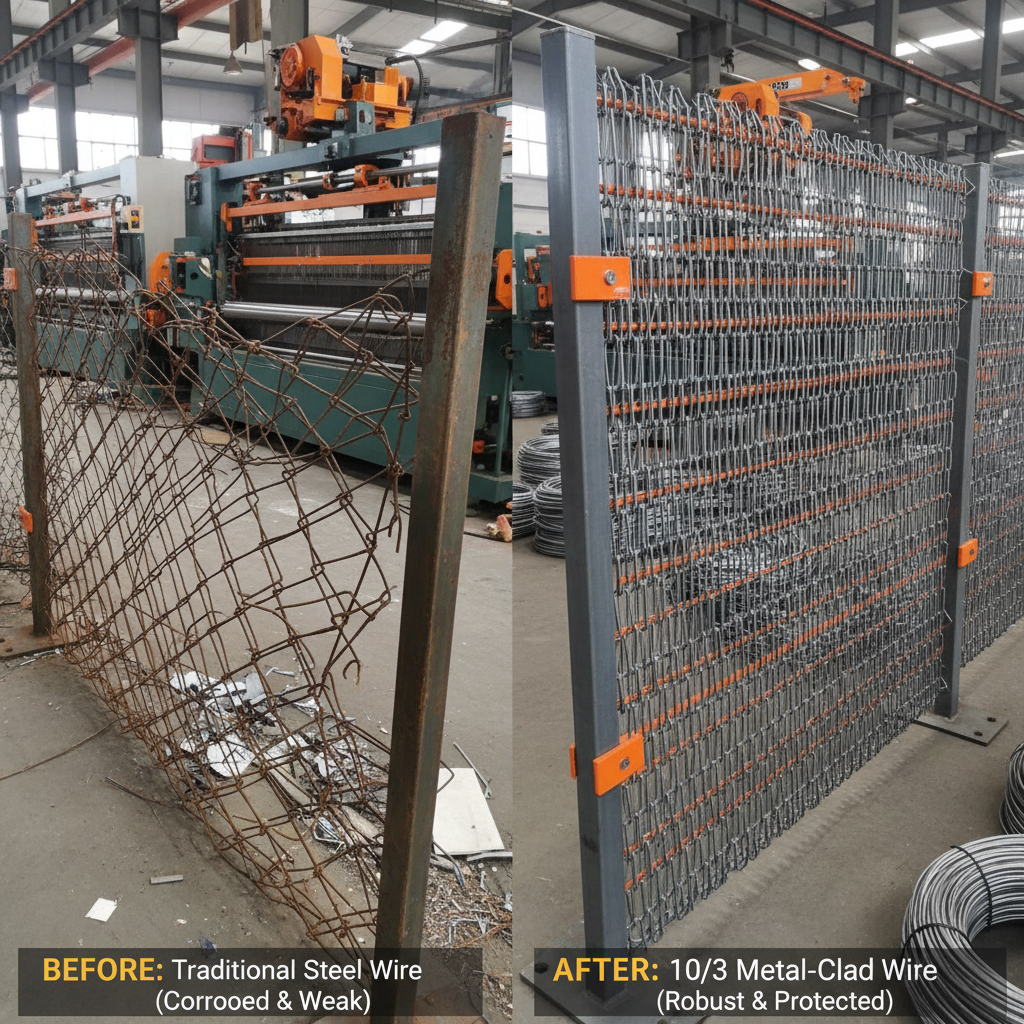
Anyway, I think a lot of folks underestimate how much the material feels. You pick up a roll of galvanized steel wire mesh china, and it's got that cool, slightly oily texture. You can smell the zinc, even. And the way it bends, the way it holds its shape… it tells you a lot about the quality. With PVC coated stuff, it's different – it's smoother, more plasticky. Smells… well, like plastic. It’s not as robust, but it’s great for applications where you need that extra bit of protection.
The Current Landscape of wire mesh china
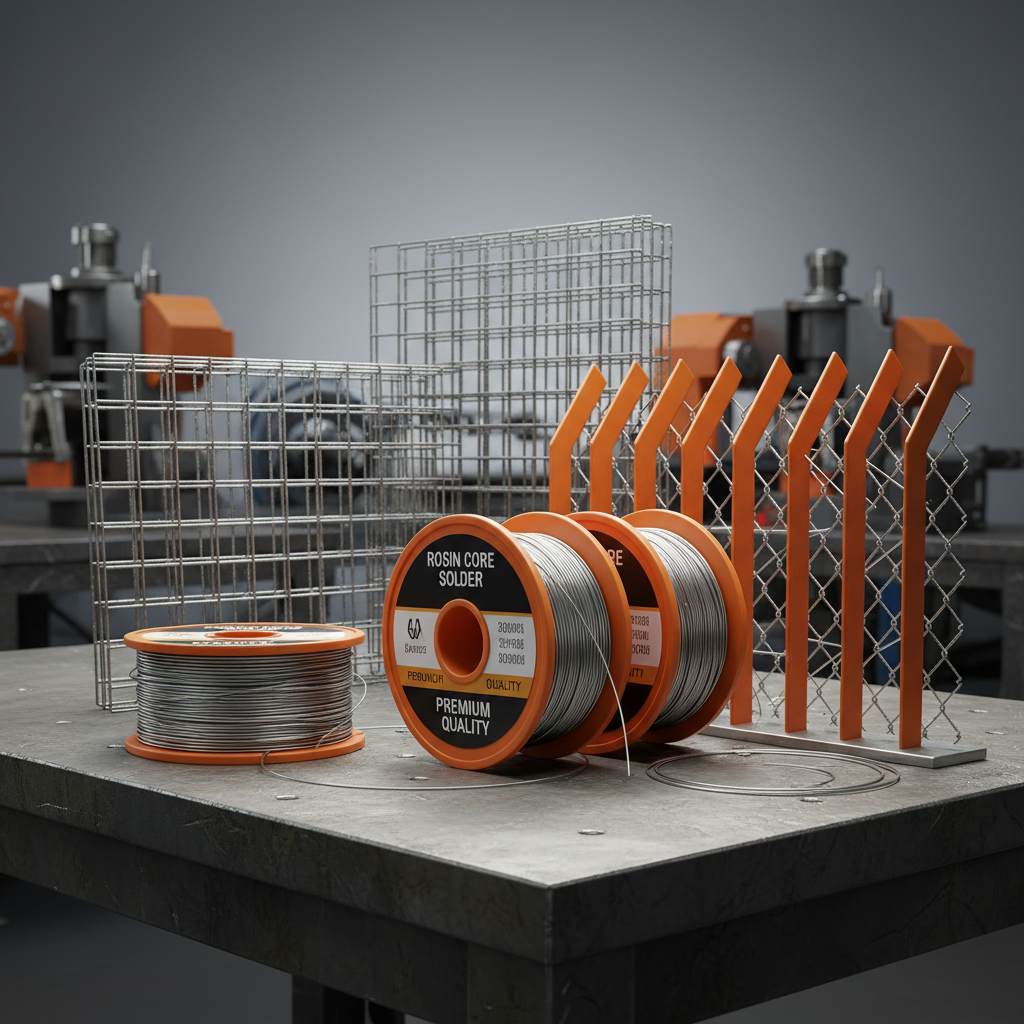
Strangely, demand for specialized coatings is up. People want more than just galvanized – they're looking for epoxy, powder coating, even nylon. It’s all about extending the lifespan and matching the aesthetic requirements of the project. I saw a project last year where they needed a bright orange PVC-coated mesh for safety barriers… looked like a construction site had been invaded by a traffic cone army.
It’s a global thing, of course. China is a massive producer, no surprise there, but you’re seeing more competition from places like India and Turkey. The quality varies wildly, though. You really have to know your suppliers.
Design Pitfalls and Practical Considerations
I've lost count of how many times I've seen plans call for a mesh that's just… impossible to work with on-site. You've got tight corners, awkward angles, and then they specify a mesh that needs to be precisely cut and bent. It's a nightmare. The engineers, bless their hearts, they're thinking in CAD programs, not in real-world construction.
Another thing is the wire diameter. Too thin, and it's flimsy. Too thick, and it’s a pain to cut and form. There's a sweet spot, and finding it requires experience, honestly. You gotta understand how the material will behave under stress.
And don’t even get me started on the aperture size. They’ll ask for a mesh that's supposed to filter out everything, but then wonder why it clogs up after five minutes. It’s a balancing act, really.
Material Nuances and On-Site Handling
Galvanized steel, as I said, is workhorse material. Affordable, relatively strong, and corrosion resistant. But it’s heavy. Really heavy. And the edges can be sharp. I’ve got the scars to prove it. You've gotta wear gloves, always. And proper cutting tools. Don't try to use a pair of tin snips – you'll be there all day.
Stainless steel… that's a different beast altogether. It's smoother, more resistant to corrosion, but it's also more expensive and harder to weld. You need skilled welders for that stuff. And the dust… oh, the dust. When you cut stainless steel, it creates a fine, metallic dust that gets everywhere. You gotta have proper ventilation and respirators.
PVC coating, now that's a bit easier to handle. It’s lighter and doesn't have those sharp edges. But it's not as strong as steel, and it can be damaged by UV light. We sometimes see discoloration after prolonged exposure to the sun.
Real-World Testing and Application Scenarios
Forget the lab tests. They're useful for getting a baseline, but the real test is what happens on a windy construction site, exposed to the elements. I've seen meshes that look perfect in a report fall apart after a few months.
We do a lot of informal testing ourselves. We'll stretch the mesh, bend it, try to tear it. We’ll leave it out in the rain, expose it to sunlight. It's not scientific, but it gives us a good idea of how it will perform in the field. I remember one time… Forget it, I won't mention it.
Wire Mesh China Performance Ratings
Advantages, Disadvantages, and Customization Options
The biggest advantage, honestly, is versatility. You can use wire mesh china for everything – reinforcement, filtration, security, even architectural features. It's lightweight, strong, and relatively inexpensive. But it's not perfect. It can corrode, it can be damaged, and it’s a pain to work with sometimes.
Customization is key. I had a client last year who needed a specific mesh size for a ventilation system. They wanted it woven with a particular pattern to maximize airflow while minimizing dust penetration. We worked with the factory to develop a custom weave, and it worked perfectly. It wasn't cheap, but it solved their problem.
A Customer Story: Shenzhen and the Debacle
Last month, that small boss in Shenzhen who makes smart home devices insisted on changing the interface to for a security mesh they were using. He thought it looked “more modern.” Seemed pointless to me, because the mesh was going to be hidden inside a plastic enclosure. But he insisted. The result? The new mesh was more expensive, harder to source, and didn't offer any practical benefit. He lost a week of production time and a whole lot of money. He called me, furious, asking if I could get him the old mesh back. I told him, "I told you so," but you can't say that to a customer, can you?
It’s a classic example of over-engineering. Sometimes, simple is better.
He's a smart guy, that boss, but he doesn't spend enough time on the construction site.
Performance Metrics and Comparative Analysis
When comparing different types of wire mesh china, you really need to focus on a few key metrics: tensile strength, elongation, corrosion resistance, and aperture size. Tensile strength tells you how much force the mesh can withstand before breaking. Elongation tells you how much it can stretch before failing. Corrosion resistance is pretty self-explanatory. And aperture size determines what can pass through the mesh.
It’s also important to consider the weave pattern. Plain weave is the most common and the most affordable. Twill weave is stronger and more flexible, but it’s also more expensive. Dutch weave is designed for filtration and has a very tight aperture size.
Ultimately, choosing the right mesh depends on the specific application. There's no one-size-fits-all solution.
Comparative Analysis of Wire Mesh China Properties
| Material Type |
Tensile Strength (MPa) |
Corrosion Resistance (1-5) |
Cost (USD/sq meter) |
| Galvanized Steel |
350-450 |
3 |
2-4 |
| Stainless Steel 304 |
500-700 |
4 |
5-8 |
| Stainless Steel 316 |
550-750 |
5 |
7-10 |
| PVC Coated Steel |
300-400 |
3.5 |
3-6 |
| Aluminum Mesh |
200-300 |
2 |
1-3 |
| Copper Mesh |
400-500 |
4 |
10-15 |
FAQS
Honestly, it’s not thinking about how it's actually going to be installed. They specify a mesh size that's too fine, or a wire diameter that's too thick, and then wonder why it's a pain to cut and form on-site. Always consider the practicalities.
Hugely important. The coating determines how well the mesh will resist corrosion and weathering. Galvanized steel is good for most applications, but stainless steel is better for harsh environments. And if you need something really durable, consider a powder coating or epoxy coating.
Yes, absolutely. Steel and aluminum mesh are both highly recyclable. That's one of the good things about using these materials. Just make sure to remove any coatings before recycling.
A good pair of wire cutters is essential. Don't try to use a hacksaw or a grinder – you’ll just damage the mesh. And always wear gloves and eye protection. Safety first!
Woven mesh is made by interlacing wires, while welded mesh is made by fusing wires together with heat. Woven mesh is generally stronger and more flexible, while welded mesh is more affordable and easier to manufacture.
Ask for references, check their certifications, and visit their factory if possible. A good supplier will be transparent and willing to answer your questions. And trust your gut. If something feels off, it probably is.
Conclusion
So, there you have it. wire mesh china, it’s a simple product, but there’s a surprising amount to consider. From material selection to installation techniques, there are a lot of factors that can affect its performance. Ultimately, it's about finding the right balance between cost, strength, durability, and practicality.
And remember, technology is always changing, suppliers are always innovating, but in the end, whether this thing works or not, the worker will know the moment he tightens the screw. That's the truth of it.