Hit enter to search or ESC to close
Look, the whole wire mesh in china game… it’s been moving fast. Real fast. Used to be, you got your standard galvanized, maybe some stainless if you were fancy. But now? Everyone’s chasing higher tensile strengths, lighter weights, and coatings that’ll survive a nuclear winter. To be honest, a lot of it's marketing hype, but there’s some genuinely good stuff coming out of China these days. You gotta keep an eye on it, or you'll be stuck with old tech.
I’ve seen so many designs… and you know what gets people tripped up? The corners. Always the corners. People try to get too clever, cut costs, and suddenly you’ve got stress points where the mesh will fail. It’s basic engineering, but it happens all the time. Have you noticed how many samples I send back? It’s frustrating.
And it's not just about the design. It’s about the material itself. We use a lot of Q235 steel, naturally. It smells like… well, steel. Kinda metallic, a bit oily. You can tell a good batch by how it feels – weighty, solid. Not that cheap, brittle stuff. Then there’s the PVC coating. That stuff’s… sticky. Always gets on your gloves. I encountered this at a factory in Anping last time, they were using a new coating that smelled strongly of plastic, really unpleasant. They assured me it was “eco-friendly”. Right.
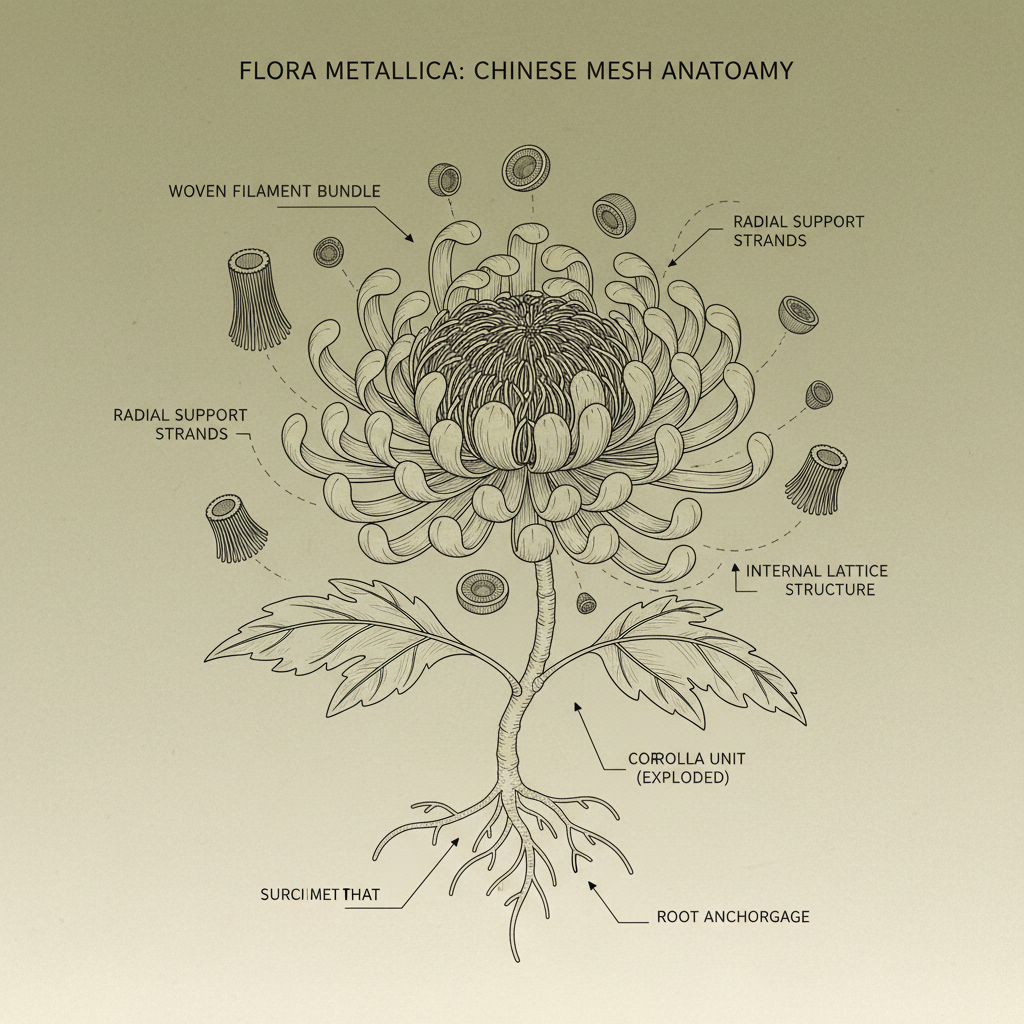

It started pretty simple, you know? Basic woven mesh for fencing, chicken coops. Then came the demand for reinforced concrete – suddenly, everyone needed rebar and mesh for strength. The Chinese manufacturers really stepped up their game. It wasn't always pretty, but it was cheap and got the job done. Strangely enough, they learned a lot from the older European techniques.
Now it's all about specialization. Architectural mesh, security mesh, filter mesh… it’s a whole different world. And the quality control has improved dramatically. Not perfect, mind you, but getting there. I still check every batch myself. Old habits die hard.
In a harsh coastal setting, galvanized mesh will typically last around 5-7 years before significant corrosion becomes apparent. This can be extended with thicker galvanization and regular maintenance, like applying protective coatings. It really depends on the salt spray exposure and the quality of the initial galvanizing process. Don't expect miracles, though.
You need to consider the particle size of the soil you're retaining. The mesh openings should be significantly smaller than the soil particles to prevent erosion. A good rule of thumb is to use a mesh size that's at least 2-3 times smaller than the average soil particle diameter. Consult with a geotechnical engineer for precise recommendations.
It depends on your budget and the environment. Stainless steel is much more corrosion-resistant than galvanized steel, making it ideal for areas with high humidity, saltwater exposure, or acidic soils. However, it's significantly more expensive. If you’re in a mild climate, galvanized may be sufficient. But if you want long-term durability, stainless is the way to go.
Use aviation snips or a wire cutting plier with a sharp blade. Cutting with a dull blade will cause the wires to deform and unravel. Also, try to cut along the wires, rather than between them. If you’re cutting a large piece, consider using a power shear for a cleaner cut. And always wear gloves and eye protection!
Yes, absolutely! Most steel and stainless steel wire mesh is readily recyclable. Scrap metal yards will typically accept it. Removing any non-metallic coatings (like PVC) beforehand can improve the recycling process. It's a good way to reduce waste and contribute to a more sustainable future.
PVC is flammable, so PVC-coated mesh should not be used in applications where fire resistance is critical. It releases toxic fumes when burned. For fire-sensitive areas, consider using galvanized or stainless steel mesh instead. Always check local building codes and fire safety regulations before installation.
So, yeah, wire mesh in china. It’s not glamorous work, but it’s essential. It's in everything – from the concrete under your feet to the fences around your property. The industry's evolved a lot, pushing for higher strength, better corrosion resistance, and more customization options. There's a lot of hype out there, but ultimately, a good product starts with good materials and careful attention to detail.
Look, at the end of the day, whether this thing works or not, the worker will know the moment he tightens the screw. That’s what I always say. And if he’s cursing under his breath, well, that means we need to go back to the drawing board. wire mesh in china