Hit enter to search or ESC to close
Wire gauze, a seemingly simple material, plays a crucial role across a vast spectrum of industries and applications. Understanding its purpose is paramount, not just for engineers and manufacturers, but also for anyone involved in areas like filtration, safety, and even scientific research. Its versatility stems from its unique combination of permeability, strength, and cost-effectiveness, making it a foundational component in numerous processes globally. The widespread availability and adaptability of wire gauze make it a cornerstone material in modern infrastructure.
Globally, the demand for wire gauze is intrinsically linked to industrial growth and technological advancement. According to the World Bank, developing nations are witnessing a surge in manufacturing, driving up the need for filtration and separation technologies where wire gauze is a key ingredient. The ISO standards governing material quality and performance further emphasize the importance of reliable wire gauze in critical applications. Addressing challenges like contamination control and process efficiency hinges on understanding the proper selection and utilization of this material.
The escalating need for efficient and cost-effective filtration systems in industries ranging from pharmaceuticals to oil & gas directly translates to heightened demand for high-quality wire gauze. This demand isn't just about meeting existing needs; it's about proactively addressing emerging challenges like environmental sustainability and workplace safety – areas where the precise function of wire gauze is often critical.
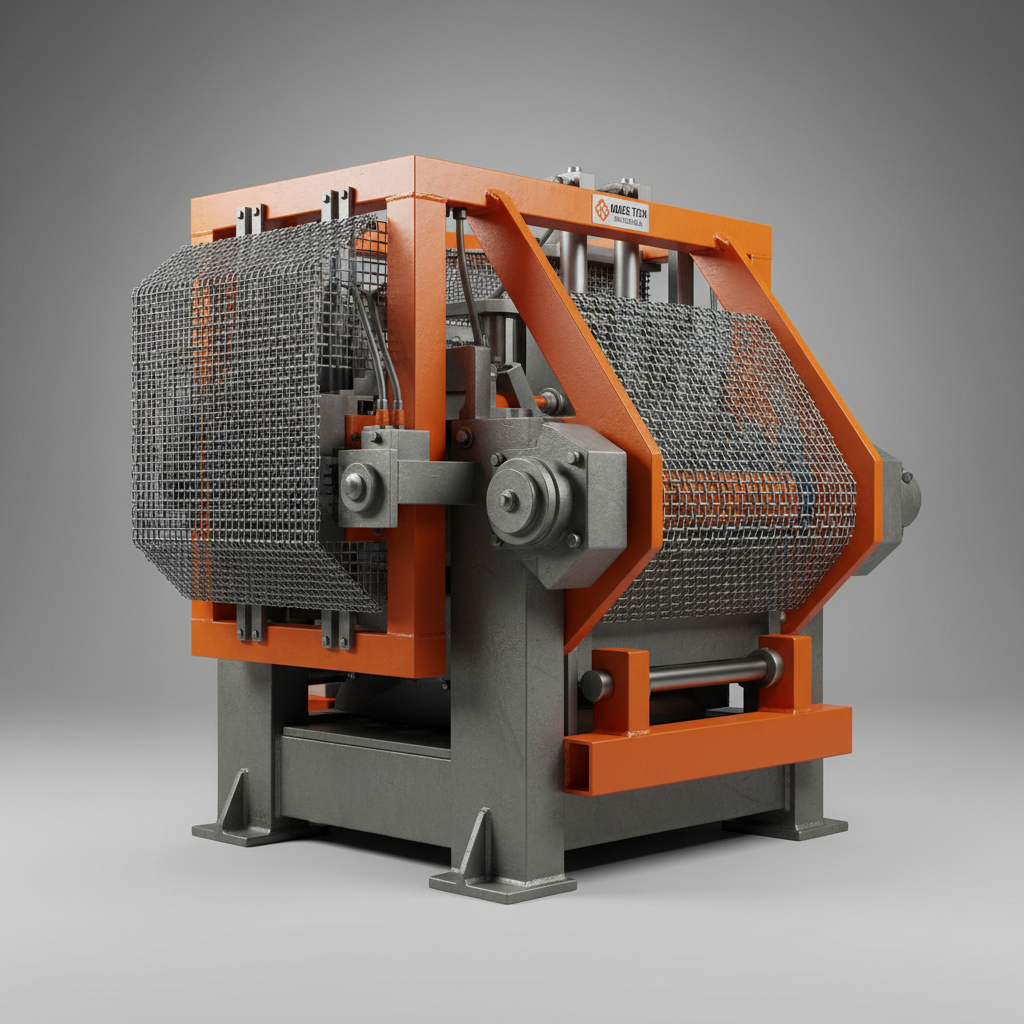
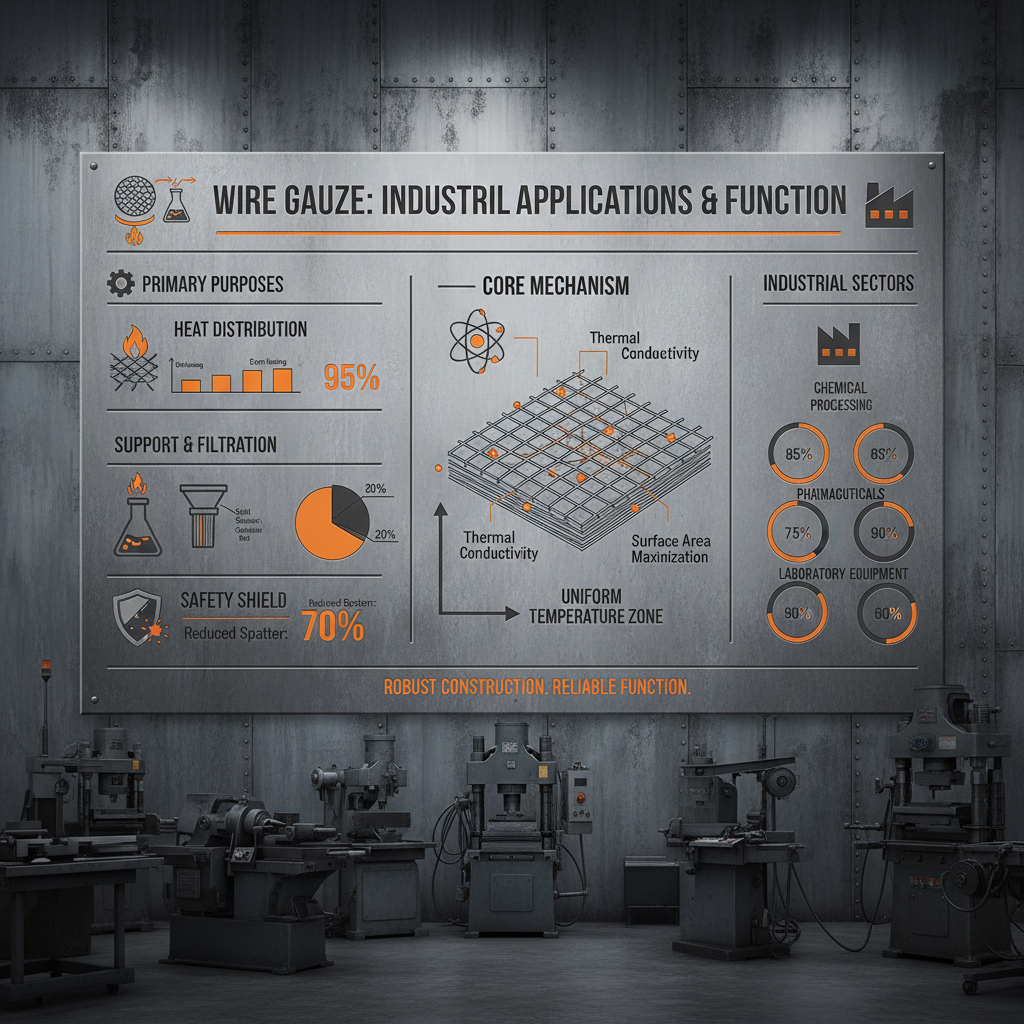
The purpose of wire gauze extends far beyond its simple appearance. It’s a fundamental element in countless processes, acting as a filter, a support, a barrier, and a component in composite materials. Its ability to consistently deliver these functions reliably and affordably makes it indispensable. This material's significance lies in its foundational role within broader industrial and scientific contexts.
Essentially, wire gauze provides a controlled permeable barrier. This barrier’s precise characteristics – mesh size, material composition, and thickness – are carefully engineered to meet specific application requirements. Understanding these characteristics is key to unlocking the full potential of wire gauze and optimizing its performance in any given scenario.
Wire gauze is typically manufactured from a variety of metals, including stainless steel (304, 316), brass, aluminum, copper, and galvanized steel. The choice of material depends heavily on the intended application and its specific requirements – such as corrosion resistance, temperature tolerance, and strength. Stainless steel is favored for its durability and wide range of applications, while brass offers good conductivity and is often used in filtration. Each material provides unique properties that cater to different industrial needs.
Determining the correct mesh count involves considering the size of the particles you need to filter or separate. A higher mesh count indicates smaller openings and finer filtration. Start by identifying the particle size you want to retain. Then, select a mesh count that is slightly smaller than that particle size to ensure effective separation. It's also important to balance filtration efficiency with flow rate – finer meshes can restrict flow, so optimize based on your process requirements.
Woven wire gauze is created by interlacing wires in a pattern, resulting in a more flexible and uniform structure. Welded wire gauze, conversely, is formed by welding intersecting wires together, creating a more rigid and stable mesh. Woven gauze is ideal for applications requiring flexibility and conformability, while welded gauze is preferred for situations demanding higher strength and dimensional stability. The choice depends on the specific demands of the application.
Yes, certain types of wire gauze are suitable for high-temperature applications. Stainless steel alloys, particularly 310 and 316 grades, exhibit excellent heat resistance and can withstand temperatures up to 1200°C (2200°F). Nickel-based alloys offer even higher temperature capabilities. The specific temperature limit depends on the alloy composition and the operating environment. It's crucial to select a material that maintains its strength and structural integrity at elevated temperatures.
Corrosion can be prevented by selecting corrosion-resistant materials, such as stainless steel, titanium, or specialized alloys, appropriate for the operating environment. Protective coatings, like epoxy or polymer coatings, can also be applied to enhance corrosion resistance. Regular cleaning and maintenance are vital, especially in corrosive environments. Proper storage and handling practices further minimize the risk of corrosion and extend the service life of the wire gauze.
Wire gauze is commonly used in water filtration as a pre-filter to remove large particles and sediment, protecting downstream filters like carbon filters or reverse osmosis membranes. It’s also used in well screens to prevent sand and gravel from entering the well. Stainless steel wire gauze is particularly favored due to its corrosion resistance and ability to withstand continuous water exposure. Different mesh sizes are employed to target varying particle sizes based on the desired water quality.
In conclusion, the purpose of wire gauze extends far beyond its simple construction. It is a versatile and indispensable material underpinning countless industrial processes, from filtration and separation to structural support and protection. Its adaptability, cost-effectiveness, and readily customizable properties make it an essential component in a diverse range of applications worldwide. The importance of properly selecting and utilizing wire gauze cannot be overstated, as it directly impacts efficiency, safety, and reliability.
Looking ahead, continued innovation in materials science and manufacturing techniques promises to further enhance the capabilities of wire gauze, unlocking new applications and addressing emerging challenges. By embracing these advancements and prioritizing sustainable practices, we can leverage the full potential of wire gauze to drive progress across industries and contribute to a more sustainable future. Visit our website at www.hebei-wiremesh.com to learn more about our comprehensive range of wire gauze products and solutions.