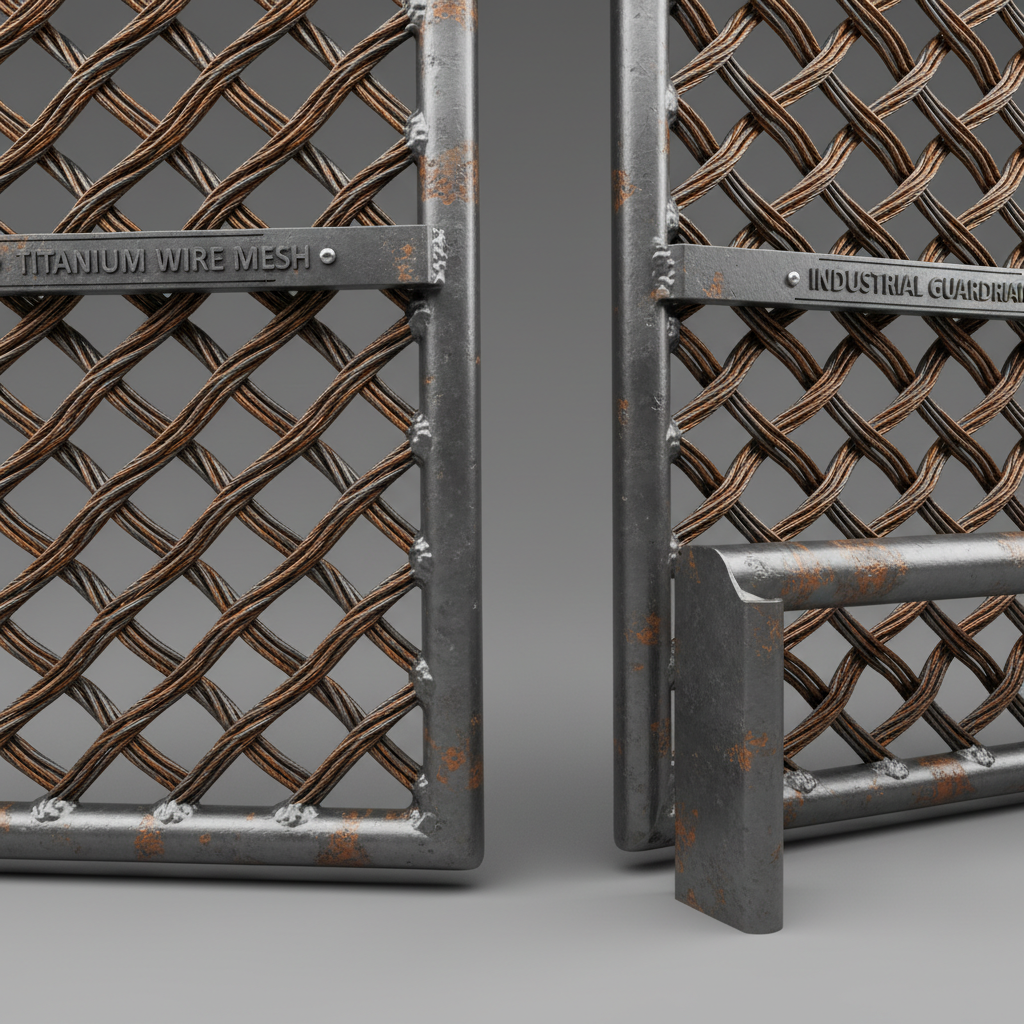
Mesh wire dimensions are fundamental to a vast array of industries, impacting everything from construction and agriculture to security and filtration. Understanding these dimensions – the wire gauge, aperture size, and overall sheet dimensions – is crucial for ensuring structural integrity, optimizing performance, and meeting specific application requirements. Globally, the demand for precisely manufactured mesh wire continues to rise, driven by infrastructural development and a growing need for efficient material solutions.
The importance of standardized mesh wire dimensions extends beyond mere technical specifications. Consistent dimensions facilitate interoperability between components, streamline manufacturing processes, and reduce waste. For example, in disaster relief efforts, rapidly deployable shelters utilizing pre-fabricated mesh structures rely on precise dimensions for quick assembly and stability. The ability to accurately specify and obtain mesh with required dimensions directly translates to efficient project execution and minimized costs.
Furthermore, advancements in material science and manufacturing techniques are constantly pushing the boundaries of what’s possible with mesh wire. Innovations in coatings, weaving patterns, and alloy compositions are creating mesh with enhanced strength, corrosion resistance, and specialized functionalities. A comprehensive understanding of mesh wire dimensions is, therefore, essential for engineers, architects, and procurement professionals across diverse sectors.
Introduction to mesh wire dimensions
Understanding the interplay between wire gauge, aperture size, and overall dimensions of mesh wire is paramount for achieving desired structural and functional properties. A seemingly minor variation in any of these dimensions can significantly impact the mesh’s load-bearing capacity, filtration efficiency, or security level. mesh wire dimensions impact numerous industries.
The selection of appropriate mesh wire dimensions is rarely arbitrary. It's often dictated by industry standards, regulatory requirements, or specific performance criteria. For instance, agricultural applications may prioritize aperture size to allow for optimal airflow and water drainage, while security applications prioritize wire gauge and mesh density to prevent intrusion. Precise specifications are critical for project success.
Defining Mesh Wire Dimensions
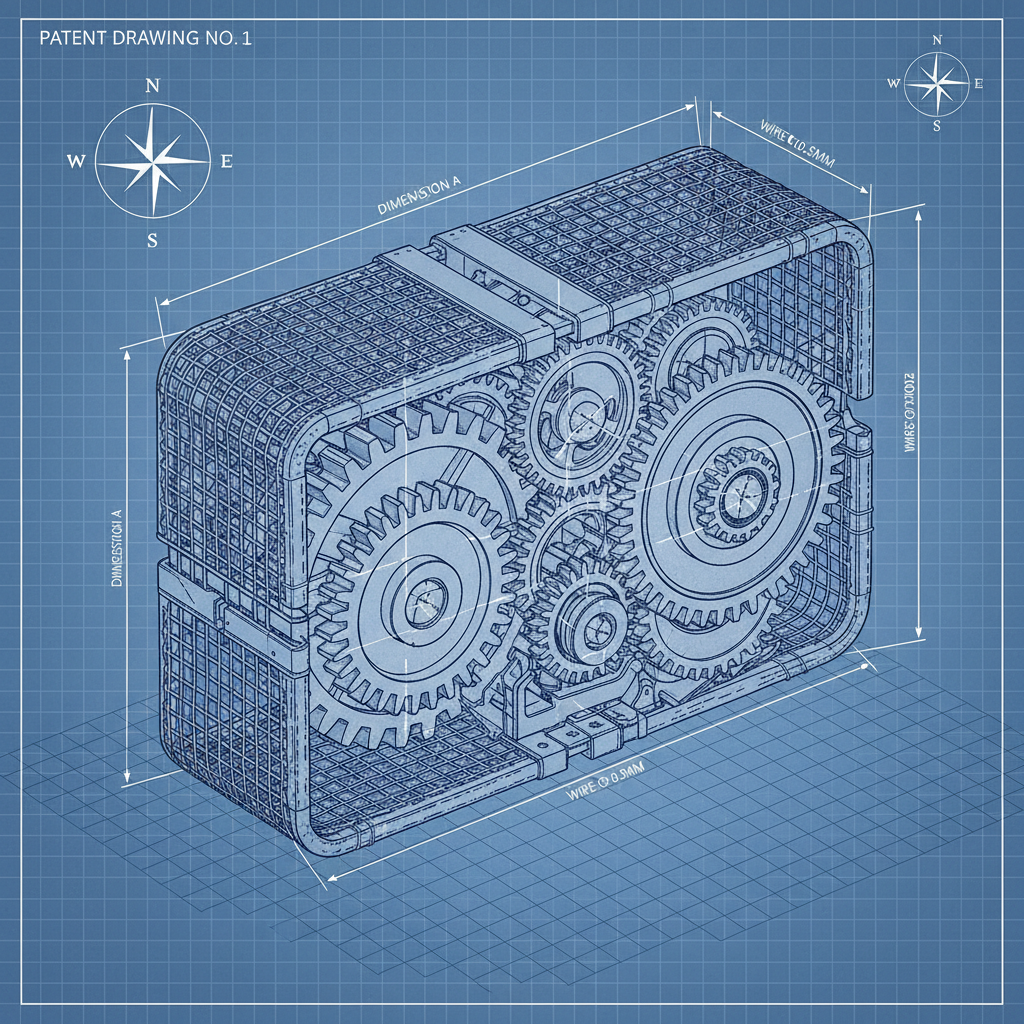
Mesh wire dimensions, in their simplest form, describe the physical characteristics of a woven or welded wire mesh. The key measurements include the wire gauge (thickness of the wire), the aperture size (the openings in the mesh), and the overall dimensions of the mesh sheet or roll. Wire gauge is typically measured in AWG (American Wire Gauge) or millimeters, with lower AWG numbers indicating thicker wire.
Aperture size is often expressed as the clear opening between wires, measured in millimeters or inches. The weave or weld pattern—square, hexagonal, twilled, etc.—also influences the effective aperture size and overall mesh characteristics. These dimensions are interconnected; for example, increasing wire gauge generally requires adjusting aperture size to maintain a consistent mesh density.
This concept isn't simply a technical specification; it's deeply interwoven with modern industry needs. From reinforcing concrete in construction to creating fine filters in pharmaceuticals, the precise definition of mesh wire dimensions is vital for product reliability, safety, and regulatory compliance.
Core Components of mesh wire dimensions
Durability is a cornerstone of effective mesh wire performance. The wire gauge and material composition directly influence the mesh’s resistance to corrosion, wear, and tear. Galvanized steel, stainless steel, and specialized alloys are often selected based on the anticipated environmental conditions and load-bearing requirements. Selecting the correct mesh wire dimensions is crucial for long-term performance.
Scalability refers to the ability to produce mesh wire in various sizes and shapes to meet diverse application needs. Manufacturers must be able to consistently deliver custom dimensions and configurations while maintaining quality control. This scalability is especially important for large-scale projects like infrastructure development or agricultural fencing.
Cost-efficiency is a significant factor in material selection. Balancing durability, performance, and cost is crucial for optimizing project budgets. While thicker wire gauges and higher-grade materials offer superior performance, they also come with a higher price tag. Careful consideration of application requirements is essential to identify the most cost-effective solution.
Practical Applications of mesh wire dimensions
The construction industry relies heavily on mesh wire dimensions for reinforcing concrete, creating precast components, and providing structural support. Specific mesh spacing and wire gauge are calculated based on load-bearing requirements and structural design specifications. In agriculture, mesh wire fencing is used to contain livestock, protect crops, and create secure environments.
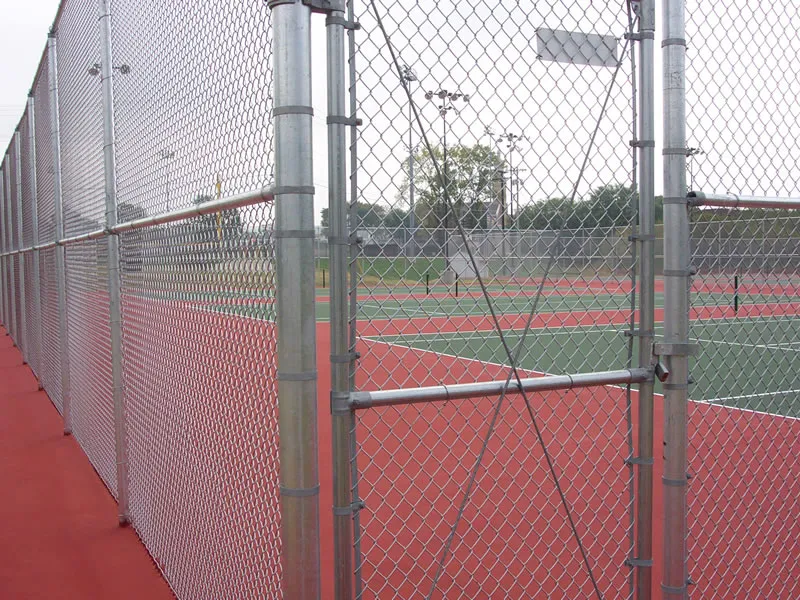
The security sector utilizes mesh wire with precise dimensions to create barriers, cages, and protective screens. The wire gauge and aperture size are carefully chosen to deter intrusion while maintaining visibility and airflow. Filtration systems across various industries—from water treatment to pharmaceuticals— depend on precisely manufactured mesh wire to separate solids from liquids and ensure product purity.
Mesh Wire Dimensions Performance Metrics
Advantages and Long-Term Value
Cost savings are a direct result of selecting the optimal mesh wire dimensions for a specific application. By avoiding over-engineering or under-specifying, projects can minimize material waste and labor costs. The increased durability of correctly specified mesh wire translates to reduced maintenance and replacement frequency, resulting in long-term cost benefits.
Sustainability is enhanced by using durable, long-lasting materials. Reduced material consumption and extended product lifecycles contribute to a smaller environmental footprint. The reliability of mesh wire, when engineered to precise dimensions, ensures the safety and stability of structures and systems, mitigating risks and protecting assets.
Future Trends in mesh wire dimensions
The integration of smart materials and sensors into mesh wire structures is a growing trend. These “smart meshes” can monitor stress, temperature, and other environmental factors, providing real-time data for predictive maintenance and structural health monitoring. Advances in additive manufacturing (3D printing) are opening up new possibilities for creating complex mesh geometries with customized dimensions and properties.
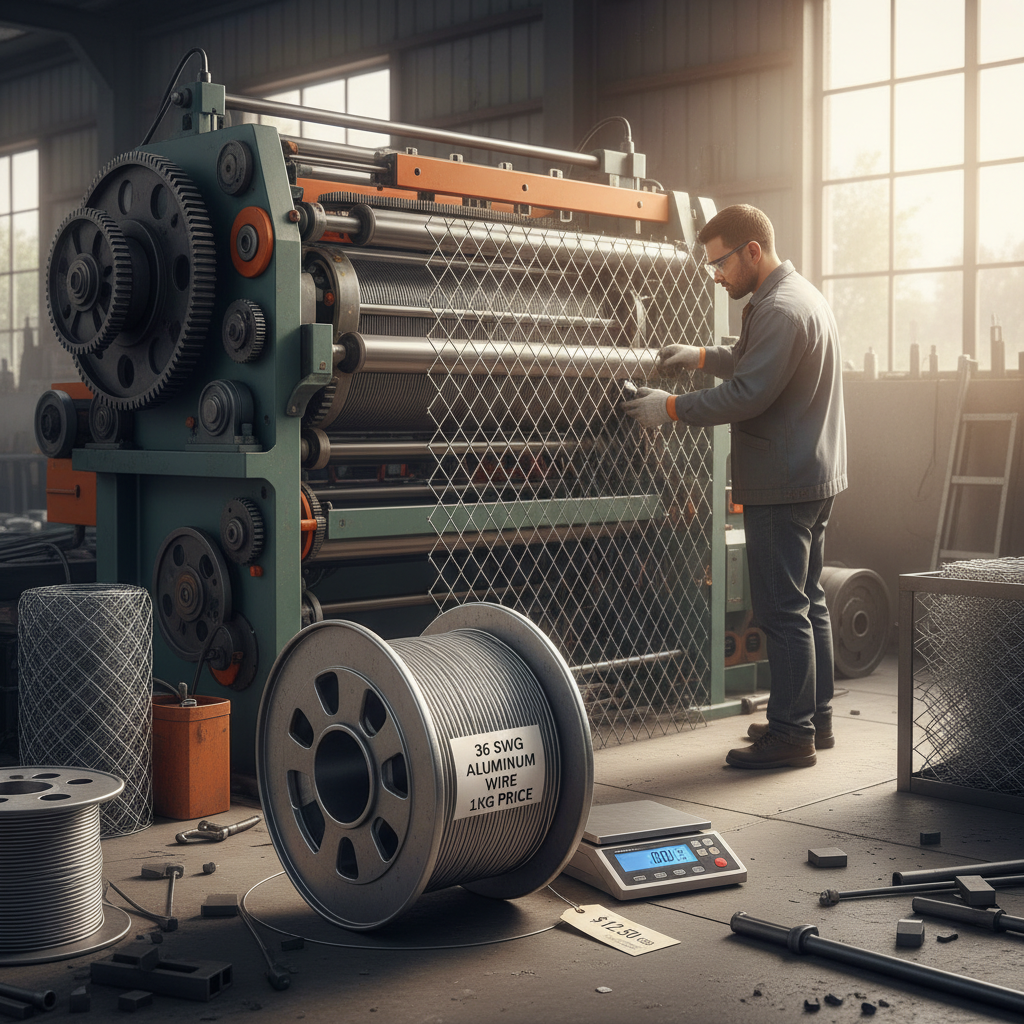
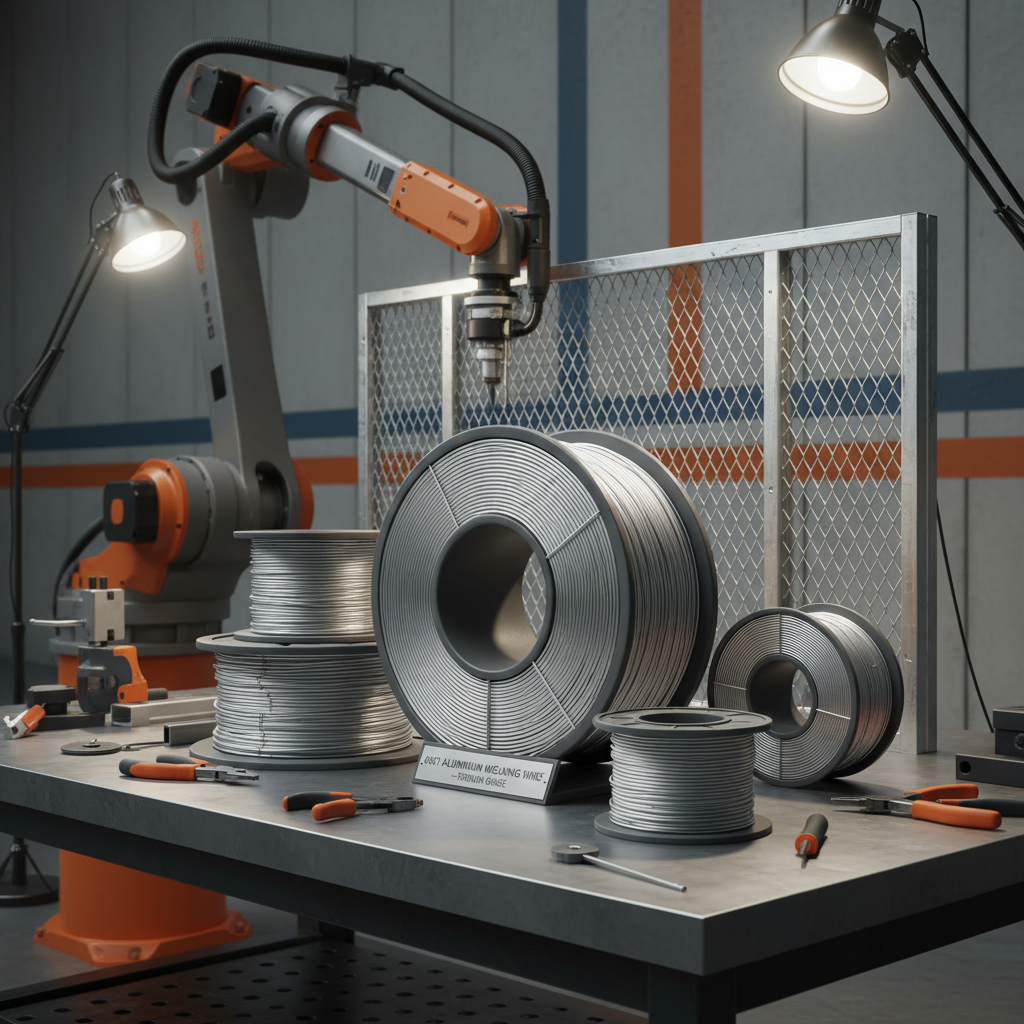
There's increasing demand for environmentally friendly mesh materials, such as recycled metals and bio-based polymers. These materials offer comparable performance to traditional materials while reducing reliance on finite resources. Automation and robotics are being implemented in mesh wire manufacturing to improve precision, reduce labor costs, and increase production efficiency.
Challenges and Innovative Solutions
Maintaining consistent quality control across large-scale mesh wire production can be challenging. Variations in wire gauge, aperture size, and weave patterns can compromise performance and structural integrity. Innovative solutions include the implementation of advanced sensor technologies, automated inspection systems, and real-time data analysis.
Sourcing raw materials with consistent specifications and ensuring supply chain transparency are ongoing challenges. Collaborative partnerships with reputable suppliers and the adoption of blockchain technology can help track material provenance and ensure quality. mesh wire dimensions are constantly being improved.
The need for specialized mesh wire dimensions for emerging applications – such as biomedical implants or aerospace components – requires ongoing research and development. Collaboration between materials scientists, engineers, and manufacturers is essential to address these challenges and unlock new possibilities.
Summary of Challenges and Solutions for Mesh Wire Dimension Optimization
| Challenge |
Impact on mesh wire dimensions |
Proposed Solution |
Implementation Difficulty (1-10) |
| Inconsistent Raw Material Quality |
Variations in wire gauge & tensile strength |
Supplier Audits & Material Certification |
6 |
| Production Process Drift |
Changes in aperture size & mesh density |
Automated Process Control & Real-Time Monitoring |
8 |
| Lack of Traceability |
Difficulty identifying source of defects |
Blockchain-Based Supply Chain Tracking |
7 |
| Custom Dimension Complexity |
Difficulty meeting unique customer specs |
Modular Manufacturing & 3D Printing |
9 |
| Limited Quality Inspection |
Missed defects impacting performance |
Automated Vision Systems & Non-Destructive Testing |
5 |
| Standardization Gaps |
Lack of clear industry standards |
Industry Collaboration & Standard Development |
4 |
FAQS
Wire gauge directly influences the strength and durability of the mesh. A lower gauge number indicates a thicker wire, providing greater resistance to bending, stretching, and corrosion. Selecting the correct wire gauge is crucial for applications requiring high load-bearing capacity or exposure to harsh environments. Understanding the correlation between wire gauge and mesh performance is fundamental to ensuring the longevity and reliability of the final product.
Aperture size determines the openings in the mesh and significantly impacts its functionality. Smaller apertures provide finer filtration, increased security, and better containment, while larger apertures allow for greater airflow, drainage, and visibility. The optimal aperture size depends on the specific application requirements; for example, insect screening requires small apertures, while agricultural fencing may require larger ones.
Common materials include carbon steel, galvanized steel, stainless steel, aluminum, and copper alloys. Carbon steel is cost-effective but susceptible to corrosion. Galvanized steel offers improved corrosion resistance. Stainless steel provides superior durability and is ideal for harsh environments. Aluminum is lightweight and corrosion-resistant, while copper alloys offer excellent conductivity.
Mesh dimensions are typically specified using a combination of parameters: wire gauge (AWG or mm), aperture size (mm or inches), mesh count (number of openings per inch), and overall sheet dimensions (length and width). Standards like ASTM and ISO provide guidelines for measurement and specification. Accurate specification ensures consistent quality and interoperability.
The weave pattern impacts the mesh’s strength, flexibility, and appearance. Square weave is common for general-purpose applications. Hexagonal weave offers greater flexibility. Twilled weave provides increased stability. Plain weave is simple and cost-effective. The choice of weave pattern should align with the application's structural and functional requirements.
Exposure to corrosive environments (saltwater, chemicals) necessitates the use of corrosion-resistant materials like stainless steel or specialized coatings. Extreme temperatures can affect the material’s strength and flexibility, requiring careful material selection. UV exposure can degrade certain polymers, necessitating UV-stabilized materials or protective coatings.
Conclusion
In conclusion, a thorough understanding of mesh wire dimensions is paramount for success across a wide range of industries. From ensuring structural integrity in construction to optimizing filtration efficiency in industrial processes, precisely defined dimensions translate directly to enhanced performance, cost savings, and long-term reliability. Accurate specifications, coupled with quality manufacturing practices, are essential for achieving optimal results.
Looking ahead, continued innovation in materials science and manufacturing technologies will further expand the possibilities of mesh wire applications. Embracing these advancements, along with a commitment to sustainability and responsible sourcing, will drive the evolution of this versatile material and unlock new opportunities for growth and innovation. Visit our website at www.hebei-wiremesh.com to learn more about our extensive range of mesh wire products and solutions.