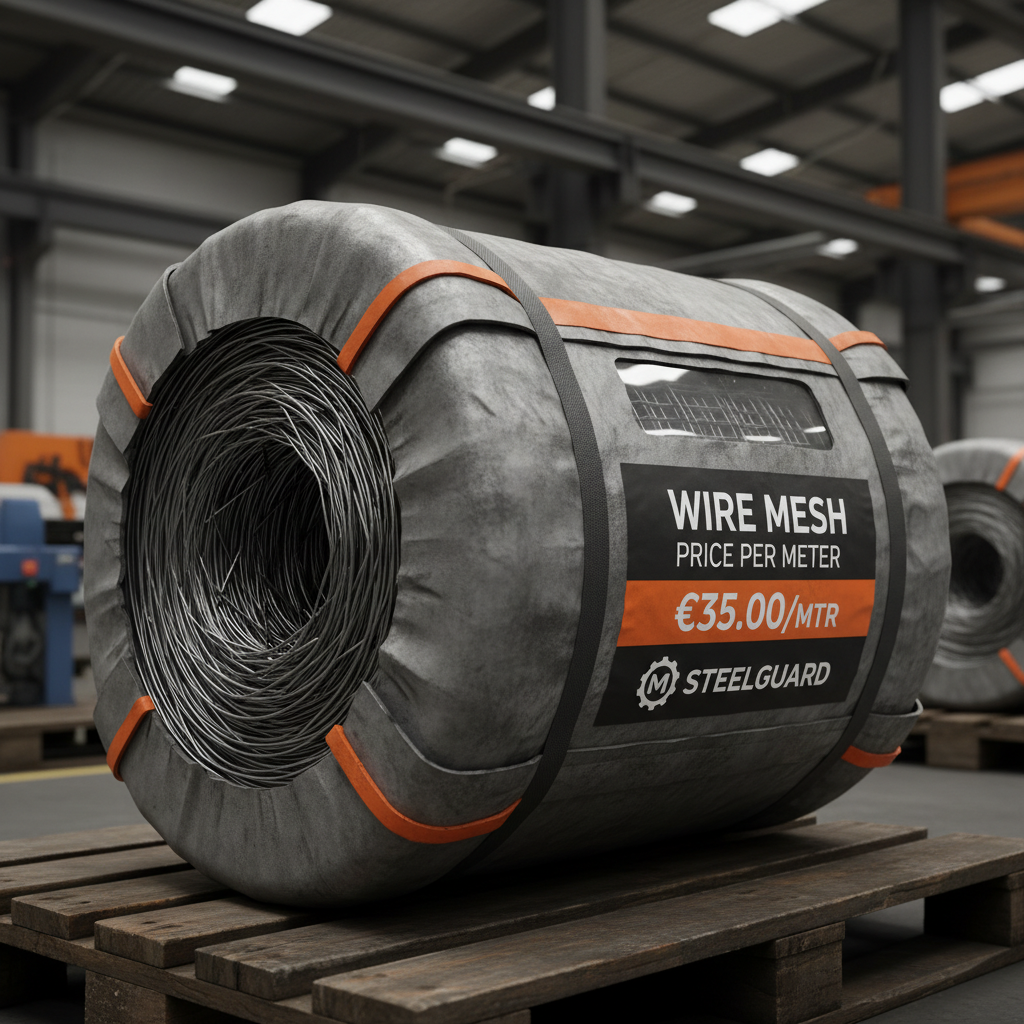
The global demand for efficient and cost-effective building materials is constantly increasing, particularly in sectors like construction, agriculture, and security. Understanding the wire mesh price per meter is crucial for project managers, procurement specialists, and anyone involved in large-scale material sourcing. This knowledge directly impacts budgeting, project timelines, and overall project success. Accurate pricing insights are vital for optimal resource allocation and competitive bidding.
The wire mesh price per meter isn't just a transactional detail; it's a key indicator of broader economic trends, material availability, and manufacturing costs. Fluctuations in raw material prices (like steel or stainless steel), energy costs, and transportation rates all influence the final price. Moreover, geopolitical factors and global supply chain disruptions can significantly impact availability and, consequently, the price.
Effective management of wire mesh price per meter is essential for minimizing project expenses and maximizing return on investment. A thorough understanding of the factors influencing pricing allows for strategic purchasing decisions, enabling businesses to secure the best possible deals and maintain profitability in a competitive market.
The Importance of Wire Mesh Price per Meter
The wire mesh price per meter serves as a foundational element in many industries, directly impacting project budgets and overall feasibility. Accurately forecasting and understanding these costs allows for more precise project planning and resource allocation. Businesses can leverage this knowledge to improve their competitive advantage and maintain profitability.
Beyond simple cost considerations, a detailed comprehension of the factors influencing wire mesh price per meter enables proactive risk management. Staying informed about market trends, material availability, and potential disruptions allows companies to mitigate potential price increases and ensure uninterrupted supply chains.
Global Market Dynamics of Wire Mesh
The global wire mesh market is a multi-billion dollar industry, driven by demand from construction, agriculture, industrial filtration, and security sectors. Major producing countries include China, the United States, Germany, and India. These nations benefit from robust manufacturing infrastructure and access to raw materials. However, trade policies, tariffs, and geopolitical events can significantly affect the flow of materials and, consequently, wire mesh price per meter.
According to a report by the United Nations, the construction industry alone accounts for a substantial portion of global wire mesh demand. Rapid urbanization, particularly in developing economies, is driving this demand. Furthermore, increased investment in infrastructure projects, such as highways, bridges, and tunnels, further contributes to the growth of the wire mesh market.
The World Bank reports indicate a growing need for resilient infrastructure in vulnerable regions, boosting the demand for corrosion-resistant wire mesh for reinforcement and protective applications. This demand is particularly prominent in areas prone to natural disasters or harsh environmental conditions.
Defining Wire Mesh Price per Meter
Wire mesh price per meter refers to the cost of one linear meter of wire mesh material. This is a standard unit of measurement used for quoting and purchasing wire mesh products. It’s essential to understand that this price varies based on several factors, including the material (steel, stainless steel, galvanized steel, etc.), the mesh size (aperture), the wire gauge (thickness), and the manufacturing process.
The concept of wire mesh price per meter is intrinsically linked to modern industrial practices. From reinforcing concrete structures to providing protective barriers in various applications, wire mesh plays a vital role in ensuring safety and durability. Its affordability and versatility make it a preferred material across a broad spectrum of industries.
In humanitarian contexts, wire mesh is frequently used in temporary shelters, fencing for refugee camps, and reinforcing structures in disaster relief efforts. Accurate cost assessment, based on the wire mesh price per meter, is critical for efficient resource allocation during emergency responses.
Key Factors Influencing Wire Mesh Price
Several critical factors impact the wire mesh price per meter. Raw material costs, particularly the price of steel, constitute a significant portion of the overall expense. Fluctuations in steel prices, driven by global demand and supply dynamics, directly affect wire mesh pricing.
Another key factor is the manufacturing process. Different weaving or welding techniques require varying levels of labor and energy, impacting production costs. The complexity of the mesh pattern, such as hexagonal or square weave, also influences the price.
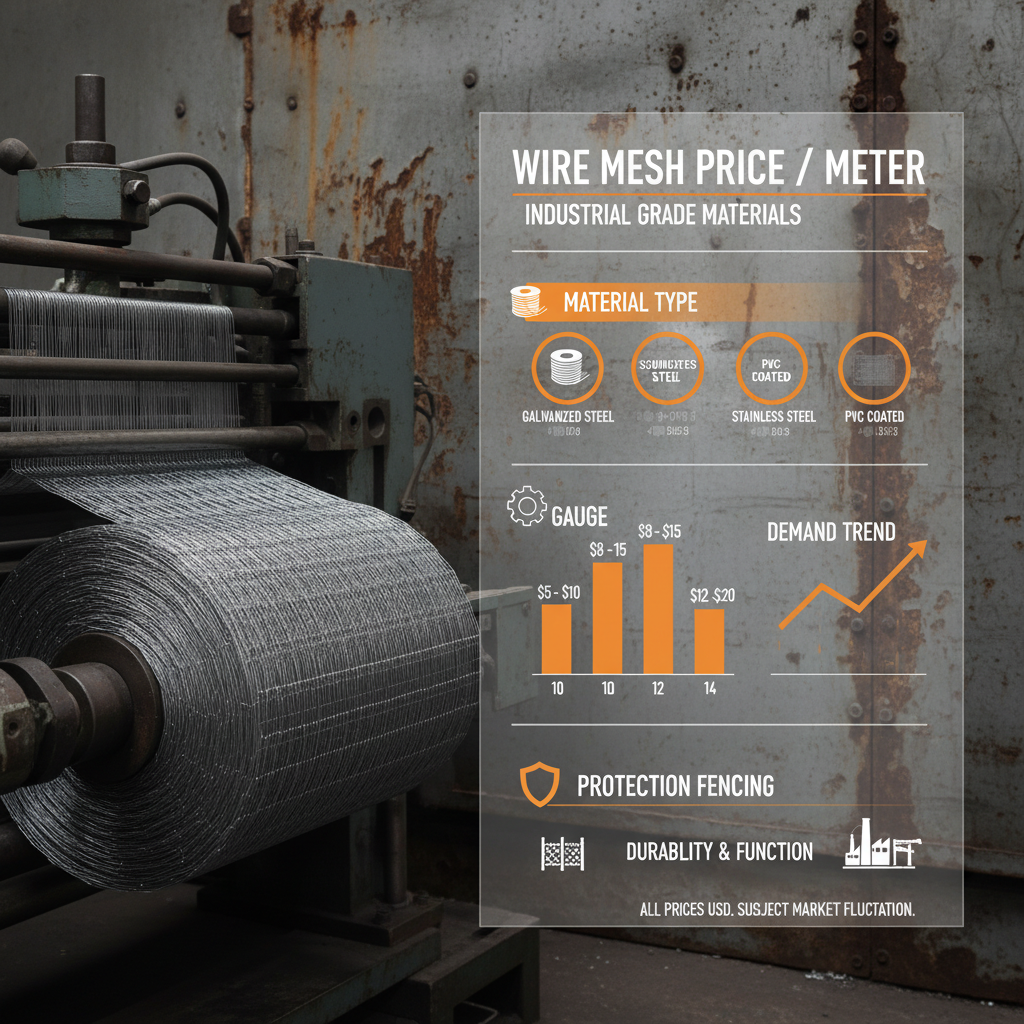
Wire Mesh Price per Meter - Impact of Material & Gauge
Applications and Global Demand
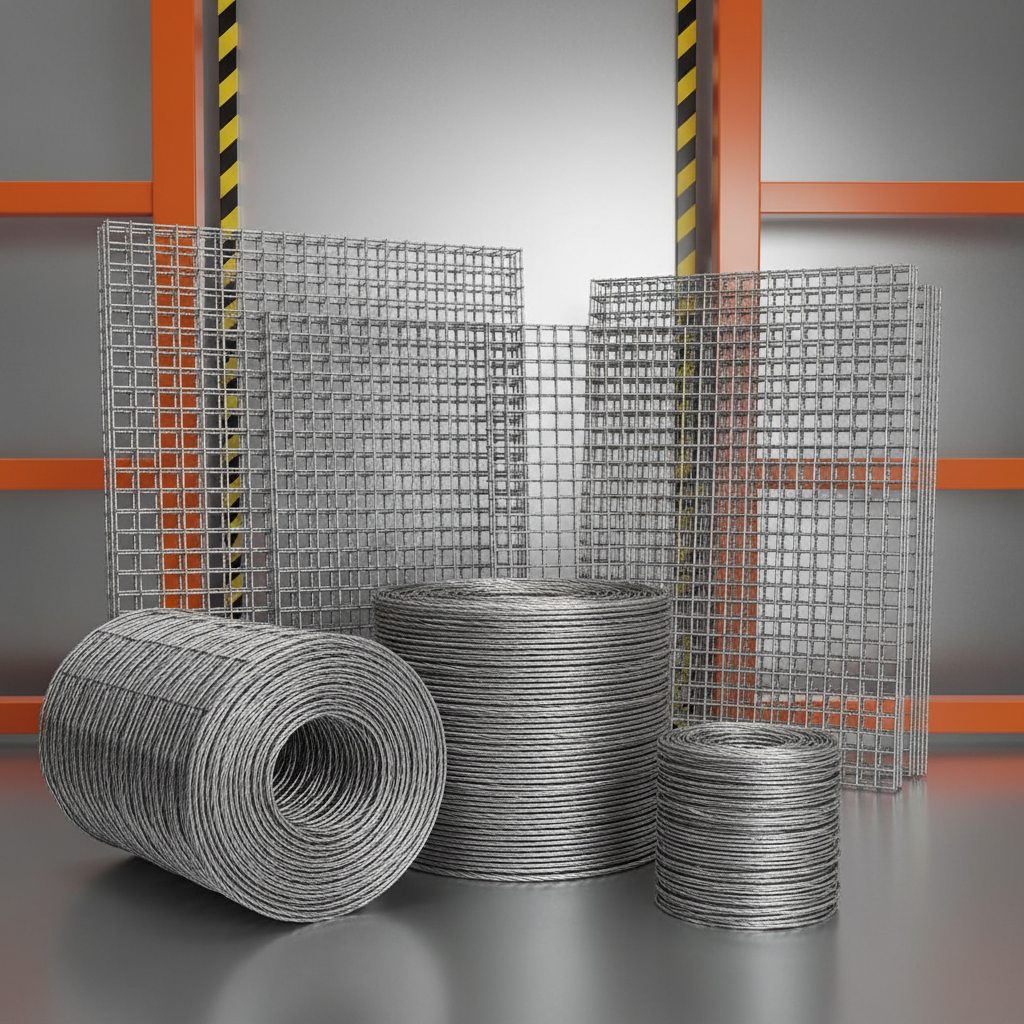
Wire mesh finds applications in diverse industries. In construction, it's used for concrete reinforcement, plastering, and facade cladding. Agriculture utilizes it for fencing, poultry netting, and crop support. Industrial sectors employ wire mesh for filtration, screening, and safety barriers. Security applications include perimeter fencing and protective cages.
Demand is highest in rapidly developing economies like China, India, and Brazil, where large-scale infrastructure projects are underway. North America and Europe represent significant mature markets, driven by renovation and replacement needs.
Advantages and Long-Term Value
Utilizing wire mesh offers substantial cost savings compared to alternative materials like solid metal sheets or plastic alternatives. Its lightweight nature reduces transportation costs, and its durability minimizes replacement frequency. Furthermore, the inherent strength and flexibility of wire mesh provide reliable performance in various environments.
From a sustainability perspective, steel wire mesh is often recyclable, contributing to a circular economy. Its longevity reduces the need for frequent replacements, minimizing waste generation. The safety benefits, such as secure fencing and protective barriers, also contribute to its long-term value.
Future Trends and Challenges
The industry is witnessing a trend toward the development of high-strength, corrosion-resistant wire mesh materials, such as stainless steel alloys and polymer-coated options. Automation in manufacturing processes is increasing efficiency and reducing production costs. Digital platforms and e-commerce are streamlining procurement and enhancing price transparency.
However, challenges remain, including fluctuating raw material prices, supply chain disruptions, and increasing environmental regulations. Addressing these challenges requires proactive risk management, investment in sustainable practices, and collaboration across the supply chain.
The integration of smart technologies, such as sensors embedded within the wire mesh, is an emerging trend. These sensors can monitor structural integrity, detect damage, and provide real-time data for maintenance and safety purposes.
Summary of Factors Influencing Wire Mesh Price and Quality
| Material Composition |
Manufacturing Method |
Mesh Size & Gauge |
Market Demand & Supply |
| Steel (carbon, low alloy) - Lower cost, susceptible to corrosion. |
Welded Mesh – Generally lower cost, less flexible. |
Smaller aperture, heavier gauge = higher price & strength. |
High demand, limited supply = price increase. |
| Stainless Steel – High corrosion resistance, premium price. |
Woven Mesh – More flexible, generally higher cost. |
Larger aperture, lighter gauge = lower price & flexibility. |
Lower demand, ample supply = price decrease. |
| Galvanized Steel – Moderate corrosion resistance, mid-range price. |
Crimped Mesh – Provides increased rigidity and surface area. |
Uniform mesh size & gauge = consistent pricing. |
Geopolitical factors impacting steel production. |
| Aluminum – Lightweight, corrosion resistant, moderate price. |
Expanded Metal – Unique pattern, often used for grating. |
Non-standard mesh sizes = higher customization costs. |
Transportation costs and fuel prices. |
| PVC Coated – Enhanced corrosion resistance, additional cost. |
Lock Crimp – Provides a secure interlocking pattern. |
Consistent wire diameter throughout the mesh. |
Currency exchange rates. |
| Copper – Excellent conductivity, highest cost. |
Flattened Mesh – Offers a flat surface for specific applications. |
Accurate measurement of wire mesh dimensions. |
Trade tariffs and import/export regulations. |
FAQS
The price of raw materials, particularly steel, is the most substantial factor. Global demand, energy costs, transportation expenses, and geopolitical events all have a ripple effect. Production techniques and the mesh's characteristics (material type, wire gauge, aperture size) also contribute, influencing the overall wire mesh price per meter.
Material type profoundly impacts price. Steel is the most economical, while stainless steel, offering superior corrosion resistance, is considerably more expensive. Aluminum, galvanized steel, and PVC-coated options fall in between, each offering a balance of cost and performance. Selecting the appropriate material depends on the application's specific requirements and budget. The wire mesh price per meter will reflect this choice.
The price range varies widely. Galvanized steel wire mesh generally ranges from $2.50 to $5 per meter, while stainless steel can range from $7 to $15 or more. Aluminum falls around $5-$10 per meter. Specific pricing depends on gauge, aperture, and quantity ordered. Obtaining a quote from a reputable supplier like Hebei Wire Mesh is crucial for accurate pricing.
Yes, absolutely. Suppliers often offer volume discounts for larger orders. Building a long-term relationship with a reliable supplier can also lead to better pricing. Consider consolidating your orders, exploring different payment terms, and being open to alternative specifications (if applicable) to potentially lower the wire mesh price per meter.
Supply chain disruptions, such as those experienced during the recent pandemic, can significantly inflate wire mesh price per meter. Raw material shortages, increased transportation costs, and port congestion all contribute to higher prices. Diversifying your supply sources and planning ahead can help mitigate these risks.
Don't solely focus on the price per meter. Consider the material quality, manufacturing standards, delivery timelines, payment terms, and supplier reputation. Ensure the quotes specify the exact mesh specifications (material, gauge, aperture, finish). Request samples to assess quality before making a final decision. A low price isn’t always the best deal.
Conclusion
In conclusion, understanding the wire mesh price per meter is paramount for successful project management and procurement. A multitude of factors, from raw material costs to global supply chain dynamics, influence this price. By being aware of these factors and adopting proactive strategies, businesses can mitigate risks, optimize costs, and ensure the reliable supply of this essential material.
Looking forward, embracing sustainable sourcing practices, investing in advanced manufacturing technologies, and fostering strong supplier relationships will be crucial for navigating the evolving wire mesh market. Staying informed about industry trends and adopting a long-term perspective will position businesses for continued success. For competitive pricing and high-quality wire mesh products, visit our website: www.hebei-wiremesh.com.