Hit enter to search or ESC to close
Honestly, the wire mesh game is… well, it's changed. Used to be, it was all about galvanized steel, pretty straightforward. But now? Everyone's chasing stainless, especially 304 and 316. Corrosion resistance, they say. More money, definitely. I was at a coastal project in Qingdao last month, and even for a simple fence, they insisted on 316. Said they'd learned their lesson from the last typhoon. You see the salt spray, you understand.
Have you noticed how everyone's obsessed with tighter tolerances? Like, down to the tenth of a millimeter? Sounds great on paper, but on a construction site…it's a headache. Especially with woven mesh. A little uneven ground, a slight bend during installation, and suddenly your perfectly-spec'd mesh isn't fitting properly. It’s a detail that engineers sometimes overlook, locked away in their offices.
And the coating! PVC coating is still popular, gives it a bit of color and extra protection, but it smells… peculiar when you're cutting it. Like burning plastic, not pleasant. Epoxy coating? That’s smoother, cleaner. But it chips easily if you’re not careful. Then there’s the stainless steel itself – you can tell a good grade just by the weight. It’s heftier, has a different… feel to it.

Strangely, a big trend I’ve seen is this push for hexagonal mesh – chicken wire, essentially – in architectural applications. It looks good in renderings, but getting it consistently flat and taut is a nightmare. It ripples, it sags. Then you're spending hours wrestling with it, trying to get it to behave. To be honest, I prefer a good square weave for anything structural. It's more predictable.
Another thing… people get hung up on mesh size. They want the smallest possible openings, thinking it'll keep everything out. But smaller openings mean tighter weaves, which means higher costs and more potential for clogging if you're using it as a filter or screen. You gotta think about the intended use, not just the spec sheet.
Honestly, it’s not about the material as much as the mesh size. You need a mesh size of ¼ inch or smaller to reliably keep out rodents. Galvanized steel is usually fine for this, but stainless steel will last longer, especially in damp environments. The key is to make sure it’s properly installed and sealed around all openings. I’ve seen guys use too-large mesh and then wonder why the mice are still getting in. It's frustrating.
Gauge refers to the thickness of the wire. Lower gauge numbers mean thicker wire. For heavier applications, like reinforcing concrete, you’ll want a lower gauge. For lighter applications, like screening, a higher gauge is fine. It depends on the load it needs to bear and the level of durability required. There are charts online, but honestly, experience is the best teacher.
It helps, but it’s not a miracle cure. Powder coating provides a good barrier against moisture and corrosion, but it can chip and scratch, especially in harsh environments. It’s better than nothing, but if you’re in a coastal area or a corrosive environment, stainless steel is still the best option. I encountered a job once where they skimped on the coating, and the whole fence rusted through within a year. Total waste of money.
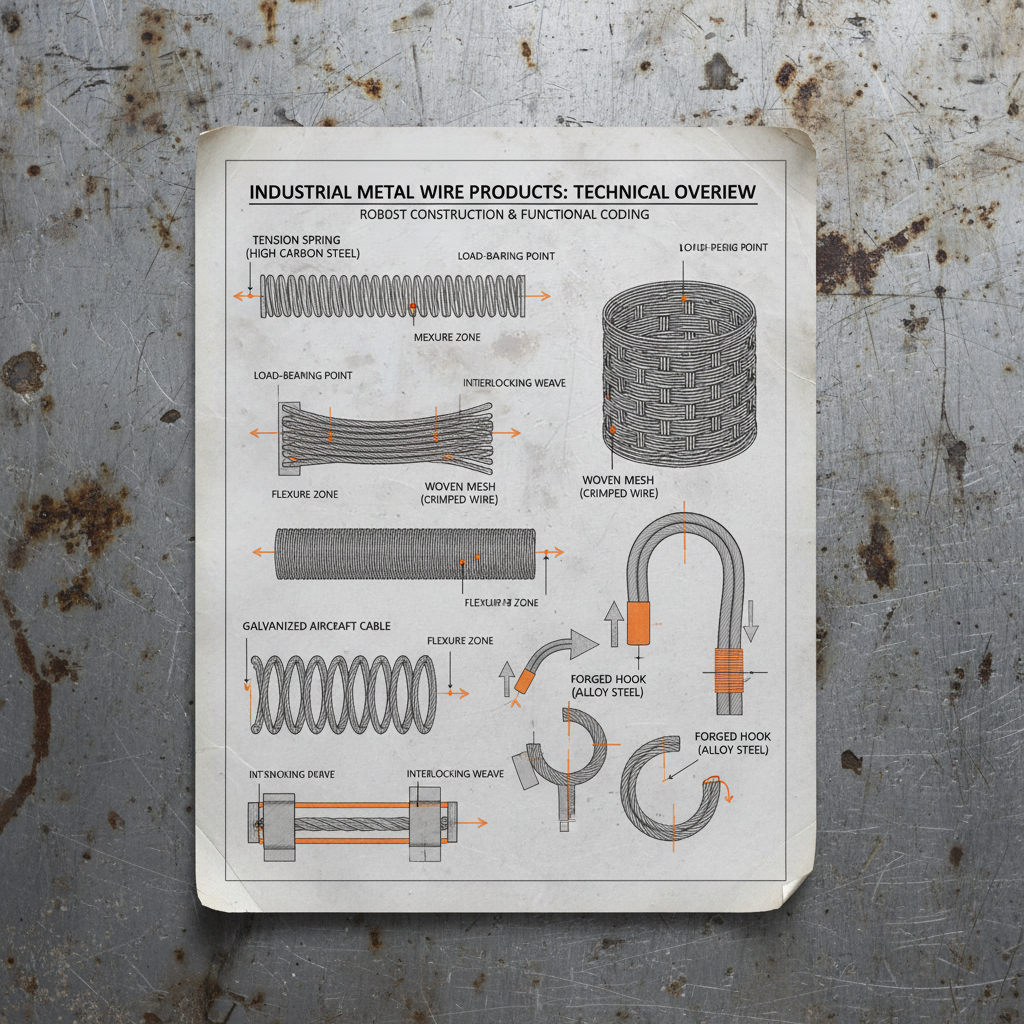
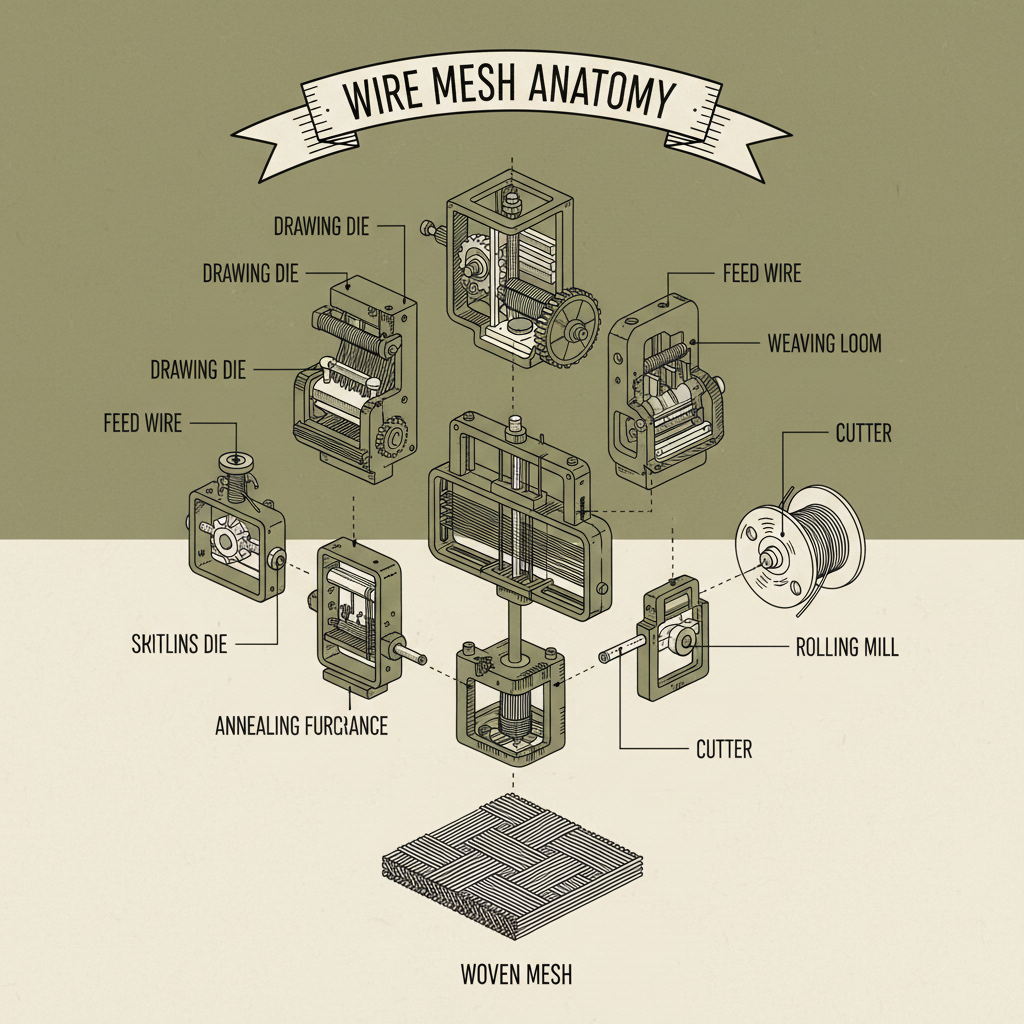
Woven mesh is made by interlacing wires, like weaving fabric. Welded mesh is made by fusing wires together at the intersections. Woven mesh is generally stronger and more durable, but it's also more expensive. Welded mesh is cheaper and easier to manufacture, but it's more prone to unraveling if a wire breaks. It really depends on the application and your budget.
Yes, absolutely. Steel wire mesh is highly recyclable. It's a valuable commodity for scrap metal dealers. But you need to remove any coatings or attachments first. Galvanized mesh can be recycled too, but it may require a special process to remove the zinc. It’s a good practice to always consider recycling options, both for environmental and economic reasons.
Stretching it too tight, using the wrong fasteners, not overlapping seams properly… those are all common mistakes. And failing to properly prepare the surface before installing it – you need a clean, smooth surface for good adhesion. Also, be careful when cutting it – the edges can be sharp. I’ve seen a lot of injuries from careless handling. Safety first, always.
So, what have we learned? Wire mesh isn't just wire mesh. It’s a surprisingly complex material with a ton of variations, each with its own strengths and weaknesses. Choosing the right mesh for the job requires understanding the application, the environment, and the long-term maintenance requirements. It's about more than just ticking boxes on a spec sheet.
Ultimately, whether this thing works or not, the worker will know the moment he tightens the screw. They’ll feel the give, they’ll see the sag, they’ll know if it’s right or wrong. Trust your gut, listen to the guys on the ground, and don’t be afraid to ask questions. That’s my advice, after all these years.