The global industrial landscape is witnessing a significant shift toward lightweight and corrosion-resistant materials, positioning aluminum wire manufacturers as pivotal players in modern infrastructure. From power transmission lines to intricate architectural meshes, the ability to produce high-conductivity, durable aluminum wire is essential for reducing energy loss and improving structural longevity across various sectors.
Understanding the nuances of aluminum production is not merely a technical necessity but a commercial advantage. By sourcing from experienced aluminum wire manufacturers, industries can optimize their supply chains, ensuring that the raw materials meet stringent international standards like ISO and ASTM, which are critical for safety and performance in high-stress environments.
Whether it is for the automotive industry's quest for fuel efficiency through weight reduction or the renewable energy sector's need for efficient cabling, the expertise provided by top-tier aluminum wire manufacturers ensures that the balance between tensile strength and electrical conductivity is perfectly maintained.
Global Industrial Context of Aluminum Wire Production
On a global scale, the demand for aluminum has surged as nations transition toward greener economies. Leading aluminum wire manufacturers operate within a complex ecosystem of mining, smelting, and drawing, where efficiency is measured by the reduction of carbon footprints and the optimization of material purity.
The challenge often lies in the volatility of raw material costs and the strict adherence to environmental regulations. However, by implementing advanced automation and recycling loops, manufacturers are now able to provide consistent quality while mitigating the environmental impact of bauxite processing.
Defining the Role of Aluminum Wire Manufacturers
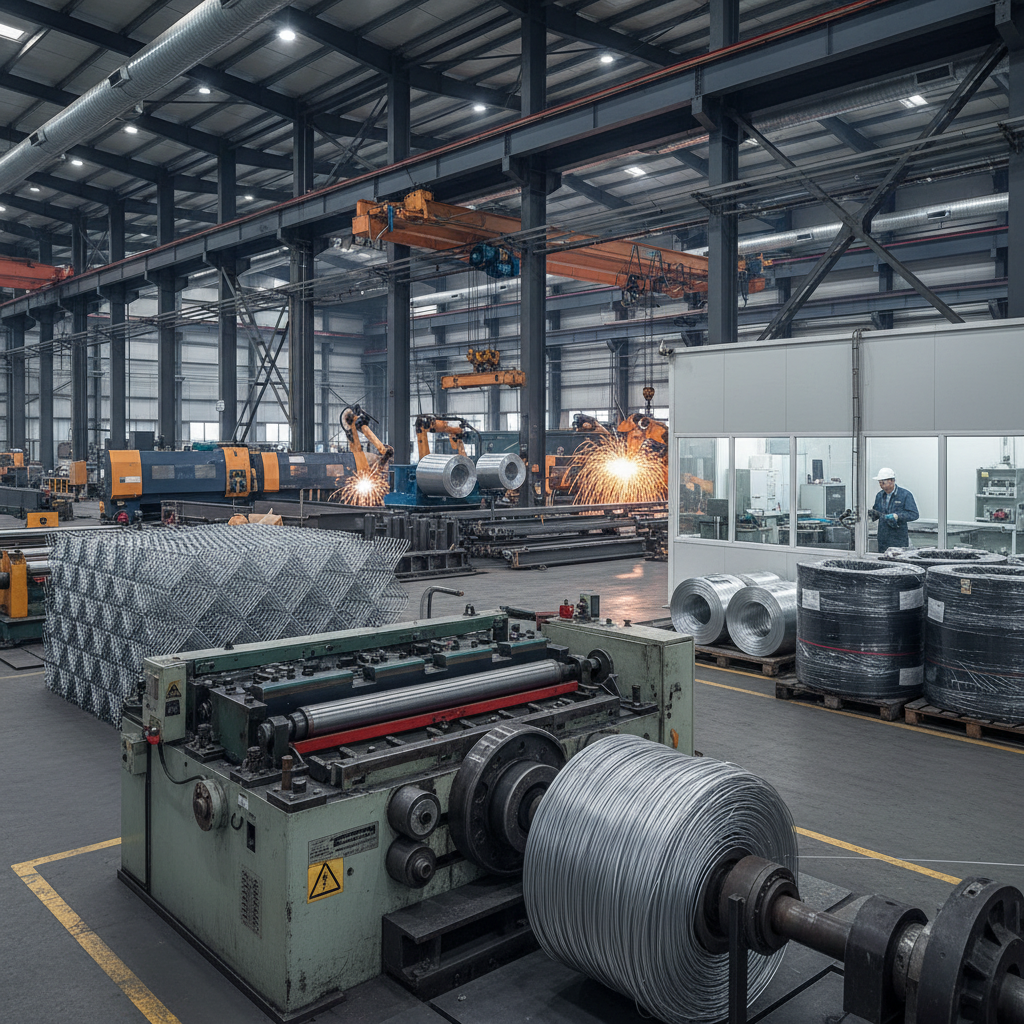
Aluminum wire manufacturers are specialized industrial entities that transform aluminum ingots into precise wire diameters through a process of extrusion and cold drawing. Unlike general metal workers, these specialists focus on the metallurgical properties of the alloy to ensure that the resulting wire possesses the specific tensile strength or conductivity required for a particular application.
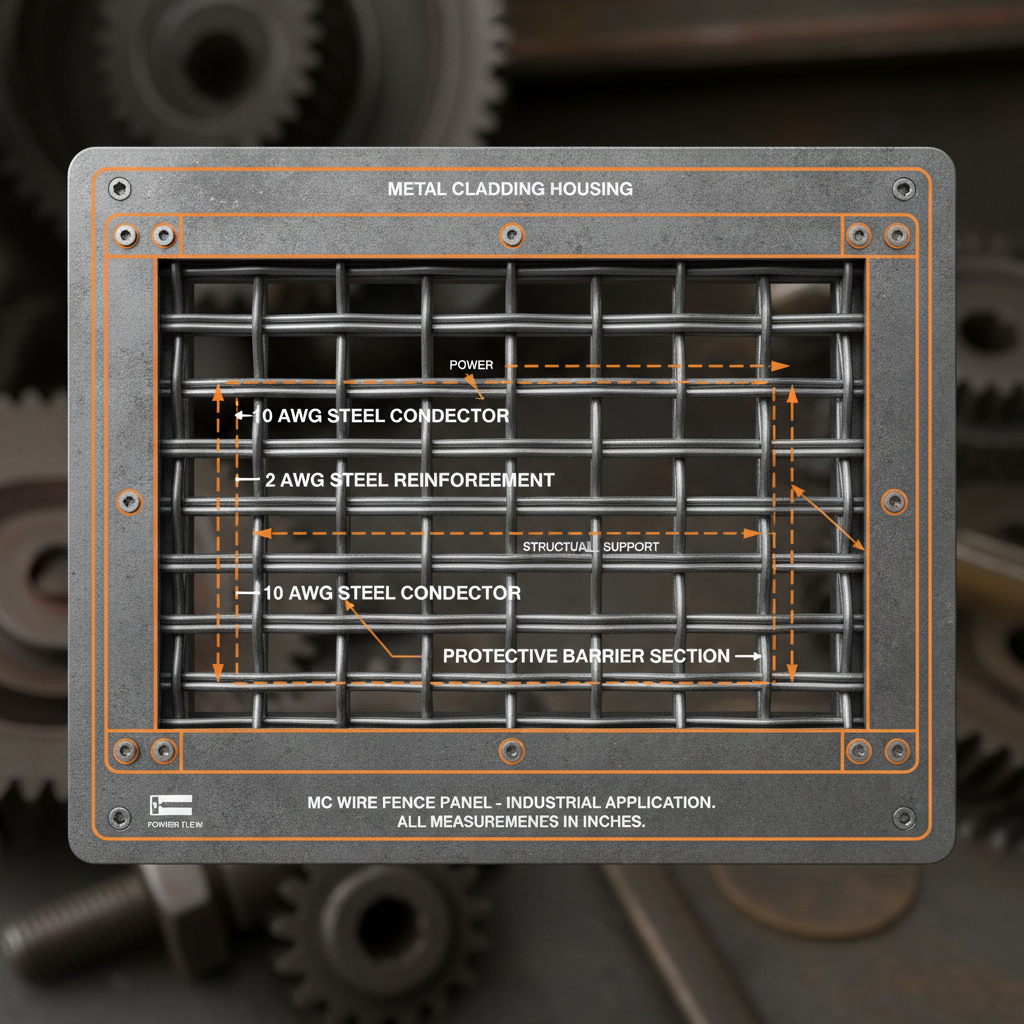
In the context of modern industry, these manufacturers act as the backbone for power grid infrastructure. By producing ACSR (Aluminum Conductor Steel Reinforced) wires, they enable the transmission of electricity over vast distances with minimal weight-related sag, a feat that would be impossible with heavier copper alternatives.
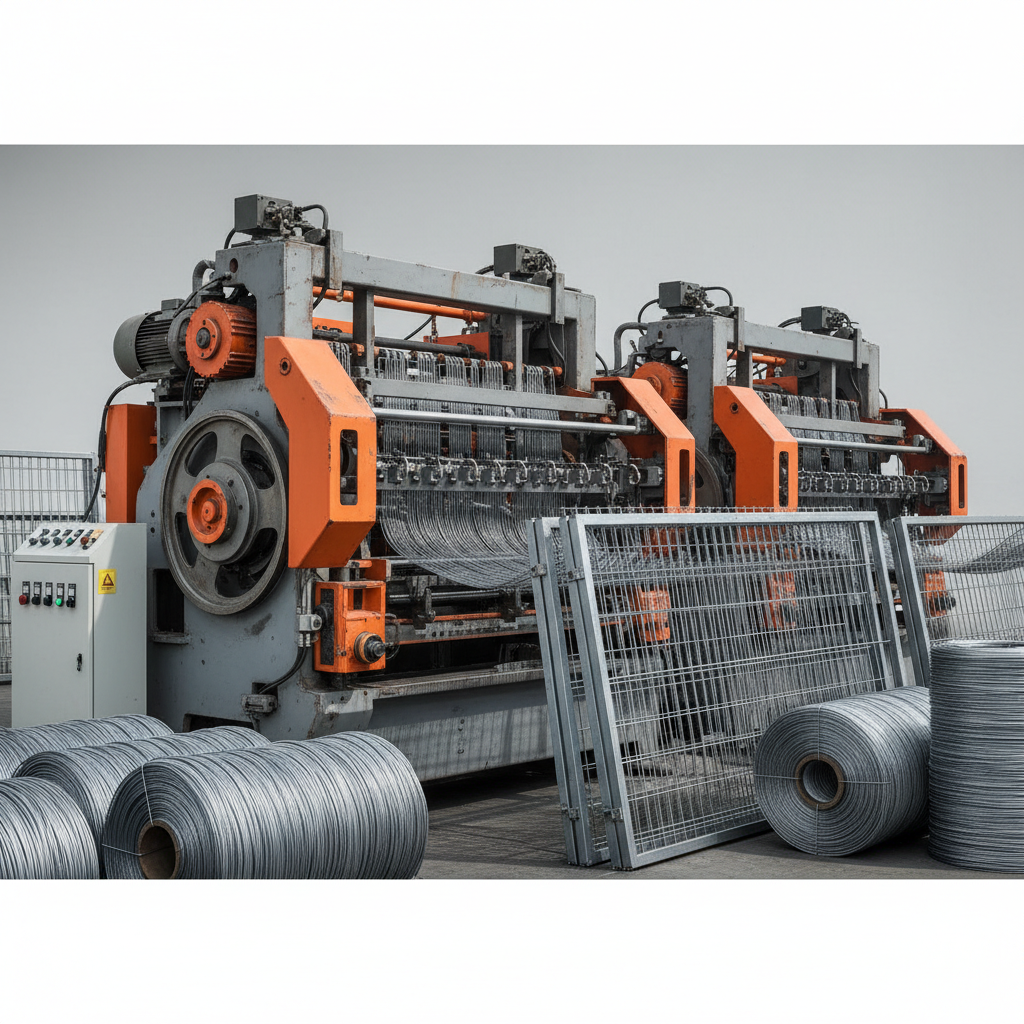
Furthermore, their role extends to humanitarian and urban development. From the creation of lightweight security fencing to the production of conductive elements in affordable housing, aluminum wire manufacturers provide the raw materials that make modern civilization more connected and secure.
Core Technical Components of Quality Aluminum Wire
One of the primary factors that distinguish top aluminum wire manufacturers is their focus on Alloy Composition. The precise blend of aluminum with elements like magnesium or silicon determines whether the wire is suited for electrical conduction or structural reinforcement, ensuring the product does not fail under thermal expansion.
Surface Integrity and Oxidation Control are equally critical. Experienced aluminum wire manufacturers utilize advanced anodizing or coating techniques to prevent the natural oxide layer from compromising the wire's performance, especially in saline or humid coastal environments where corrosion is a constant threat.
Finally, Tensile Consistency ensures that the wire can withstand mechanical stress during installation. By employing precision drawing dies and rigorous quality control checks, manufacturers guarantee that every meter of wire maintains a uniform diameter and breaking strength, reducing waste and increasing site safety.
Efficiency Metrics in Aluminum Wire Manufacturing
Evaluating the performance of various production methods is essential for optimizing cost and quality. Different aluminum wire manufacturers employ varying techniques, from traditional cold drawing to innovative continuous casting, each offering different trade-offs in terms of speed and material fatigue.
By analyzing these metrics, procurement officers can determine which manufacturing approach aligns with their project's needs—whether they require the extreme precision of fine-gauge wires or the bulk efficiency of heavy-duty industrial cables.
Production Method Performance Comparison for Aluminum Wire Manufacturers
Global Applications and Sector Use Cases
The versatility of aluminum wire makes it indispensable across diverse geographies. In North America and Europe, aluminum wire manufacturers focus heavily on the aerospace and automotive sectors, where the "light-weighting" trend is driving a massive shift from steel to high-strength aluminum alloys to improve fuel efficiency and reduce emissions.
In rapidly developing regions like Southeast Asia and Africa, the application shifts toward infrastructure. Aluminum wire is the primary choice for expanding rural electrification projects due to its cost-effectiveness and ease of transport over rugged terrain, proving that the right manufacturing partner can directly impact a region's economic growth.
Long-term Value and Sustainability Benefits
Investing in high-quality aluminum wire offers a superior return on investment compared to cheaper, lower-grade alternatives. The long-term value lies in the material's inherent resistance to rust and decay, meaning that installations from reputable aluminum wire manufacturers require significantly less maintenance over a 20-year lifecycle, drastically reducing operational expenditures.
From a sustainability perspective, aluminum is one of the most recyclable materials on earth. Nearly 75% of all aluminum ever produced is still in use today. Manufacturers who implement "closed-loop" systems—where scrap is collected and re-melted—help their clients achieve LEED certifications and meet corporate ESG (Environmental, Social, and Governance) goals.
Beyond the logic of cost and ecology, there is an element of trust. When an engineer specifies a wire from a certified manufacturer, they are buying peace of mind, knowing that the material will not succumb to stress-corrosion cracking or unexpected electrical failure in critical systems.
Future Trends in Aluminum Wire Technology
The future of the industry is being shaped by the integration of Industry 4.0. Modern aluminum wire manufacturers are adopting AI-driven quality monitoring, using high-speed cameras and sensors to detect microscopic surface defects in real-time, ensuring zero-defect shipments.
Another emerging trend is the development of nano-coated aluminum wires. These innovative coatings enhance the conductivity of the aluminum core while providing an impenetrable barrier against environmental pollutants, effectively bridging the performance gap between aluminum and copper for specialized high-tech applications.
Moreover, the push toward "Green Aluminum"—produced using hydroelectric or solar power instead of coal—is becoming a competitive differentiator. Manufacturers who can prove a low-carbon pedigree will dominate the market as global carbon taxes and environmental mandates become more stringent.
Analysis of Future Technological Shifts for Aluminum Wire Manufacturers
| Innovation Dimension |
Current Standard |
Emerging Technology |
Impact Score (1-10) |
| Energy Source |
Coal-based Smelting |
Renewable Hydro-Power |
9 |
| Quality Control |
Manual Batch Sampling |
AI Real-time Vision |
8 |
| Surface Treatment |
Basic Anodizing |
Nano-Polymer Coating |
7 |
| Material Purity |
Standard Alloy 1350 |
Ultra-Pure Synthetic Al |
6 |
| Production Logic |
Linear Manufacturing |
Circular Economy Loop |
10 |
| Delivery Model |
Bulk Shipping |
Just-in-Time Modular |
7 |
FAQS
When selecting a partner, prioritize certifications (ISO 9001), material purity reports, and their ability to provide consistent tensile strength. Ask for samples to test the surface finish and check if they offer custom alloy compositions tailored to your specific environmental conditions (e.g., high salinity or extreme heat).
While aluminum has lower conductivity per unit of cross-sectional area than copper, it is significantly lighter. To achieve the same conductivity, aluminum wire manufacturers produce a slightly thicker wire, which often results in a lighter overall weight and a lower cost for the same electrical performance.
Yes, aluminum is naturally corrosion-resistant due to its oxide layer. However, for maximum longevity, it is recommended to source wires from manufacturers who offer anodized or powder-coated finishes, which provide an extra layer of protection against acid rain and moisture.
Lead times vary based on customization. Standard gauge wires typically ship within 2-4 weeks, while specialized alloys or custom-coated products may take 6-10 weeks. It is advisable to work with manufacturers who have robust inventory management to hedge against raw material fluctuations.
Absolutely. Many progressive aluminum wire manufacturers now offer "recycled-content" wire, which uses secondary aluminum. This drastically reduces the energy consumption of the production process and helps companies meet their sustainability targets without sacrificing material integrity.
Always request a Mill Test Certificate (MTC) for every batch. A reputable manufacturer will provide detailed data on the alloy composition, tensile strength, and elongation. Ensure the manufacturer adheres to standards such as ASTM B231 or equivalent regional certifications.
Conclusion
In summary, the strategic selection of aluminum wire manufacturers is a critical decision that influences the safety, efficiency, and cost-effectiveness of any industrial project. From the technical precision of alloy blending to the implementation of sustainable "green" smelting processes, the quality of the wire dictates the lifespan of the final infrastructure.
Looking forward, as the world embraces electrification and lightweight transportation, the role of these manufacturers will only grow in importance. We encourage industry professionals to prioritize partners who invest in AI-driven quality control and circular economy practices to ensure a resilient and sustainable supply chain. Visit our website: www.hebei-wiremesh.com