Understanding the wire per meter price is essential for procurement managers and engineers across the global manufacturing sector, as it directly impacts the cost-efficiency of large-scale infrastructure projects. Whether you are sourcing for high-tensile fencing or precision industrial mesh, the price per linear meter serves as the primary benchmark for budgeting and material selection in the metal products industry.
Globally, the fluctuations in the wire per meter price are often driven by the volatility of raw steel and aluminum markets, alongside energy costs associated with the drawing process. For industries ranging from agriculture to aerospace, securing a stable and transparent pricing model is the difference between a project remaining under budget or facing costly overruns.
By analyzing the factors that influence the wire per meter price, businesses can optimize their supply chains and choose materials that offer the best balance of durability and cost. This guide provides a deep dive into how pricing is calculated, the variables that shift these costs, and how to find the best value for processed metal wire products.
Global Market Dynamics of Wire Pricing
The global landscape for the wire per meter price is intricately linked to the World Steel Association's production indices and international trade policies. As emerging economies in Southeast Asia and Africa expand their infrastructure, the demand for galvanized and stainless steel wire has surged, leading to complex pricing shifts based on regional availability and shipping logistics.
Market volatility is often exacerbated by geopolitical tensions and energy price hikes, which increase the cost of the drawing and coating processes. For a buyer, understanding these macro-economic trends is crucial to timing purchases, as a slight dip in raw ore prices can lead to a significant reduction in the final wire per meter price.
Defining Wire Per Meter Price in Industry
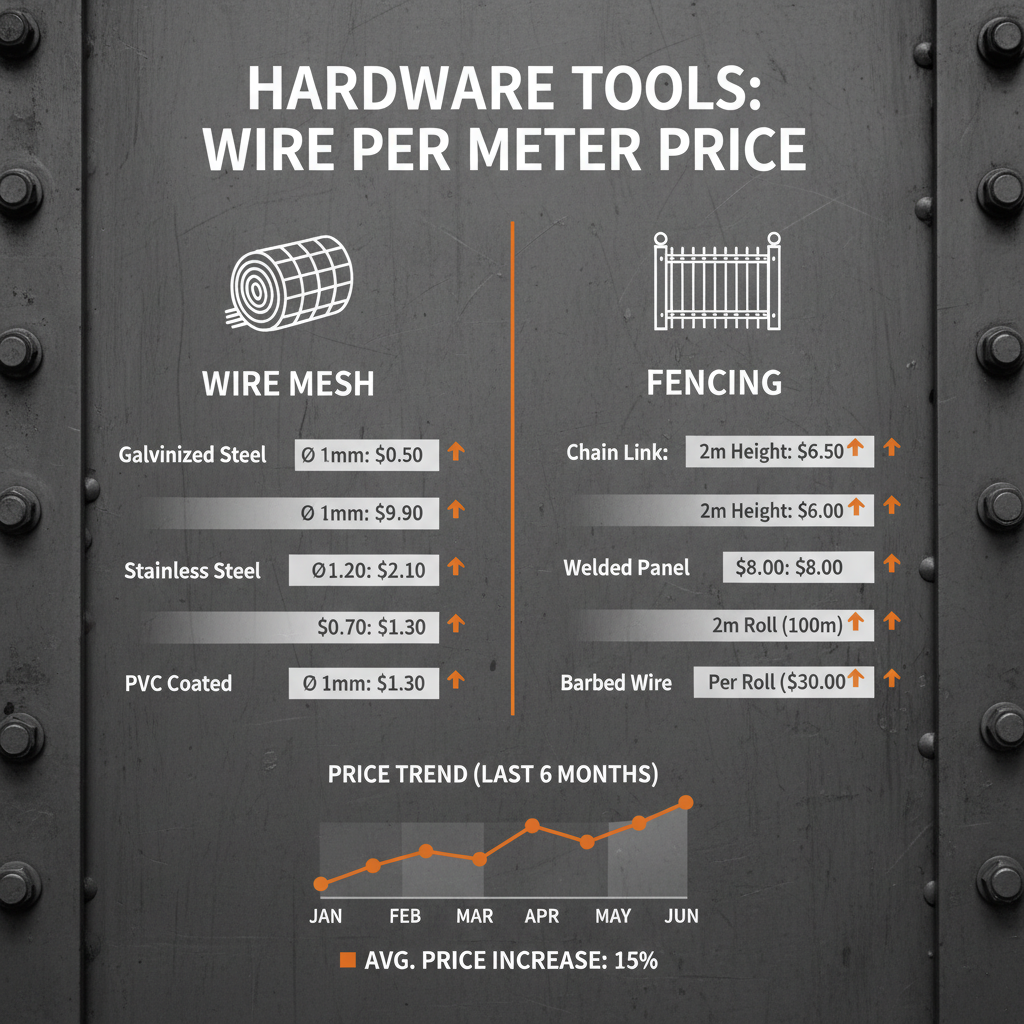
In simple commercial terms, the wire per meter price is the unit cost of a specific gauge and material of wire for every linear meter of length. Unlike bulk weight pricing (per ton), the per-meter metric allows for precise calculation in projects like wire mesh fencing or industrial filtration, where the length of the material defines the physical coverage area.
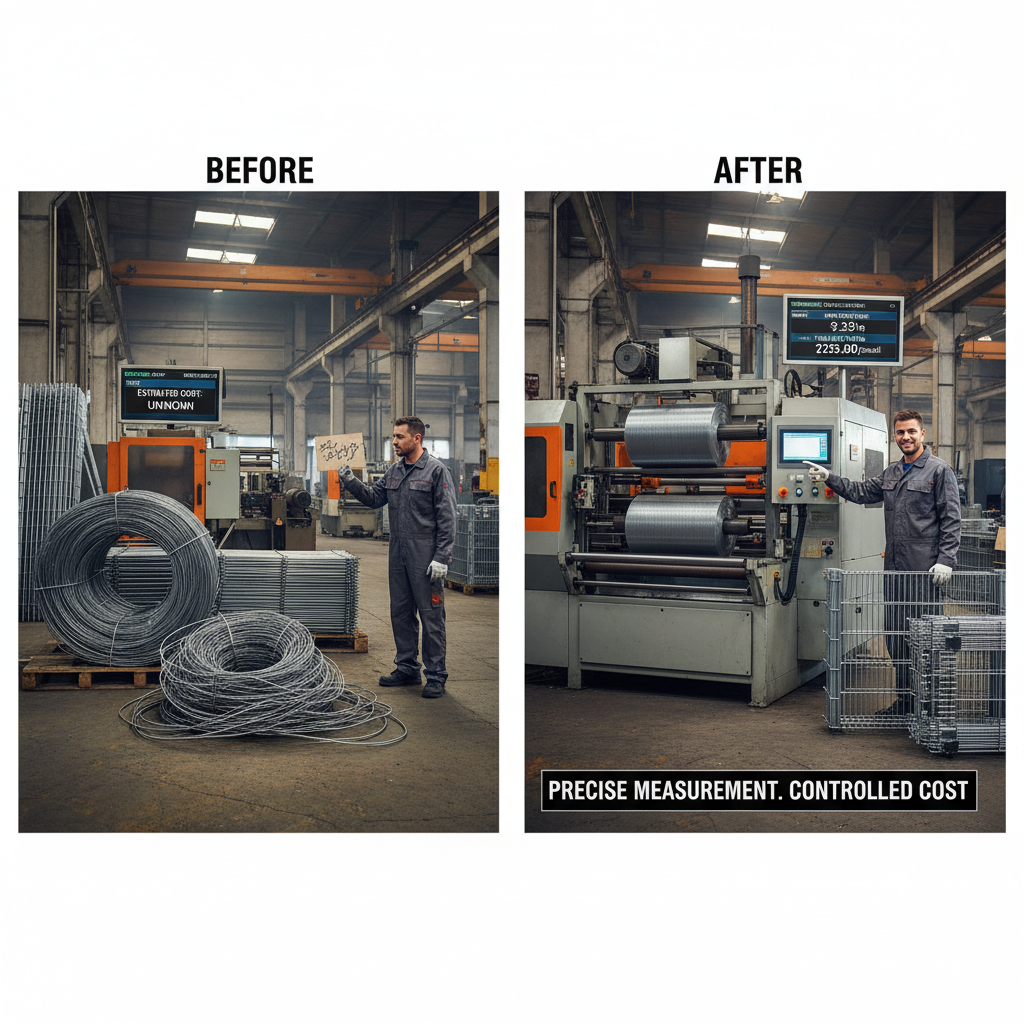
This pricing model is critical for modern industry because it streamlines the estimation process for architects and contractors. By knowing the exact cost per meter, project managers can easily scale their budgets based on the linear requirements of a blueprint, reducing the risk of material waste and over-ordering.
Furthermore, the wire per meter price incorporates not just the raw metal, but the value added through processing—such as annealing, galvanizing, or PVC coating—making it a comprehensive indicator of the product's technical grade and intended lifespan.
Key Factors Influencing Material Costs
The primary driver of the wire per meter price is the material composition. Stainless steel (such as 304 or 316 grades) carries a significantly higher premium than mild steel due to its chromium and nickel content, which provides essential corrosion resistance for marine or chemical environments.
Another critical variable is the wire gauge or diameter. A thicker wire requires more raw material per meter, naturally increasing the wire per meter price. Conversely, ultra-fine wires, while using less metal, may cost more due to the precision drawing technology and higher failure rates during production.
Lastly, protective coatings play a major role. Hot-dip galvanizing, electro-galvanizing, and polymer coatings add layers of protection that enhance durability. These processes add a surcharge to the base wire per meter price but drastically lower the long-term maintenance costs for the end-user.
Cost Efficiency and Scalability Analysis
When analyzing cost efficiency, the wire per meter price often decreases as order volume increases. This economy of scale occurs because the setup costs for wire-drawing machinery and the logistics of bulk shipping are spread across a larger quantity of material, allowing manufacturers to offer competitive wholesale rates.
For enterprises looking to scale, balancing the initial procurement cost with the technical specifications of the wire is key. Investing in a slightly higher wire per meter price for a high-grade alloy can prevent frequent replacements, thereby improving the overall lifecycle cost of the installation.
Comparison of Wire Material Cost Efficiency
Global Applications and Industrial Use Cases
The practical application of wire per meter price calculations can be seen in diverse sectors. In agricultural zones across North America and Europe, the price of galvanized wire determines the feasibility of vast livestock fencing projects, where thousands of kilometers of wire are required.
In high-tech industrial zones, such as those in Japan or Germany, precision wire mesh is used for filtration and screening. Here, the wire per meter price is less about the volume of metal and more about the precision of the weave and the purity of the alloy, reflecting a high-value specialized product.
Long-term Value and Sustainability Benefits
Focusing solely on the lowest wire per meter price can often lead to long-term losses. Lower-grade wires are susceptible to oxidation and mechanical failure, which increases the frequency of replacements and the total cost of ownership. By choosing materials with a higher initial price point, companies invest in reliability and safety.
From a sustainability perspective, high-quality metal wire is highly recyclable. The long-term value of a premium wire per meter price is found in the reduced environmental footprint—fewer replacements mean less mining and less energy consumption over the product's lifecycle.
Moreover, the use of eco-friendly coatings, such as non-toxic powder coatings, is becoming a standard. While these might slightly elevate the wire per meter price, they allow companies to meet strict international environmental regulations and appeal to a more conscious consumer base.
Future Trends in Wire Manufacturing Costs
The future of wire per meter price will be shaped by automation and the digital transformation of the factory floor. AI-driven production lines are reducing material waste and optimizing the drawing process, which could lead to more stable and predictable pricing for the end customer.
We are also seeing the emergence of "smart wires" integrated with sensors for structural health monitoring. While the wire per meter price for these advanced materials is currently high, their ability to prevent catastrophic failures in bridges and buildings adds immense logical and emotional value through increased safety.
As the industry moves toward "Green Steel" (produced using hydrogen instead of coal), we can expect a temporary increase in the wire per meter price. However, this transition is essential for the industry to survive in a carbon-neutral global economy.
Comparative Analysis of Wire Types and Cost Dimensions
| Wire Material Type |
Price Impact Level |
Durability Rating |
Primary Cost Driver |
| Low Carbon Steel |
Low |
4/10 |
Raw Ore Market |
| Hot-Dip Galvanized |
Medium |
7/10 |
Zinc Coating Cost |
| Stainless Steel 304 |
High |
9/10 |
Nickel/Chromium Content |
| Stainless Steel 316 |
Very High |
10/10 |
Molybdenum Addition |
| PVC Coated Wire |
Medium-High |
8/10 |
Polymer Processing |
| Tungsten/Specialty |
Extreme |
9/10 |
Precision Drawing |
FAQS
Variations in wire per meter price typically stem from differences in raw material purity, the quality of the coating (e.g., the thickness of the zinc layer in galvanization), and the manufacturer's overhead costs. High-end suppliers invest more in quality control and ISO certifications, which is reflected in a slightly higher price but ensures longer product lifespan.
The gauge refers to the diameter of the wire. A lower gauge number (thicker wire) requires more metal per linear meter, which directly increases the wire per meter price. However, extremely thin wires may also be expensive due to the high precision and specialized equipment needed to draw them without breakage.
Buying by weight is often cheaper for bulk raw materials, but buying by the meter is far more accurate for finished products like wire mesh or fences. The wire per meter price includes the processing costs of shaping and weaving, which are not captured in simple weight-based pricing.
Yes, significantly. For instance, basic electro-galvanizing is the most budget-friendly option, whereas hot-dip galvanizing increases the wire per meter price but offers vastly superior rust protection. PVC coatings add further cost but are essential for safety and aesthetics in public spaces.
The best way to stabilize your wire per meter price is through long-term supply contracts with fixed-price clauses or by purchasing materials in bulk during market dips. Many manufacturers offer price hedging options for high-volume industrial clients.
Value depends on the environment. For general outdoor use, galvanized steel offers the best balance between a reasonable wire per meter price and durability. For corrosive environments (like saltwater), Stainless Steel 316 is the most cost-effective over 20 years, despite its high initial cost.
Conclusion
Navigating the complexities of the wire per meter price requires a holistic understanding of material science, global market trends, and long-term project requirements. From the basic raw ore costs to the sophisticated additions of polymer coatings and precision drawing, every factor contributes to the final value of the product. By prioritizing a balance between initial cost and lifecycle durability, businesses can ensure their infrastructure is both economically viable and structurally sound.
As the industry evolves toward automation and sustainable "Green Steel," the way we calculate and perceive the wire per meter price will continue to shift. We recommend that procurement specialists maintain close relationships with transparent manufacturers and stay informed on alloy market fluctuations to optimize their spending. For high-quality metal wire and mesh solutions tailored to your budget, visit our website: www.hebei-wiremesh.com.