Understanding the electric wire price per meter is fundamental for contractors, industrial engineers, and procurement specialists who manage large-scale electrical infrastructure. In the competitive landscape of metal wire manufacturing, the cost of conduction materials directly impacts the feasibility and profitability of energy projects globally. By analyzing the pricing mechanisms, buyers can optimize their budgets while ensuring the safety and efficiency of their power distribution systems.
The global market for conductive wiring is subject to intense volatility due to the fluctuating prices of raw materials like copper and aluminum. As the world pivots toward renewable energy and smart-grid integration, the demand for high-specification wiring has surged, making the electric wire price per meter a critical KPI for operational expenditure. Accurate cost forecasting allows companies to mitigate risks associated with supply chain disruptions and material inflation.
Beyond simple budgeting, the pricing of electrical wiring reflects the inherent quality, gauge, and insulation standards of the product. Whether it is for residential wiring, industrial machinery, or heavy-duty power transmission, the electric wire price per meter serves as a proxy for technical compliance and longevity. This guide explores the intricate factors that determine these costs and how to secure the best value without compromising on technical integrity.
Material Composition and Market Volatility
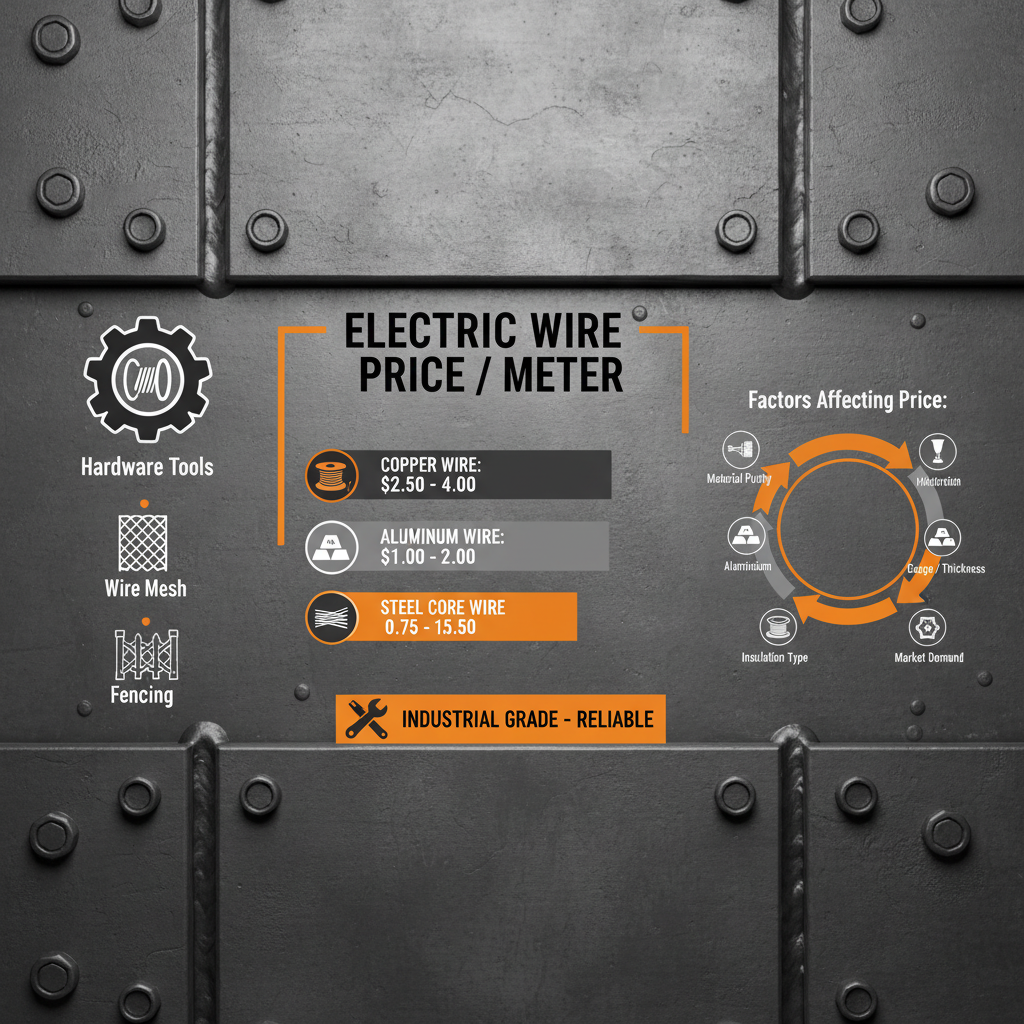
The primary driver of the electric wire price per meter is the commodity market price of the core conductor. Copper remains the gold standard for conductivity, but its susceptibility to price swings on the London Metal Exchange (LME) means that a small shift in global demand can lead to significant price hikes per meter. Aluminum, while more affordable and lighter, is often used in larger distribution lines to keep costs manageable.
Beyond the raw metal, the purity levels (such as ETP grade copper) play a decisive role. High-purity conductors reduce resistance and heat loss, justifying a premium price. For manufacturers in the metal wire industry, balancing these material costs with production efficiency is the only way to offer competitive pricing while maintaining the structural integrity required for high-voltage environments.
Technical Specifications Influencing Cost
One of the most overlooked aspects of the electric wire price per meter is the wire gauge or cross-sectional area. A thicker wire (lower AWG number) requires more raw material, naturally increasing the cost. However, thicker wires are essential for carrying higher currents without overheating, creating a direct trade-off between initial procurement cost and system safety.
Insulation and jacketing materials also contribute significantly to the final price. Whether the wire is coated in PVC, XLPE, or Teflon, the material's ability to resist heat, moisture, and chemicals adds a layer of cost. For instance, fire-retardant or low-smoke zero-halogen (LSZH) jackets are considerably more expensive per meter than standard PVC but are mandatory in public infrastructure and high-rise buildings.
Finally, the manufacturing process—such as whether the wire is solid or stranded—affects the pricing. Stranded wire offers greater flexibility and durability against vibration, which is crucial for automotive and industrial machinery, though the additional drawing and twisting processes typically raise the electric wire price per meter compared to solid core alternatives.
Comparative Analysis of Wiring Materials
When evaluating the electric wire price per meter, it is vital to compare the conductivity-to-cost ratio. Copper is unrivaled in efficiency, making it the preferred choice for indoor wiring and precision electronics where space is limited and efficiency is paramount.
Conversely, aluminum offers a disruptive electric wire price per meter, often costing a fraction of copper for the same current-carrying capacity when the gauge is adjusted. This makes aluminum the logical choice for long-distance power transmission and utility grids where total weight and cost are the primary constraints.
Specialty alloys and silver-plated wires occupy the highest end of the pricing spectrum. These are utilized in aerospace and high-frequency telecommunications where signal loss must be minimized at all costs, pushing the electric wire price per meter far beyond standard commercial rates.
Cost Efficiency across Industrial Applications
In large-scale industrial settings, calculating the electric wire price per meter is not just about the purchase price, but about the total cost of ownership (TCO). Selecting a cheaper, lower-grade wire might reduce initial CAPEX, but increased resistance leads to higher energy losses and frequent replacements, driving up OPEX over a ten-year cycle.
For instance, in remote industrial zones or mining operations, the cost of downtime exceeds the cost of premium wiring. Investing in high-durability, shielded cables—even at a higher electric wire price per meter—prevents electromagnetic interference (EMI) and ensures the stability of automated control systems.
Comparative Cost-Efficiency of Wiring Materials
Global Logistics and Procurement Strategies
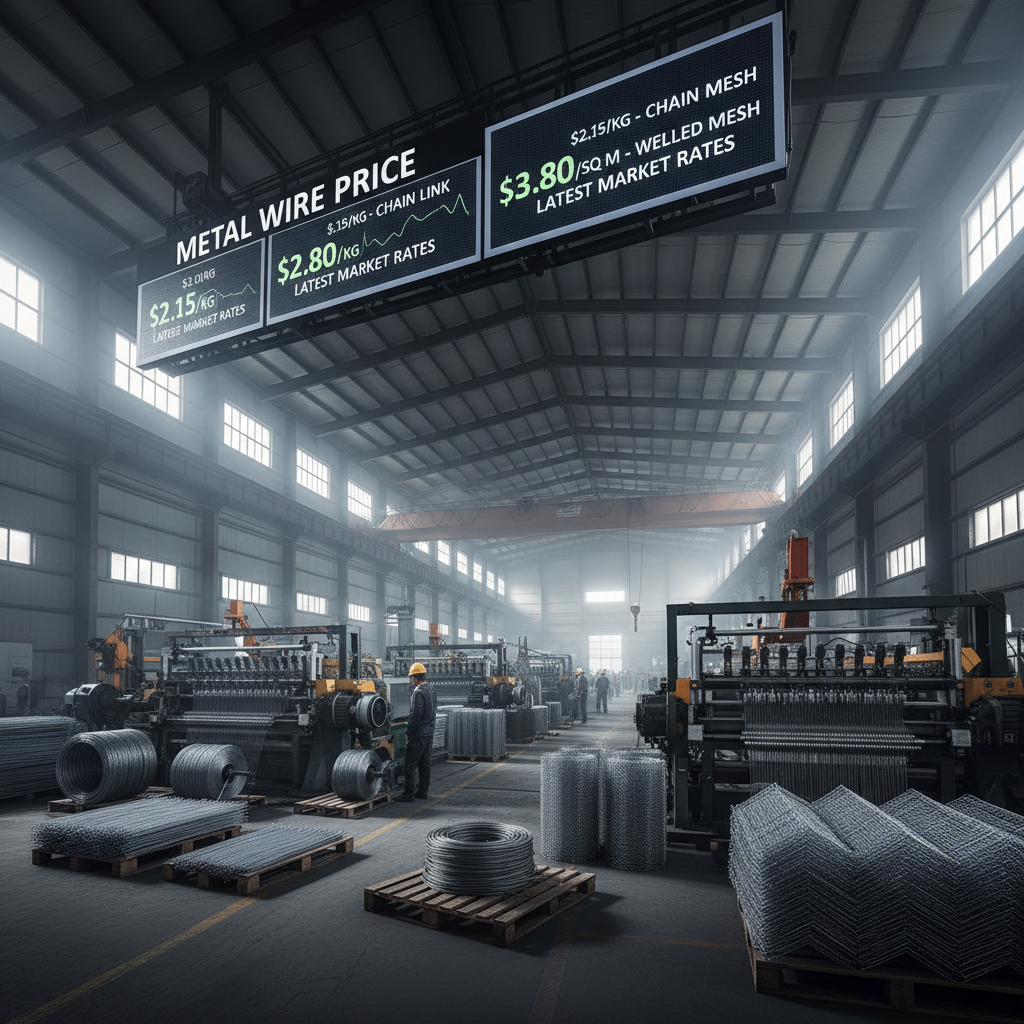
The final electric wire price per meter delivered to a site is heavily influenced by freight and customs. Given the extreme weight of metal coils, shipping costs can add a significant percentage to the unit price. Strategic sourcing from manufacturers located closer to the project site or utilizing bulk procurement contracts can hedge against these logistical expenses.
Moreover, "Just-in-Time" (JIT) procurement is becoming riskier due to global supply chain instability. Many forward-thinking firms are now opting for "Just-in-Case" inventory management, locking in the electric wire price per meter through long-term agreements with suppliers to avoid the spikes associated with geopolitical tensions or raw material shortages.
Compliance Standards and Long-term Value
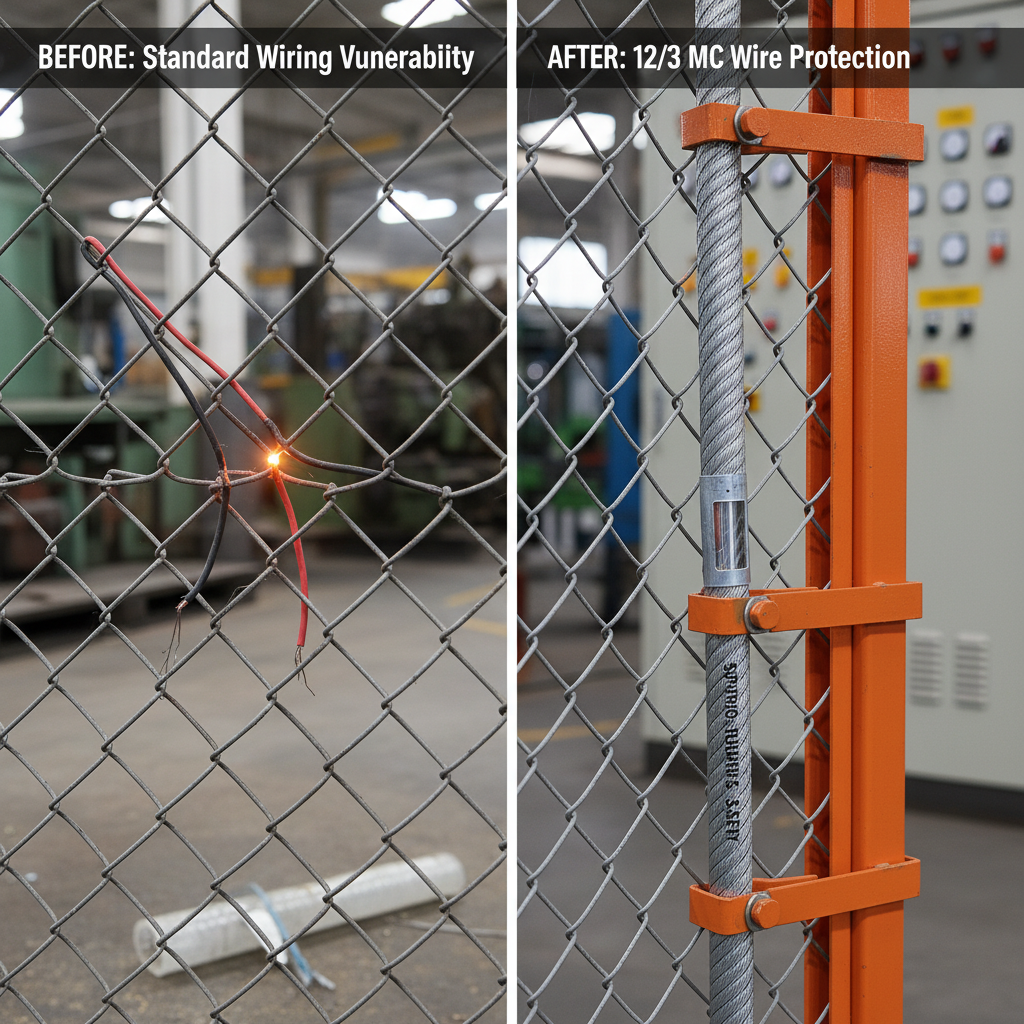
International certifications such as UL, CE, and ISO are not just badges of quality; they are critical components that influence the electric wire price per meter. A certified wire undergoes rigorous testing for flame retardancy, voltage endurance, and tensile strength, which adds to the production cost but guarantees safety and legal compliance in strictly regulated markets.
From a long-term value perspective, using non-certified wiring to save on the electric wire price per meter is a dangerous gamble. The potential for electrical fires or system failures far outweighs the initial savings. Certified wiring ensures that the infrastructure can handle peak loads without degrading, thereby protecting the entire asset.
Furthermore, adherence to environmental standards, such as RoHS (Restriction of Hazardous Substances), is becoming a requirement for government tenders. Eco-friendly manufacturing processes might slightly increase the electric wire price per meter, but they open doors to sustainable financing and green building certifications like LEED.
Future Innovations in Conductive Materials
The future of the electric wire price per meter is being reshaped by material science. Carbon nanotubes and graphene-based conductors are being researched to replace copper and aluminum. While these materials are currently prohibitively expensive, their potential for near-zero resistance could revolutionize power transmission and drastically lower energy costs, even if the initial price per meter remains high.
Additionally, the integration of "smart" wiring—conductors with embedded sensors that can detect overheating or breaks in real-time—is emerging. This shifts the electric wire price per meter from a simple commodity cost to a technology investment, allowing for predictive maintenance and reducing the need for manual inspections.
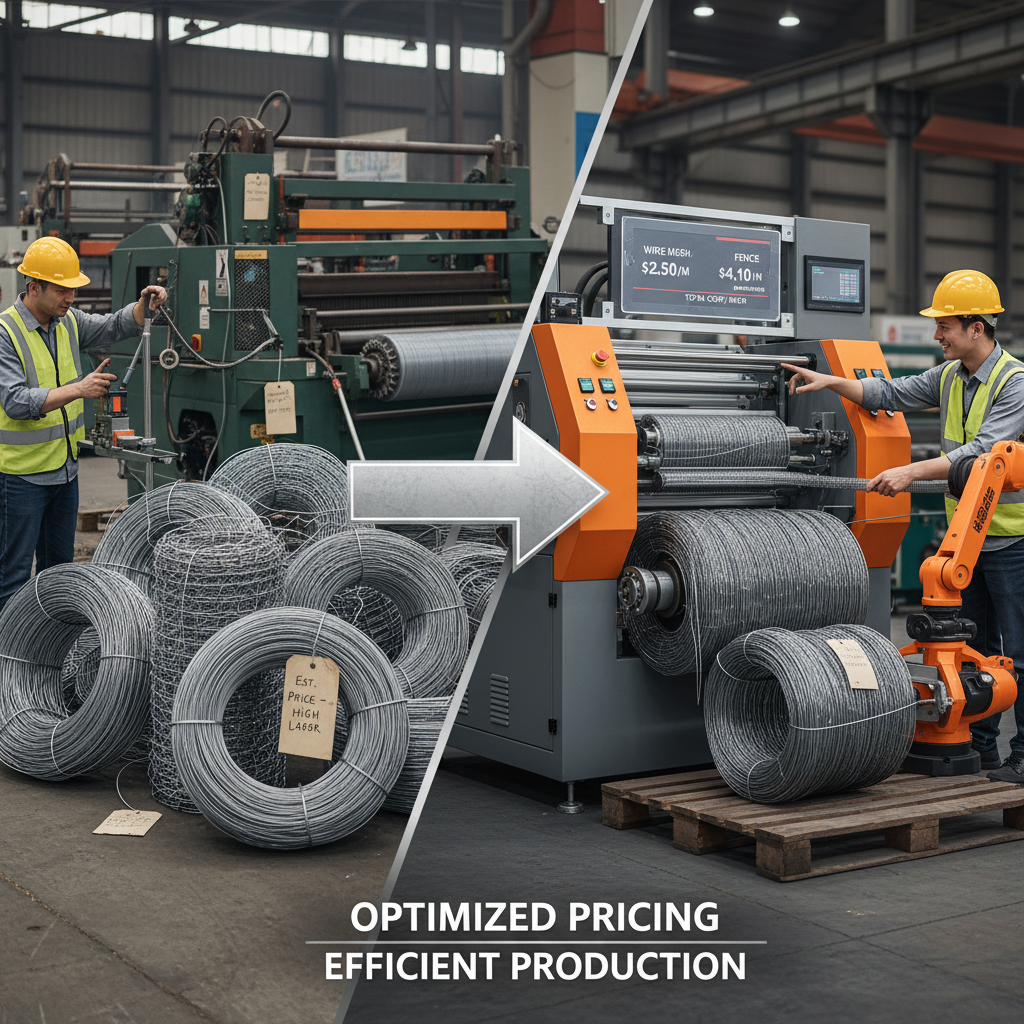
As automation in metal wire manufacturing increases, we expect a stabilization of the electric wire price per meter through reduced labor costs and optimized scrap recovery. The transition toward a circular economy, where old wiring is efficiently recycled into new high-grade conductors, will also play a key role in pricing stability.
Comparative Analysis of Wiring Material Specifications and Pricing Factors
| Material Type |
Price Volatility |
Conductivity Score |
Application Focus |
| Pure Copper |
High |
10/10 |
Residential/Precision |
| Aluminum Alloy |
Medium |
6/10 |
Power Grids/Utility |
| Tinned Copper |
Medium |
9/10 |
Marine/Corrosive Env. |
| Silver Plated |
Very High |
10+/10 |
Aerospace/RF |
| Copper Clad Steel |
Low |
7/10 |
Grounding/Strength |
| Nickel Plated |
Medium |
8/10 |
High Temp Industrial |
FAQS
The most significant factors include the current market price of raw metals (copper or aluminum), the wire gauge (thickness), the type of insulation material used (PVC, XLPE, etc.), and the required certifications. Additionally, volume discounts and shipping costs can significantly alter the final price per meter delivered to the customer.
Yes, in terms of initial procurement, the electric wire price per meter for aluminum is substantially lower. However, aluminum has lower conductivity, meaning you need a thicker wire to carry the same current as copper. It is highly cost-effective for long-distance transmission but less so for tight residential spaces.
Insulation adds a variable cost based on the environment the wire will face. Standard PVC is the cheapest, while XLPE (Cross-linked Polyethylene) is more expensive due to its higher heat resistance. Specialized jackets, such as fire-resistant or chemical-proof coatings, can double or triple the price per meter compared to basic wiring.
Stranded wire is generally more expensive per meter because the manufacturing process involves multiple steps: drawing thinner filaments and twisting them together. This added labor and complexity increase the price, but the resulting flexibility and fatigue resistance make it essential for dynamic applications.
The best strategy is to enter into a Forward Contract or a long-term supply agreement with a manufacturer. By agreeing on a volume and a price ceiling (or using a formula based on the LME index), you can protect your project budget from sudden spikes in metal commodity prices.
Generally, yes. The cost of testing, auditing, and maintaining certifications (like UL or CE) is factored into the electric wire price per meter. However, this premium is a safeguard against catastrophic failure and is often a legal requirement for insurance and building code compliance.
Conclusion
Navigating the complexities of the electric wire price per meter requires a holistic understanding of material science, commodity markets, and technical standards. From the volatility of copper prices to the critical importance of insulation grades and international certifications, every variable plays a role in determining the final cost and the long-term viability of an electrical installation. By prioritizing a balance between initial expenditure and total cost of ownership, procurement managers can ensure that their infrastructure is both economically feasible and technically robust.
Looking ahead, the industry is moving toward more sustainable and "intelligent" conduction solutions. As we integrate greener materials and smart monitoring into our grids, the way we calculate value per meter will evolve from simple material weight to a metric of efficiency and reliability. We recommend partnering with experienced manufacturers who offer transparent pricing and a commitment to global quality standards to future-proof your investments. Visit our website for professional guidance and high-quality solutions: www.hebei-wiremesh.com