Erosion and sediment control are critical aspects of any construction or land development project. One of the most reliable and widely used solutions is the wire backed silt fence. Designed for durability and enhanced performance, this type of silt fence provides superior support compared to standard options, making it ideal for demanding environments.
In this comprehensive guide, we’ll explore different sizes such as 3 ft x 100 ft terata e ntšo e tšehelitsoeng ka terata ea silt and 4 ft x 100 ft terata e ntšo e tšehelitsoeng ka terata ea silt, discuss wire backed silt fence price, and walk through proper terata backed silt terata techniques.
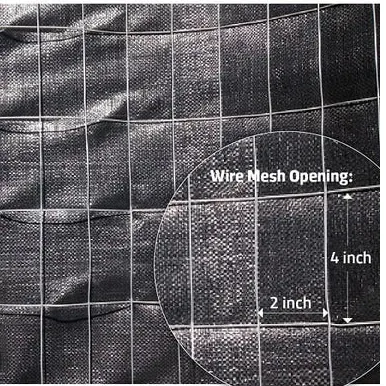
Understanding Wire Backed Silt Fence and Its Benefits
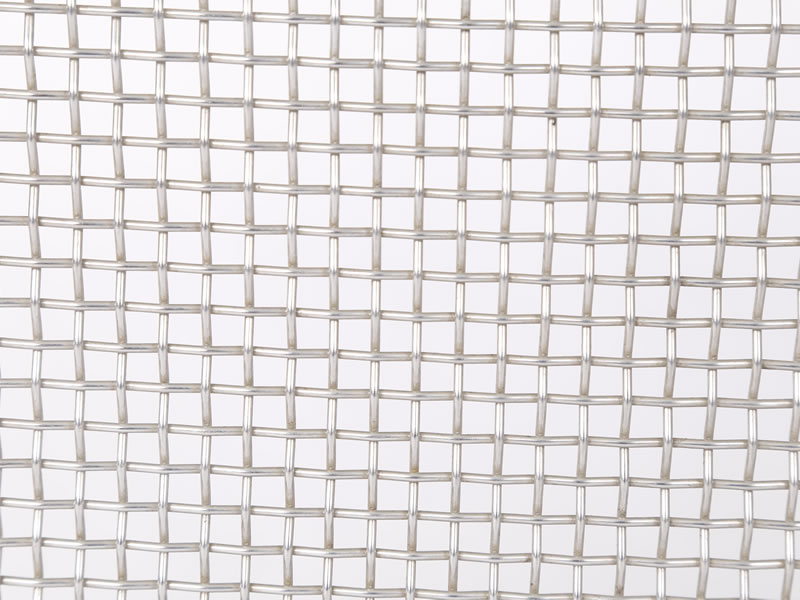
A wire backed silt fence is a sediment control barrier made of geotextile fabric reinforced with welded wire mesh. This combination significantly improves strength and stability, especially in areas with high water flow or steep slopes.
Likarolo tsa Bohlokoa
Enhanced durability: The wire backing prevents tearing and collapse under pressure
Improved sediment retention: Maintains structure even in heavy runoff conditions
Longer lifespan: Ideal for extended projects
Better compliance: Meets many regulatory requirements for erosion control
Unlike standard silt fences, which rely solely on fabric and stakes, wire-backed versions provide structural reinforcement that ensures the fence remains upright and functional.
Common Applications
Construction sites
Roadwork and infrastructure projects
Agricultural land protection
Stormwater management systems
Because of its reliability, the wire backed silt fence is often required in projects where soil displacement risks are high.
Popular Sizes: 3 ft and 4 ft Options
Choosing the right size is essential for effective sediment control. Two of the most common options are the 3 ft x 100 ft terata e ntšo e tšehelitsoeng ka terata ea silt and the 4 ft x 100 ft terata e ntšo e tšehelitsoeng ka terata ea silt.
3 ft x 100 ft Black Wire Backed Silt Fence
This size is widely used for standard erosion control applications.
Advantages:
Easier to handle and install
Suitable for moderate slopes
Cost-effective solution
Best for:
Residential construction sites
Light to medium runoff areas
Short-term projects
The 3 ft x 100 ft terata e ntšo e tšehelitsoeng ka terata ea silt provides a balance between performance and affordability, making it a popular choice for contractors.
4 ft x 100 ft Black Wire Backed Silt Fence
This taller option offers increased protection and containment.
Advantages:
Higher sediment retention capacity
Better suited for steep slopes
More effective in heavy rainfall conditions
Best for:
Large construction projects
Areas with significant water flow
Long-term erosion control
The 4 ft x 100 ft terata e ntšo e tšehelitsoeng ka terata ea silt is ideal when additional height and strength are required to prevent sediment overflow.
Wire Backed Silt Fence Price and Installation Guide
Understanding the wire backed silt fence price and proper terata backed silt terata is crucial for planning and budgeting your project.
Wire Backed Silt Fence Price
The wire backed silt fence price can vary depending on several factors:
- Material Quality
Higher-grade geotextile fabric increases cost
Galvanized wire mesh adds durability but raises price
- Size and Specifications
Larger sizes like 4 ft x 100 ft terata e ntšo e tšehelitsoeng ka terata ea silt typically cost more than 3 ft x 100 ft terata e ntšo e tšehelitsoeng ka terata ea silt
Wire gauge and fabric weight also influence pricing
- Quantity Purchased
Bulk orders often come with discounts
Wholesale suppliers may offer better rates
Typical Price Range:
$50 to $150 per roll (depending on specifications and supplier)
While the upfront cost may be higher than standard silt fences, the added durability often results in lower maintenance and replacement costs over time.
Wire Backed Silt Fence Installation
Proper terata backed silt terata is essential to ensure effectiveness. Incorrect installation can lead to failure, regardless of product quality.
Step-by-Step Installation Process
- Site Preparation
Clear debris and vegetation along the installation line
Mark the fence alignment
- Trenching
Dig a trench approximately 6–8 inches deep
This helps anchor the fabric and prevent underflow
- Positioning the Fence
Unroll the wire backed silt fence along the trench
Ensure the wire mesh is on the downstream side
- Securing Posts
Drive stakes or posts at regular intervals (typically 6–10 feet apart)
Attach the wire mesh securely to the posts
- Backfilling
Place the bottom of the fabric into the trench
Backfill with soil and compact firmly
- Inspection
Check for gaps, loose sections, or improper alignment
Ensure the fence follows the contour of the land
Best Practices
Avoid installing across concentrated water flow
Regularly inspect after rainfall
Repair any damage immediately
Do not overstretch the fabric
Proper terata backed silt terata ensures maximum performance and compliance with environmental regulations.
The wire backed silt fence is an essential tool for effective erosion and sediment control. Whether you choose a 3 ft x 100 ft terata e ntšo e tšehelitsoeng ka terata ea silt for standard applications or a 4 ft x 100 ft terata e ntšo e tšehelitsoeng ka terata ea silt for more demanding conditions, selecting the right product is key to project success.
By understanding the wire backed silt fence price and following proper terata backed silt terata practices, you can ensure long-lasting performance, regulatory compliance, and environmental protection.
Investing in a high-quality wire-backed solution not only safeguards your project site but also contributes to sustainable land management.