Mochini oa Mesh oa Wire

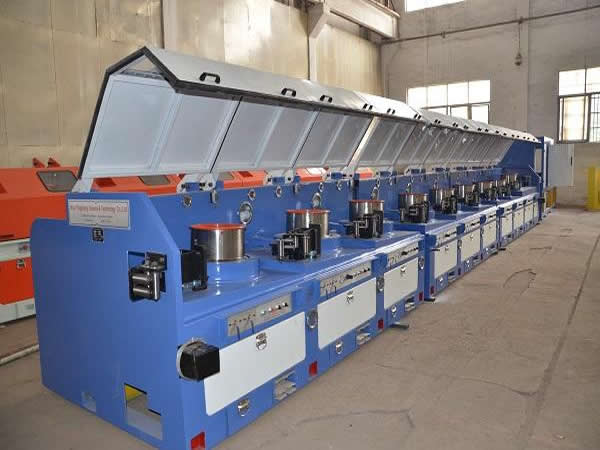
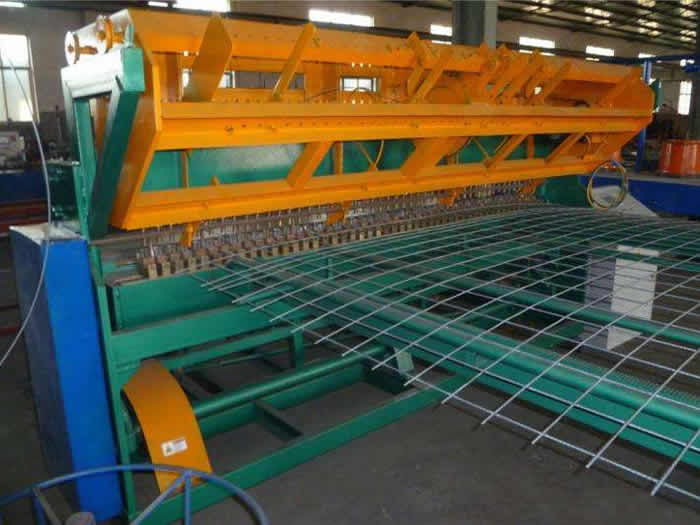
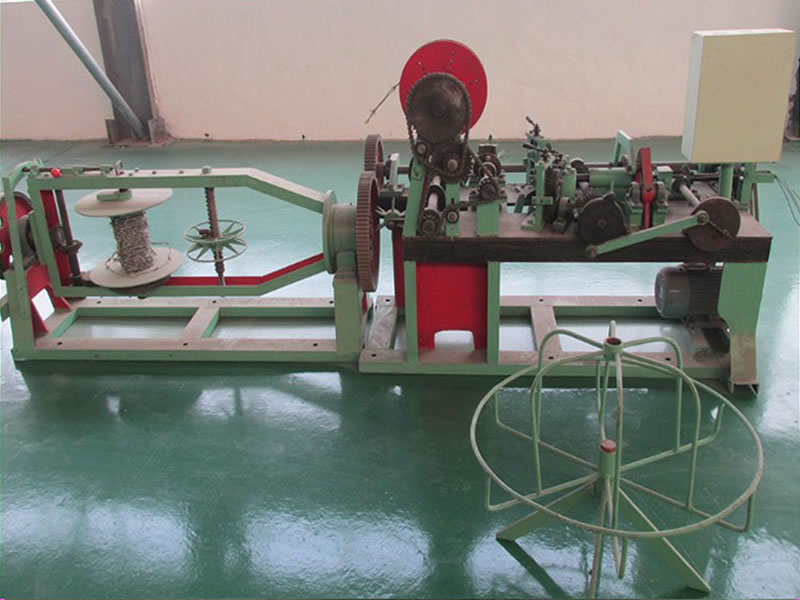
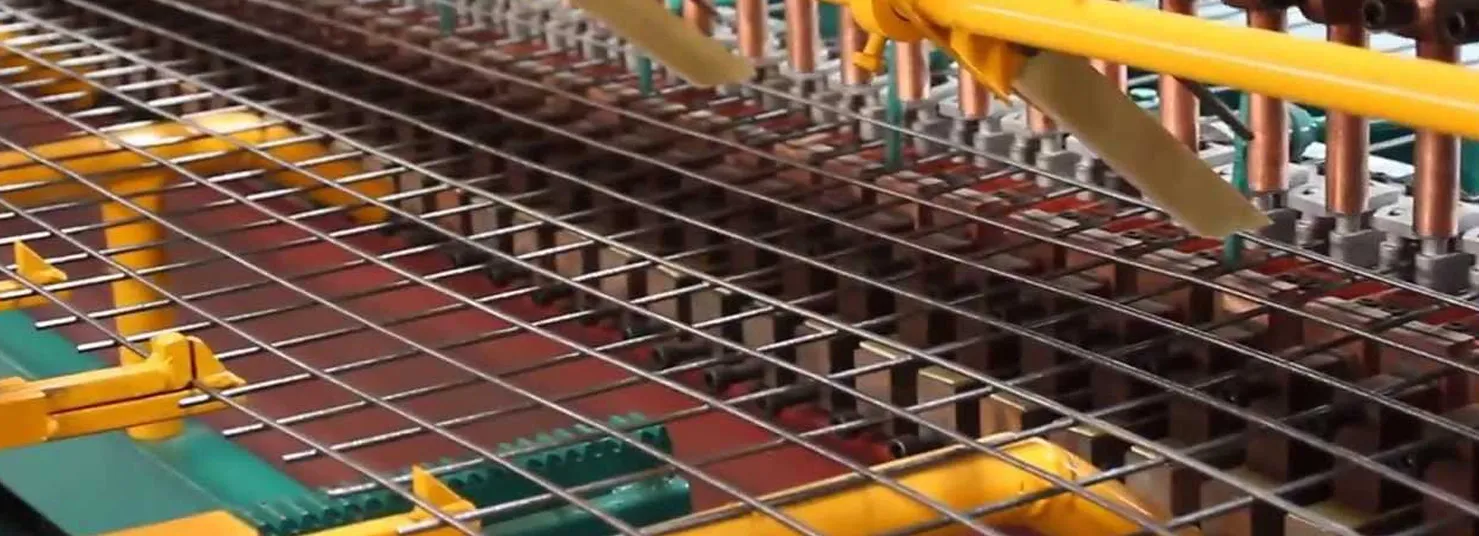
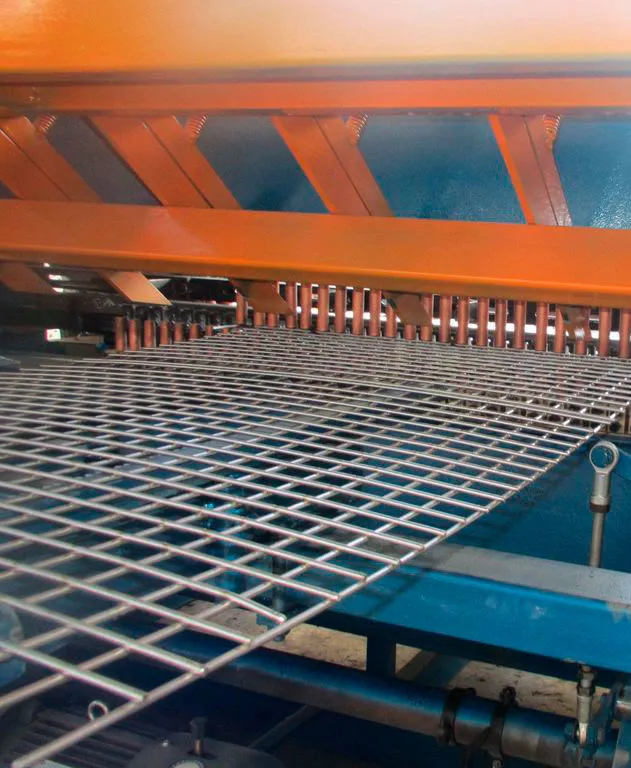
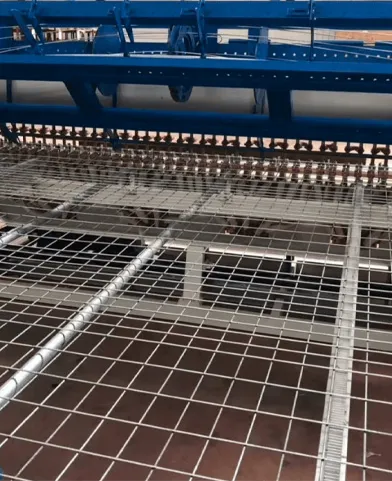
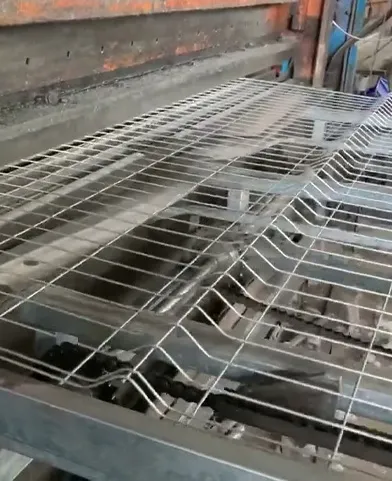
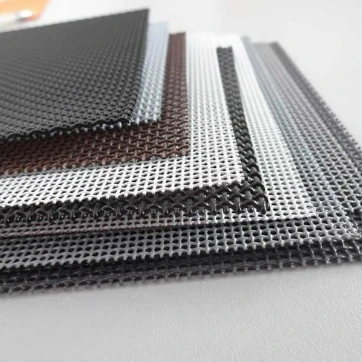
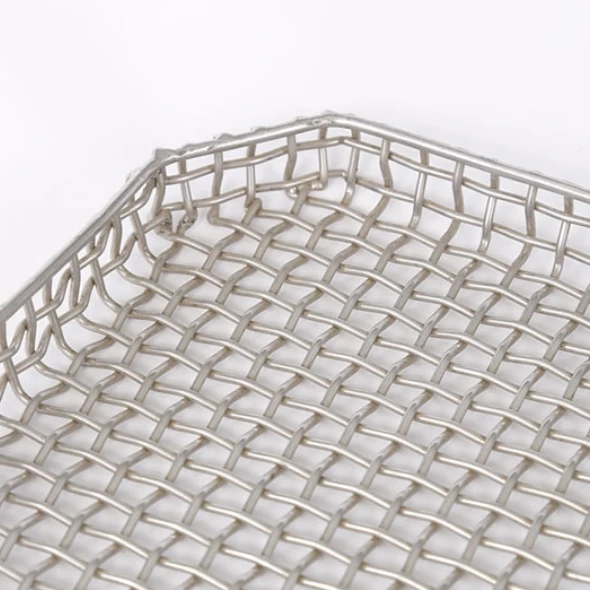
A wire mesh machine is a specialized piece of equipment designed to produce various types of lihlahisoa tsa terata, such as tšepe e se nang tšepe e cheselitsoeng letlooeng, chain link fence mesh, or woven polyester mesh. These wire mesh making machines automate the process of cutting, bending, welding, or weaving metal wires—usually made from materials like galvanized steel, stainless steel, or iron—into precise grid patterns.

Wire mesh machines are widely used in industries such as construction, agriculture, mining, and fencing production. They improve efficiency, reduce labor costs, and ensure consistent product quality. Depending on the wire mesh type, a wire mesh machine can feature programmable settings for mesh size, wire diameter, and panel dimensions, allowing for high customization and production flexibility.

Advanced models may include automatic feeding systems, welding units, mesh rolling, and cutting devices, supporting both small-scale workshops and large-scale industrial operations. With robust construction and easy maintenance, wire mesh machines are essential for manufacturers seeking high output and precision.

Ketane LINK FENcing MACHINE MANUKATSO

A chain link fencing machine manual provides detailed instructions on operating, maintaining, and troubleshooting the machine. It covers setup procedures, safety guidelines, and parts identification to ensure efficient and safe production of chain link fences. The manual of our chain link terata mochini o rekisoang explains how to adjust mesh size, wire tension, and speed for different types of wire fencing specifications. Regular maintenance tips help prolong machine life and prevent breakdowns. Following the manual carefully ensures high-quality fence manufacturing, reduces downtime, and enhances operator safety. Always refer to the manual before use for optimal performance and proper handling.


KEKETSO MACHINE MANAKO

Bukana ea mochine oa li-chain link e fana ka litaelo tsa mohato ka mohato bakeng sa ho sebetsa le ho boloka mochine ka katleho. E kenyelletsa mehato ea polokeho, ho seta mochini, ho fepa ka terata, le tokiso ea boholo ba mesh. Bukana ena e tataisa basebelisi mabapi le ho rarolla mathata a tloaelehileng le ho lokisa maemo ho netefatsa ts'ebetso e bonolo le ho lelefatsa bophelo ba mochini. Tšebeliso e nepahetseng ea bukana e thusa ho holisa tlhahiso, ho hlahisa makhokahanyo a boleng bo holimo, le ho boloka polokeho ea basebelisi. Kamehla latela litataiso 'me u hlahlobe mochini khafetsa bakeng sa ts'ebetso e nepahetseng.


MOSEBETSI OA MOSEBETSI OA MOSEBETSI

  • 1 Bokhoni bo Phahameng

    E tsamaisa tlhahiso ea mesh ea terata, e eketsa lebelo la tlhahiso haholo.
  • 2 Precision Manufacturing

    E hlahisa mesh e tsitsitseng, e nepahetseng e nang le boholo bo lekanang ba letlooeng le ho arohana ha terata.
  • 3 Ho feto-fetoha ha maemo

    E khona ho etsa mefuta e fapaneng ea mesh, joalo ka welded, lohiloeng kapa lohiloeng.
  • 4 Ho tšoarella

    E hahiloe ka thepa e matla ho mamella ts'ebeliso e tsoelang pele ea indasteri.
  • 5 Litšenyehelo tse Fokotsoeng tsa Basebetsi

    Automation e theola litlhoko tsa mosebetsi oa matsoho, ho boloka nako le litšenyehelo.
  • 6 Customizable Settings

    Liparamente tse feto-fetohang ho hlahisa boholo bo fapaneng ba mesh le li-diameter tsa terata ho fihlela litlhoko tse ikhethang.

KENYA LE LITABA

Haeba u thahasella lihlahisoa tsa rona, u ka khetha ho siea lintlha tsa hau mona, 'me re tla buisana le uena haufinyane.