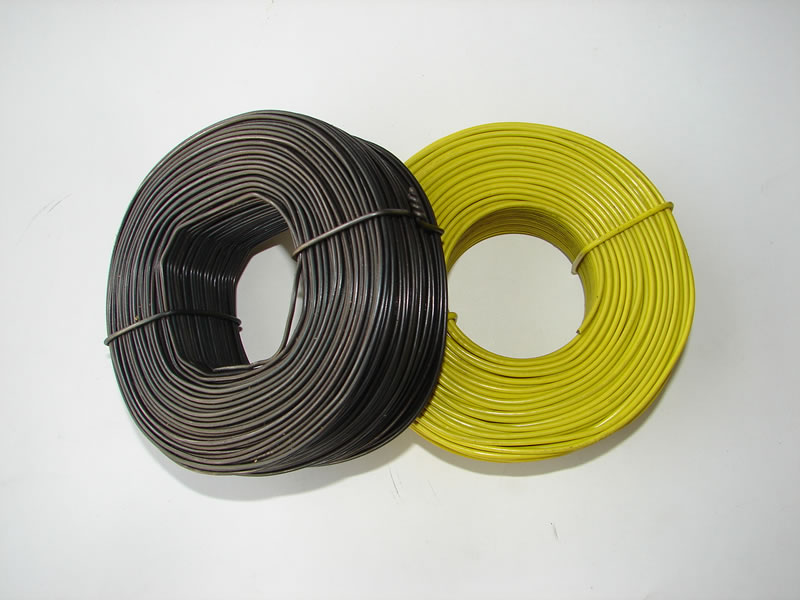
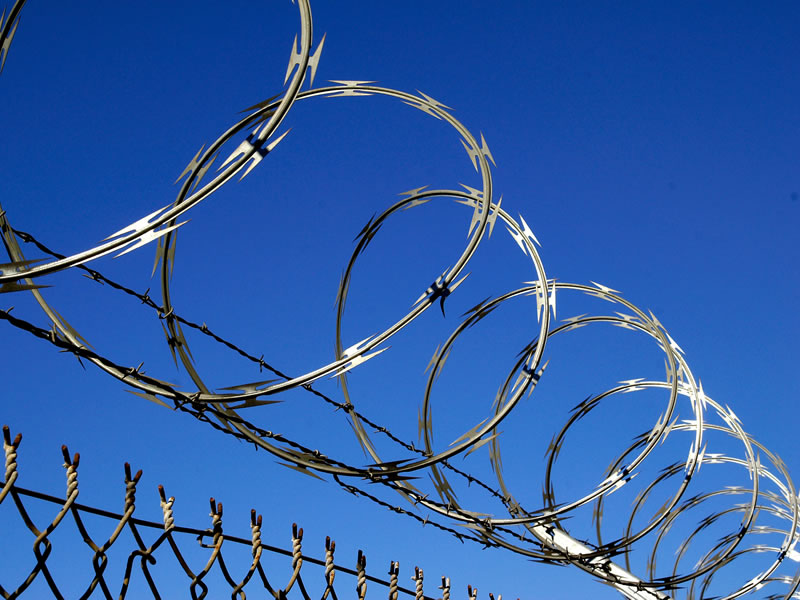
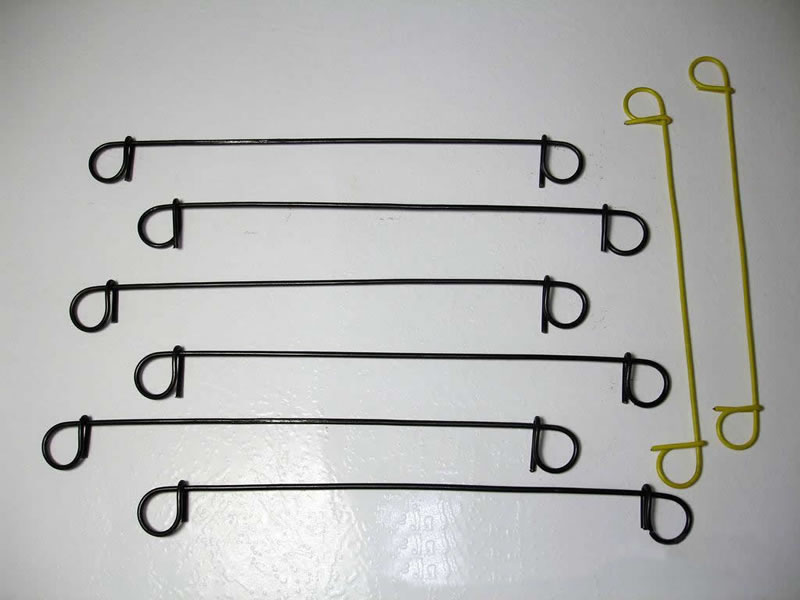
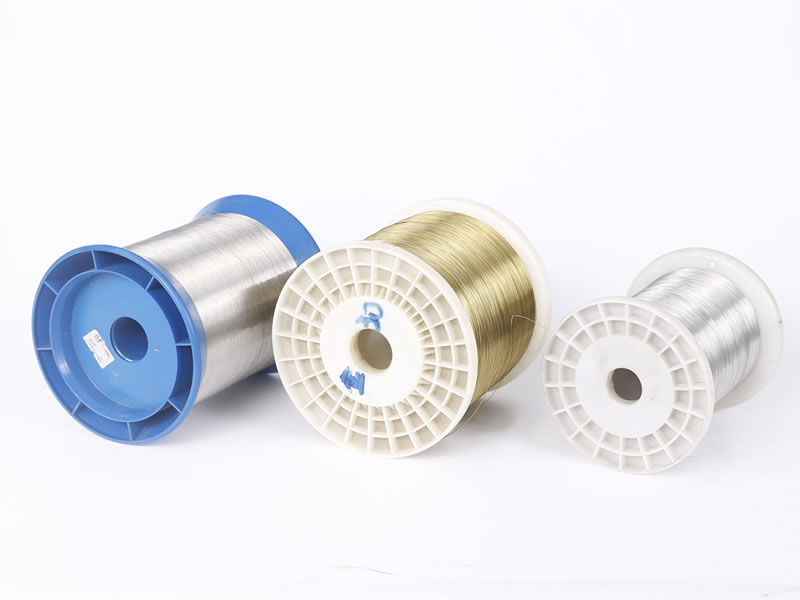
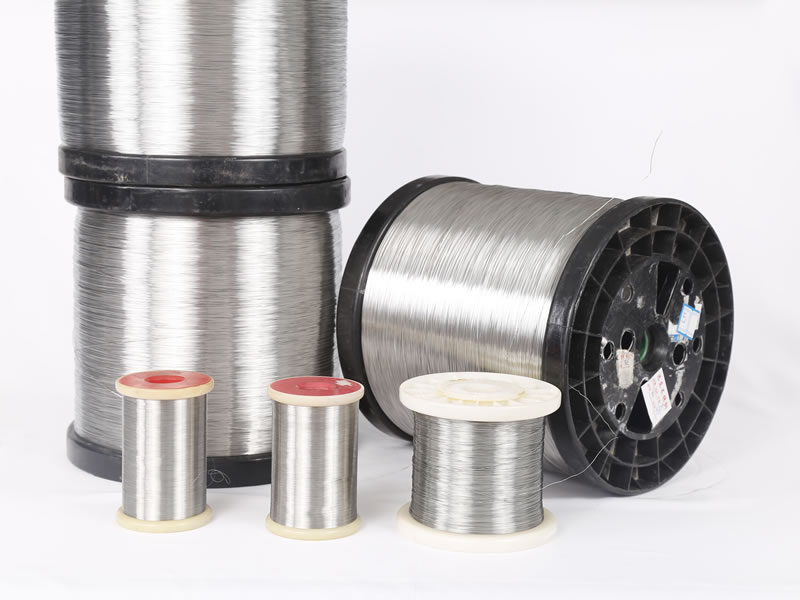
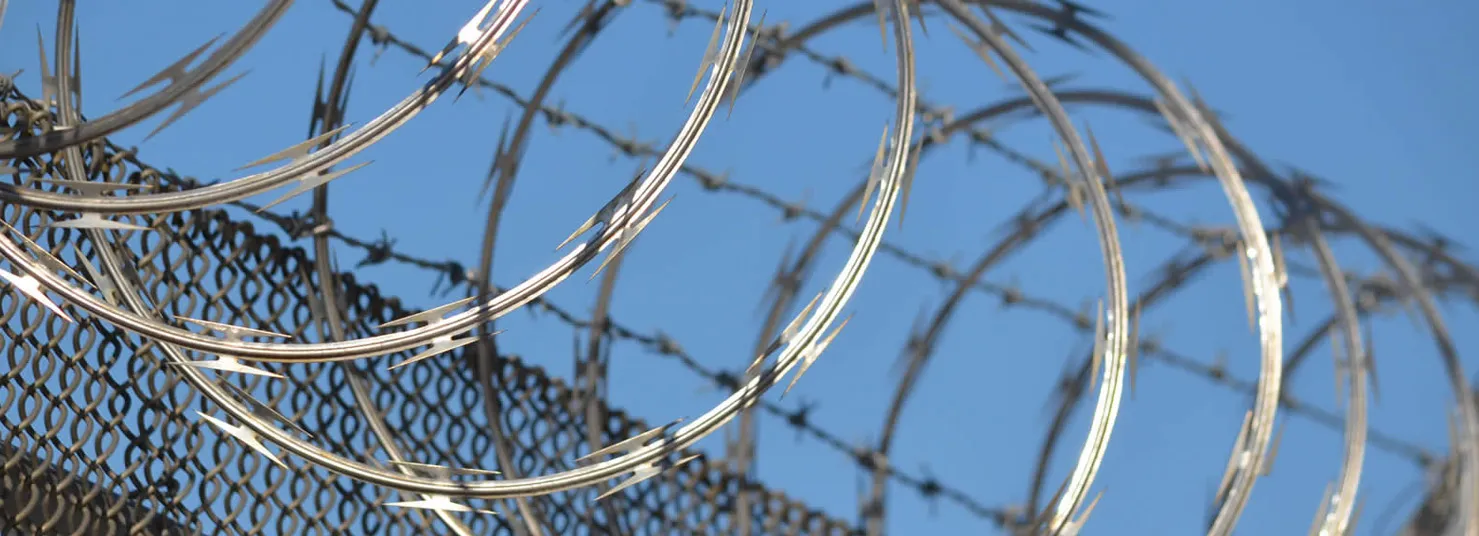
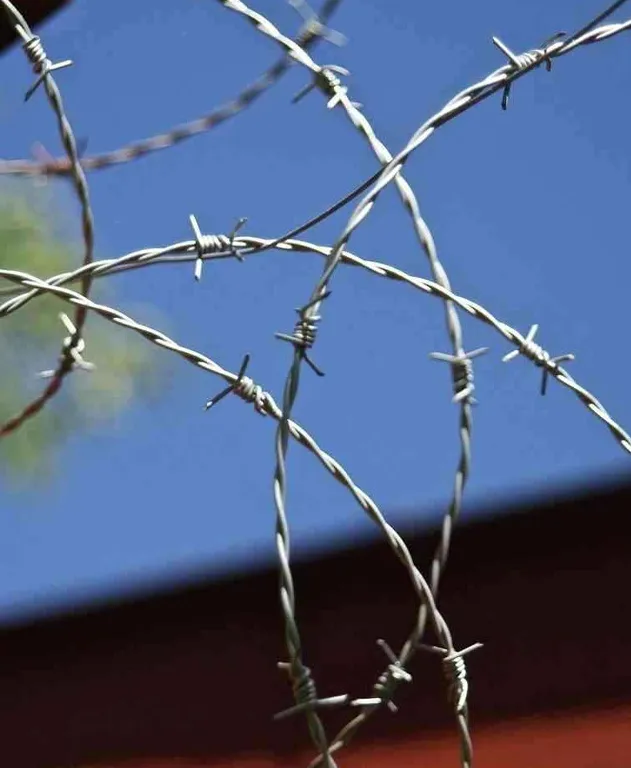
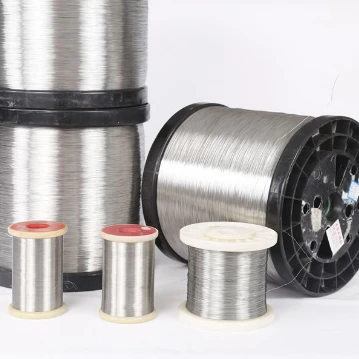
Metal wire is a thin, flexible strand made from metals such as copper, aluminum, steel, or nickel. It is commonly used in various industries due to its excellent electrical conductivity, strength, and durability. Wire with metal casing can be solid or stranded, coated or bare, and is available in a wide range of diameters to suit specific applications. It plays a crucial role in electrical wiring, construction, manufacturing, telecommunications, and even jewelry making. Depending on the metal used, metal wire products may offer resistance to corrosion, high tensile strength, or heat tolerance. Metal wire is often produced through processes like drawing and annealing to achieve desired flexibility and performance.

Metal Wire e sebelisetsoa eng

Metal wire is widely used in construction, manufacturing, electronics, and agriculture. It serves purposes such as electrical conductivity, structural reinforcement, fencing, binding, and forming mesh products. Depending on the types of metal wire—like stainless steel welding wire, copper clad stainless steel wire, or aluminum wire—metal wire can be flexible or rigid, making it suitable for diverse industrial and commercial applications.


Is Metal Clad Wire Strong

Yes, Metal Clad Wire can be very strong, depending on the type of metal used, its diameter, and how it’s processed. For example, steel wire fittings—especially high-carbon or stainless steel—is known for its excellent tensile strength and durability, making it ideal for heavy-duty applications like construction reinforcement, suspension bridges, and fencing. On the other hand, metals like copper or aluminum are softer and more flexible, which makes them less strong but better suited for electric tie wire and applications requiring malleability.

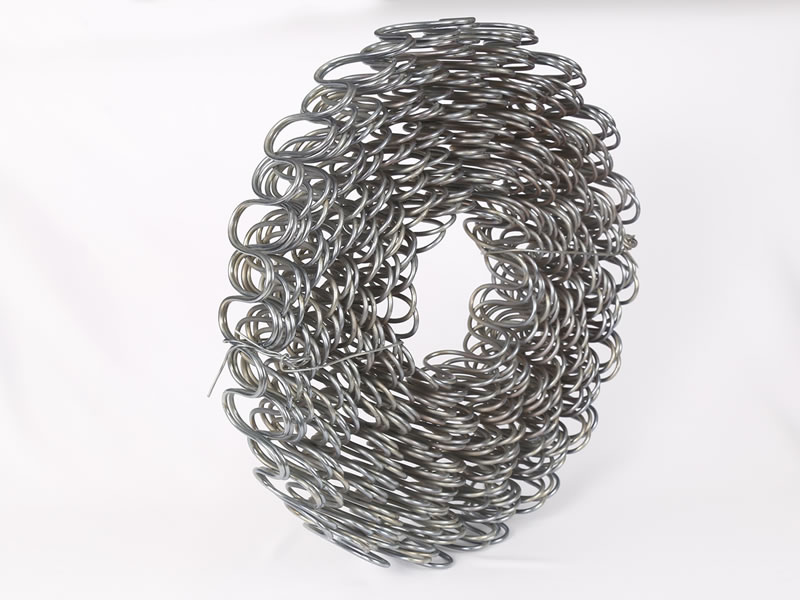
 

Melemo Ea Metal Wire

  • 1 Matla a Phahameng

    Metal wire e fana ka matla a matle haholo, e etsa hore e be e loketseng ts'ebeliso ea meralo le indasteri.
  • 2 Ho tšoarella

    E hanela ho koaheloa, tšusumetso, le maemo a tikoloho, haholo ha e kentsoe ka masenke kapa e se na letheba.
  • 3 Ho feto-fetoha ha maemo

    E fumaneha ka li-diameter tse fapaneng, libopeho le lisebelisoa ho lumellana le lits'ebetso tse fapaneng ho tloha ho terata ho isa ho tsa elektroniki.
  • 4 Boikhantšo

    Litšepe tse kang koporo le aluminium li fana ka conductivity e phahameng ea motlakase bakeng sa lithapo le lipotoloho.
  • 5 Malleability

    Mohala oa tšepe o ka kobeha, oa sotheha kapa oa bōptjoa ntle le ho robeha, e leng se lumellang hore ho be le meralo e tloaelehileng le masela.
  • 6 Khanyetso ea Corrosion

    Ka liaparo tse loketseng kapa khetho ea thepa, terata ea tšepe e ka mamella mongobo, lik'hemik'hale le boemo ba leholimo.

KENYA LE LITABA

Haeba u thahasella lihlahisoa tsa rona, u ka khetha ho siea lintlha tsa hau mona, 'me re tla buisana le uena haufinyane.