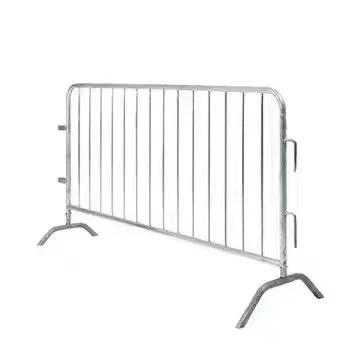
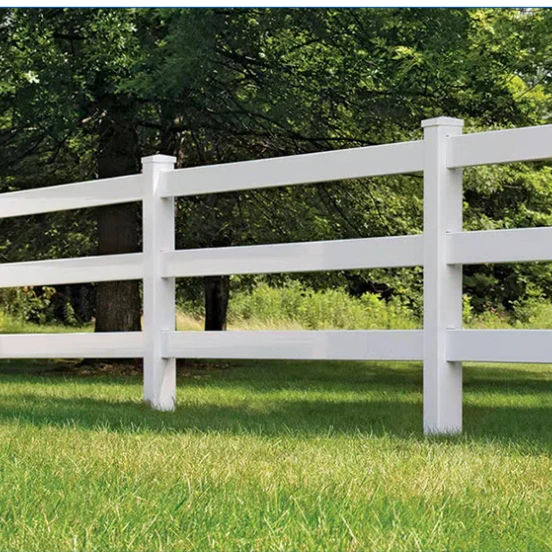
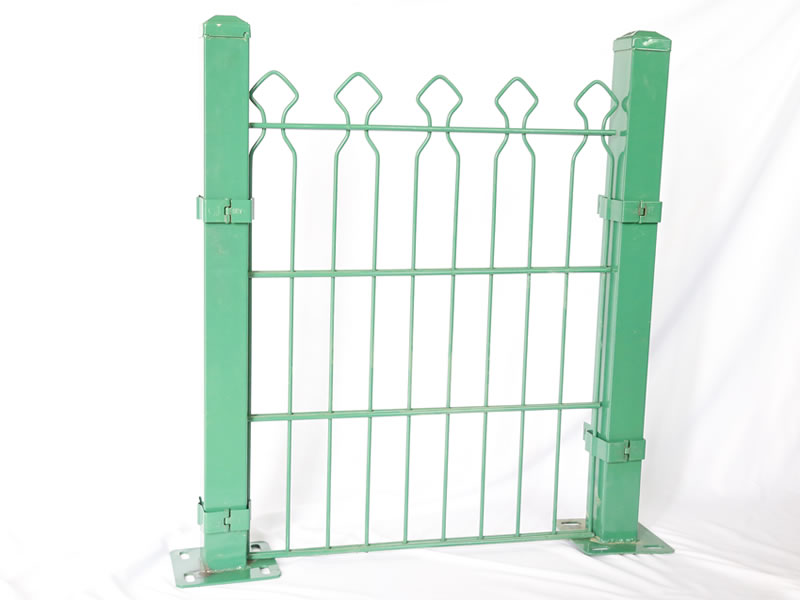
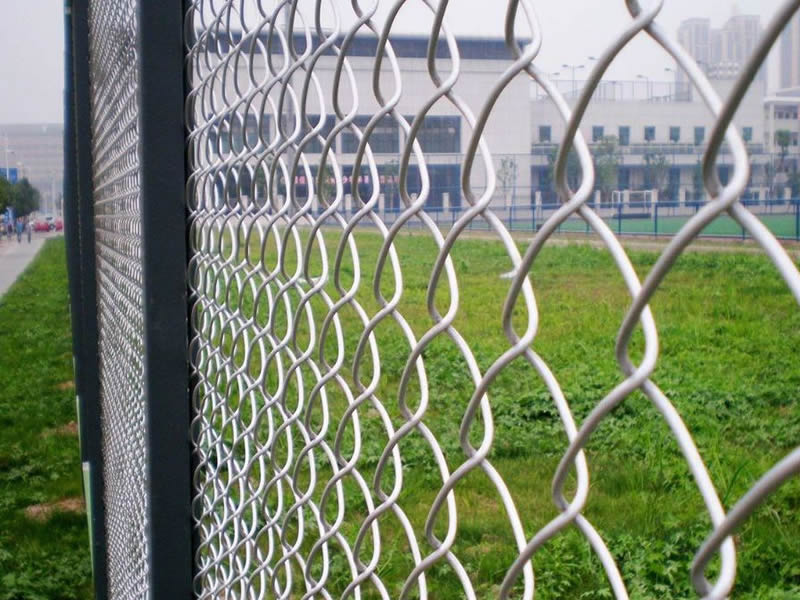
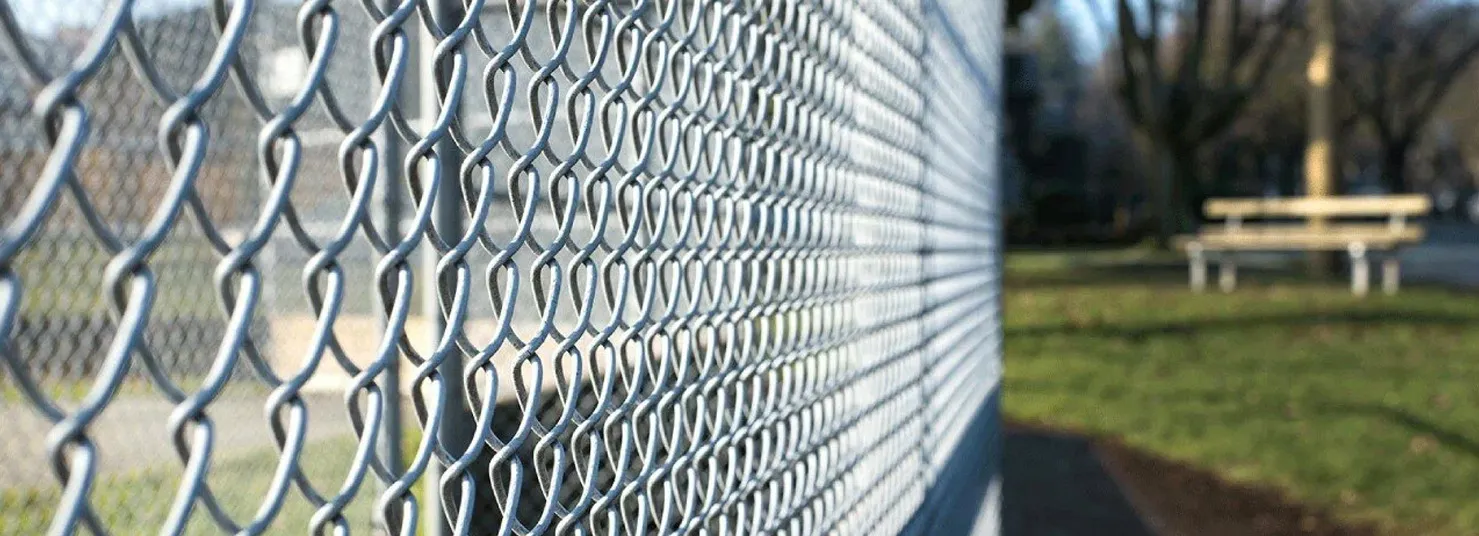
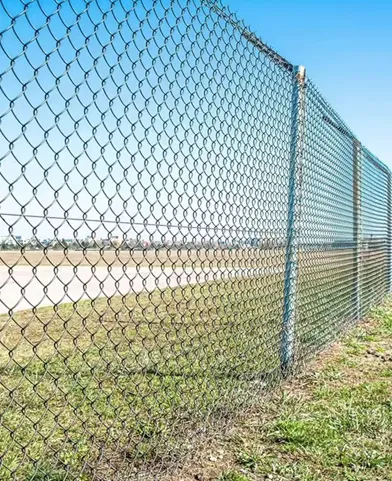
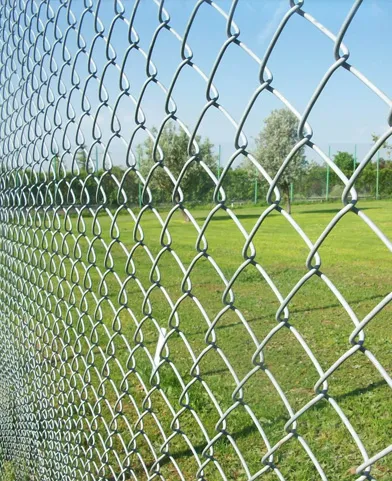
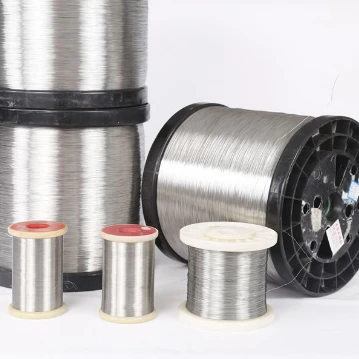
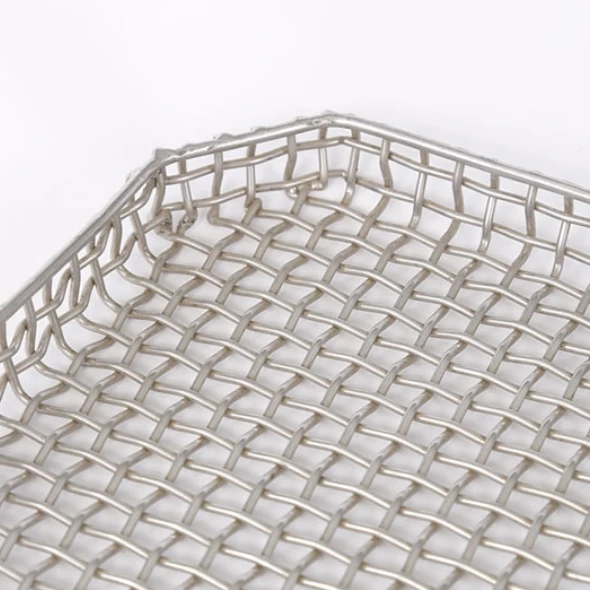
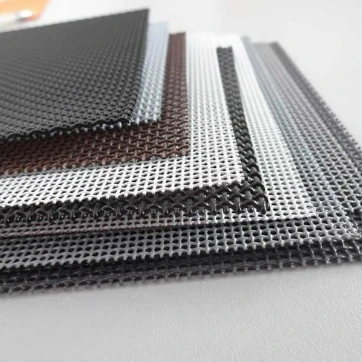
A wire mesh fence is a durable and cost-effective metal wire fence solution used in residential, commercial, agricultural, and industrial settings. Constructed from high-quality materials such as galvanized steel or stainless steel, wire mesh screen offers excellent strength, weather resistance, and long-lasting performance. The wire mesh fence design provides visibility and airflow while maintaining security, making it ideal for enclosing properties, gardens, farms, construction sites, and sports facilities.


Wire mesh fences come in various styles, including pvc welded wire mesh, chain link wire mesh fence, and expandable temporary fence, each suited to specific needs. Welded mesh offers a rigid and secure barrier, while chain link fence mesh is more flexible and easier to install. The metal mesh fence can be coated with PVC or powder to enhance corrosion resistance and aesthetic appeal. Installation is straightforward, and maintenance is minimal, making wire mesh fences a practical choice for a wide range of environments. Metal wire for fencing are also compatible with gates, posts, and other accessories for enhanced functionality and access control.

LEKHOPO LEKHOPO MAKHELO

Wire mesh fence sizes vary based on application and requirements. Common mesh sizes range from 1/2 inch to 4 inches, referring to the size of the openings. Wire diameters typically range from 1.2 mm to 5 mm, affecting strength and durability. Fence heights can vary widely, from 3 feet for wire garden fence up to 12 feet or more for building site security fencing. Panels and rolls come in different widths and lengths to fit various installations. Selecting the right size ensures optimal security, visibility, and longevity for the different types of wire fencing project.


KELETSO terata letlooeng

Ho kenya terata ea letlooeng ho kenyelletsa mehato e mengata. Ntlha ea pele, lekanya le ho tšoaea mohala oa terata. Cheka mekoti ea poso e arohaneng ka ho lekana, hangata ka maoto a 6 ho isa ho a 8, 'me u behe litšiea tsa terata ka konkreite ka mokhoa o sireletsehileng. Hang ha li-post li tsitsitse, bula letlooeng la terata 'me u le khomarele ho li-post u sebelisa li-staples, li-clip, kapa lithae, ho netefatsa hore mesh e taut. Khaola letlooeng leha e le lefe le feteletseng 'me u sireletse lipheletsong hantle. Qetellong, hlahloba terata bakeng sa botsitso 'me u etse liphetoho tse hlokahalang. Ho hlongoa hantle ho tiisa ho tšoarella, tšireletseho le ponahalo e makhethe.

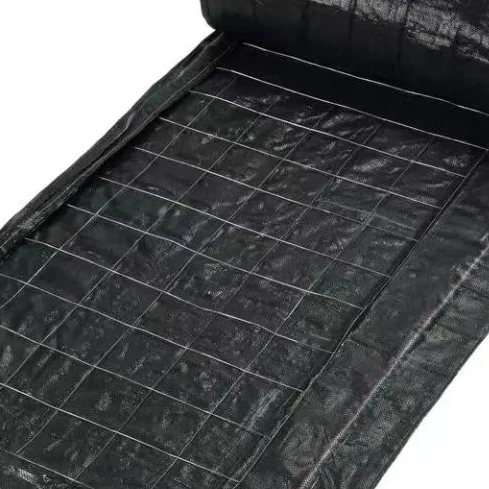


MOLEMO LEKHOPO LEKHOPO

  • 1 E tšoarella ebile e tšoarella nako e telele

    E entsoe ka thepa e matla e thibelang mafome le tšenyo ea leholimo.
  • 2 Tšireletso e Phahameng

    E fana ka mokoallo o ka tšeptjoang oa ho boloka batho le liphoofolo ka hare kapa ka ntle.
  • 3 Ponahalo e Ntle

    E lumella lintlha tse hlakileng ha e fana ka tšireletso.
  • 4 Tlhokomelo e tlase

    Ho bonolo ho hloekisa 'me ho hloka tlhokomelo e fokolang ha nako e ntse e ea.
  • 5 Chelete e sebetsang

    E theko e tlaase ha e bapisoa le likhetho tse ling tsa terata ka bophelo bo bolelele ba ts'ebeletso.
  • 6 Ho kenya ka Potlako le ho Bonolo

    Moralo o bobebe o etsa hore ho be bonolo ho o kenya le ho o etsa.

KENYA LE LITABA

Haeba u thahasella lihlahisoa tsa rona, u ka khetha ho siea lintlha tsa hau mona, 'me re tla buisana le uena haufinyane.