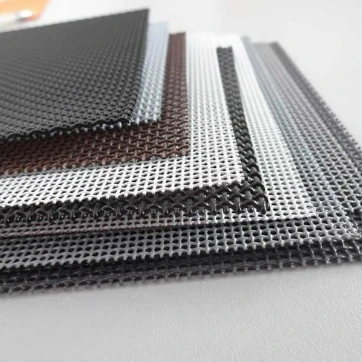
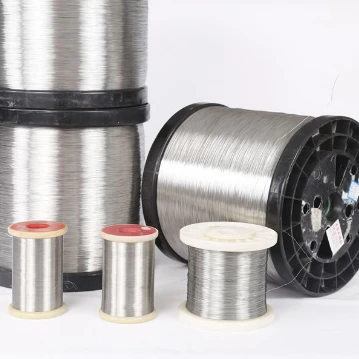
In modern manufacturing and construction environments, materials must meet increasingly strict requirements for durability, reliability, and long-term performance. Stainless steel welded wire mesh panels have become one of the most trusted solutions for industries that require both structural strength and corrosion resistance. Their rigid welded construction, combined with the inherent properties of stainless steel, makes them suitable for demanding industrial environments where ordinary metal mesh may not perform adequately.
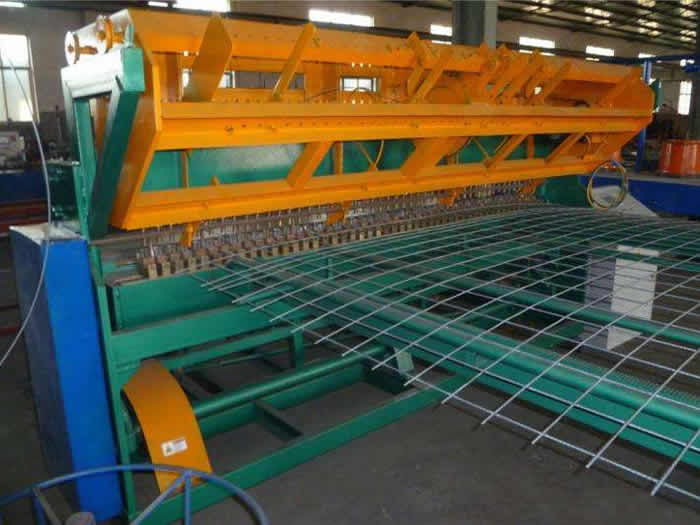
Unlike woven mesh products, welded wire mesh is produced by electrically welding intersecting wires at each crossing point. This process creates a fixed grid pattern that maintains consistent openings and prevents the wires from shifting. As a result, the panels retain their shape even under mechanical stress, making them ideal for applications such as protective barriers, equipment enclosures, machine guards, and structural reinforcement.
Industrial buyers often prefer kuhiliʻi kila welded mesh panels because they provide excellent stability while remaining adaptable to different project requirements. They can be manufactured in a wide range of sizes, wire gauges, and mesh openings, allowing engineers to select the appropriate configuration for specific operational conditions. This flexibility ensures that the mesh can meet both functional and safety requirements across diverse industries.
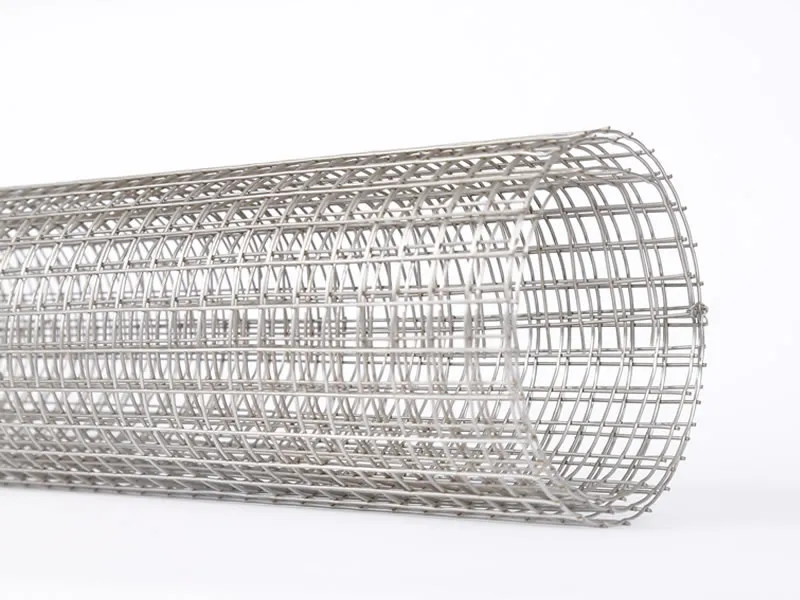
Durability and Structural Strength of Mesh Welded Steel in Harsh Environments
One of the defining characteristics of mesh wiliwili ʻia is its ability to maintain structural integrity even when exposed to demanding environmental conditions. Industrial sites frequently involve moisture, temperature variations, chemical exposure, and mechanical wear. Materials that lack corrosion resistance or structural strength may degrade quickly, leading to higher maintenance costs and safety concerns.
Stainless steel materials are well known for their corrosion resistance, which is primarily due to the chromium content within the alloy. When exposed to oxygen, stainless steel forms a thin protective oxide layer that shields the underlying metal from rust and oxidation. This protective layer regenerates naturally, allowing the material to maintain long-term resistance even in challenging environments.
Because of this property, stainless steel welded mesh is widely used in sectors where hygiene, durability, and environmental resistance are essential. Industrial plants, processing facilities, and outdoor infrastructure projects all benefit from the reliability of welded stainless steel mesh. The rigid welding at each intersection also prevents deformation during use, ensuring that the mesh retains uniform openings and consistent load distribution.
Precision Applications Using Stainless Steel Welded Wire Mesh 1/2 Inch
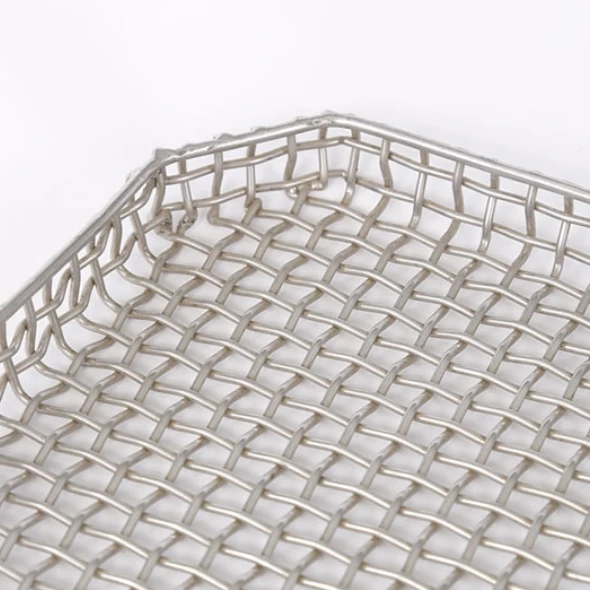
In applications where precise filtration, containment, or separation is required, mesh size becomes an important factor. Stainless steel welded wire mesh 1/2 inch is a commonly used specification that provides an effective balance between strength and visibility. The uniform half-inch opening allows for controlled airflow and material separation while maintaining structural stability.
Industrial filtration systems frequently use this type of mesh because it can retain larger particles while allowing liquids or gases to pass through efficiently. Similarly, protective enclosures for machinery often rely on half-inch welded mesh to provide safety without obstructing visibility. Operators can monitor equipment through the mesh while still maintaining a protective barrier against accidental contact.
The precision of the welded grid structure ensures that the openings remain consistent throughout the entire panel. This consistency is particularly important in applications that depend on predictable filtration or containment performance. Because each wire is securely welded at the intersections, the mesh resists distortion even when subjected to pressure or vibration.
Corrosion Resistance Advantages of 316 Stainless Steel Welded Wire Mesh
Certain industrial environments present more aggressive conditions than others. In coastal areas, chemical processing plants, and marine environments, exposure to saltwater and corrosive chemicals can quickly damage standard metal materials. In these situations, 316 stainless steel welded wire mesh is often the preferred solution.
Grade 316 stainless steel contains additional molybdenum compared with standard stainless alloys, significantly improving resistance to chloride corrosion. This makes the material particularly suitable for marine applications, offshore facilities, and environments where chemical exposure is common.
When fabricated into welded mesh panels, 316 stainless steel provides both structural durability and exceptional corrosion resistance. Industrial facilities that operate in harsh environments rely on this material because it maintains performance even when exposed to moisture, salt spray, or industrial chemicals. Over time, the increased resistance to corrosion helps reduce maintenance costs and prolong the service life of the mesh.
For industries that cannot afford frequent equipment replacement or structural repairs, investing in higher-grade stainless steel mesh provides long-term operational benefits.
Versatility of Stainless Steel Welded Wire Mesh Rolls in Industrial Fabrication
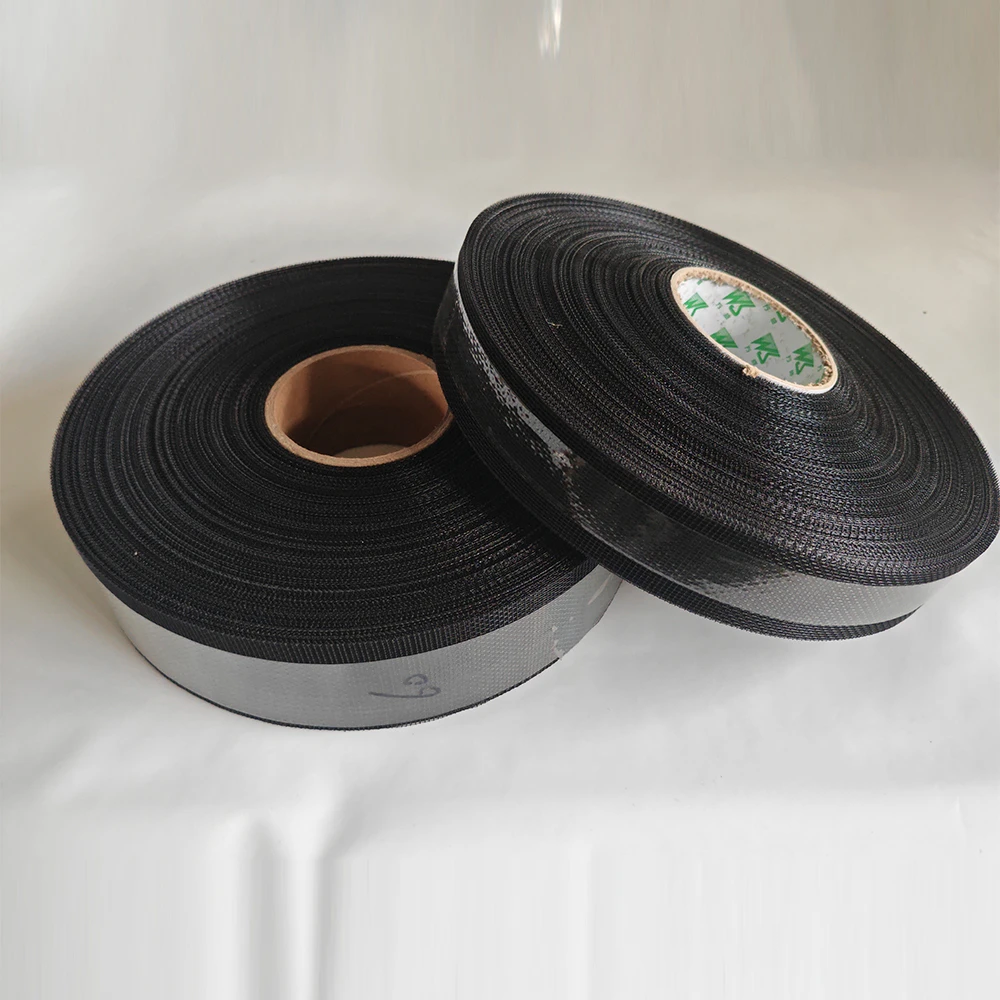
While rigid panels are widely used in structural applications, many industrial projects require more flexible materials that can be shaped or cut to fit specific installations. Stainless steel welded wire mesh rolls offer this adaptability, making them a popular choice for fabrication workshops and manufacturing environments.
Mesh supplied in roll form can be easily trimmed or bent to match unique structural requirements. This flexibility allows engineers and fabricators to create customized components such as machine guards, filtration baskets, and reinforcement structures. Because the mesh maintains welded intersections, it still provides stability and consistent openings even when manipulated during fabrication.
The roll format also simplifies transportation and storage, especially for projects requiring large quantities of mesh material. Manufacturers and contractors can keep mesh rolls in inventory and cut them to size when needed, reducing waste and improving efficiency during production processes.
In addition, stainless steel welded wire mesh rolls can be integrated into automated manufacturing systems where mesh materials must be continuously fed into production lines.
Market Considerations and Demand for Stainless Steel Welded Mesh Manufacturers and Suppliers
As global industries expand and infrastructure development continues, the demand for high-quality stainless steel mesh products has grown steadily. Buyers searching for reliable stainless steel welded mesh manufacturers or trusted stainless steel welded mesh suppliers are typically focused on consistent product quality and dependable delivery capabilities.
Industrial customers require mesh products that meet precise dimensional specifications and material standards. Reliable suppliers invest in modern welding technology and quality control systems to ensure that each mesh panel or roll maintains consistent wire diameter, accurate spacing, and secure weld joints.
Equally important is the supplier’s ability to provide customized production. Different industries often require variations in mesh opening size, wire thickness, or panel dimensions. Manufacturers that can adapt production processes to meet these specifications are better positioned to serve international markets.
Beyond manufacturing capability, professional suppliers also support customers with technical guidance and application recommendations. By understanding the operational requirements of each project, suppliers can recommend appropriate stainless steel grades and mesh configurations that optimize performance.