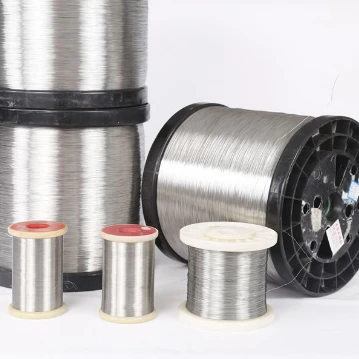
Understanding 040 stainless steel wire: What Makes It Stick in Industrial Applications
I’ve seen my share of steel wires in the industrial equipment world, and I’ll admit: 040 stainless steel wire is a bit of a subtle star. Oddly enough, while it’s not the flashiest product, it quietly supports many crucial applications. Over the years, countless engineers have leaned on its dependability, and frankly, I kind of get why.
So, what makes this particular gauge—commonly referred to as 0.40 mm diameter wire—tick? For one, it’s made from quality stainless steel, typically grade 304 or sometimes 316. The material boasts good corrosion resistance if you’re working around chemicals or moisture. Plus, it’s got a decent tensile strength that holds its shape even under pressure. I recall a case where a client in filtration manufacturing switched to 040 wire from a cheaper alternative; their equipment’s lifespan noticeably extended.
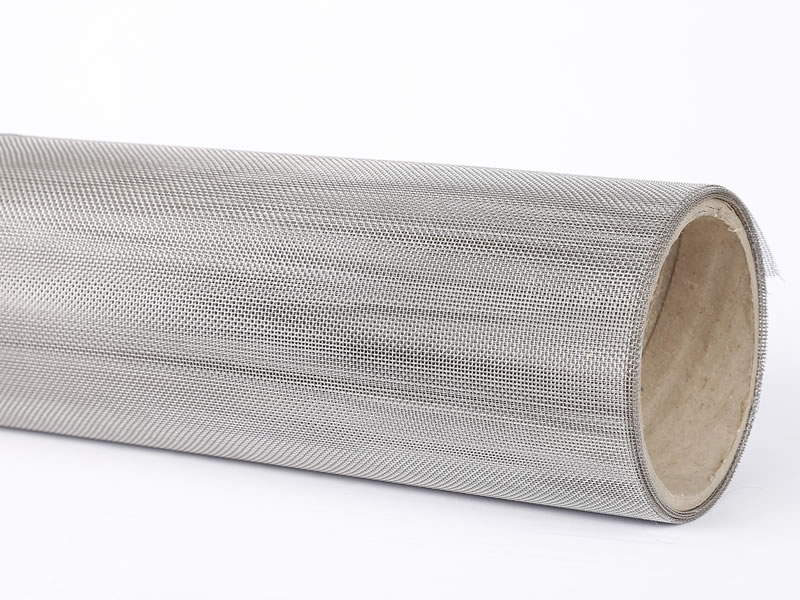
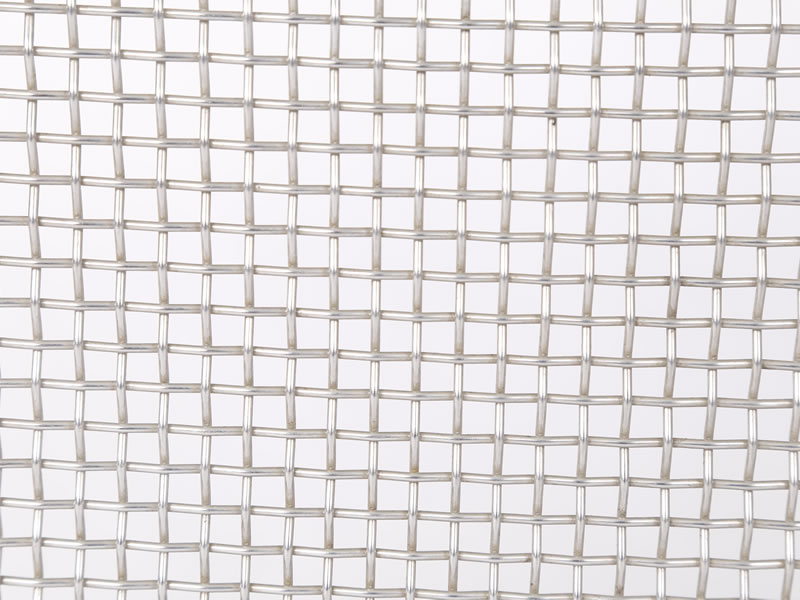
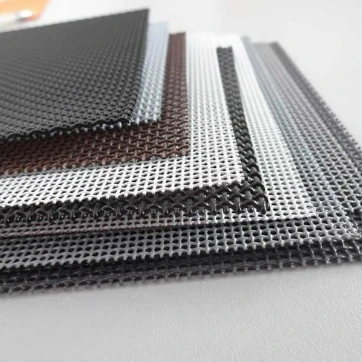
What’s fascinating in real terms is how versatile 040 stainless steel wire is. It’s thin enough to be woven tightly yet robust enough to resist breakage—perfect for screens, filters, springs, and even decorative mesh. I suppose its balance of flexibility and strength is why it’s such a staple. And, since it’s stainless, you won’t be fighting rust—a win in harsh environments.
Product Specifications of 040 Stainless Steel Wire
| Specification |
Details |
| Diameter |
0.40 mm (approx. 0.0157 inches) |
| Material |
Stainless Steel 304 / 316 |
| Tensile Strength |
Up to 750 MPa |
| Surface Finish |
Smooth / Polished options |
| Usage |
Filtration, Springs, Mesh, Medical, Industrial Fasteners |
| Standard Packaging |
Coils (custom lengths available) |
Customization is another angle worth mentioning. You can often order this wire in different stainless grades, with varying tensile properties or finishes depending on your industrial needs. I remember a company that required ultra-clean wire for a food processing line—they needed a mill-certified wire with no surface contaminants, and the manufacturer came through. It’s this kind of adaptability that keeps industry folks coming back.
Comparing Top Vendors for 040 Stainless Steel Wire
| Vendor |
Material Grades |
Tensile Range (MPa) |
Customization |
Typical Lead Time |
| Hebei Wiremesh |
304, 316L |
500–750 |
Diameter, finish, certifications |
2–3 weeks |
| ACME Steel Wires |
304, 430 |
480–700 |
Limited to finish options |
3–4 weeks |
| Global Wire Corp |
316L only |
600–800 |
Full customization but higher MOQ |
4+ weeks |
It’s worth saying that availability can vary by region and application. Hebei Wiremesh is a solid choice if you need a reliable partner with flexible options and decent turnaround. Many customers praise their quality control—it feels like they really know their wire. Sometimes, I suppose that’s the difference between a supplier and a trusted collaborator.
In terms of trends, I’ve noticed a steady rise in demand for high-grade stainless wire with very precise diameters. As industries become more exacting—think microfiltration or medical devices—the margin for error shrinks. Wire like the 040 gauge has had to keep pace, and suppliers are investing in better production tech and inspection tools.
To wrap it up: 040 stainless steel wire is a small but mighty piece of industrial hardware. Its balance of strength, corrosion resistance, and pliability means it’ll keep performing across countless jobs—if you select it smartly, and work with a vendor you trust.
That said, if you want to dig deeper or source quality wire, check out their range here. It might surprise you how often this humble wire shows up behind the scenes.
References:
1. ASM International, Stainless Steel Data
2. Industry Filtration Case Studies, 2022
3. Internal Vendor Audits & Customer Feedback, 2019–2023