Understanding 0.5 mm Stainless Steel Wire: Small Diameter, Big Impact
Let’s get straight to it. Stainless steel wire with a diameter of 0.5 mm might seem like a tiny detail in the grand scheme of manufacturing and industry, but its significance is surprisingly huge. This slender wire finds applications ranging from intricate electronics to robust construction reinforcements. Why does it matter globally? Simply because it ticks boxes that many competing materials struggle with: excellent corrosion resistance, strength, and versatility. These qualities make it a backbone for countless industries globally, impacting everything from infrastructure longevity to humanitarian efforts.
Mini takeaway: 0.5 mm stainless steel wire is a delicate yet indispensable component that quietly props up major global sectors.
Global Context: Why This Wire Matters More Than You’d Think
The worldwide stainless steel market exceeded $130 billion in 2023 and is expected to continue growing. A key driver is the demand for fine wire products like the 0.5 mm stainless steel wire, which find roles in precision applications across industries. According to ISO and World Bank reports, infrastructure quality and industrial resilience have become crucial for developing and developed countries alike. Thin stainless steel wires help solve problems like corrosion in humid environments or electricity conduction in compact electronics.
Oddly enough, despite its tiny size, a spool of 0.5 mm stainless steel wire can literally bridge gaps in high-tech and humanitarian logistics — whether by protecting sensitive cables or reinforcing fencing in disaster-prone zones.
Mini takeaway: The global logistics and infrastructure urgency make 0.5 mm stainless steel wire a surprisingly strategic material.
What Is 0.5 mm Stainless Steel Wire Exactly?
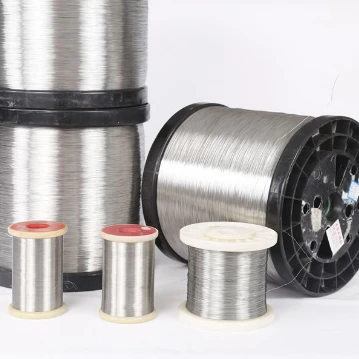
At its core, this refers to stainless steel wire that measures precisely 0.5 millimeters in diameter — think about a hair thickness or slightly thinner. Stainless steel is an alloy widely known for its chromium content (typically above 10.5%), granting it corrosion and rust resistance. This wire is produced through drawing and annealing processes to balance malleability and strength. It’s essentially a small strand of metal that delivers impressive physical durability wrapped in a thin, flexible form.
Connection to modern needs? A lot. Whether in fine mesh for filtration, wiring in electronics, or reinforcing material in medical devices, this tiny wire helps stand up to wear and environmental exposure that could cripple less robust materials.
Key Traits of 0.5 mm Stainless Steel Wire
- Durability: Resistant to rust, oxidation, and chemical wear, it holds up in tough outdoor and industrial environments.
- Strength-to-Weight Ratio: Though thin, it offers remarkable tensile strength, supporting structural integrity in varied applications.
- Flexibility and Workability: Enables shaping and precise installations, critical in fields like electronics or fine mesh manufacturing.
- Corrosion Resistance: Critical for marine, medical, and chemical industries where exposure to harsh elements is routine.
- Cost Efficiency: Long lifespan reduces maintenance and replacement costs, which translates to overall savings.
Mini takeaway: Combining strength, flexibility, and corrosion resistance, 0.5 mm stainless steel wire is tailored for precision and endurance.
Real-World Uses: Where This Wire Shines
Far from an abstract product, this wire pops up in surprising areas:
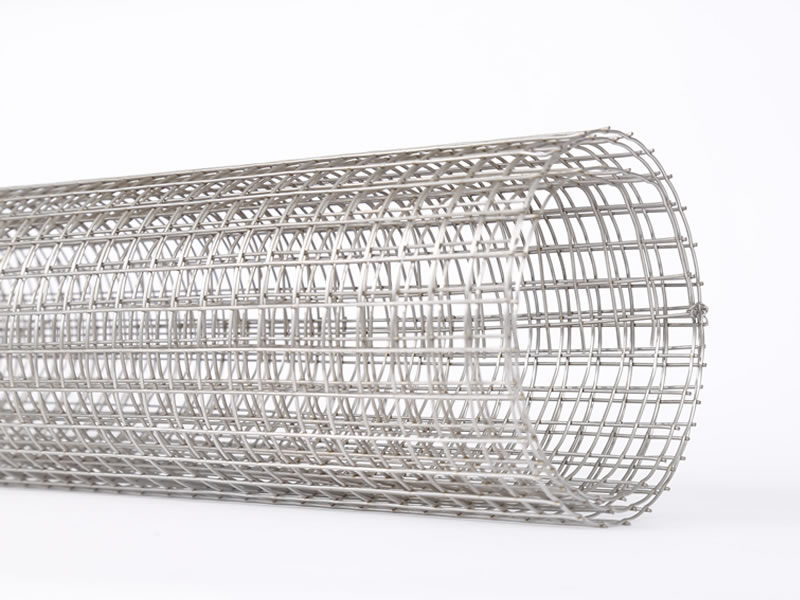
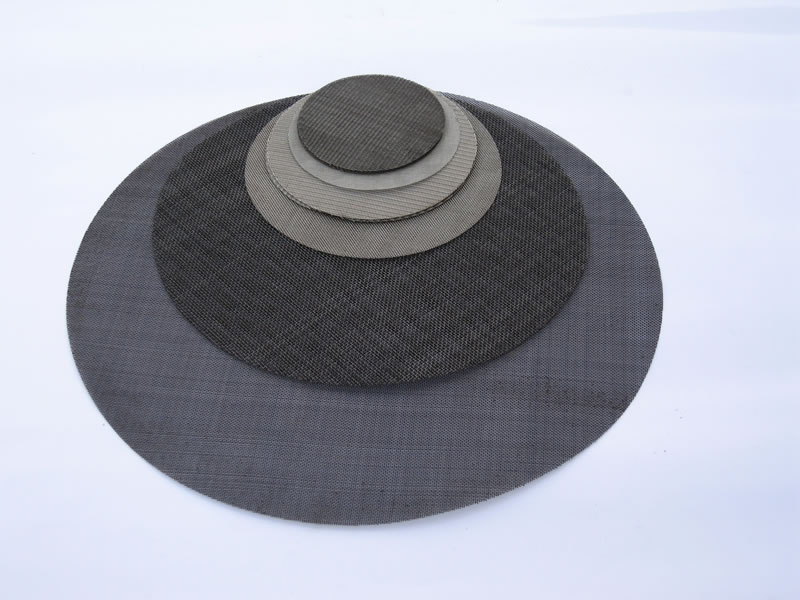
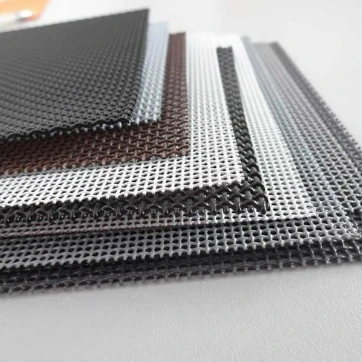
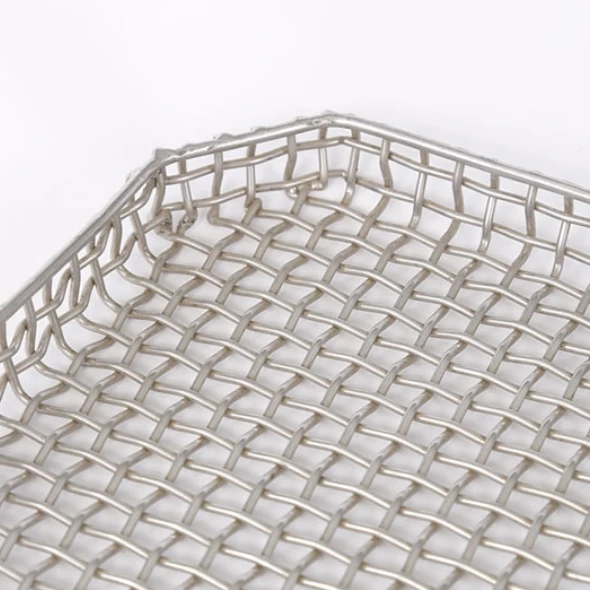
- Industrial Filters: Mesh wire filters require fine diameter wires to ensure particle retention without sacrificing flow rates.
- Electronics: Used in winding coils and circuit wiring where space is at a premium yet performance can’t be compromised.
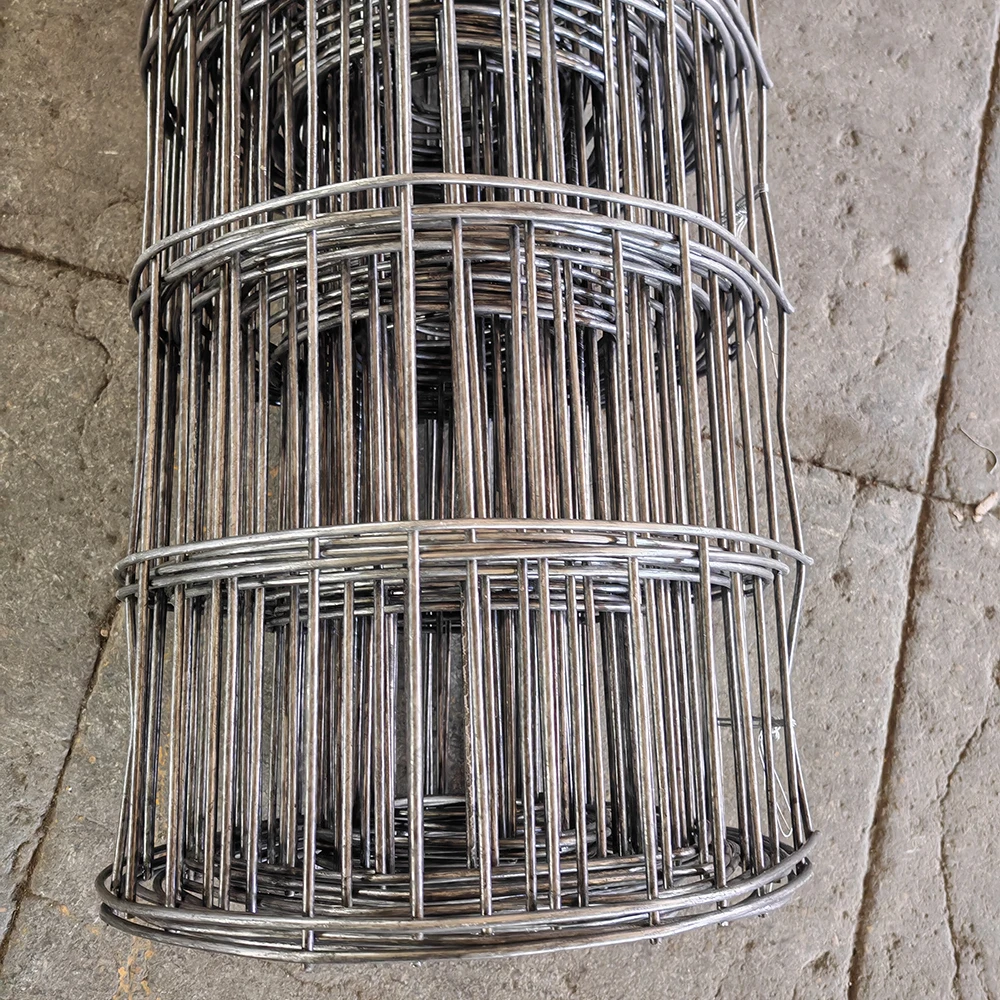
- Construction & Infrastructure: Reinforcing cables and fencing in coastal regions where corrosion is’s a constant challenge.
- Medical Devices: Components in surgical tools and implants that demand biocompatibility and durability.
- Disaster Relief: Durable fencing and support materials in remote areas undergoing rebuilding — addressing safety and quick deployment simultaneously.
In fact, NGOs working in Southeast Asia rely heavily on reliable stainless steel wire products to secure facilities and equipment during flood seasons.
Specifications of Typical 0.5 mm Stainless Steel Wire
| Property |
Value |
Remarks |
| Diameter |
0.5 mm |
Standard thin wire gauge |
| Material Grade |
304 / 316 |
Common industrial and marine grades |
| Tensile Strength |
700-900 MPa |
Varies with heat treatment |
| Elongation |
30-40% |
Influences flexibility |
| Corrosion Resistance |
Excellent |
Suitable for marine and chemical environments |
Vendor Comparison: Common Grades and Suppliers
| Vendor/Grade |
Material Grade |
Price (per kg) |
Typical Use Case |
| Hebei Wire Mesh Co. |
304 |
$15-$18 |
General industrial and construction |
| Stainless Solutions Ltd. |
316 |
$20-$25 |
Marine and chemical industry |
| Global Wire Corp. |
304L |
$17-$21 |
Medical and fine mesh applications |
Advantages & Long-Term Value of 0.5 mm Stainless Steel Wire
Let’s talk benefits that really matter. Firstly, its corrosion resistance means it lasts longer, which reduces replacements and thus waste — a big plus for sustainability. Logically, a material that can endure saltwater or acid rain without degrading also improves safety and reliability in critical applications.
On the emotional side, there’s a sense of trust that comes from using materials proven through decades of research and practical application. Engineers and project managers like knowing their components won’t fail unexpectedly. Plus, the innovation embedded in this thin wire’s production process is a quiet testament to human ingenuity meeting real-world challenges.
Future Outlook: Trends and Innovations
Looking ahead, the stainless steel wire industry is embracing greener manufacturing processes and automation. New alloy formulations are emerging to enhance strength without adding weight. For instance, nanostructured stainless steel wires might soon provide even better durability for aerospace and medical implants. Oddly enough, as digital transformation advances, demand is increasing for thinner, smarter wire applications that interact with sensor technologies or flexible electronics.
Also, EU’s and UN’s sustainability frameworks encourage suppliers to adopt lower-carbon footprint practices, benefitting manufacturers prioritizing 0.5 mm stainless steel wire production.
Challenges & Practical Solutions
However, the journey isn’t without bumps. Producing consistently uniform 0.5 mm diameter wire demands precision machinery and quality control, which can be costly. Sometimes availability lags demand, especially for specialty grades. Plus, improper storage can lead to surface contamination, sacrificing that prized corrosion resistance.
Experts recommend advanced cold drawing techniques and rigorous inline inspection systems to maintain quality. Vendor selection matters too, as certified producers follow standards (ISO 9001, ASTM) ensuring reliability. For buyers, requesting sample batches or small trial orders could save headaches later.
FAQ: Common Questions About 0.5 mm Stainless Steel Wire
- What industries mostly use 0.5 mm stainless steel wire?
Primarily electronics, filtration, medical devices, and construction sectors utilize this fine wire due to its strength and corrosion resistance.
- Is 0.5 mm stainless steel wire suitable for outdoor fencing?
Yes. Especially grades like 316 are highly resistant to corrosion, making them ideal for harsh environments including coastal areas.
- How should this wire be stored to preserve quality?
Store in dry, cool conditions away from chemicals and moisture to avoid surface oxidation or contamination.
- Can I customize the wire’s alloy for specific requirements?
Yes, many suppliers including 0.5 mm stainless steel wire manufacturers offer custom alloy and tensile strength options.
Conclusion
At the end of the day, 0.5 mm stainless steel wire represents more than just a measurement or a product; it’s a linchpin in industries tackling modern challenges with strength, adaptability, and precision. Whether for building resilient infrastructure, crafting delicate medical tools, or supporting post-disaster recovery efforts, this fine wire delivers long-term value that’s tough to match.
If you’re interested in exploring options or need tailored solutions, don’t hesitate to visit our website—we’re always ready to provide quality products matched with real-world expertise.
Final thought: Sometimes the smallest components hold the largest impact — 0.5 mm stainless steel wire surely proves that point.
References:
1. ISO 15510 Stainless Steels Standards,
2. World Bank Infrastructure Quality Reports, 2023,
3. Wikipedia: Stainless Steel.