Hit enter to search or ESC to close
13,Oct,2025
If you’ve worked around filtration—hydraulic, air, even compressor inlets—you already know why this material keeps showing up on drawings. It’s the quiet workhorse supporting filter media, shaping pleats, and keeping differential pressure predictable. Origin-wise, ours comes straight out of NO.11 WEI'ER ROAD, Industrial East Area, Anping County, Hebei, China—yes, the wire-mesh capital where half the industry gossip starts.
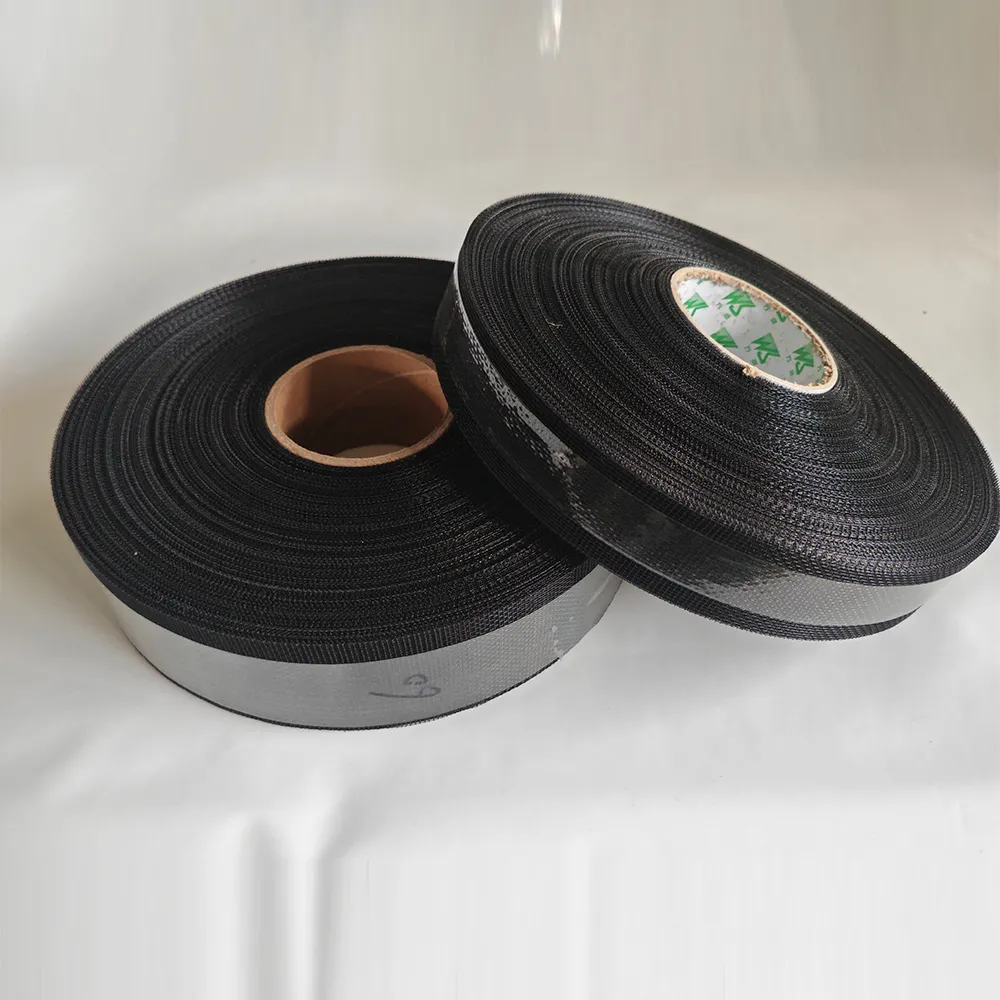
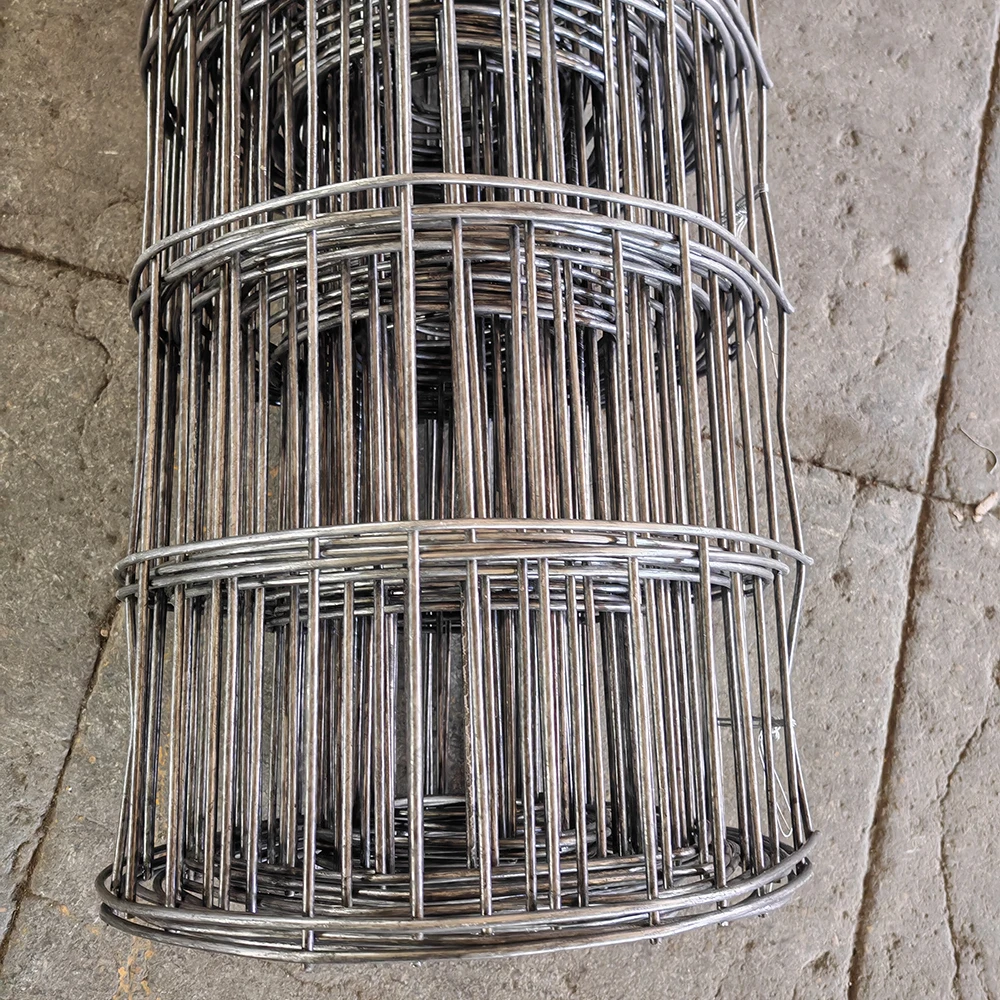
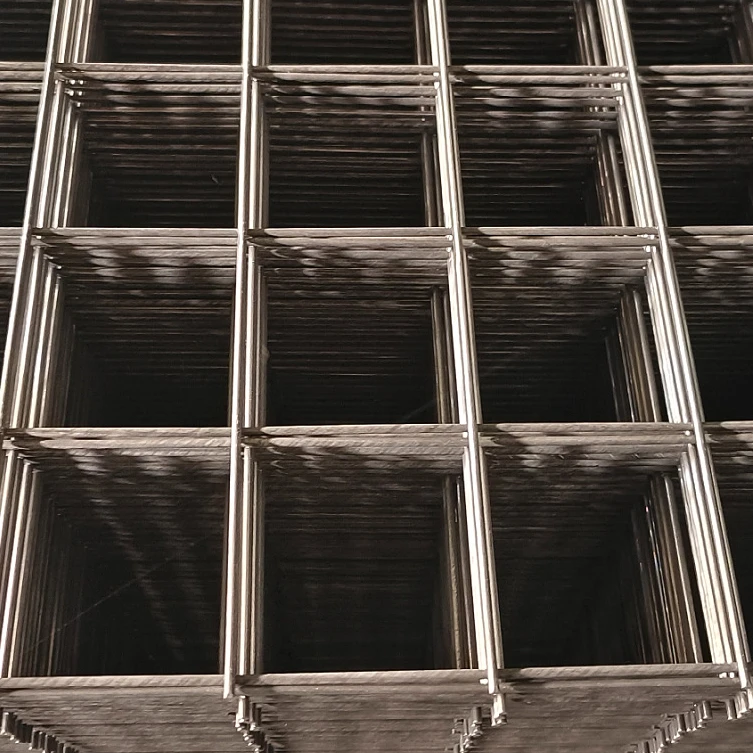
Two reasons: clean manufacturing and longer service intervals. EV battery lines and food-grade packaging hate particulate. OEMs are stretching change-out cycles, so support layers must resist abrasion and micro-corrosion. Honestly, Black Epoxy Coated Wire Mesh hits that sweet spot between stiffness and chemical resistance without overpricing like full stainless.
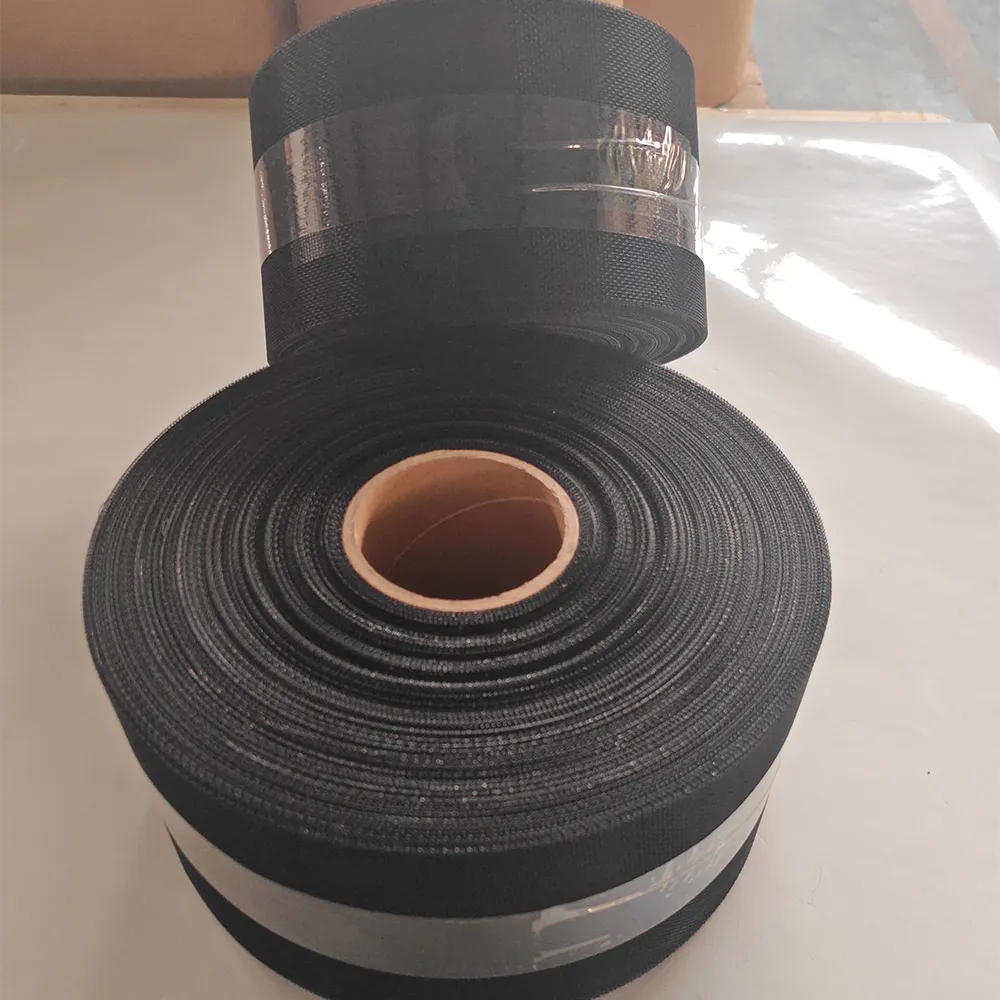
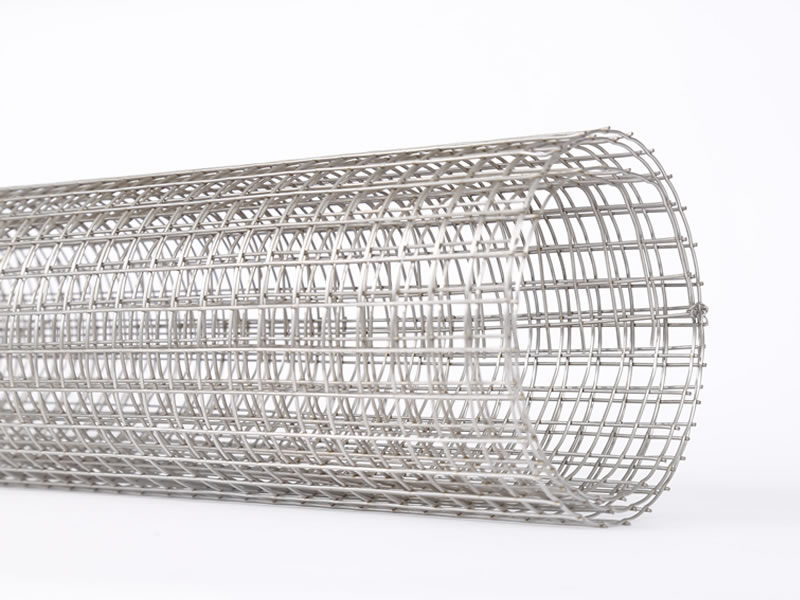
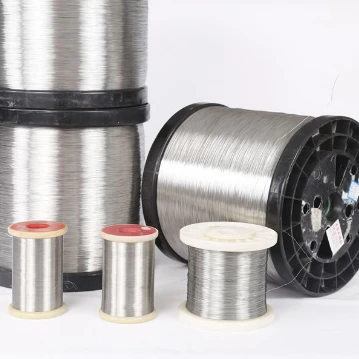
We see three base wires most: low-carbon steel, galvanized steel, and aluminum (for lighter pleats). After coating, Black Epoxy Coated Wire Mesh keeps a matte, low-glare finish—useful in optical or cleanroom housings.
| Mesh count | 20–80 mesh ≈ (real-world: 18–90) |
| Wire diameter | 0.10–0.30 mm (±0.01–0.02 mm) |
| Coating thickness | 18–25 μm (target), functional 12–35 μm |
| Open area | ≈30–65% depending on mesh/wire |
| Roll width / length | 1.0 m / 30 m (custom 0.6–1.5 m) |
| Color | Black matte, near RAL 9005 |
| Temperature | Continuous ≈120°C; short-term 150°C |
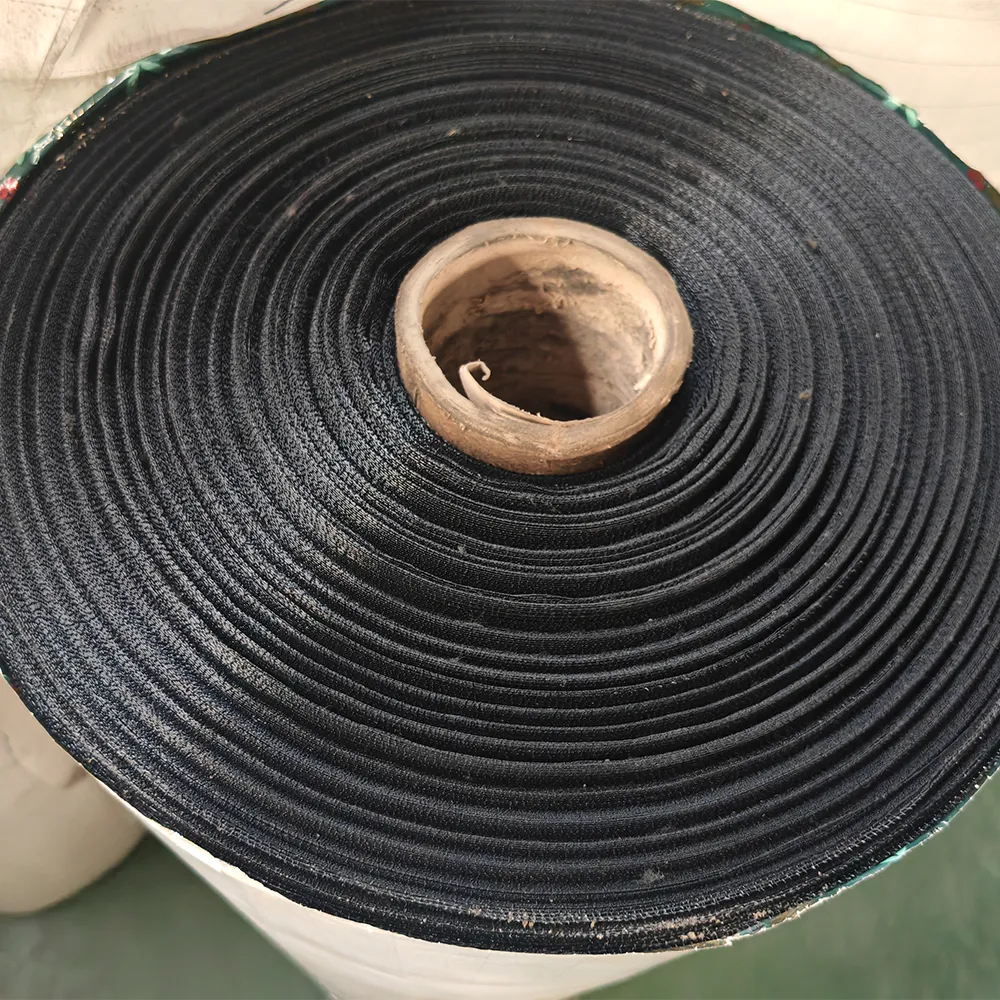
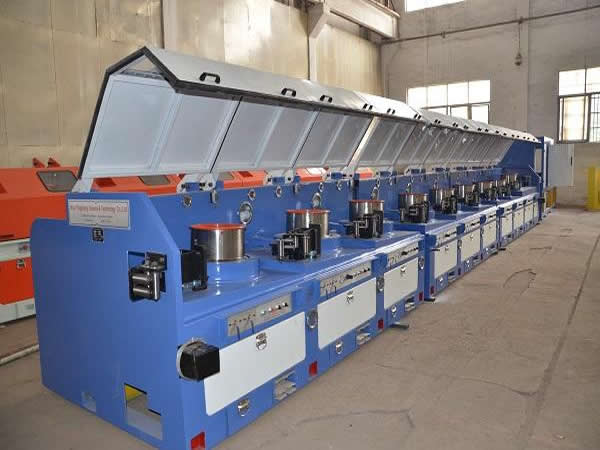
Process flow (simplified): wire drawing → weaving → alkaline degrease → phosphate (or chromate-free conversion) → deionized rinse → pre-bake → electrostatic epoxy application (or dip) → curing at 180–220°C → cool → slit/rewind → QC.
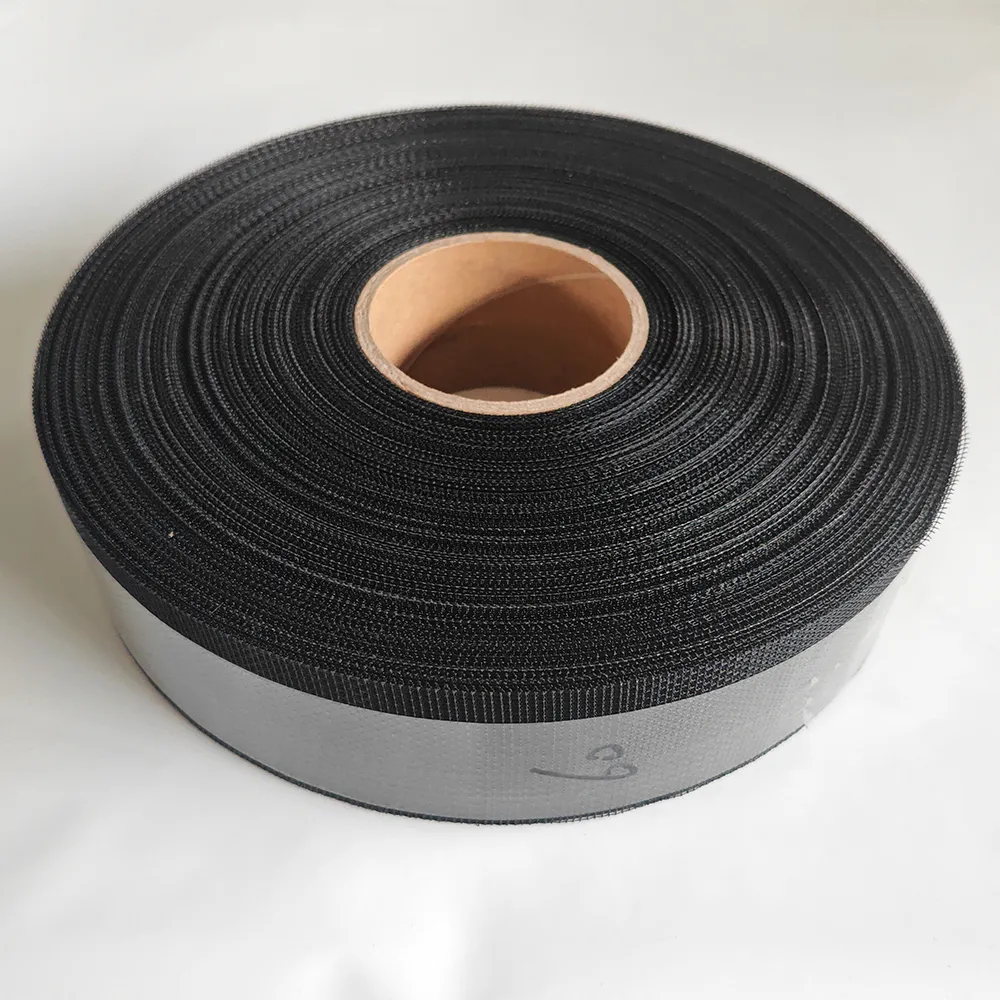
Advantages people mention: consistent pleat integrity, less media chafing, and—surprisingly—quieter assemblies vs bare metal due to the coated surface. Many customers say Black Epoxy Coated Wire Mesh reduces early-stage pressure spikes after startup.
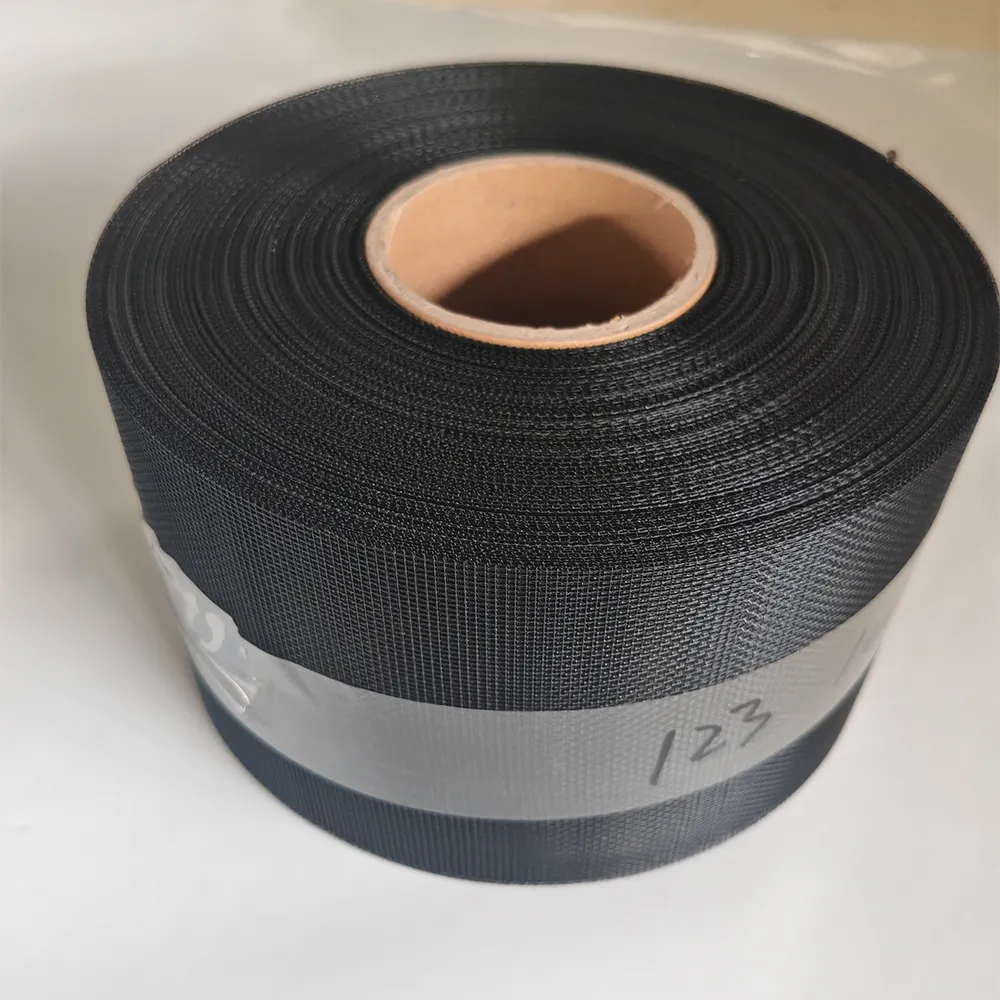
| Criteria | Factory Direct (Hebei) | Trading Mix | Low-Cost Regional |
|---|---|---|---|
| Mesh tolerance | ±2–3% | ±4–6% | ±7–10% |
| Epoxy thickness control | SPC, 10-pt/roll | Spot checks | Irregular |
| Certifications | ISO 9001; RoHS/REACH | Varies | Unclear |
| Lead time | 10–18 days | 20–30 days | ≈15 days (risk) |
| OEM/pleating support | Yes, drawings + cut sheets | Limited | None |
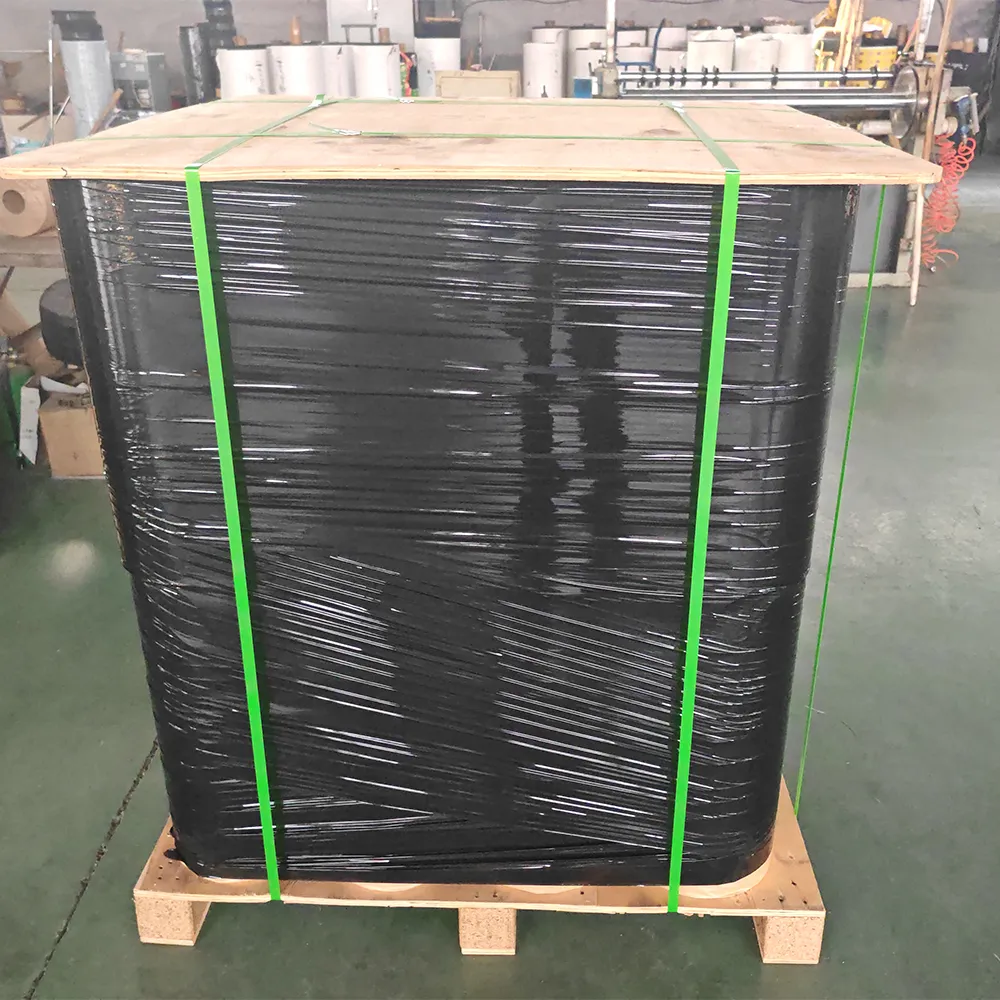
Final note: if your filter media is glass fiber or melt-blown PP, Black Epoxy Coated Wire Mesh generally reduces fiber nicking compared with bare weave. Small thing, big difference over a year.
JOIN OUR NEWSLETTER