Understanding 17 7 Spring Wire: Its Global Impact and Technical Value
If you've ever wondered what makes certain springs incredibly resilient or why some wire products consistently perform well under stress, the answer often lies in 17 7 spring wire. This steel wire type, known for its exceptional mechanical properties, plays an unsung but crucial role across industries worldwide. From automotive components to medical devices, understanding this wire helps improve product reliability, sustainability, and even humanitarian aid.
In a world that’s demanding longer-lasting, eco-friendly materials, diving into the details of 17 7 spring wire opens up opportunities for innovation and cost savings globally. The technical nuances matter — particularly for engineers, procurement specialists, or anyone interested in material science or supply chains.
Global Context: Why 17 7 Spring Wire Matters in Industry
Globally, the demand for high-quality spring wire is rising. The International Organization for Standardization (ISO) notes continuous enhancements in steel wire standards due to industrial automation and safety needs. For example, in automotive manufacturing — a $3 trillion industry worldwide — reliable spring wire ensures vehicle suspension systems perform reliably, directly impacting safety.
However, there's an ongoing challenge: balancing durability with cost-efficiency. Poor-quality spring wire can lead to premature failure, increased downtime, and even accidents. Moreover, industries are under pressure to adopt sustainable materials and reduce wastage. Here, 17 7 spring wire emerges as a game-changer by offering a balanced performance profile that addresses these challenges.
Mini Takeaway: The global push for safer, more durable materials makes 17 7 spring wire crucial across multiple industries, meeting both economic and environmental demands.
What Exactly Is 17 7 Spring Wire?
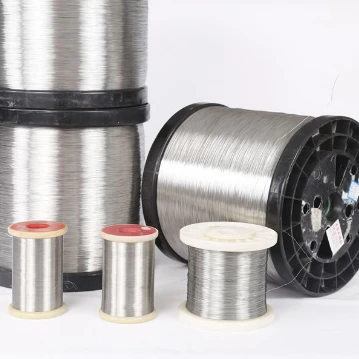
Simply put, 17 7 spring wire is a type of stainless steel alloy wire made primarily of 17% chromium and 7% nickel, hence the name. This composition creates a steel that is corrosion-resistant, strong, yet flexible – the trifecta for spring applications.
Its austenitic microstructure (a term engineers love) allows for excellent ductility and makes it less prone to rust or fatigue — qualities particularly important in harsh environments or critical mechanical components. Additionally, the wire undergoes specific heat treatments to enhance its spring-like behavior.
Nowadays, 17 7 spring wire is found everywhere from aerospace rivets to medical instruments, showcasing versatility beyond traditional heavy industry uses.
Core Aspects of 17 7 Spring Wire
1. Durability
Thanks to its alloy composition, 17 7 spring wire withstands wear and tear better than many alternatives, ensuring long operational life, especially where cyclic loading is common.
2. Corrosion Resistance
The chromium and nickel mixture provides a natural shield against oxidation. This feature is vital in marine or chemical environments where typical carbon steel would quickly degrade.
3. Mechanical Strength
It can endure significant stress without permanent deformation, making it excellent for compression, tension, or torsion springs.
4. Cost Efficiency
While not the cheapest wire type, its longevity and reduced maintenance lower the total cost of ownership in the long run.
5. Flexibility in Manufacturing
Its consistent properties enable precise fabrication into coils, clips, or specialty forms, suiting various engineering standards.
Specifications of Typical 17 7 Spring Wire
| Property |
Value/Range |
Units |
| Chromium Content |
16.0 - 18.0 |
% |
| Nickel Content |
6.5 - 8.0 |
% |
| Tensile Strength |
850 - 1100 |
MPa |
| Elongation |
20 - 35 |
% |
| Diameter Range |
0.1 - 6.0 |
mm |
Mini Takeaway:
17 7 spring wire balances corrosion resistance, strength, and flexibility — a combo that's tough to beat, especially under cyclic and harsh-condition usage.
Real-World Applications of 17 7 Spring Wire
- Automotive Industry: Used in suspension springs, clips, and fasteners in regions like Germany and Japan, where standards are stringent.
- Medical Devices: Surgical tools and implantable devices rely on its corrosion resistance and biocompatibility. Hospitals in the US and Europe heavily use it.
- Aerospace Engineering: In aircraft component springs, especially in hot and humid environments such as Southeast Asia.
- Consumer Electronics: Small precision springs in smartphones and wearables benefit from its durability.
- Infrastructure & Construction: Wire ropes and resilient seals in pipelines, common in oil-rich Middle East regions.
Oddly enough, some humanitarian organizations have leveraged 17 7 spring wire in disaster-prone zones to create quick-deploy tent springs that resist corrosion and fatigue. It’s a subtle but vital use case that underscores its global versatility.
Mini Takeaway:
From everyday electronics to critical aerospace parts, 17 7 spring wire assures resilience across geographies and industries.
Advantages and Long-Term Value
First, cost justification: although the raw material is pricier than standard carbon steel, the reduction in replacement frequency pays dividends. Also, low corrosion means lower maintenance expenses, which is huge if you think about offshore or industrial plants.
There’s an emotional angle as well — knowing the spring you’re relying on won’t snap under pressure lends confidence, safety, and peace of mind. Whether it’s a medical implant or a vehicle suspension, trust in material performance is irreplaceable.
From a sustainability viewpoint, 17 7 spring wire projects less waste, contributing to better resource management — a commitment many corporations now visibly embrace.
Looking Ahead: Trends and Innovations
The future of 17 7 spring wire is pretty exciting. Research is ongoing into nano-coatings that could make its already excellent corrosion resistance next-level. Also, smart manufacturing (think Industry 4.0) is enabling precision heat treatment to optimize spring behavior exactly for applications.
Moreover, the emergence of circular economy policies globally means more recycling of stainless spring wire scrap, cutting environmental footprints.
Digitally connected production lines might one day customize 17 7 spring wire properties on demand — a bit like tailoring a suit — which is frankly fascinating.
Challenges and Expert Solutions
One notable limitation is its comparatively higher initial cost and challenges in machining due to toughness. However, newer automated tooling and laser processing are mitigating these issues.
Another issue: sourcing consistent quality can be tricky with some vendors cutting corners. It pays to verify certifications and look for provenance — for instance, 17 7 spring wire suppliers with ISO 9001 are a safer bet.
Vendor Comparison Table
Leading 17 7 Spring Wire Vendors Comparison
| Supplier |
Quality Certification |
Diameter Range (mm) |
Typical Lead Time |
Regional Availability |
| Hebei Wiremesh Co. |
ISO 9001, RoHS |
0.1 – 6.0 |
2-3 weeks |
Global |
| Stainless Steel Inc. |
ISO 14001 |
0.3 – 5.0 |
3-4 weeks |
North America, Europe |
| Asia Wire Works |
ISO 9001 |
0.1 – 4.5 |
1-2 weeks |
Asia-Pacific |
FAQ: Frequently Asked Questions About 17 7 Spring Wire
- Q1: What makes 17 7 spring wire better than other stainless spring wires?
- A1: Its specific 17% chromium and 7% nickel composition delivers a balance of corrosion resistance and mechanical strength unmatched by many stainless-wire grades. Combined with proper heat treatment, it offers excellent fatigue life, essential for dynamic load applications.
- Q2: How long does 17 7 spring wire typically last in harsh environments?
- A2: While lifespan depends on application and conditions, its corrosion resistance often doubles or triples service life compared to standard spring wires — especially in moist or salty environments.
- Q3: Is 17 7 spring wire recyclable and eco-friendly?
- A3: Absolutely. Being stainless steel, it’s highly recyclable without quality loss. Using 17 7 spring wire sustainably reduces raw material consumption and waste, fitting well with green manufacturing goals.
- Q4: Can I use 17 7 spring wire for medical devices?
- A4: Yes, its biocompatibility and corrosion resistance make it suitable for many medical applications, from surgical tools to implantable springs — but compliance with medical standards is essential.
- Q5: How do I ensure quality when sourcing 17 7 spring wire internationally?
- A5: Look for suppliers with certifications like ISO 9001 and conduct sample testing before large orders. Choosing established vendors, such as 17 7 spring wire providers, can reduce risk.
Conclusion
In real terms, investing in quality 17 7 spring wire pays off by delivering safer, longer-lasting components across industries globally. Its blend of durability, corrosion resistance, and flexibility addresses enduring industrial challenges and aligns with sustainability goals. So whether you’re an engineer, buyer, or innovator, exploring 17 7 spring wire options can open new doors.
For detailed specifications or sourcing, feel free to visit https://www.hebei-wiremesh.com. Trust me, diving into the details of spring wire can be surprisingly rewarding.
Sometimes the smallest wire holds the biggest story.
References
- Wikipedia: Stainless Steel
- ISO Standards for Stainless Steel Wire Products
- World Bank: Manufacturing and Industry Data