Understanding Razor Wire Price: What You Need to Know
Razor wire might sound like a simple fence accessory, but it plays a significant role globally in security and border management, disaster relief, and sensitive industrial zones. Knowing about razor wire price—what affects it, why it varies, and its value—is crucial whether you're a procurement officer, security consultant, or simply curious about infrastructure costs worldwide.
Frankly, it's more than just a price tag; it reflects materials quality, design efficiency, and even the socio-economic contexts where it's deployed. Razor wire pricing impacts budgets for governments, humanitarian organizations, and private companies alike.
Why Razor Wire Price Matters Globally
Razor wire has become an essential tool for security across continents. According to the United Nations Office on Drugs and Crime (UNODC), border fence enhancements using razor wire have increased by nearly 15% in the last five years due to rising security needs.1 Meanwhile, the International Organization for Migration notes its use in humanitarian settings to control safe zones and prevent harm.2
But budgets don’t always stretch easily—razor wire price fluctuations cause headaches. Metals like galvanized steel or stainless steel don’t always cost the same, and trade tariffs or shipping logistics add layers of complexity. Not to mention, the balance between durability and affordability is a constant challenge.
Whether it’s a remote industrial site in Africa or a refugee camp in the Middle East, understanding the factors behind razor wire price can save money and improve security outcomes.
What Is Razor Wire Price, Anyway?
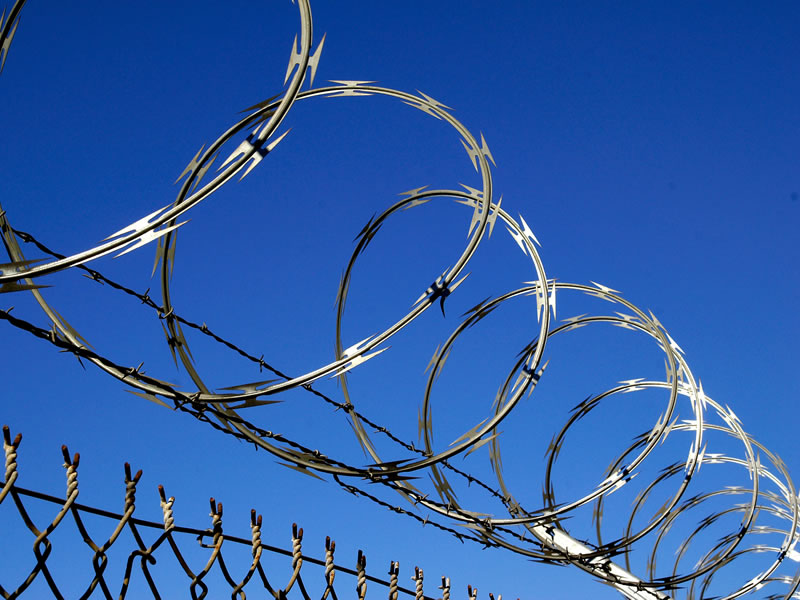
In simple terms, razor wire price is the cost you pay per unit (usually per meter or roll) of razor wire fencing, which consists of sharp-edged steel strips designed to deter or prevent unauthorized access. The price encompasses raw materials, manufacturing processes, labor, and sometimes shipping or installation costs.
This product links closely with modern challenges: border security needs, safeguarding critical infrastructure like power plants, or even protecting temporary shelters. It’s not just about sharp metal—it’s a symbol of control, safety, and sometimes, difficult decisions.
Key Factors That Influence Razor Wire Price
1. Material Quality and Type
Most razor wire is made from galvanized steel, but stainless steel variants offer better corrosion resistance. Naturally, stainless tends to push prices higher, but it lasts longer, especially in coastal or humid environments. Some manufacturers now experiment with eco-friendly coatings to delay rust, which influences the pricing too.
2. Wire Gauge and Sharpness
Thicker wire gauges mean sturdier products but cost more raw material. The sharpness and spacing of the blades can also reflect on the price—tighter, more aggressive patterns require more precise manufacturing.
3. Roll Length and Packaging
Buying larger rolls often results in a lower per-meter price, making it attractive for big projects. Shipping logistics also tie in here; bulky packages raise transportation costs, especially if you are ordering internationally, say, from China to Africa or Europe.
4. Regional Tariffs and Demand
Global trade policies can influence razor wire price considerably. For example, tariffs on steel imports in some countries push local prices up. Demand surges during geopolitical crises or natural disasters will also affect availability and price volatility.
5. Quality Certifications and Standards
Products certified to ISO standards or those meeting UN safety guidelines might cost more upfront but offer peace of mind and compliance for sensitive projects.
Mini Takeaway:
In essence, razor wire price is a dynamic figure affected by materials, manufacturing, and global market forces. Understanding these gives you an edge when budgeting or specifying fencing solutions.
Practical Uses of Razor Wire Around the World
From the sprawling deserts of the Middle East to the dense forests guarding industrial zones in South America, razor wire finds diverse applications:
- Border Security: Countries like the USA and India increasingly use razor wire fencing to augment their border controls, balancing deterrent effects with cost-effective solutions.
- Industrial Safety: Mineral mines in Australia and energy plants in Russia utilize razor wire to prevent unauthorized access, preserving both material assets and human safety.
- Humanitarian Settings: Organizations such as UNHCR implement razor wire barriers in refugee camps to protect vulnerable populations from intrusion or violence.
- Remote Zones: Remote oil fields or research stations in Arctic or African regions employ razor wire to secure facilities against wildlife and theft.
For instance, in post-disaster relief operations in Southeast Asia, razor wire assists in defining safe perimeters quickly, balancing urgency with long-term durability.
Advantages and Long-Term Value of Choosing the Right Razor Wire Price
While a lower price is tempting, the long-term benefits of investing in quality razor wire often justify a moderate premium:
- Cost-Effectiveness: Durable materials reduce replacement frequency and maintenance, lowering total lifetime cost.
- Sustainability: Coatings that resist corrosion reduce environmental waste and material consumption.
- Safety and Trust: Reliable razor wire deters intruders effectively, helping people feel safer and more secure.
- Social Impact: Use in humanitarian zones reflects a commitment to protect dignity and limit harm, not just to create barriers.
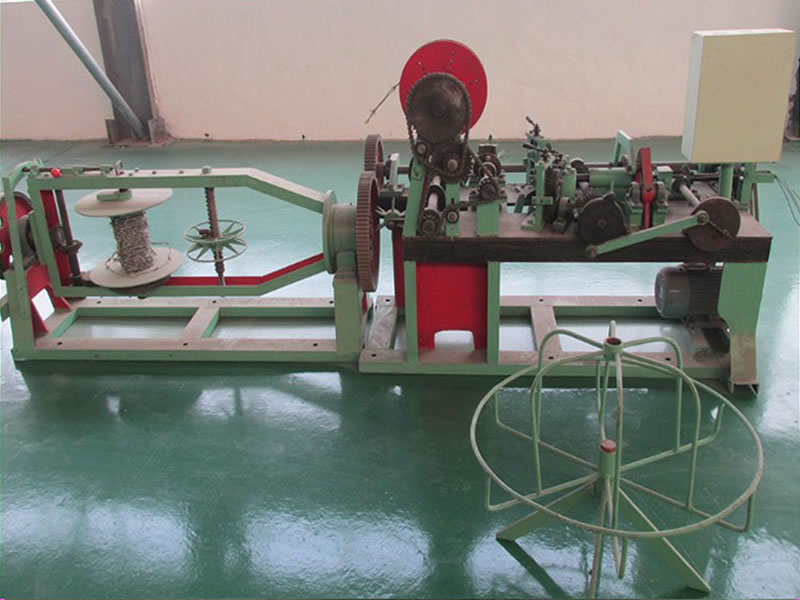
- Innovation: Advanced manufacturing methods incorporating automation improve consistency and lower indirect labor costs.
Many engineers I've talked to insist that picking razor wire purely on upfront price is penny-wise but pound-foolish.
Current Trends and Future Directions
Green technologies are creeping even into razor wire production. Manufacturers experiment with biodegradable coatings and recycled steel to reduce carbon footprint. Digitally integrated supply chains offer transparent pricing and traceability, which helps buyers assess whether razor wire price reflects true market values.
Additionally, automation in manufacturing reduces human error and cost, while advanced polymers are being trialed to combine strength with flexibility, possibly reshaping the definition of razor wire entirely.
In policy spheres, international cooperation on standardized certifications could stabilize pricing and improve quality equivalence across borders.
Challenges and Some Smart Fixes
A chief complaint is that razor wire price volatility hurts long-term planning. Raw material market swings and supply chain uncertainties (hello, pandemic disruptions) exacerbate this. However, some industries are adopting flexible contracts, hedging raw materials buying or localizing production to counteract price shocks.
Corrosion remains a thorn, especially in coastal or tropical environments, but hybrid coatings and routine maintenance guides have proven effective—little things that add up.
Also, socially, there are debates on the ethical implications of razor wire in sensitive zones. Transparent procurement processes and community consultations help soften potential fallout.
Product Specification Table: Typical Razor Wire Characteristics
| Feature |
Standard Range |
Notes |
| Material |
Galvanized / Stainless Steel |
Stainless resists corrosion better |
| Wire Gauge |
0.5 mm - 1.2 mm |
Higher gauge = thicker and costlier |
| Blade Length |
20 mm - 40 mm |
Sharper blades enhance deterrence |
| Roll Length |
15 m - 30 m |
Longer rolls reduce unit price |
| Coating |
Zinc plated / PVC coated |
PVC adds durability; costs more |
Vendor Comparison Table: Razor Wire Cost and Services
| Vendor |
Price per Meter (USD) |
Lead Time |
Certifications |
Additional Services |
| Hebei Wiremesh Co. |
$2.50 |
7–10 days |
ISO 9001, CE |
Custom sizes, global shipping |
| SecureFencing Ltd. |
$2.85 |
5–7 days |
ISO 14001 |
On-site consultation |
| Global Fence Supply |
$2.40 |
10–14 days |
None |
Bulk discounts only |
Frequently Asked Questions About Razor Wire Price
Q1: Why does razor wire price vary so much between vendors?
Prices differ due to the quality of materials, the manufacturing process, certifications, and additional services like customized designs or shipping. Lower-priced vendors might cut corners on coatings or use thinner wires, impacting durability.
Q2: Can purchasing larger rolls of razor wire reduce costs?
Yes, generally buying in bulk or longer rolls brings down the per-meter price because manufacturers save on packaging and logistics. However, consider project needs to avoid wastage.
Q3: How important are certifications when considering razor wire price?
Certifications like ISO 9001 or CE confirm quality standards and manufacturing consistency. They may increase initial cost but assure longevity, often saving money over time.
Q4: Are there eco-friendly razor wire options, and how does that affect price?
Some manufacturers offer recycled steel or biodegradable coatings. These options can raise prices initially but align with sustainability goals and sometimes comply with regulations.
Wrapping Up: Razor Wire Price Reflects Much More Than Metal
In the end, razor wire price is a composite snapshot of raw materials, craftsmanship, market forces, and even ethical considerations. Picking the cheapest option isn't always wisest — durability, safety, and compliance matter. I encourage you to browse trusted suppliers like Hebei Wiremesh, who offer transparent pricing and strong certifications.
Your investment in razor wire today shapes security and safety for years ahead — a true reflection of value beyond cost.
References:
- UN Office on Drugs and Crime (UNODC) Annual Reports
- International Organization for Migration (IOM) Security Briefs
- International Organization for Standardization (ISO)