Understanding Stainless Steel Hog Wire: Durable Mesh for a Global Need
If you’ve ever wandered around a farm, a wildlife reserve, or even a large industrial site, you might have noticed that intricate lattice of metal wire fencing—strong, tough, and surprisingly versatile. That’s often what we mean by stainless steel hog wire. It’s more than just a fence; it's an essential product that underpins agriculture, security, and environmental control worldwide. Given the growing demand for durable, corrosion-resistant fencing solutions in diverse regions—from humid tropical farms to arid industrial zones—understanding what stainless steel hog wire is and why it matters has become increasingly important.
Why Stainless Steel Hog Wire Matters Globally
Globally, secure fencing plays a vital role in agriculture and wildlife management. According to FAO data, livestock and agricultural productivity affect the livelihoods of over 1.3 billion people. Having reliable, long-lasting fencing helps protect animals and crops from predators and unauthorized access. But typical fencing often falls short in harsh climates due to rust or damage. That’s where stainless steel hog wire shines: a product designed to endure the elements for years without compromising function, offering both a practical and economic solution worldwide.
What Exactly is Stainless Steel Hog Wire?
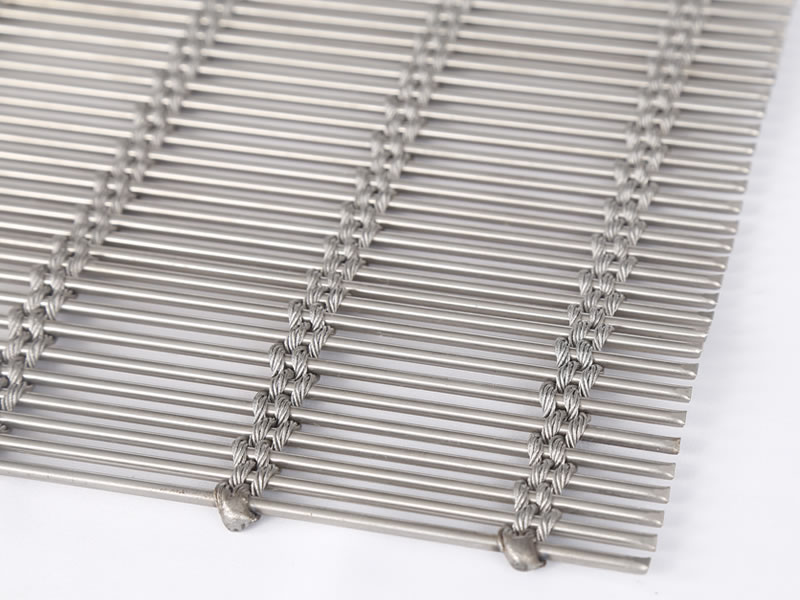
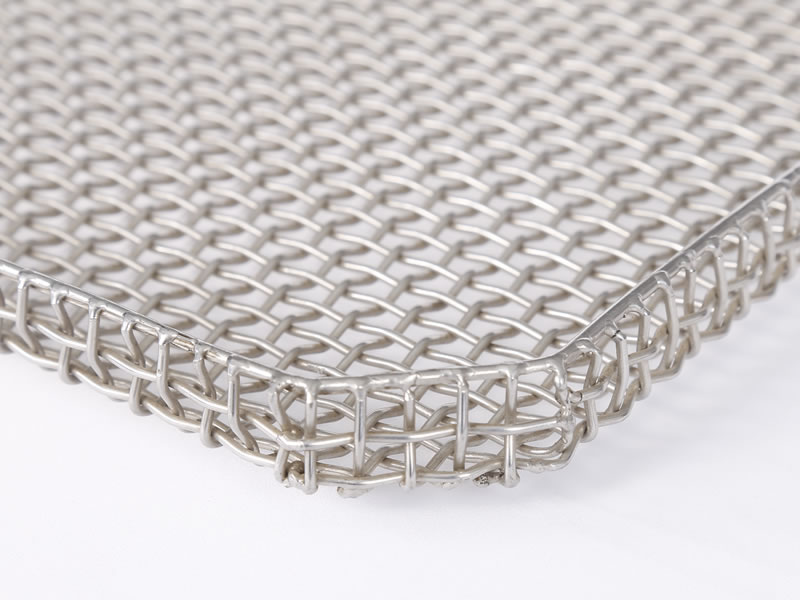
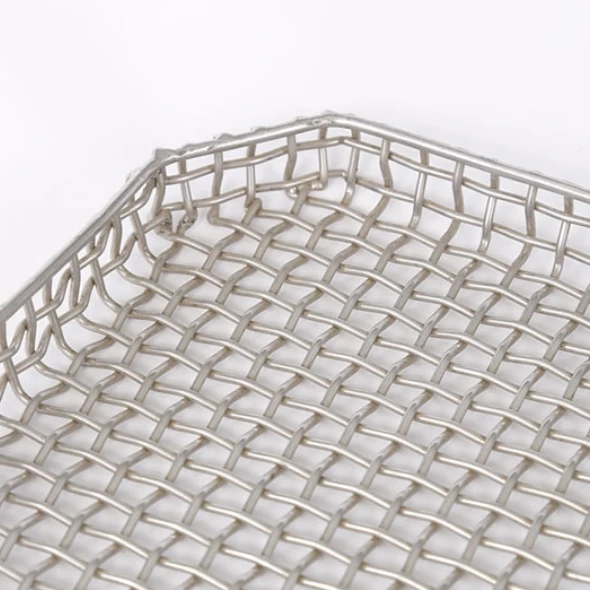
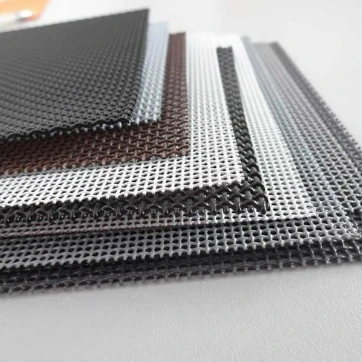
In simple terms, stainless steel hog wire is a woven wire mesh made from high-grade stainless steel strands, crafted into a grid pattern. It’s primarily used for enclosing hog pens, gardens, and livestock areas to prevent escape and intrusion. What makes it special, compared to traditional wire meshes, is the stainless steel’s resistance to oxidation and corrosion, which means it won’t rust or degrade quickly—even in wet or salty environments.
Beyond farming, this wire mesh extends into industrial safety fencing, zoo enclosures, and even humanitarian projects where robust, reusable fencing is critical. Its relevance is thus not just agricultural but also humanitarian and industrial, connecting to the larger machinery of modern infrastructure and disaster relief efforts.
Core Components That Make Stainless Steel Hog Wire Key
Durability
Stainless steel’s inherent corrosion resistance makes hog wire last decades longer than galvanized or plain steel alternatives. Industry specs highlight grades like 304 or 316 stainless steel, with 316 offering better resistance to salty environments—a crucial factor near coastal farms or marine installations.
Strength & Rigidity
The woven mesh pattern provides a balance of flexibility and structural integrity. You can bend it around irregular terrain, but it remains stiff enough to keep animals contained or prevent intruders.
Low Maintenance
Unlike painted or galvanized steel fences, stainless steel hog wire requires no frequent repainting or anti-rust treatment. This saves labor and costs in the long run.
Scalability & Customization
Manufacturers often offer various mesh sizes and wire diameters to suit diverse applications, from small piglets to larger livestock. This scalability helps farmers and industries optimize fencing for specific needs.
Eco-Friendliness
Unlike plastic or synthetic options, stainless steel is recyclable and has a longer lifespan, reducing waste and environmental impact.
Mini takeaway:
- Stainless steel hog wire combines corrosion resistance, strength, and longevity, making it a smart investment for both agriculture and industrial sectors.
Product Specifications: Typical Stainless Steel Hog Wire
| Specification |
Value |
Unit |
| Material Grade |
304, 316 |
Stainless Steel |
| Wire Diameter |
1.6 - 2.5 |
mm |
| Mesh Opening Size |
50 x 100 |
mm |
| Roll Length |
30 - 50 |
meters |
| Weight |
15 - 20 |
kg per roll |
Comparing Stainless Steel Hog Wire Vendors
| Vendor |
Material Grade |
Customization |
Typical Lead Time |
Warranty |
| Hebei Wiremesh Co. |
304, 316 |
Yes – various mesh sizes & wire diameters |
2-3 weeks |
5 years |
| Global Mesh Ltd. |
304 only |
Limited options |
3-4 weeks |
3 years |
| EcoSteel Fabrics |
316 only |
Custom orders available |
4-6 weeks |
7 years |
Global Applications & Real-World Use Cases
Stainless steel hog wire finds its way into varied corners of the world. Oddly enough, it’s as much a staple in large industrial zones of Europe as it is on small farms in Southeast Asia. For example, in post-disaster relief operations—where traditional fencing gets damaged by floods or storms—organizations prefer stainless steel mesh for its quick deployability and durability. Remote industrial sites in the Middle East rely on it to secure machinery and hazardous areas against trespassers, benefiting from the wire’s resistance to extreme temperatures and corrosive dust.
In North America and Europe, it’s used frequently in wildlife preserves to create barriers that protect endangered species from roaming unfenced roads. Meanwhile, agricultural cooperatives in Latin America use stainless steel hog wire extensively to safeguard livestock against predators with minimal maintenance.
And if you’re curious about purchasing, feel free to check options like stainless steel hog wire suppliers who cater internationally with custom specs.
Mini takeaway:
- From agriculture to industrial safety and humanitarian aid, stainless steel hog wire is an adaptable and trustable solution trusted worldwide.
Advantages & Long-Term Value
The benefits stack up, frankly. Stainless steel hog wire not only costs less in maintenance but also boosts sustainability by lasting longer and creating less waste. Its reliability fosters trust—farmers know their livestock won’t break through, industries trust their perimeter, and conservationists gain peace of mind protecting habitats.
Emotionally, the safety it ensures offers dignity—to farmers safeguarding their livelihood and to communities depending on stable agricultural output. Logically, the upfront cost offsets future repair or replacement expenditure. There’s also a green edge: stainless steel is recyclable, reducing environmental footprints compared to other fencing materials.
Future Trends & Innovations
Looking ahead, manufacturers are blending automation with old-school craftsmanship. Digital weaving technologies improve mesh consistency, while new stainless steel alloys aim to reduce weights without compromising strength. Plus, integrating smart sensors into fencing to detect movement or breaches is becoming more viable, connecting the product to the IoT (Internet of Things).
From a sustainability POV, innovations in renewable energy power fencing systems and efforts to reduce the carbon footprint of stainless steel production itself hold promise. The fencing world is quietly prepping for a digital and green revolution.
Challenges & Expert Solutions
That said, no product is perfect. Stainless steel hog wire can be more expensive initially than galvanized options, which sometimes limits adoption in low-budget projects. Also, installation requires skill to avoid damaging the mesh, which might compromise corrosion resistance.
Experts suggest thorough training for field workers, choosing the right steel grade for environmental conditions, and leveraging bulk purchasing to reduce costs. Advances in coating and post-processing may also help produce more affordable variants without losing key benefits.
FAQ: Frequently Asked Questions About Stainless Steel Hog Wire
- Q: How long does stainless steel hog wire typically last outdoors?
A: When using grades like 304 or 316, expect durable fencing that can last 15–30 years, depending on environmental conditions. Coastal or highly corrosive environments favor 316 steel for longer life.
- Q: Can stainless steel hog wire be customized for different livestock?
A: Absolutely. Mesh size and wire diameter can be adjusted to contain small piglets or larger adult hogs safely, tailoring fencing to animal size and behavior.
- Q: Is stainless steel hog wire worth the higher upfront cost?
A: Yes, it reduces maintenance and replacement costs over time, often making it more economical in the long run compared to cheaper, less durable fencing options.
- Q: How do I ensure proper installation to maximize durability?
A: Installation should avoid excessive bending or cutting of wire strands. Professional or experienced installers typically use tensioning tools and stainless steel fasteners to maintain mesh integrity.
- Q: Where can I buy reliable stainless steel hog wire?
A: Trusted vendors such as Hebei Wiremesh Co. specialize in customizable, high-grade stainless steel wire mesh with international shipping options.
Conclusion: Invest Wisely in Stainless Steel Hog Wire
In real terms, stainless steel hog wire isn’t just a fence—it's an investment in durability, sustainability, and peace of mind. Its corrosion resistance, adaptability, and low-maintenance character make it invaluable to farmers, industrialists, conservationists, and humanitarian agencies alike. If you’re searching for a reliable fencing mesh that combines strength with longevity, it’s worth a close look.
Ready to explore stainless steel hog wire options? Visit our website for specifications, purchase inquiries, and expert advice tailored to your needs.
Oddly enough, this humble mesh is quietly shaping a global movement towards safer, more sustainable enclosures—one roll of stainless steel at a time.
— Reflecting on a recent visit to a farm in Vietnam, where switching to stainless steel wire saved months of costly repairs and stress—one small change, big impact.
References:
- FAO – Livestock and Environment
- ISO 9044 – Stainless Steel Wire Mesh
- Wikipedia – Stainless Steel