Understanding Wire Razor: A Global Perspective on a Sharp Solution
Wire razor—sounds almost like science fiction, right? But in reality, this sturdy, razor-sharp fencing material plays a huge role across industries and borders. From securing borders to protecting critical infrastructure, the wire razor is more than just a fence wire; it’s a versatile tool in security, construction, and even humanitarian contexts. With global challenges like rising security concerns and disaster recovery, understanding wire razor’s benefits, applications, and future innovations couldn’t be more relevant.
In fact, this sort of fencing blends practicality with safety, enabling fast, effective perimeter control where it matters most. By the end of this article, expect to grasp not only what wire razor really is, but also why many industries swear by it, how it’s evolving, and what to keep an eye out for going forward.
The Global Context: Why Wire Razor Matters Now More Than Ever
Security infrastructure worldwide is under pressure to be both robust and adaptable. The World Bank reports a surge in investments toward infrastructure security in urban and rural zones alike. Border protection initiatives have increased by roughly 15% globally over the past five years, particularly in areas facing social unrest or cross-border smuggling.
Wire razor fencing has emerged as a preferred choice because of its unique deterrent qualities. It’s also worth noting that international organizations like the UNHCR frequently deploy wire razor barriers in refugee camps and post-disaster relief zones to safeguard perimeters swiftly and with minimal setup headache. Yet, challenges remain given the need for cost-effective deployment in remote or unstable environments.
Oddly enough, wire razor’s reputation keeps growing because it answers such a broad, global problem: how to secure space fast without compromising on durability.
What Exactly Is Wire Razor and Why Should We Care?
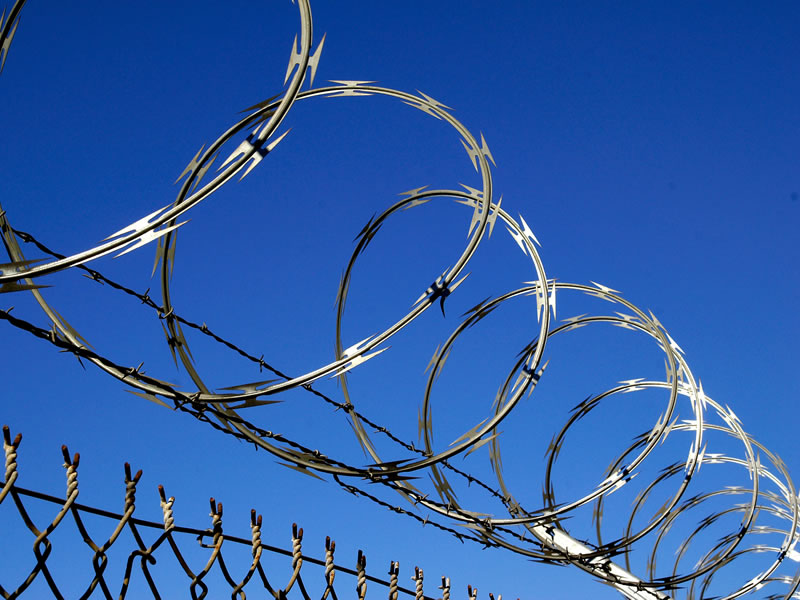
At its core, wire razor is a type of barbed or razor wire designed with sharp edges that prevent unauthorized crossing or breaches. Think of it as a high-tensile steel wire with regularly spaced, razor-sharp strips or barbs—sharp enough to deter, but designed more as an obstacle than a threat. This makes it integral for high-security fencing that needs to balance deterrence with operational safety.
Its connection to modern industry and humanitarian needs stems from its versatility. The material is lightweight enough for quick deployment but strong enough to withstand harsh weather and deliberate tampering. It’s also recyclable, aligning with sustainability efforts, which matters more than ever with global environmental standards tightening (ISO 14001). Honestly, wire razor fences don’t get the glamor they deserve.
Key Characteristics of Wire Razor
1. Durability Against the Elements
Wire razor is typically galvanized or stainless steel, which protects against corrosion, rust, and UV damage. In real terms, that means it can last a decade or more even in harsh coastal or desert environments.
2. Quick and Scalable Installation
Many engineers say wire razor fencing can be laid down in hours versus days for traditional fencing, a crucial advantage in emergencies or border surge requirements.
3. Cost Efficiency in Materials and Labor
Compared to high-tech surveillance or concrete barriers, wire razor is remarkably affordable in manufacturing and deployment—especially for large perimeters.
4. High Deterrence with Low Maintenance
The razor sharp edges make unauthorized crossings tough without needing constant guards or CCTV monitoring.
5. Versatility in Application
Wire razor works well on uneven terrain and can be combined with other fencing types, making it a staple in military, industrial, and humanitarian setups.
To sum up, wire razor strikes a balance between toughness and flexibility, making it ideal for fast, secure installations that last.
Where in the World Do We See Wire Razor in Action?
Regions like the Middle East, Eastern Europe, and South America are notable for extensive usage, chiefly around borders and conflict zones. For example:
- Refugee camps in Jordan use wire razor fencing to provide secure, controlled zones while allowing aid to flow smoothly.
- Energy infrastructure in India is often protected by razor wire to thwart theft and vandalism.
- South African mining operations rely on it to secure valuable mineral extraction points.
- Disaster-prone island nations sometimes install portable wire razor barriers to rapidly cordon off unsafe areas after floods or hurricanes.
The versatility here is clear, spanning from humanitarian relief to industrial security, especially where physical deterrents must combine speed with durability.
Product Specification Table: Typical Wire Razor Fence Features
| Feature |
Specification |
Value |
| Material |
Galvanized Steel / Stainless Steel |
High corrosion resistance |
| Blade Length |
22-30 mm |
Sharp, effective deterrence |
| Wire Diameter |
2.5 - 4.0 mm |
Tensile strength ~550-900 N/mm² |
| Roll Length |
15 - 30 meters |
Modular, easy transport |
| Coating |
Hot-dip Galvanized & PVC Coating Available |
Extended life & corrosion prevention |
Once you understand these specs, it’s easier to see why wire razor fencing is beloved for durability and ease of deployment.
Advantages That Make Wire Razor a Long-Term Winner
Let's be frank: it’s a fencing solution that combines logical and emotional appeal. On one hand, cost-efficiency is king—you get strong, scalable fencing that doesn’t kill your budget. Yet it also offers peace of mind, by literally barring unwanted intrusions, which protects property, people, and dignity. In humanitarian sectors, that emotional element—helping communities feel safe—is subtle but real.
Long-term sustainability is another big plus. With many manufacturers moving toward eco-friendly coatings and recyclable materials, it feels like the industry is mindful of its carbon footprint even in a tough segment.
How Technology and Trends Are Shaping the Future of Wire Razor
What fascinates me is how an “old-school” product gets a high-tech makeover: from automation in production lines to digital mapping for fence deployment in tough terrain. There’s also interest in green energy applications—solar-powered electric rails combined with razor wire fences are emerging.
Materials innovation plays a part, too: composites and advanced polymers designed to resist corrosion and fatigue longer. Plus, increasing regulations on environmental safety (think ISO standards and local laws) push makers to innovate coating and recycling processes.
Common Challenges and How Experts Solve Them
No product is perfect, of course. Some challenges with wire razor fencing include installation difficulties in rocky or swampy areas, accidental injury concerns, and limitations in extremely high-security applications.
Many providers now offer tailored modular systems with adjustable tension and safety-compliant blade shapes to mitigate harm without sacrificing security. Meanwhile, training programs for installers have improved dramatically, preventing mishaps during setup.
Comparison Table: Top Wire Razor Vendors (2024)
| Vendor |
Coating Options |
Customization |
Typical Lead Time |
Price Range (per roll) |
| Hebei Wiremesh Co. |
Hot-dip Galvanized, PVC |
Yes, blade length, roll size |
2-3 weeks |
$60 - $85 |
| Global Wire Solutions |
Electro-galvanized |
Limited |
3-4 weeks |
$55 - $75 |
| SecureFence Inc. |
Hot-dip Galvanized + Polymer Coating |
Yes, full customization |
4-6 weeks |
$75 - $100 |
Frequently Asked Questions About Wire Razor
1. What makes wire razor fencing a better choice than traditional barbed wire?
Wire razor offers significantly sharper edges and stronger materials, which enhances deterrence while using less material overall. It is faster to deploy and lasts longer due to superior coatings, making it cost-effective over long-term use.
2. How long does wire razor fencing typically last outdoors?
With proper galvanization or PVC coating, wire razor fencing can last 8–15 years depending on climate and maintenance, outperforming many traditional fencing types in durability.
3. Is it safe to install wire razor without professional help?
Not really. Wire razor is extremely sharp and can cause injury during handling. Professional installation is recommended to ensure correct tension, safety, and compliance with local regulations.
4. Can wire razor fences be customized for different environments?
Absolutely. Blade length, wire gauge, coating type, and roll size can be tailored to suit everything from desert heat to coastal humidity, making it highly versatile.
5. How do NGOs typically acquire wire razor fencing for emergency relief?
NGOs often work with specialized vendors who offer fast shipping and emergency stockpiles. Some partner with manufacturers like Hebei Wiremesh Co. for direct procurement through international aid channels.
Wrapping Up: Why Wire Razor Still Cuts Above the Rest
When you look at it from multiple angles—cost, speed, security, and sustainability—wire razor fencing remains a resilient backbone for industries worldwide. It’s an elegant, edgy solution that feels like it’s been around forever, yet constantly reinvents itself with every new project.
If you’re considering secure fencing options—whether for industrial, humanitarian, or governmental projects—do give wire razor a serious look. Durable, affordable, and adaptable, it might just be the sharp edge you need.
Ready to dive deeper? Visit https://www.hebei-wiremesh.com and explore their extensive range of products and custom solutions.
References:
1. World Bank - Security Infrastructure
2. Wikipedia - Razor wire
3. ISO 14001 Environmental Management