Hit enter to search or ESC to close
27,Feb,2026
In modern industrial manufacturing, wire materials play a foundational role across construction, automotive production, energy infrastructure, agriculture, and fabrication industries. Among them, stainless steel wire, steel wire, and related processed products such as stainless steel wire coil, stainless steel mig wire, stainless steel welding wire, stainless wire, stainless mig wire, stainless steel flux core wire, and stainless steel chicken wire have evolved far beyond basic raw materials. Through advanced deep-processing technologies, these wire products now offer superior mechanical performance, corrosion resistance, welding precision, and structural adaptability.
Deep processing in the wire industry refers to the transformation of primary wire rod into high-value, application-specific products through precision drawing, heat treatment, surface finishing, alloy optimization, spooling, and fabrication. This article explores the development direction of stainless steel wire products from a deep-processing perspective, focusing on material engineering, welding wire production, and downstream mesh fabrication.
The deep-processing journey of stainless steel wire begins with raw material control and metallurgical precision. High-quality wire production depends on chemical composition stability, microstructure optimization, and accurate dimensional tolerance.
Raw Material Selection and Alloy Control
Premium stainless wire is typically produced from grades such as 304, 316, 308, and 309 stainless steel. Each alloy composition provides different performance characteristics. For example, 316 stainless steel contains molybdenum for enhanced corrosion resistance in marine environments, while 308 is widely used in welding applications.
In deep-processing facilities, wire rods undergo strict chemical composition analysis using spectrometers before entering production lines. Controlling carbon, chromium, nickel, and molybdenum content ensures mechanical stability and resistance to oxidation.
Multi-Stage Wire Drawing and Diameter Precision
The transformation from rod to fine steel wire or stainless steel wire coil requires multi-stage cold drawing. This process reduces diameter while increasing tensile strength through strain hardening. Precision drawing machines equipped with tungsten carbide dies ensure uniform diameter control, often within micron-level tolerances.
Lubrication systems and cooling technology are integrated to prevent surface scratches and overheating. For ultra-fine wire applications, intermediate annealing may be applied to restore ductility before further reduction.
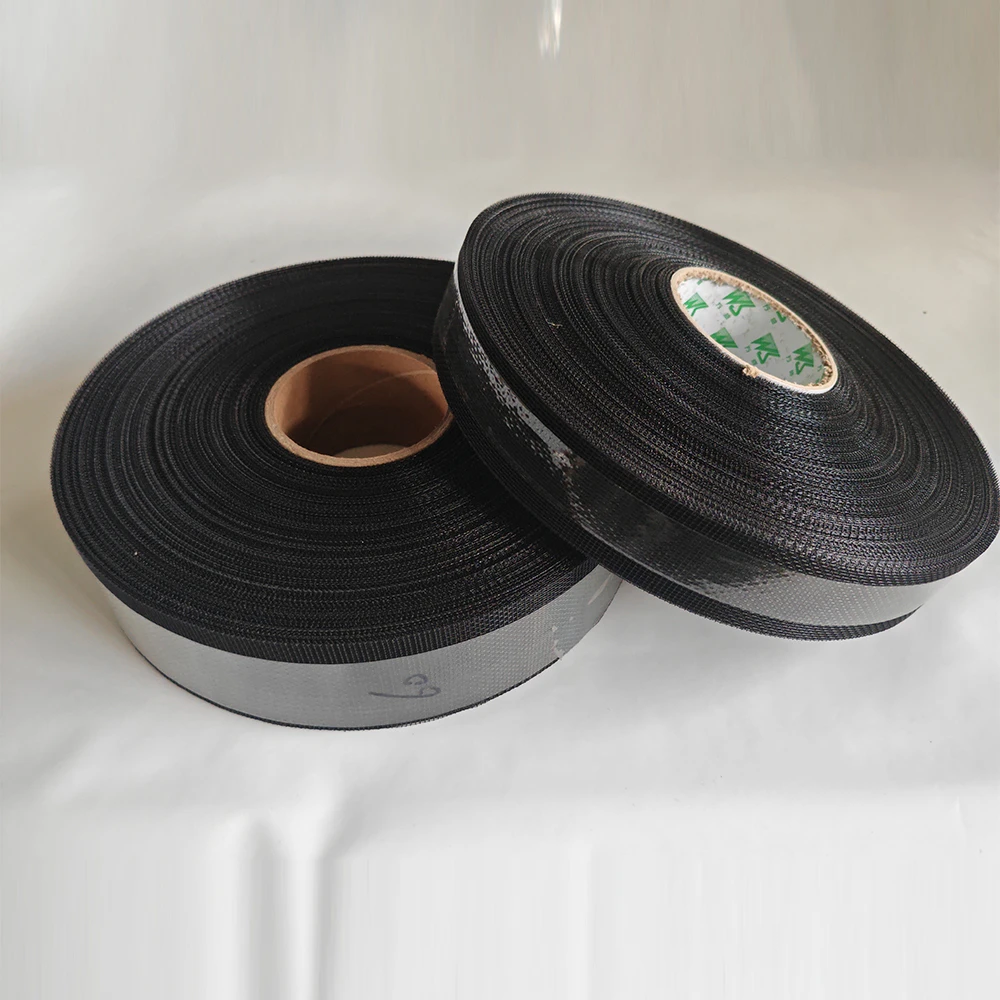
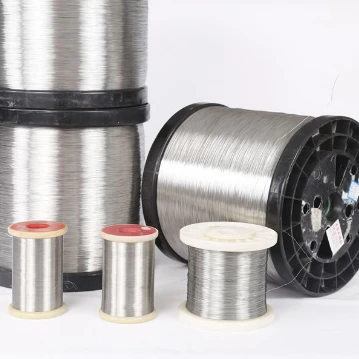
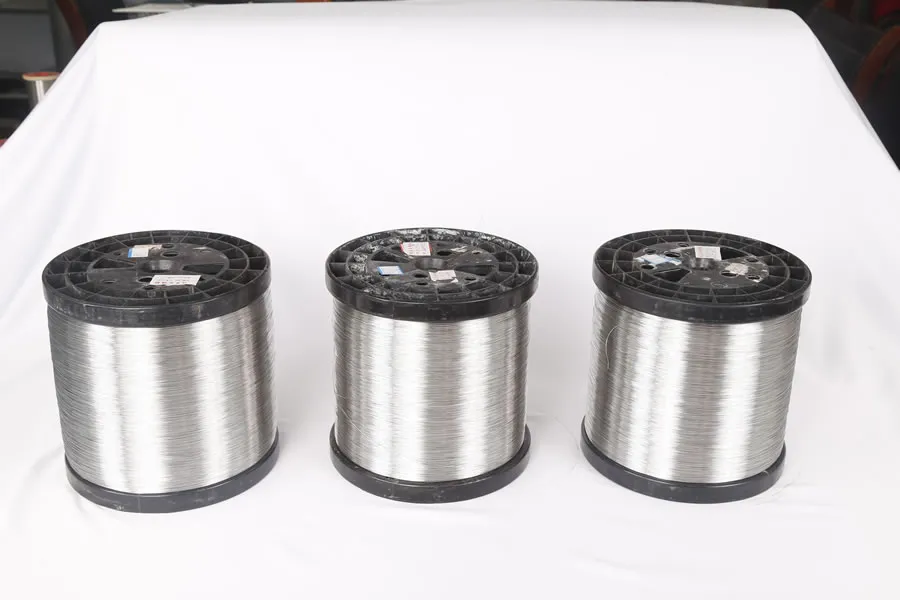
The finished stainless steel wire coil is then carefully spooled under controlled tension to avoid deformation or entanglement. Consistent coiling is essential for automated downstream processing such as welding or weaving.
Heat Treatment and Surface Finishing
Heat treatment plays a vital role in balancing strength and flexibility. Annealing furnaces with controlled atmospheres prevent oxidation during heating, preserving surface quality.
Surface finishing techniques such as pickling, polishing, and electro-brightening enhance corrosion resistance and appearance. These deep-processing treatments are especially important for wire used in architectural or food-grade applications.
One of the most significant value-added directions in wire manufacturing is the production of welding consumables, including stainless steel mig wire, stainless steel welding wire, stainless mig wire, and stainless steel flux core wire.
Precision Production of MIG Welding Wire
Stainless steel mig wire is designed for Gas Metal Arc Welding (GMAW). The manufacturing process requires strict diameter consistency, smooth surface finish, and controlled copper coating when applicable.
Deep-processing facilities use precision drawing and surface cleaning lines to eliminate contaminants that may cause welding defects. Automated spooling systems ensure even wire winding to prevent feeding interruptions during high-speed welding.
The performance of stainless mig wire depends on chemical composition balance. Silicon and manganese levels are adjusted to improve arc stability and weld bead appearance. Each production batch undergoes arc testing and mechanical strength verification.
Flux Core Wire Technology
Stainless steel flux core wire represents a more complex deep-processing product. Unlike solid MIG wire, flux core wire contains internal flux material that provides shielding during welding.
The manufacturing process involves forming a stainless steel strip into a tubular shape, filling it with precisely measured flux compounds, and sealing it through rolling and drawing operations. Maintaining uniform flux distribution is critical to achieving stable welding performance.
Advanced production lines use automated dosing systems to control flux content accurately. Final diameter calibration ensures compatibility with automated welding equipment.
Quality Testing and Certification
All stainless steel welding wire products undergo strict quality control, including tensile strength testing, elongation measurement, and X-ray inspection of weld samples. Salt spray tests evaluate corrosion resistance.
Export-oriented manufacturers often comply with international standards such as AWS, ISO, or EN certifications. These certifications confirm that the deep-processed welding wires meet global industrial requirements.
Beyond welding consumables, stainless steel wire is extensively processed into mesh, fencing, reinforcement, and agricultural applications.
Production of Stainless Steel Chicken Wire
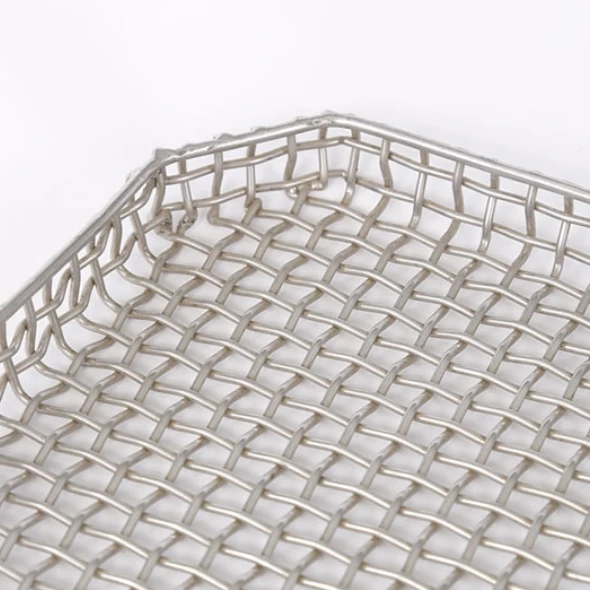
Stainless steel chicken wire is produced through hexagonal weaving machines that interlock wire strands into flexible mesh. Compared to galvanized alternatives, stainless steel versions provide superior corrosion resistance and longer service life.
Deep-processing improvements include uniform aperture control, reinforced edge twisting, and tension balancing to prevent deformation. Such enhancements make the mesh suitable not only for poultry fencing but also for architectural decoration and protective enclosures.
Industrial Mesh and Structural Applications
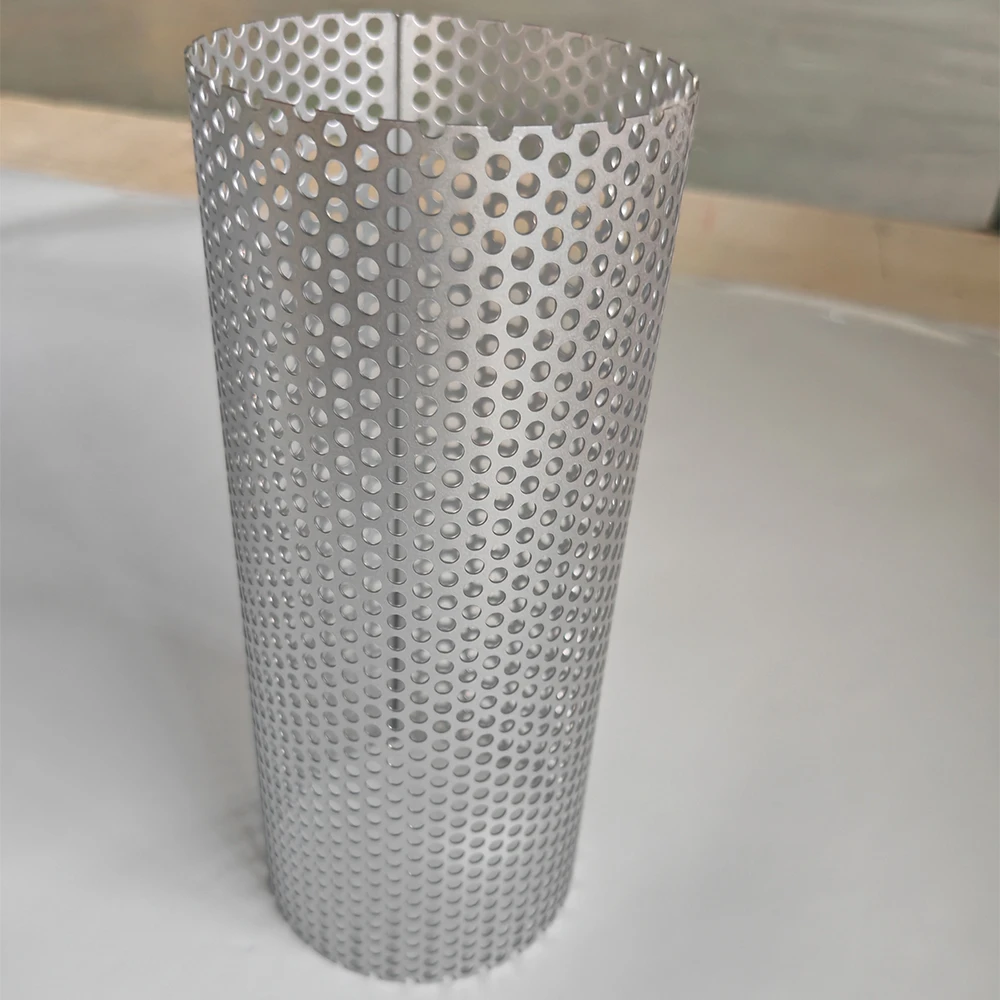
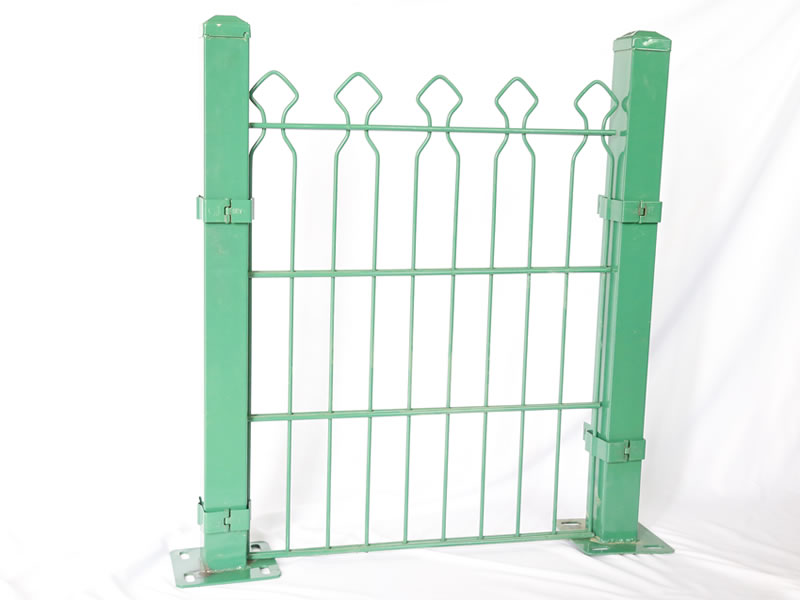
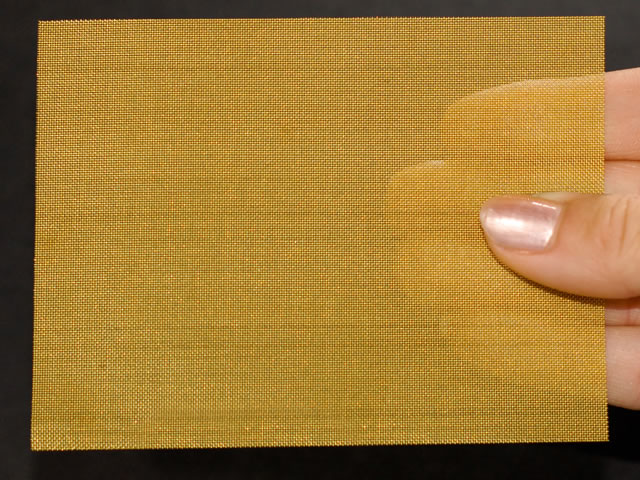
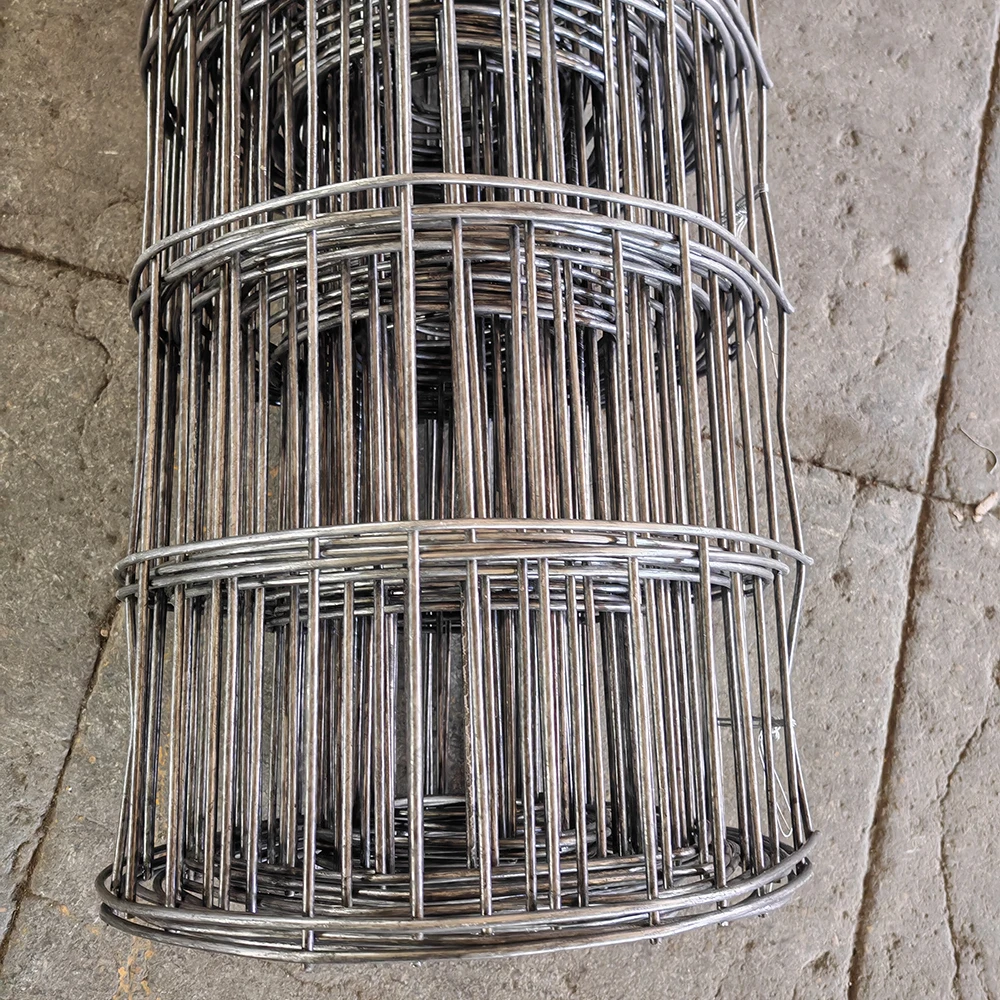
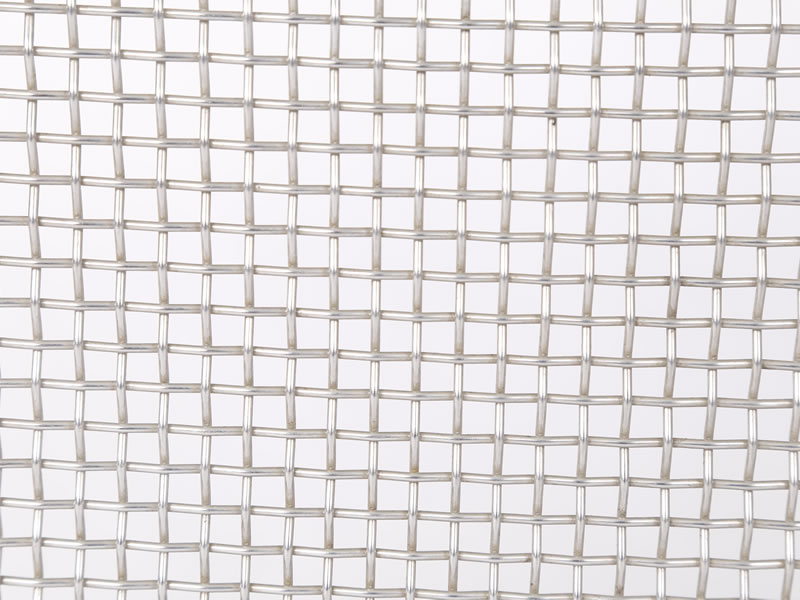
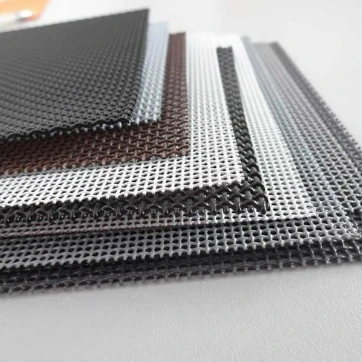
High-strength steel wire and stainless wire are further processed into welded mesh panels, filter screens, conveyor belts, and reinforcement grids. Automated welding machines ensure consistent joint strength and precise spacing.
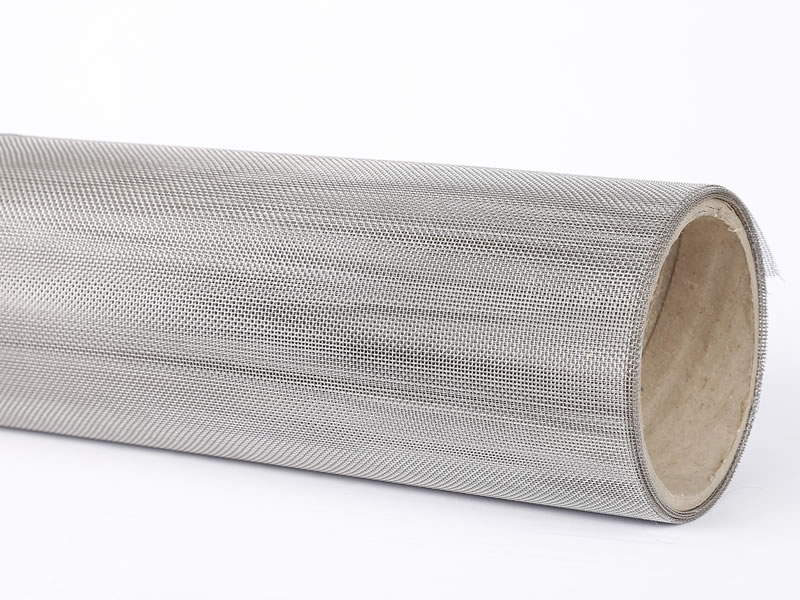
For filtration or high-temperature applications, stainless wire mesh may undergo sintering or additional heat treatment to enhance structural stability. These advanced processes significantly increase product value compared to raw wire.
Customized Spooling and Packaging Solutions
Deep processing also includes optimized packaging and logistics solutions. Stainless steel wire coil products are available in plastic spools, metal baskets, or bulk coil packaging depending on customer requirements.
Anti-rust paper, vacuum-sealed plastic wrapping, and moisture-proof packaging protect wire surfaces during long-distance transportation. Clear labeling with heat numbers and batch traceability codes ensures quality accountability.
The deep-processing direction of stainless steel wire products continues to evolve with automation, digital monitoring, and sustainability initiatives.
Smart production lines now integrate real-time diameter measurement systems and automated defect detection cameras. These systems reduce material waste and improve consistency.
Energy-efficient annealing furnaces and environmentally friendly pickling technologies are becoming standard in modern facilities. Manufacturers are also investing in recyclable packaging and carbon footprint reduction strategies.
In welding wire production, research focuses on improving arc stability, reducing spatter, and enhancing weld metal toughness. For structural mesh applications, innovations aim to increase strength-to-weight ratios and extend product lifespan.
As industries demand higher performance and reliability, deep processing will remain the core driver of competitiveness in the wire manufacturing sector.
The evolution of stainless steel wire, stainless steel wire coil, steel wire, stainless steel mig wire, stainless steel welding wire, stainless wire, stainless mig wire, stainless steel flux core wire, and stainless steel chicken wire demonstrates the transformation of basic wire materials into highly specialized, high-value industrial products.
Through advanced alloy control, precision drawing, heat treatment, welding wire engineering, mesh fabrication, and customized packaging, deep processing significantly enhances product performance and application versatility. Modern stainless steel wire manufacturing is no longer limited to raw material supply—it represents a comprehensive industrial system integrating metallurgy, automation, and global quality standards.
As technology advances and market expectations rise, deep-processing innovation will continue to shape the future of stainless steel wire products across construction, manufacturing, agriculture, and energy industries worldwide.
JOIN OUR NEWSLETTER