Hit enter to search or ESC to close
15,Sep,2025
In the demanding landscape of modern industrial operations, material selection is paramount for optimizing performance, durability, and cost-efficiency. Among the myriad of technical fabrics, polyester mesh stands out as a versatile and high-performance solution. Engineered from robust synthetic fibers, it offers a unique combination of strength, chemical resistance, and precise filtration capabilities, making it indispensable across a spectrum of B2B sectors. This comprehensive guide delves into the intricate details of its manufacturing, technical advantages, diverse applications, and critical considerations for procurement, emphasizing its strategic value for engineers and decision-makers.
The global market for technical fabrics, including advanced mesh materials, is experiencing robust growth, driven by escalating demand for efficient filtration, separation, and reinforcement solutions across various industries. Key trends influencing the adoption of solutions like polyester mesh include increasing environmental regulations necessitating improved filtration, the expansion of industrial manufacturing capabilities in developing regions, and a growing emphasis on material longevity and sustainability. Innovations in polymer science are continually enhancing the performance profiles of polyester mesh fabric, leading to products with superior chemical resistance, higher temperature tolerance, and finer filtration capabilities. The drive for operational efficiency and reduced downtime also fuels the demand for durable and reliable mesh products.
Analysts project a consistent upward trajectory for this segment, with significant investment in R&D aimed at developing specialized coatings and weave patterns to meet niche application requirements. The rise of automation in manufacturing processes also impacts mesh production, allowing for greater precision and consistency in pore size and structural integrity, critical parameters for high-stakes applications.
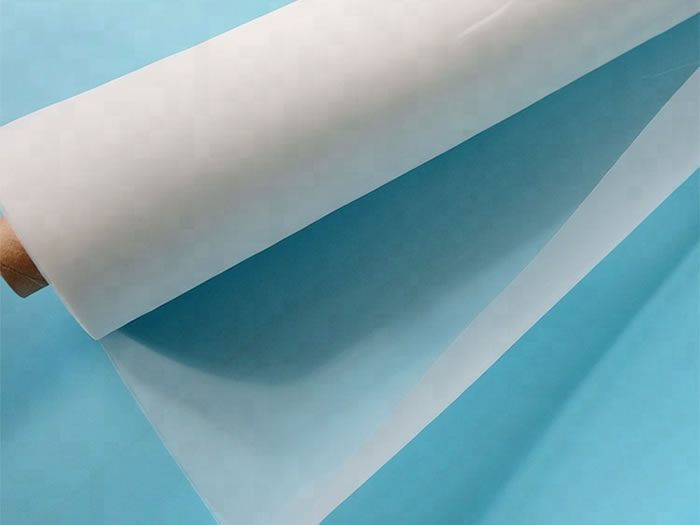
Figure 1: High-precision weaving of polyester mesh for industrial applications.
The production of industrial-grade polyester mesh involves a sophisticated sequence of engineering steps designed to ensure uniform aperture size, high tensile strength, and optimal dimensional stability. This meticulous process ensures the mesh meets stringent performance requirements for demanding applications.
This controlled manufacturing environment ensures that the final product offers superior advantages like corrosion resistance and contributes to energy saving through efficient separation.
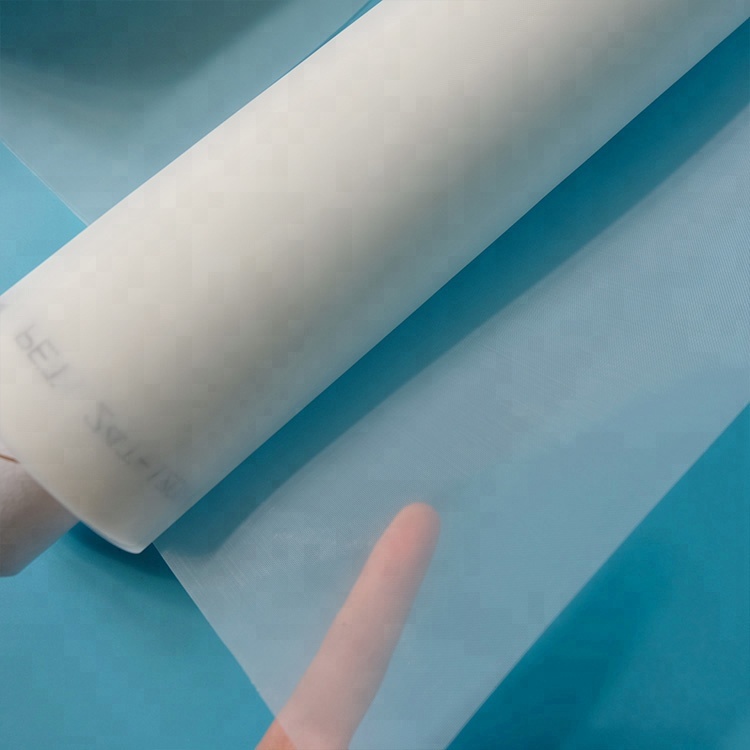
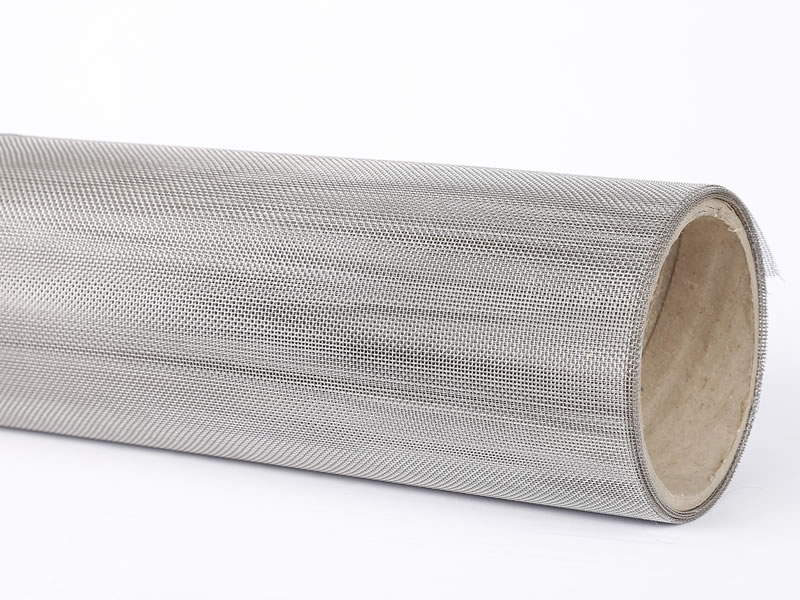
Figure 2: Close-up of precisely woven polyester mesh structure.
Understanding the detailed technical specifications of polyester mesh fabric is crucial for its correct selection and application. These parameters directly influence filtration efficiency, flow rates, mechanical stability, and chemical compatibility.
| Parameter | Range/Typical Value | Unit | Description/Standard |
|---|---|---|---|
| Material | Polyester (PET) | - | High-tenacity polyethylene terephthalate |
| Mesh Count | 10 to 500 | Threads/inch (TPI) | Number of threads per linear inch (ASTM E2814) |
| Aperture Size | 25 to 2000 | Microns (µm) | Nominal opening between adjacent threads |
| Wire Diameter | 30 to 500 | Microns (µm) | Diameter of individual polyester threads |
| Open Area | 25% to 65% | Percentage (%) | Ratio of open space to total area, affecting flow rate |
| Tensile Strength (Warp) | >300 to >1500 | N/cm | Strength before breakage in warp direction (ISO 13934-1) |
| Temperature Resistance | -40 to 120 | °C | Continuous operating temperature range |
| Chemical Resistance | Excellent | - | Resistant to most acids, alkalis, and solvents (except strong oxidizing agents) |
| UV Stability | Good to Excellent | - | Resistant to degradation from prolonged sunlight exposure |
These specifications ensure that polyester mesh screen can be tailored precisely to the functional requirements of diverse industrial applications, guaranteeing optimal filtration, separation, and material transport capabilities.
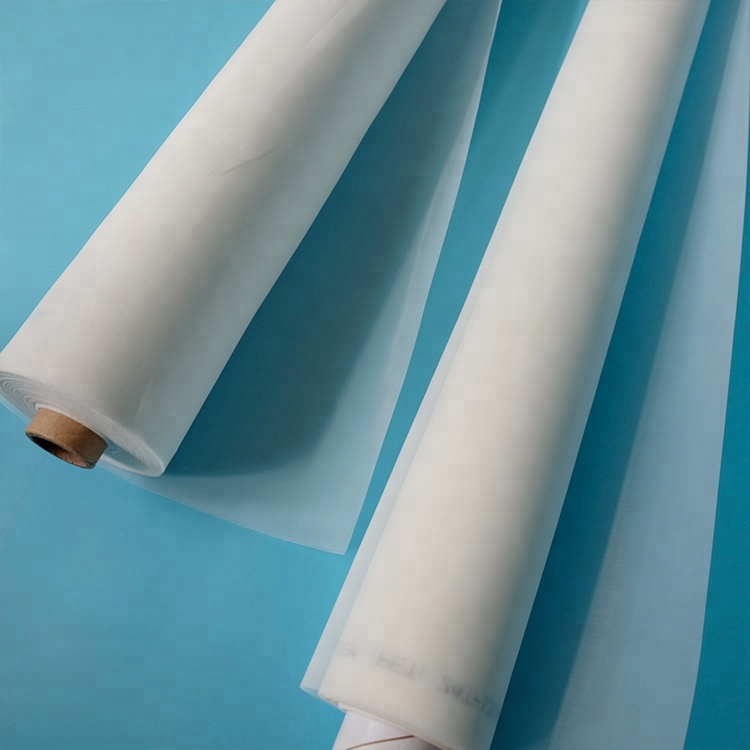
Figure 3: Quality control checks ensure precise mesh count and aperture size.
The inherent properties of polyester, combined with advanced manufacturing techniques, bestow polyester mesh with a compelling array of technical advantages, making it a preferred material in many industrial contexts:
These advantages translate directly into operational benefits such as enhanced energy saving through optimized flow, reduced material consumption due to increased durability, and improved product quality through precise separation.
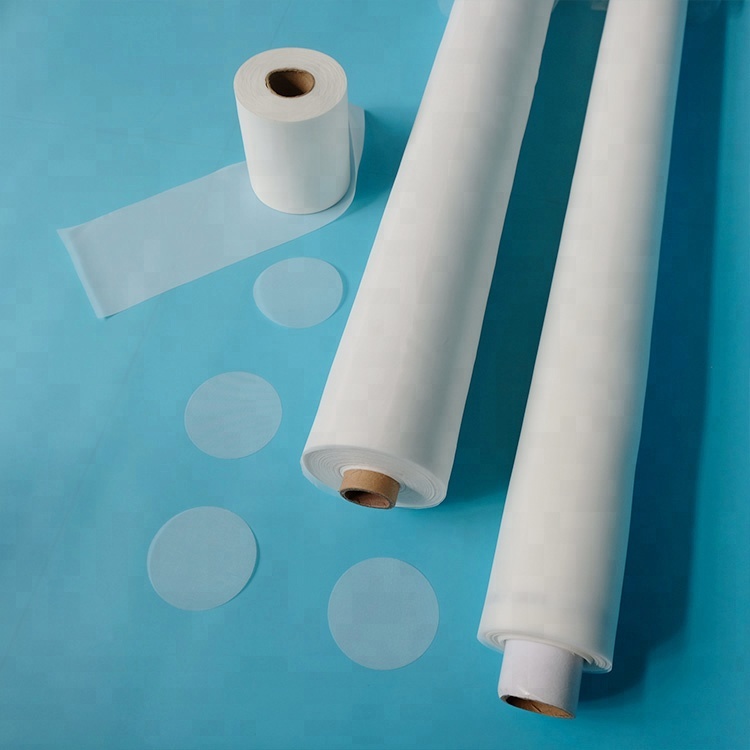
Figure 4: The inherent durability of polyester ensures long-term performance.
The versatility of polyester mesh allows it to serve a multitude of critical functions across a broad spectrum of industries, solving complex challenges related to separation, filtration, support, and conveyance.
These diverse applications underscore the adaptability and reliability of polyester mesh screen as an essential engineering material.
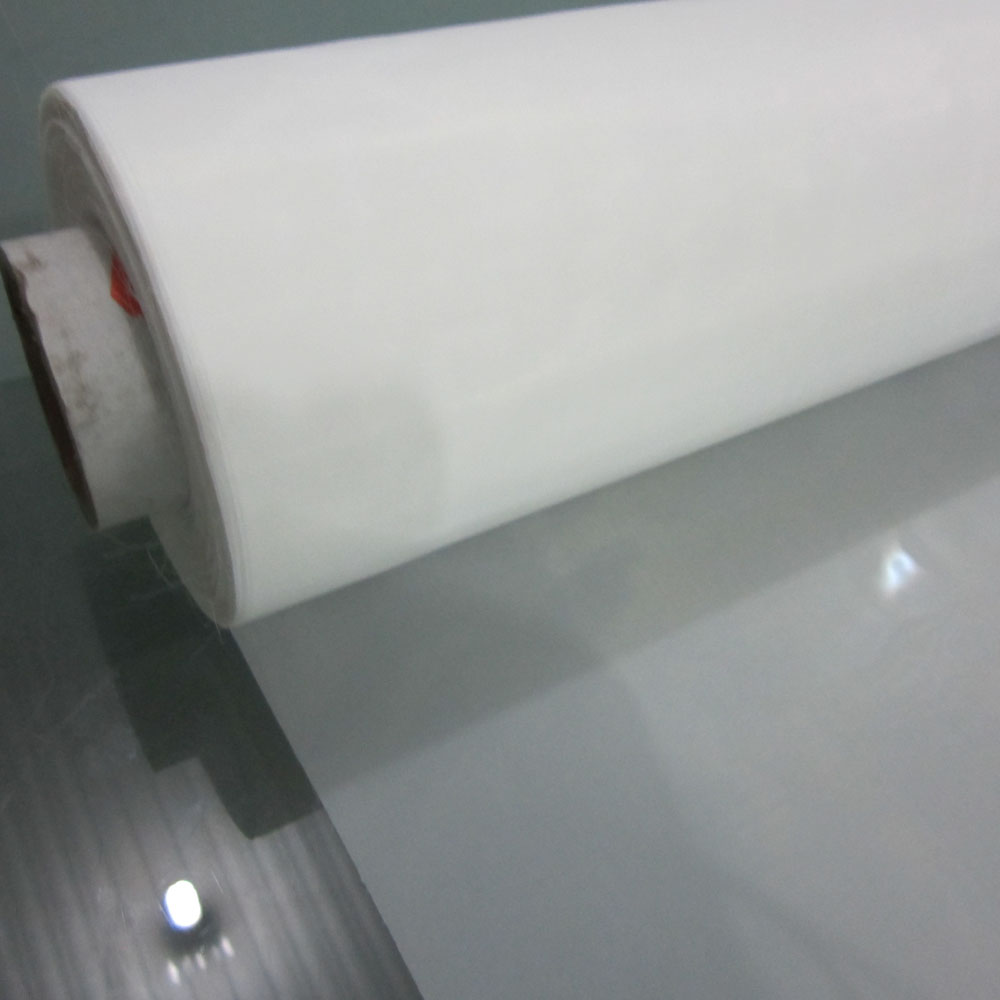
Figure 5: Polyester mesh applied in advanced industrial filtration systems.
Choosing the right supplier for polyester mesh is as critical as selecting the material itself. A reliable vendor not only provides a high-quality product but also offers technical expertise, consistent supply, and robust support. Below is a comparison table outlining key criteria for evaluating potential partners.
| Criterion | Premium Supplier Example | Standard Supplier Example |
|---|---|---|
| Certifications | ISO 9001:2015, FDA Compliant Grades, CE Certified | Basic Quality Control, often no external certifications |
| Customization Capabilities | Extensive (mesh count, width, length, edge treatment, coatings, fabrication) | Limited (standard sizes, basic cuts) |
| Technical Support | Dedicated engineering team, application specialists, R&D collaboration | Basic product information, limited application guidance |
| Lead Time & Fulfillment | Short, reliable lead times; global logistics network; inventory management | Variable lead times; limited shipping options; focus on bulk orders |
| Quality Consistency | Batch-to-batch uniformity, rigorous testing, traceable materials | Potential for slight variations, less stringent quality checks |
| After-Sales Support | Warranty, troubleshooting, replacement policy, continuous improvement feedback | Limited or no formal warranty, reactive support |
Partnering with a supplier that demonstrates robust quality control, comprehensive support, and strong industry credentials ensures that the investment in polyester mesh yields maximum operational value and long-term reliability.
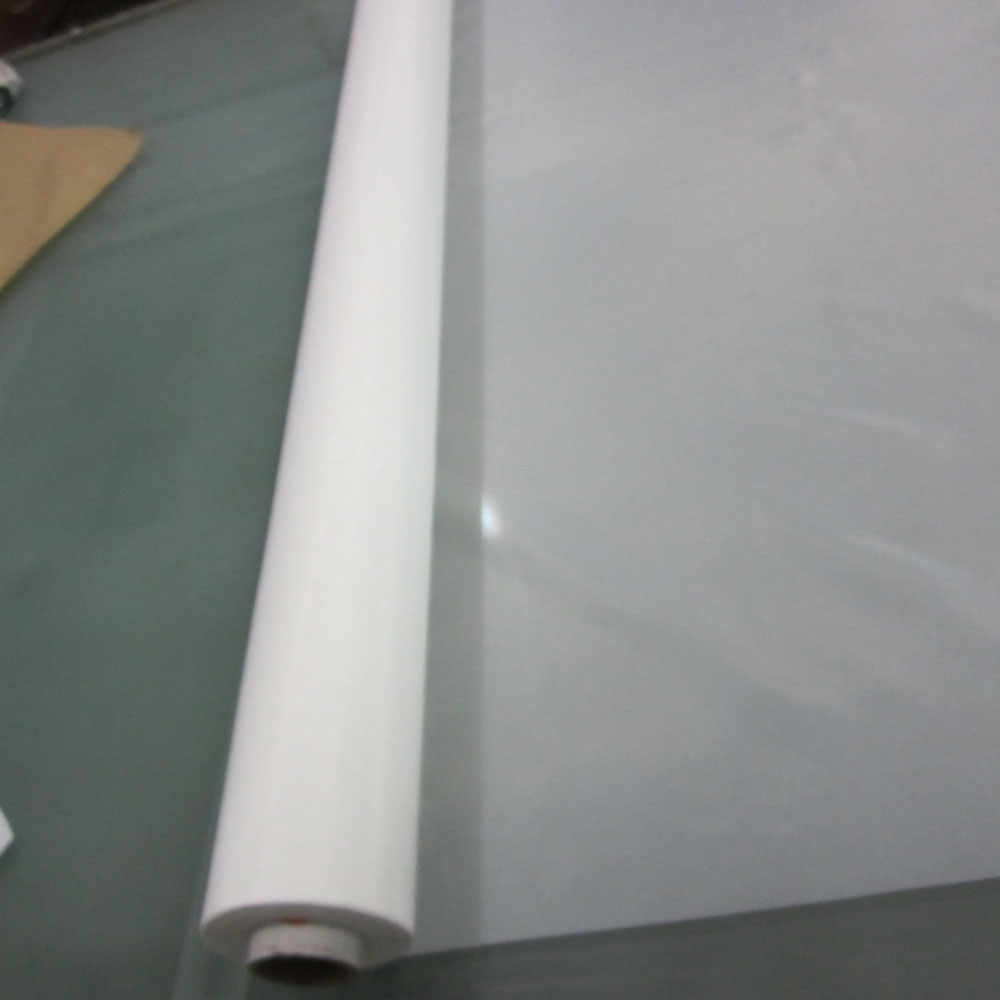
Figure 6: A diverse range of polyester mesh fabrics for various industrial needs.
While standard polyester mesh products fulfill many industrial requirements, numerous applications demand bespoke solutions. Leading manufacturers specialize in collaborating with clients to engineer customized polyester mesh fabric tailored to unique operational challenges. This includes:
This engineering partnership approach allows clients to leverage the full potential of polyester as a material, ensuring seamless integration and optimized performance within their specific industrial processes.
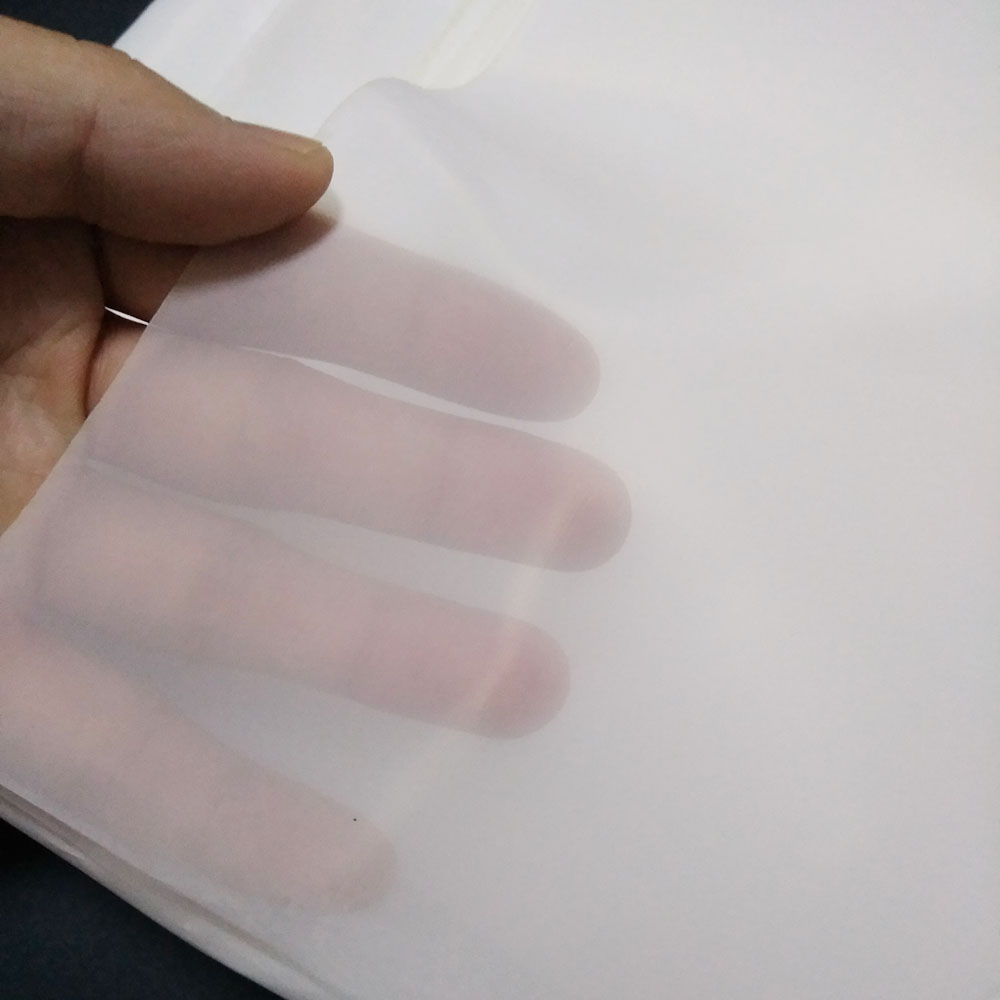
Figure 7: Custom-engineered polyester mesh designed for specific industrial filtration demands.
The practical effectiveness of polyester mesh is best illustrated through its successful implementation in demanding industrial scenarios.
A major petrochemical facility was struggling with the premature failure of stainless steel filter screens in their solvent recovery process due to corrosion and particle abrasion. The frequent replacements led to significant downtime and maintenance costs. Implementing a specialized polyester mesh screen with a precise 100-micron aperture and enhanced chemical resistance coating extended the filter lifespan by over 300%. This resulted in a 45% reduction in filter replacement frequency, leading to substantial energy saving from reduced process interruptions and material costs.
A South American copper mine faced challenges with inefficient dewatering of mineral slurries, impacting subsequent processing steps. Traditional woven wire screens experienced rapid blinding and wear. By adopting heavy-duty polyester mesh fabric in their vibrating screens, optimized for a higher open area and superior abrasion resistance, the mine achieved a 20% increase in dewatering efficiency. The lighter weight of the polyester screens also reduced energy consumption for the vibrating equipment and prolonged the service life of the machinery.
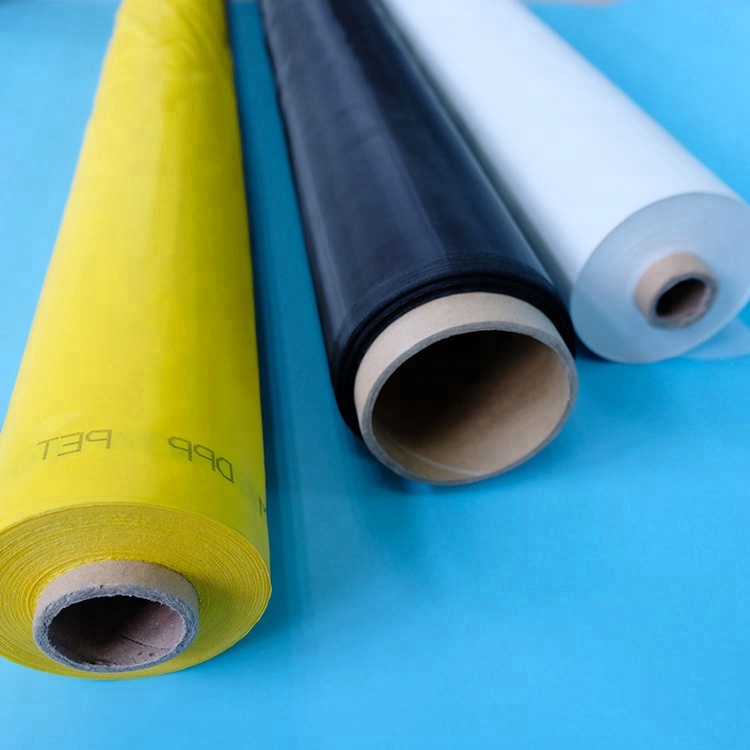
Figure 8: Polyester mesh operating efficiently in a demanding industrial setting.
A trusted supplier of industrial mesh solutions prioritizes transparency, reliability, and customer satisfaction. Our commitment to these principles is demonstrated through:
Polyester mesh represents a pivotal material in numerous industrial sectors, offering a robust blend of technical performance, durability, and cost-effectiveness. From advanced filtration in petrochemical plants to efficient dewatering in mining, its versatility and superior properties—including corrosion resistance, dimensional stability, and high tensile strength—make it an indispensable component for optimizing operational efficiency and achieving significant energy saving. By understanding its manufacturing intricacies, technical specifications, and partnering with experienced, authoritative suppliers, businesses can leverage polyester mesh fabric to innovate processes, reduce downtime, and achieve sustainable competitive advantages in an increasingly demanding global market.
JOIN OUR NEWSLETTER