Hit enter to search or ESC to close
19,Aug,2025
In the intricate world of modern manufacturing, the selection of appropriate filler wire types stands as a cornerstone for ensuring weld integrity, structural strength, and long-term durability across a myriad of industrial applications. These specialized wires are not merely consumables; they are engineered components designed to fuse base metals, impart specific metallurgical properties, and withstand diverse operational stresses, ranging from extreme temperatures and pressures to corrosive environments. The global welding consumables market, a significant segment of the broader manufacturing sector, continues to grow, driven by escalating demands in construction, automotive, aerospace, and energy industries. Projections indicate a consistent compound annual growth rate (CAGR), reflecting the indispensable nature of high-performance welding solutions. Selecting the optimal type of filler wire requires a deep understanding of material science, welding metallurgy, and application-specific requirements. It involves meticulous consideration of factors such as the base metal's chemical composition, the desired mechanical properties of the welded joint, the welding process employed, and the environmental conditions the finished product will encounter throughout its service life. The subtle differences between various filler wire types can significantly impact weld bead appearance, penetration, arc stability, and crucially, the overall quality and reliability of the final fabrication. This comprehensive guide delves into the intricate characteristics, manufacturing processes, and diverse applications of filler wires, equipping B2B professionals with the knowledge necessary to make informed decisions that enhance operational efficiency and product longevity. Understanding these nuances is paramount for engineers, procurement specialists, and quality control managers tasked with upholding the highest standards in their respective sectors.
The vast array of filler wire types available today is meticulously categorized based on their chemical composition, mechanical properties, and compatibility with specific welding processes. Common classifications include carbon steel filler wires (ER70S-6, ER70S-3), stainless steel filler wires (308L, 316L, 309L), aluminum filler wires (4043, 5356), nickel-based alloys (ERNiCrMo-3), and copper alloys. Each classification is engineered to address unique welding challenges. For instance, ER70S-6, a widely utilized carbon steel wire, is characterized by its deoxidizers (manganese and silicon) which help in managing impurities and producing clean welds, making it suitable for general fabrication and structural applications. Stainless steel wires, like 316L, are designed for applications requiring superior corrosion resistance, particularly in environments exposed to chlorides, often found in petrochemical and marine industries. Aluminum filler wires such as 5356 offer high strength and good corrosion resistance in marine environments, while 4043 is preferred for its excellent fluidity and crack resistance during welding of cast aluminum alloys. Nickel-based alloys are indispensable for high-temperature and highly corrosive environments, exhibiting exceptional strength and oxidation resistance. The American Welding Society (AWS) and International Organization for Standardization (ISO) provide comprehensive specifications (e.g., AWS A5.18, ISO 14175) that define the exact chemical composition, mechanical property requirements, and testing procedures for these wires, ensuring global consistency and reliability. Understanding these classifications and their underlying metallurgical principles is crucial for selecting the optimal types of filler wire that will not only achieve the desired weld quality but also optimize the overall welding process by minimizing defects and maximizing productivity. The precise balance of alloying elements within each filler wire type dictates its performance characteristics, including arc stability, spatter levels, and the susceptibility to various welding defects like porosity or cracking.
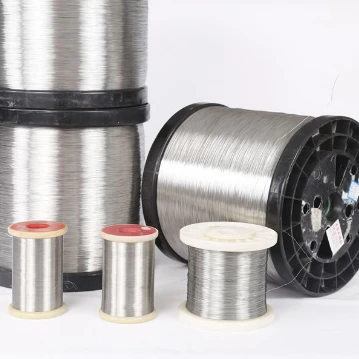
The production of premium filler wire types is a highly specialized and meticulously controlled manufacturing process, crucial for ensuring the wire's consistent metallurgical properties, precise dimensions, and optimal surface finish, all of which are critical for superior welding performance. The journey begins with the selection of high-purity raw materials, typically in the form of billets or rods, which undergo rigorous chemical analysis to confirm adherence to strict compositional standards. These raw materials are then subjected to a multi-stage cold drawing process, where they are progressively pulled through a series of dies of decreasing diameter. This drawing process not only reduces the wire's cross-section to its final specified gauge but also enhances its tensile strength and improves its surface finish, crucial for achieving stable arc characteristics during welding. Throughout the drawing process, intermediate annealing steps may be employed to relieve stress and restore ductility, preventing work hardening and potential wire breakage. After drawing, the wire undergoes extensive cleaning processes, often involving chemical baths and mechanical brushing, to remove any lubricants, oxides, or surface contaminants that could compromise weld quality or cause porosity. For certain types of filler wire, a precise coating (e.g., copper coating for carbon steel wires) is applied to enhance conductivity, prevent corrosion, and improve wire feeding in automated systems. The final stages involve precise spooling onto various sizes of spools, ensuring uniform winding and tension, followed by packaging in moisture-resistant materials to protect against environmental degradation. Quality control is paramount at every stage, with in-line monitoring and post-production testing, including tensile strength tests, chemical analysis, and bend tests, all conducted in accordance with international standards such as ISO 9001, ASTM, and AWS, guaranteeing that each batch meets stringent industry specifications for use-life and performance. This comprehensive manufacturing regimen ensures that the filler wire performs reliably, contributing to durable and defect-free welds in critical applications.
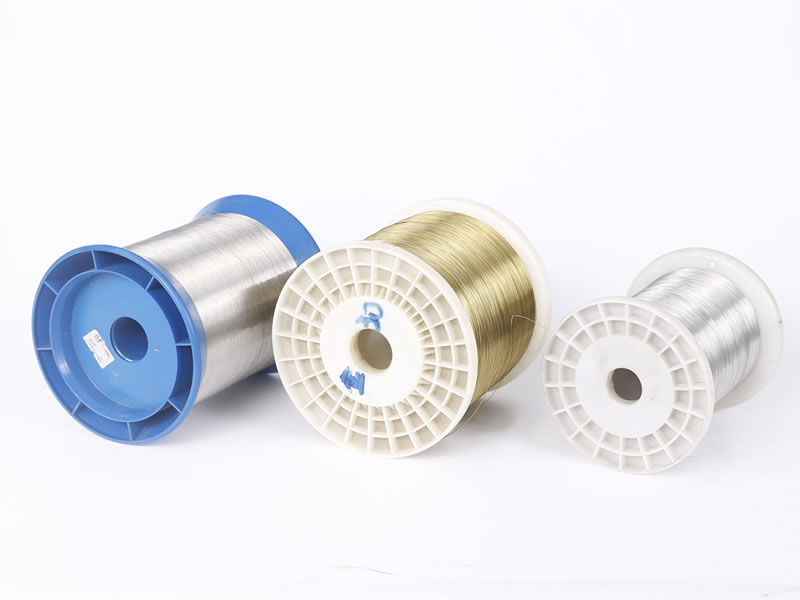
Selecting the optimal types of filler wire for TIG welding involves a detailed analysis of several critical technical parameters and application-specific requirements. TIG (Tungsten Inert Gas) welding is renowned for producing high-quality, precise welds, making the filler wire's characteristics even more paramount. Key parameters include the wire's diameter, which must match the welding current and joint configuration; its chemical composition, designed to match or complement the base metal while providing desired mechanical properties and corrosion resistance; and its surface finish, which influences arc stability and feedability, especially in automated systems. For example, in petrochemical applications dealing with stainless steel pipelines, a 316LSi filler wire might be chosen for its increased silicon content, which enhances puddle fluidity and bead wetting, improving arc stability and reducing porosity during welding. Conversely, for aluminum alloys in aerospace components, ER5356 is often preferred due to its higher magnesium content, providing excellent tensile strength and suitability for high-strength aluminum alloys, while ER4043, with silicon, offers better fluidity and crack resistance for cast aluminum. The mechanical properties of the deposited weld metal, such as tensile strength, yield strength, elongation, and impact toughness at various temperatures, are vital considerations, ensuring the weld can withstand operational stresses. Furthermore, factors like preheat and post-weld heat treatment requirements, the specific shielding gas (e.g., pure argon for TIG welding aluminum, argon-helium mixtures for thicker sections), and the desired aesthetic of the weld bead all play a significant role in filler wire selection. Adherence to industry standards like AWS A5.XX series (e.g., A5.9 for stainless steel, A5.10 for aluminum) ensures that the chosen filler wire meets specified performance benchmarks. Engineers and fabricators must cross-reference these parameters with project specifications to guarantee optimal weld performance, minimize defects, and extend the service life of critical components, thereby ensuring robust and reliable constructions across diverse industrial sectors.
| Wire Type (AWS Spec) | Base Material Match | Key Chemical Composition | Typical Tensile Strength (PSI) | Corrosion Resistance | Key Applications |
|---|---|---|---|---|---|
| ER308L (A5.9) | 304, 304L, 321, 347 Stainless Steel | Cr: 19-21%, Ni: 9-11%, C: <0.03% | 80,000 - 90,000 | Good general, excellent intergranular | Food processing, chemical tanks, piping |
| ER316L (A5.9) | 316, 316L Stainless Steel | Cr: 18-20%, Ni: 11-14%, Mo: 2-3%, C: <0.03% | 80,000 - 90,000 | Excellent pitting & crevice corrosion | Petrochemical, marine, pharmaceuticals |
| ER4043 (A5.10) | 1100, 3003, 6061, Cast Al Alloys | Si: 4.5-6.0% | 27,000 - 30,000 | Good general, excellent crack resistance | Automotive, structural, general repair |
| ER5356 (A5.10) | 5052, 5083, 5456, 6061 Aluminum Alloys | Mg: 4.5-5.5%, Cr: 0.05-0.2% | 38,000 - 42,000 | Excellent general & marine environment | Marine, pressure vessels, structural |
| ERNiCrMo-3 (A5.14) | Inconel 625, Incoloy 825, Alloy 20 | Ni: 60-65%, Cr: 20-23%, Mo: 8-10% | 100,000 - 110,000 | Outstanding general, pitting, crevice, stress corrosion cracking | Chemical processing, aerospace, power generation |
The strategic deployment of specific filler wire types is instrumental in addressing the rigorous demands of various industrial sectors, yielding significant technical and economic advantages. In the petrochemical industry, where high-pressure vessels, complex piping systems, and heat exchangers operate under extreme temperatures and corrosive media, the selection of stainless steel (e.g., 316L, 347) or nickel-based alloy (e.g., ERNiCrMo-3) filler wires is paramount. These wires provide superior resistance to intergranular corrosion, pitting, and stress corrosion cracking, ensuring the long-term integrity and safety of critical infrastructure, thereby minimizing costly downtime and maintenance. For the metallurgy and heavy machinery sectors, often involving the welding of high-strength steels for structural components, construction equipment, and mining machinery, types of filler wire such as low-alloy steel or high-strength carbon steel varieties are essential. These wires offer optimized tensile and yield strengths, excellent impact toughness, and good crack resistance, capable of withstanding dynamic loads and harsh operating conditions. In the water supply and drainage industry, including municipal pipelines, water treatment plants, and pumping stations, corrosion resistance is a key factor. Here, stainless steel or specific carbon steel wires with enhanced anti-corrosion properties are deployed, extending the service life of pipes, pumps, and valves, reducing leakage, and ensuring the purity of transported fluids. The technical advantages extend beyond material compatibility, encompassing improved energy efficiency through optimized welding parameters that reduce heat input and distortion, leading to faster production rates and lower energy consumption. Furthermore, the use of high-quality filler wires results in defect-free welds with superior mechanical properties, significantly reducing rework rates, and contributing to overall project cost savings and accelerated project completion.
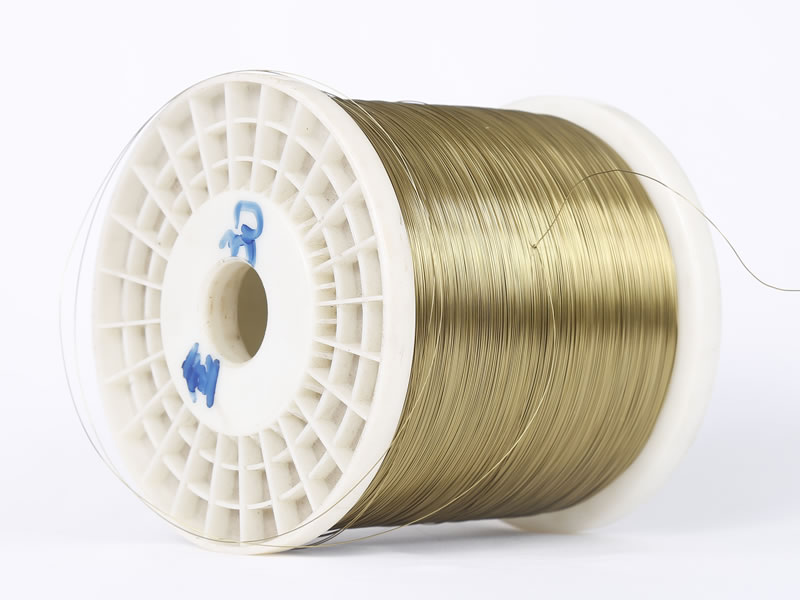
In the highly competitive market for welding consumables, the choice of a manufacturer for filler wire types extends beyond mere product availability; it involves a strategic partnership built on trust, technical expertise, and a commitment to quality. A leading manufacturer is distinguished not only by its comprehensive product portfolio but also by its robust research and development capabilities, stringent quality control protocols, and exceptional customer support. When evaluating potential suppliers, B2B decision-makers should prioritize companies with long-standing industry experience, demonstrated service records (e.g., 20+ years in the industry), and a strong track record of successful client engagements. Key indicators of a reputable manufacturer include international certifications such as ISO 9001 for quality management, ISO 14001 for environmental management, and specific product certifications like CE marking, signifying compliance with European safety standards. Furthermore, the ability to provide detailed material test reports (MTRs) for each batch, outlining chemical composition and mechanical properties, is non-negotiable for critical applications. Beyond standard offerings, the capacity for developing custom types of filler wire solutions is a significant advantage. This includes tailoring chemical compositions for specific base metal combinations, adjusting wire diameters for unique automated welding systems, or engineering wires for extreme operating conditions. For instance, a project requiring specialized corrosion resistance in a unique chemical process might necessitate a filler wire with a precisely modified chromium or molybdenum content, a service only advanced manufacturers can reliably provide. Engaging with a manufacturer that actively invests in metallurgical research and adheres to a philosophy of continuous improvement ensures access to cutting-edge welding solutions that can optimize operational efficiency, enhance product performance, and provide a competitive edge in challenging markets. Such a partnership transcends a simple transactional relationship, evolving into a collaborative effort aimed at achieving superior welding outcomes and long-term asset integrity.
The true testament to the quality and performance of filler wire types lies in their successful application in challenging industrial environments and the positive feedback from clients who have leveraged these advanced materials. Consider a significant project involving the fabrication of high-pressure boilers for a power generation plant. The initial challenge was achieving consistent, defect-free welds on thick-section chrome-moly steel, which is prone to hydrogen cracking and requires precise control of preheat and post-weld heat treatment. By deploying specialized low-alloy steel types of filler wire optimized for creep resistance at elevated temperatures, the client observed a 15% reduction in welding time due to improved arc stability and fluidity, along with a significant decrease in re-work rates, leading to a 10% overall cost saving on the welding phase. Mechanical testing confirmed that the weld joints surpassed target tensile and yield strengths, ensuring the long-term operational integrity of the boilers. Another compelling case involved a major chemical processing facility facing severe corrosion issues in its existing stainless steel piping systems, leading to frequent leaks and extensive maintenance. After switching to a higher-alloyed stainless steel filler wire with enhanced molybdenum content, specifically designed for harsh acidic environments, the facility reported a dramatic 70% reduction in corrosion-related failures over a two-year period, resulting in substantial savings on repairs and a significant improvement in operational uptime. A representative from the client firm stated, "The technical support and tailored wire solution provided were exceptional. It transformed our maintenance strategy and delivered tangible improvements in system reliability." These examples underscore the critical impact of selecting the correct filler wire and partnering with a manufacturer capable of delivering consistent quality and technical guidance. Such real-world applications and documented improvements solidify the trust and confidence that B2B clients place in high-performance welding consumables, reinforcing our commitment to providing solutions that not only meet but exceed industrial benchmarks for durability and efficiency.
Trustworthiness in the supply of filler wire types is built upon a foundation of stringent quality assurance protocols, transparent delivery logistics, and robust customer support that extends beyond the point of sale. Our commitment to quality begins with raw material sourcing, where every batch undergoes rigorous spectrographic analysis to verify chemical composition, ensuring it aligns perfectly with international standards. Our manufacturing facilities are ISO 9001 certified, signifying adherence to a comprehensive quality management system that encompasses every stage from production to packaging. Each spool of filler wire is subjected to multiple in-line and post-production tests, including tensile strength, yield strength, elongation, and impact toughness tests, along with rigorous visual and dimensional inspections, guaranteeing optimal performance and consistency. Furthermore, we provide detailed Material Test Reports (MTRs) for every shipment, offering complete traceability and verification of product specifications, thereby empowering clients with the necessary documentation for compliance and quality control. Regarding delivery, we understand the critical nature of timely supply in manufacturing schedules. Our sophisticated logistics network ensures efficient order processing and prompt dispatch, with typical delivery cycles ranging from 7 to 14 business days for standard orders, and expedited options available for urgent requirements, meticulously communicated throughout the process. We also recognize the importance of secure packaging to protect types of filler wire from environmental degradation during transit and storage. Our comprehensive warranty commitment covers manufacturing defects for a period of 12 months from the date of purchase, providing peace of mind and demonstrating confidence in our product's reliability. Beyond warranties, our dedicated customer support team, composed of experienced metallurgists and welding engineers, offers unparalleled technical assistance, from pre-sale consultations on filler wire selection and welding procedure specification (WPS) development to post-sale troubleshooting and application optimization, ensuring that clients receive continuous, expert guidance for their most complex welding challenges.
Navigating the complexities of filler wire types often raises several common questions for B2B professionals. Addressing these inquiries directly helps ensure clarity and confidence in product selection and application.
The strategic selection and application of appropriate filler wire types are undeniably critical elements in achieving superior weld quality, enhancing structural integrity, and ensuring the long-term reliability of manufactured components across a broad spectrum of industrial applications. From the meticulous multi-stage cold drawing and precise coating in the manufacturing process to the rigorous adherence to international standards like ISO and AWS, every aspect of filler wire production is geared towards delivering unparalleled performance. The diverse range of types of filler wire, each with its unique chemical composition and mechanical properties, offers tailored solutions for the demanding environments of the petrochemical, metallurgy, and water supply sectors, providing distinct advantages such as improved corrosion resistance, enhanced tensile strength, and optimized energy efficiency. Partnering with a reputable manufacturer that prioritizes stringent quality assurance, offers robust technical support, and has the capability for custom solutions is paramount for B2B decision-makers seeking to optimize their welding operations. This collaborative approach minimizes defects, reduces costly rework, and extends the service life of critical infrastructure, thereby translating into significant long-term savings and enhanced operational efficiency. As industries continue to evolve, demanding increasingly higher standards for material performance and structural integrity, the role of advanced filler wire types will only become more pronounced. Investing in high-quality, application-specific filler wires is not merely a procurement decision; it is a strategic imperative that underpins the success and sustainability of complex engineering projects, driving innovation and reliability in the global manufacturing landscape. The continuous advancement in filler wire technology ensures that fabricators can confidently tackle even the most challenging welding scenarios, achieving results that consistently meet and often exceed stringent industry benchmarks.
JOIN OUR NEWSLETTER