Hit enter to search or ESC to close
07,Nov,2025
If you’ve ever stood in front of a welding rack wondering which wire will save the day, you’re not alone. I’ve been there. The landscape of Filler Wire Types keeps shifting—new coatings, cleaner chemistries, smarter traceability. And, surprisingly, even the humble painted tie wire has carved out a serious niche in modern shops.
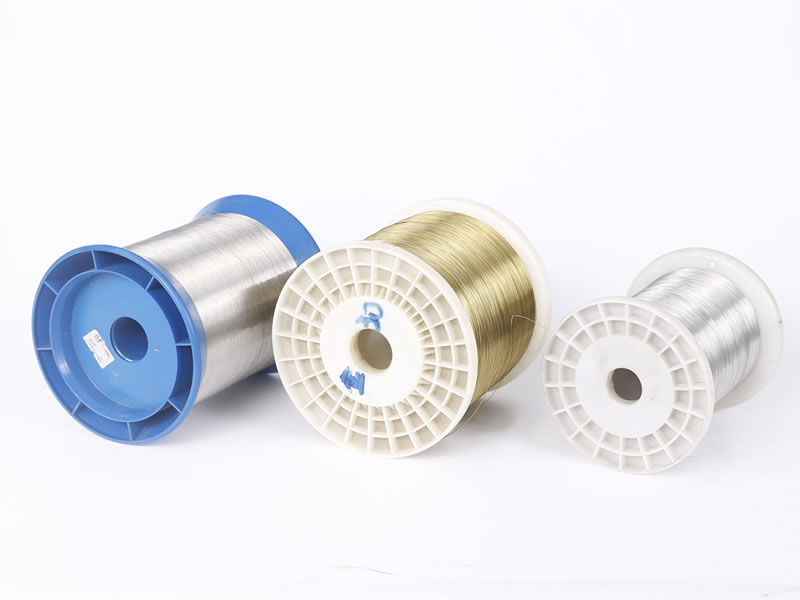
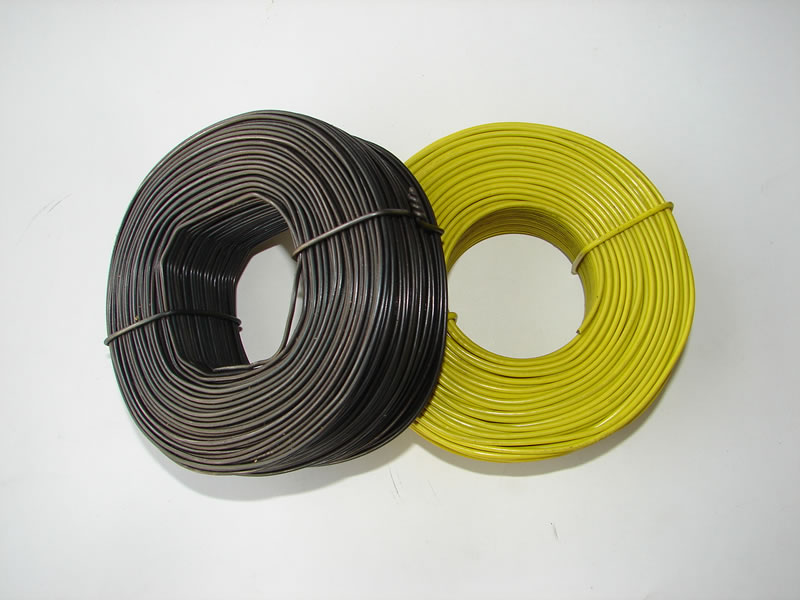
In welding, your “fillers” usually mean GMAW/MIG (ER70S-6, ER70S-3), FCAW (E71T-1), GTAW/TIG (308L, 316L, ER4043/5356), plus hardfacing overlays. But day to day, shops also rely on support and fixture wires—like painted iron wire—for binding, jigging, weaving, and temporary layout. It sounds basic, yet it protects surfaces, keeps hands clean, and avoids contamination during set-up. Many customers say the finish matters more than they expected.
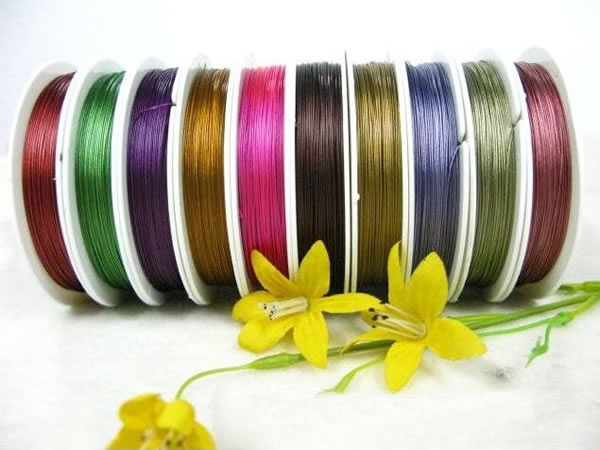
Origin: NO.11 WEI'ER ROAD, Industrial East Area, Anping County, Hebei, China. Material options include black wire and galvanized wire. Features: smooth, bright, and yes—environmentally considerate paints used in production.
| Spec | Detail (≈ / real-world may vary) |
|---|---|
| Base material | Low-carbon steel (ASTM A510), black or galvanized (ASTM A641) |
| Diameter range | ≈ 0.7–2.0 mm (custom on request) |
| Paint system | RoHS-compliant, low-VOC; thickness ≈ 20–35 μm (ISO 2808) |
| Tensile strength | ≈ 350–550 MPa (wire-drawing and anneal dependent) |
| Corrosion check | Salt spray screening: 24–72 h baseline (ISO 9227) |
| Colors/pack | Black/green/gray common; coils or spools; private label available |
| Typical service life | Indoor fixtures ≈ 2–5 years; field use depends on humidity/handling |
Wire drawing → controlled anneal → surface prep → priming → color coat → oven cure → spool/coil → QC. Adhesion by cross-hatch (ASTM D3359), coating thickness per ISO 2808, dimensional checks per in-house SOPs; for galvanized substrate, reference ASTM A641.
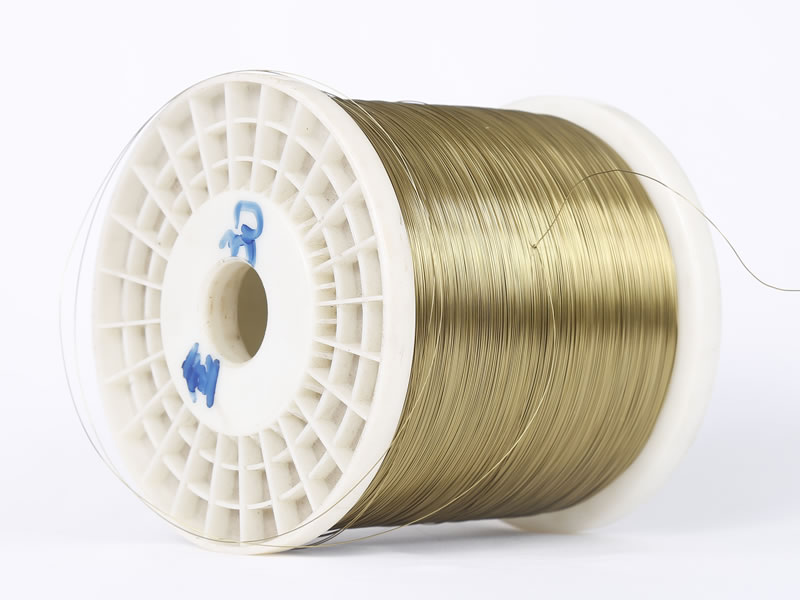
One fabricator told me, “Switching from raw black tie wire to painted saved us wiping time—less grime, fewer rework scratches.” Not scientific, but it echoes what I hear a lot.
| Vendor | Focus | Certs | Customization | Lead time ≈ |
|---|---|---|---|---|
| Hebei Anping Manufacturer | Painted tie wire, mesh wire | ISO 9001; RoHS/REACH statements | Colors, diameters, private label | 2–4 weeks |
| Global Brand A (welding) | GMAW/TIG fillers (ER70S-6, 308L, 4043) | AWS/ISO approvals, ISO 9001 | Spool size, heat traceability | 1–3 weeks |
| Global Brand B (welding) | FCAW, hardfacing, stainless fillers | ABS/LR (marine), AWS, ISO | Alloys, packaging, certificates | 2–5 weeks |
Different tools for different jobs: welding fillers meet AWS/ISO classifications; painted wire solves clean handling and fixture tasks alongside them.
We’re seeing low-fume wire chemistries, copper-free coatings, and QR-coded heat numbers. Even tie wire is catching up: color coding for work cells, RoHS-friendly pigments, and better adhesion so flakes don’t contaminate stainless assemblies.
A mid-size fabricator switched to painted tie wire for jigging 304 stainless. Result (their data): ≈18% less wipe-down time, fewer swirl marks pre-polish, and no measurable chloride transfer in random checks per ISO 8502-6 wipes. Not universal, but compelling.
Ask for coating thickness, adhesion test method, and salt-spray screenshots. For welding fillers, verify AWS/ISO classification and heat-cert traceability. For tie wire, focus on consistent diameter, low flake, and packaging that doesn’t shed dust.
JOIN OUR NEWSLETTER