Hit enter to search or ESC to close
06,Oct,2025
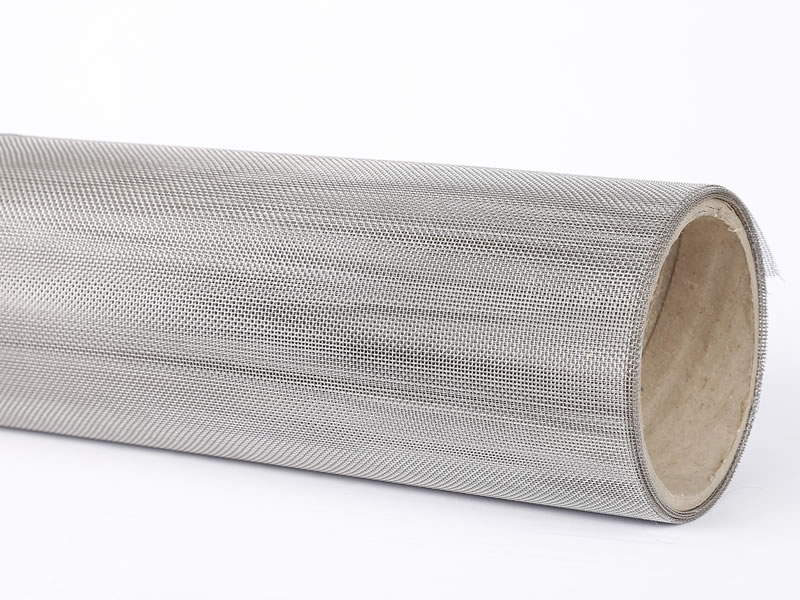
I’ve walked a lot of factories—hot, loud, and frankly fascinating. The most honest storytellers on those floors are the belts that keep products moving. And yes, the humble Conveyor Mesh Belt from Hebei (NO.11 WEI'ER ROAD, Industrial East Area, Anping County, Hebei, China) has been showing up everywhere lately.
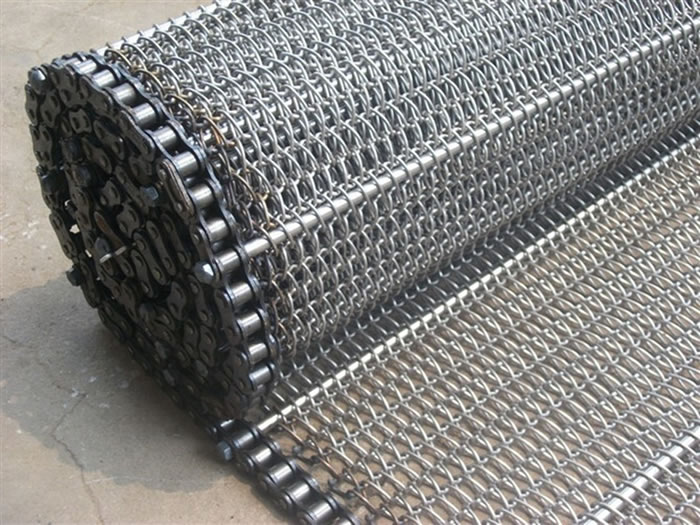
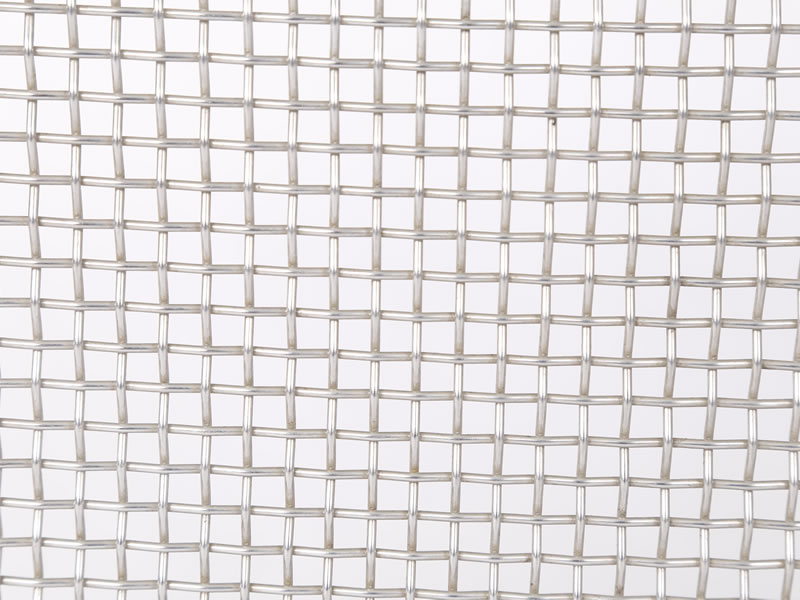
Factories want belts that breathe, drain, and shrug off heat. In ovens, washers, and quench tanks, wire mesh conveyor belts don’t trap air or liquid—so cycles run faster and cleaner. The trend is toward tighter process control (think data-logged tension and energy usage) and belts that are easier to patch in minutes, not hours. Many customers say “no drama, no downtime.” That’s the brief.
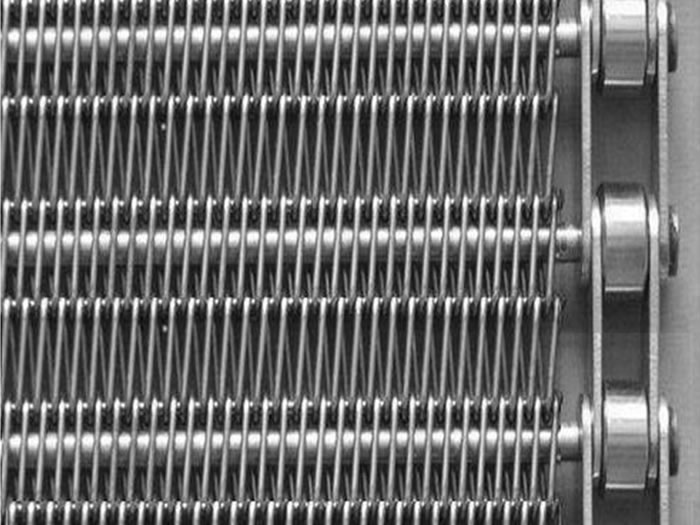
| Material | Low carbon steel (standard); optional 304/316 SS for higher temp/corrosion |
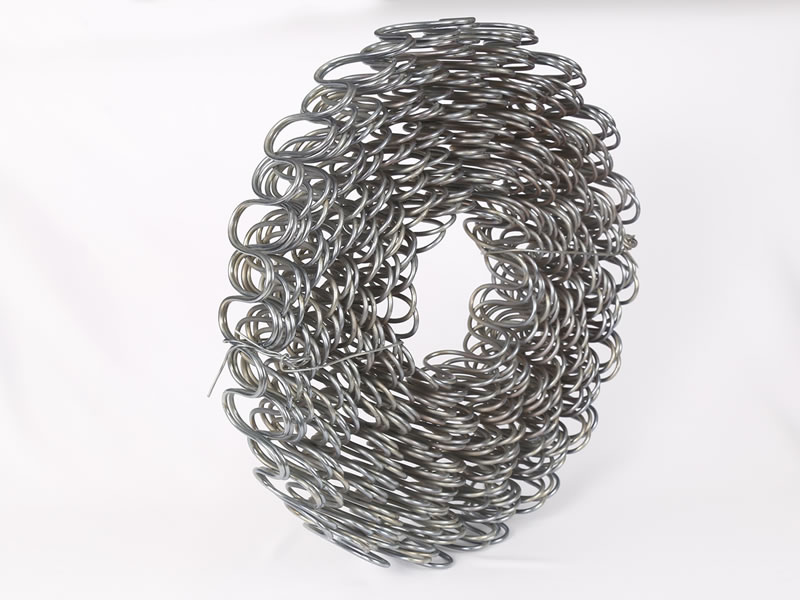
| Weave types | Balanced, double-balanced, ladder, compound; chain-driven variants |
| Wire Ø / Pitch | ≈ 1.0–3.2 mm / ≈ 4–20 mm (real-world use may vary) |
| Open area | ≈ 40–80% depending on weave |
| Temp window | Low carbon steel up to around 350°C; 304/316 SS up to ≈ 800°C |
| Edge/drive | Welded, looped, or chain edge; sprocket or drum drive |
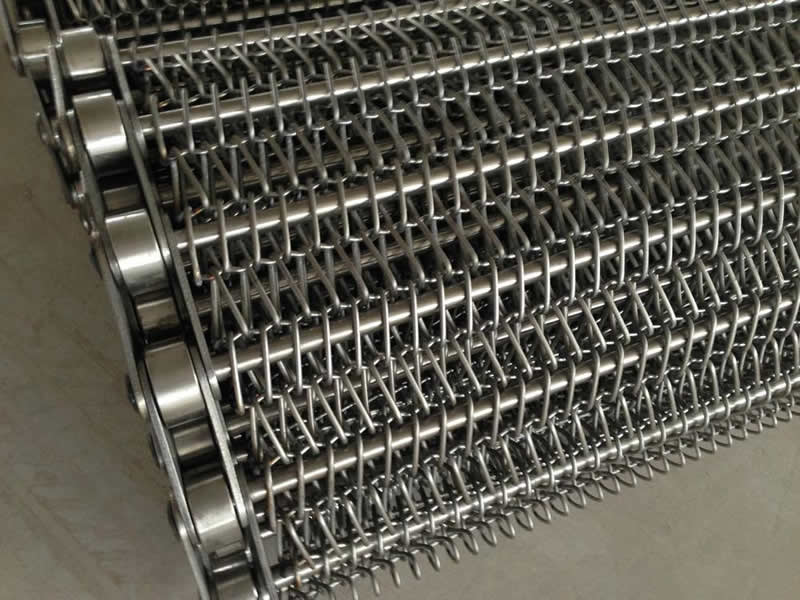
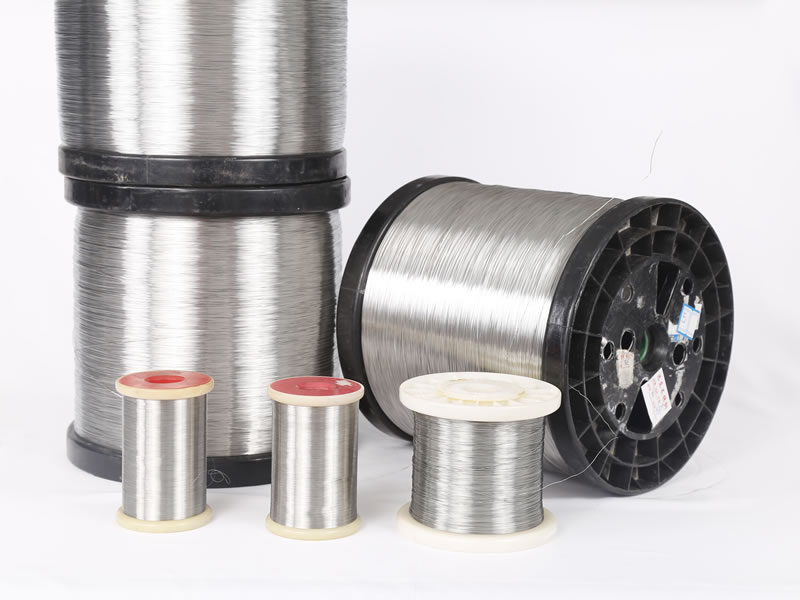
Materials arrive as drawn wire. Coiling and weaving set pitch and open area; cross-rods lock geometry. Then heat-set, flatten, and edge-finish. QC is not glamorous but it matters: pitch accuracy, warp control, runout. Coatings (zinc per ISO 1461) or stainless upgrades if corrosion is a bully.
Sample test data, 2024 factory lab (indicative): tensile 420–520 MPa (ISO 6892-1), elongation 20–28%, flatness ≤ ±1 mm/m, pitch tolerance ±0.5 mm, fatigue endurance >1.2M cycles at rated load, salt-spray (galv.) ≈ 72–120 h (ASTM B117). Service life? Many bakery lines report 18–36 months; heat-treat lines vary by load and chemistry.
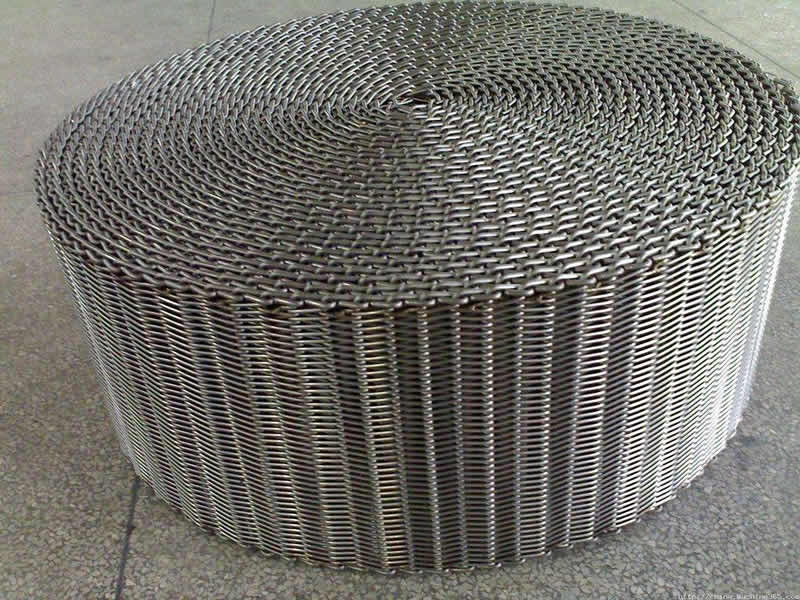
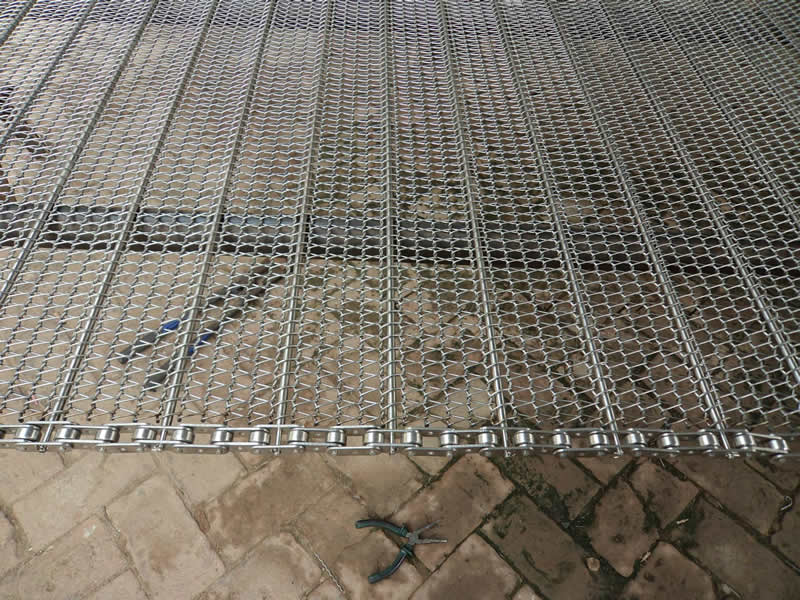
Advantages: airflow, drainage, easy sanitation, stable tracking, and modular repair. To be honest, the “repair in place” thing is what maintenance crews rave about.
| Vendor | Strengths | Lead time | Certs |
|---|---|---|---|
| Hebei Factory (Anping) | Direct manufacturing, custom weave/edges, fast spares | ≈ 10–20 days | ISO 9001; material traceability |
| Importer A | Local stock, quick small orders | 2–7 days (stocked) | Varies by batch |
| EU OEM B | High-temp stainless expertise, documented validation | ≈ 3–5 weeks | ISO 9001, food-contact declarations |
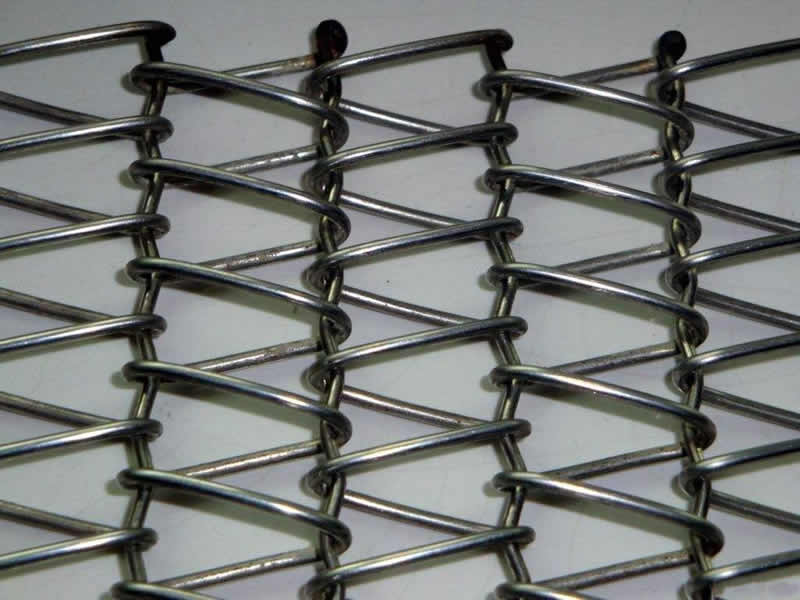
You can dial in width, pitch, wire gauge, guard edges, flights, and chain drives. For wash lines, I’d ask for higher open area; for tiny parts, go compound weave to avoid drop-through. Maintenance teams often request welded edges and spare sections on day one—smart move.
Food bakery (EU): swapped legacy belt for a balanced weave. Airflow improved; bake time trimmed ≈ 6%. Unplanned stops down 18%. Belt life moved from 14 to ~26 months. Payback? About 9 months.
Powder coat line (US Midwest): ladder weave with side guards. Better drainage pre-oven; fewer fisheyes. After three months, operators said belt cleaning time halved. Simple win.
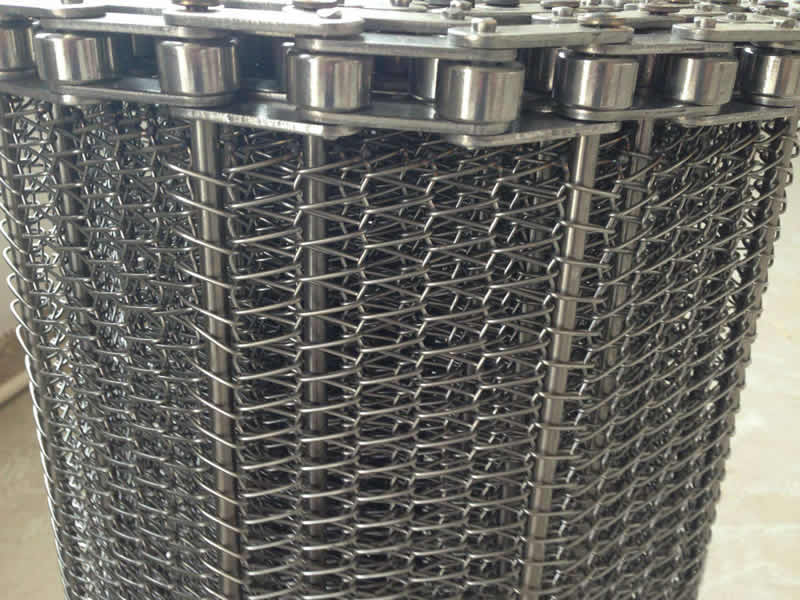
“Tracks straight, easy clip-in repair.” “Didn’t expect the cooling gains.” And, surprisingly, a lot of compliments for documentation—operators love a one-page tension/maintenance sheet.
Standards and references
JOIN OUR NEWSLETTER