Stainless Steel Woven Wire: Durable Mesh for Industrial Excellence
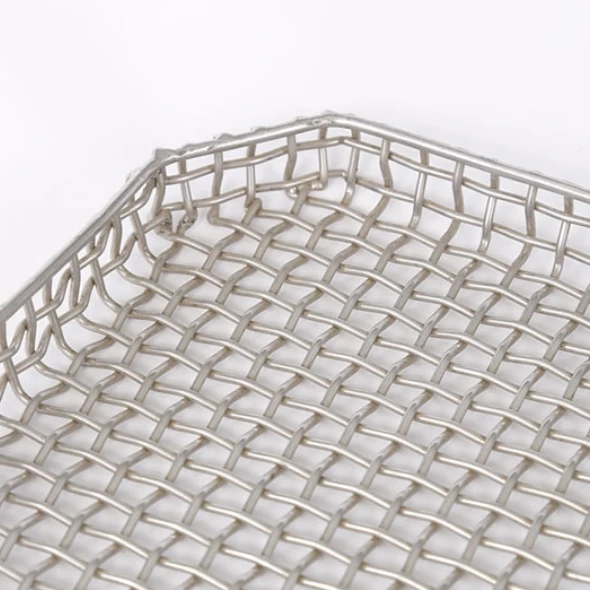
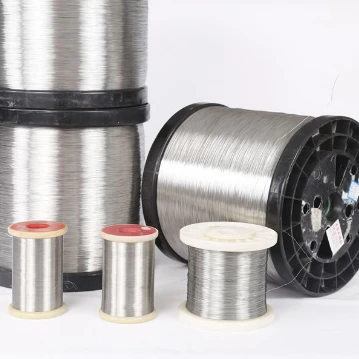
Having spent more than a decade at the coalface of industrial equipment and metal fabrication, I can’t emphasize enough how stainless steel woven wire has quietly become the unsung hero in so many sectors. It’s easy to overlook something that looks, well, like just a mesh of metal wires — but trust me, it’s a cornerstone material with versatility that still surprises me.
Now, why stainless steel? Well, the obvious answer is its corrosion resistance. But it goes beyond that. It’s about consistency, strength, and an ability to adapt to a wide range of industrial uses — from filtration and screening in heavy machinery to architectural cladding where form meets function. Oddly enough, I once had a client who insisted on switching from traditional carbon steel wire mesh to stainless steel despite a tighter budget, and it paid off handsomely over time because they slashed their maintenance cycles.
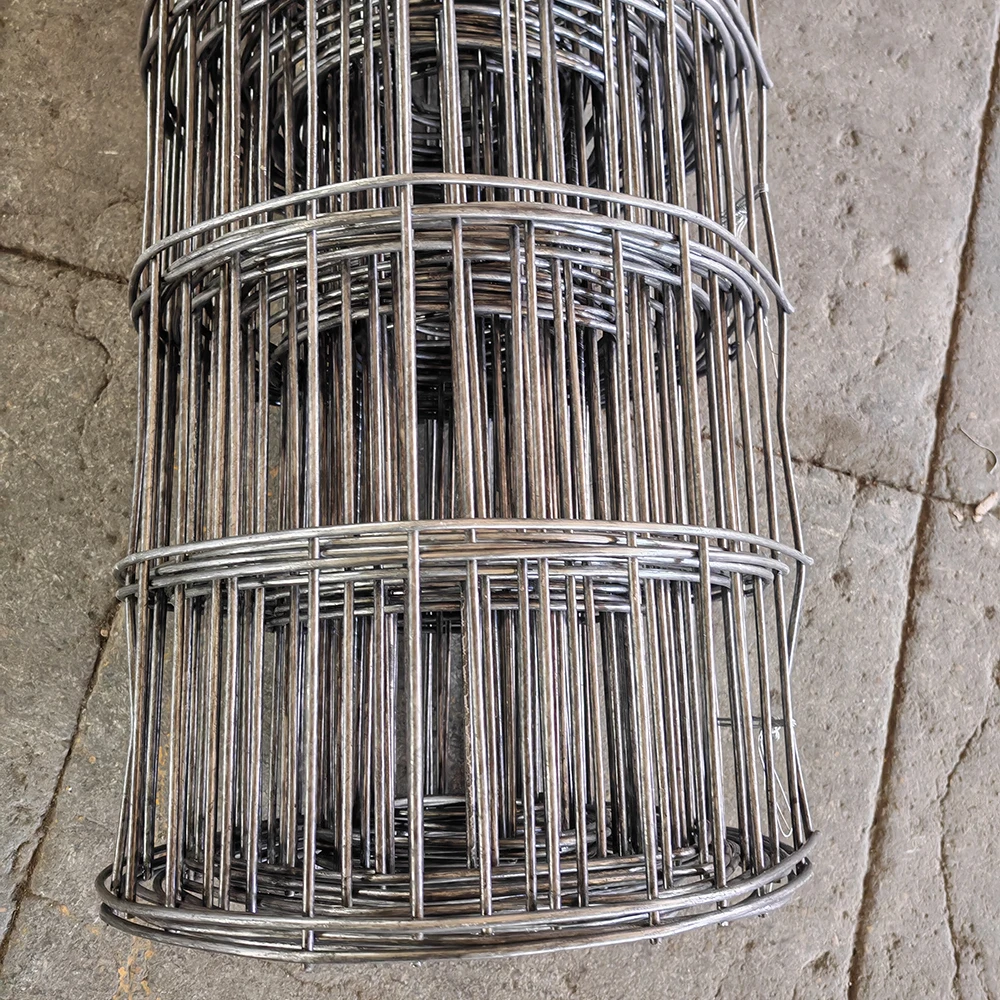
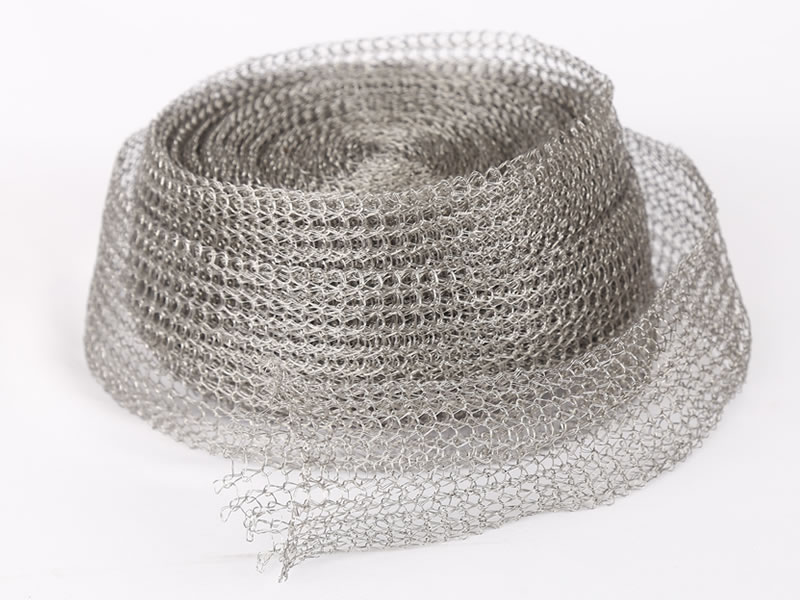
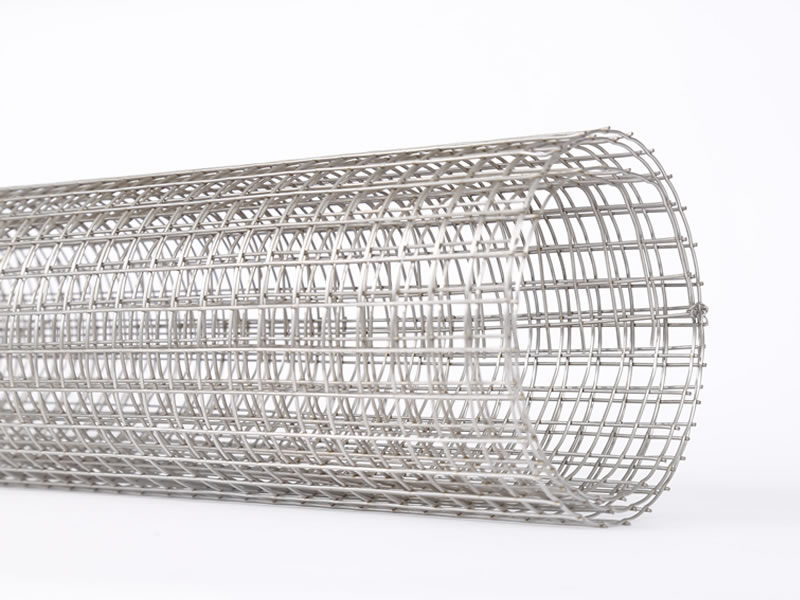
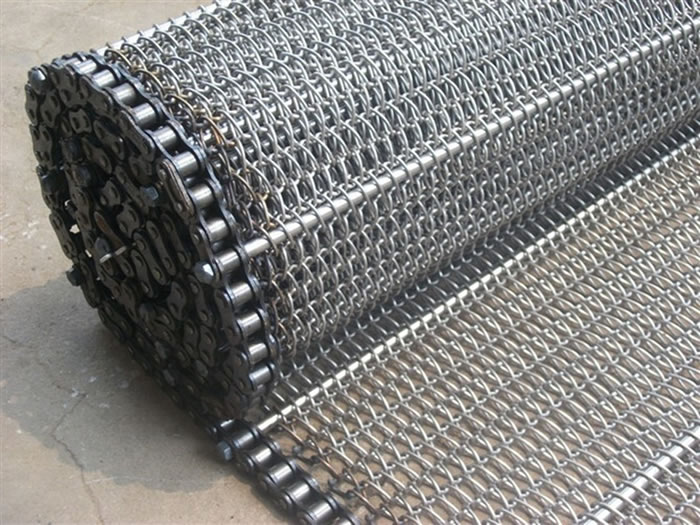
Most industrial users will tell you the two key design aspects for stainless steel woven wire are mesh count (the number of openings per linear inch) and wire diameter. These parameters dictate how strong the mesh will be, what kind of particles or debris it can filter, and even how flexible or stiff it feels. I often work with engineers who are finicky about these specs, especially when precision filtration is on the docket.
Typical Stainless Steel Woven Wire Specifications
| Spec Parameter |
Details |
| Material Grades |
304, 316, 321 Stainless Steel |
| Wire Diameter |
0.05 mm to 2.00 mm |
| Mesh Count (Openings per Inch) |
1 to 400+ |
| Weaving Types |
Plain, Twilled, Dutch Weave |
| Finish |
Mill Finish, Polished |
| Max Roll Width |
2.5 meters |
One interesting thing I noticed over the years is how the testing standards for these meshes have gotten more rigorous. It’s not just about pull strength anymore. There’s precise permeability testing, corrosion resistance under simulated conditions, and even fatigue endurance. This reflects the growing reliance on stainless steel wire mesh in fields such as pharmaceuticals and food production, where any contamination risk must be minimized.
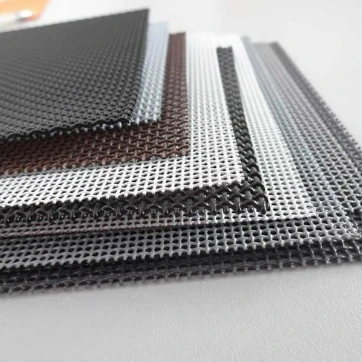
Talking about application areas, I've seen stainless steel woven wire take center stage in everything from oil & gas filtering screens — think sand control screens — to aerospace component filtering. In architectural projects, it doubles as a protective barrier that also lends an industrial aesthetic, quite trendy right now. I recall one project in a factory retrofit where the client was skeptical about the mesh aesthetics until we showed them samples; the finish and precision weaving ‘sold’ them immediately.
Customization is another factor worth mentioning. You can order stainless steel woven wire in various widths, lengths, and mesh types depending on your needs. One customer I worked with required an unusual wire diameter with a custom Dutch weave for extra filtration efficiency — totally doable with modern weaving machines.
Vendor Comparison: Stainless Steel Woven Wire Suppliers
| Supplier |
Material Grades |
Customization |
Typical Lead Time |
Notable Strength |
| Hebei Wire Mesh Co. |
304, 316, 321 |
High (custom weaves & sizes) |
2-3 weeks |
Consistent quality & competitive pricing |
| ABC Woven Metal Solutions |
Primarily 304 |
Medium (standard sizes) |
3-4 weeks |
Strong R&D focus on filtration tech |
| Global Steel Mesh Ltd. |
304, 316 |
Low |
1-2 weeks |
Fast delivery, bulk orders |
Meanwhile, if you are new to this or scouting for a reliable supplier, Hebei Wire Mesh often stands out for quality and flexibility. They handle everything from mill test certificates to custom woven wires with a variety of stainless steel grades. Frankly, I’ve sent multiple customers their way and have yet to hear anything but good feedback.
In real terms, choosing the right stainless steel woven wire mesh boils down to your exact industrial needs and expected operating conditions. Don’t rush it, and definitely run a few tests if your application is critical. There’s nothing quite like seeing first-hand how the right wire mesh can transform a process, improve efficiency, or simply last longer than expected.
At the end of the day, it’s a blend of art and science — weaving metal strands into a fabric that must be tough, reliable, and precise. You might think it’s just wire, but with years in this sector, you know better: it’s a backbone material and often the silent enabler of industrial success stories.
Takeaway: Stainless steel woven wire is one of those materials that quietly sets the stage for many industrial innovations; it’s worth the investment, patience, and attention to detail.
- Metal Mesh World, 2023: Advances in Wire Mesh Testing Standards
- Industrial Filtration Journal, 2022: Choosing Stainless Steel Mesh for Filtration
- Hebei Wire Mesh Co. Product Brochure, 2024