Stainless Wire Cloth: The Unsung Hero of Industrial Filtration
Having spent more than a decade working hand-in-hand with all sorts of stainless wire cloth in the industrial sector, I can say this material often flies under the radar despite being fundamental to many processes. Oddly enough, it’s one of those products you don't notice until it fails—then, you really wish you’d picked the right grade and weave upfront.
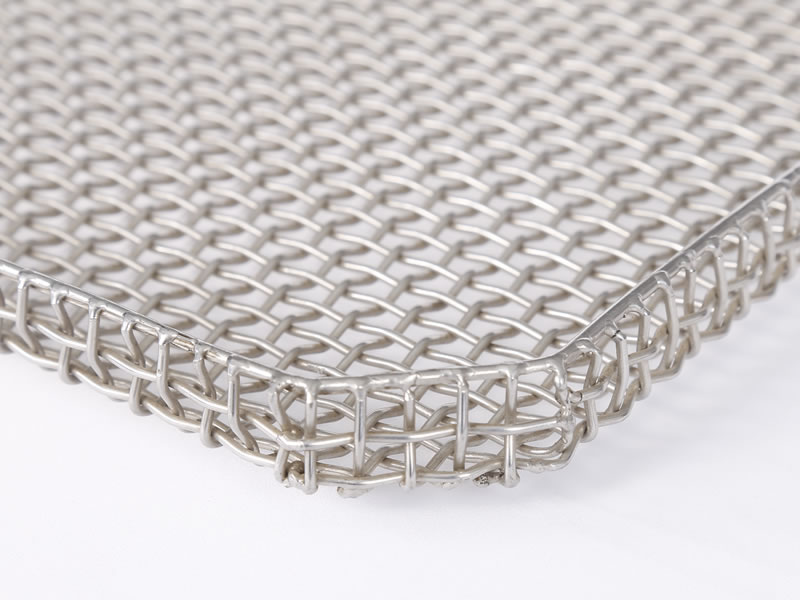
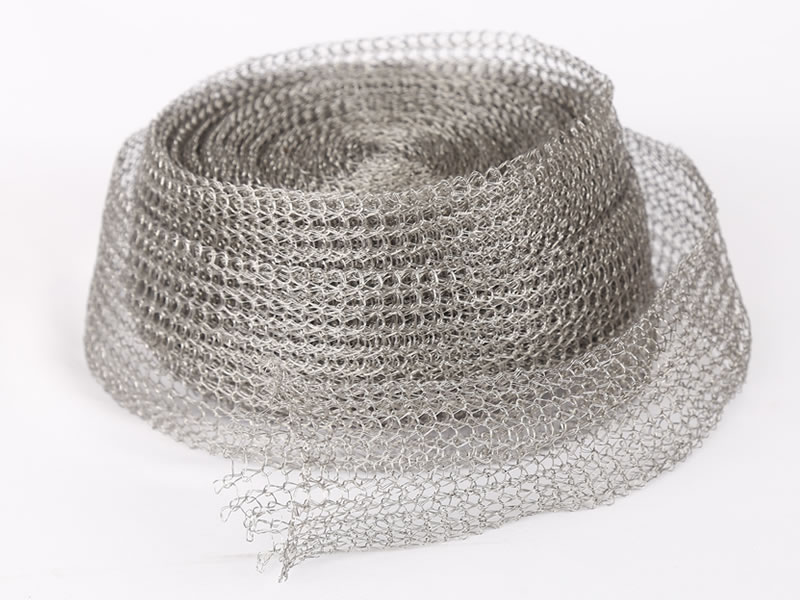
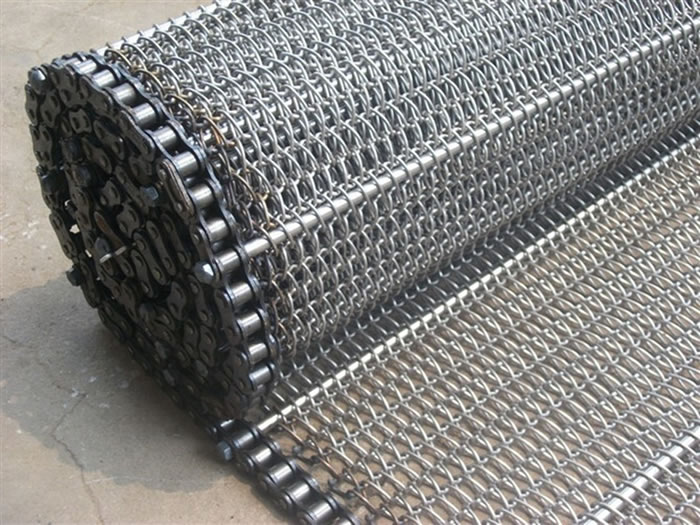
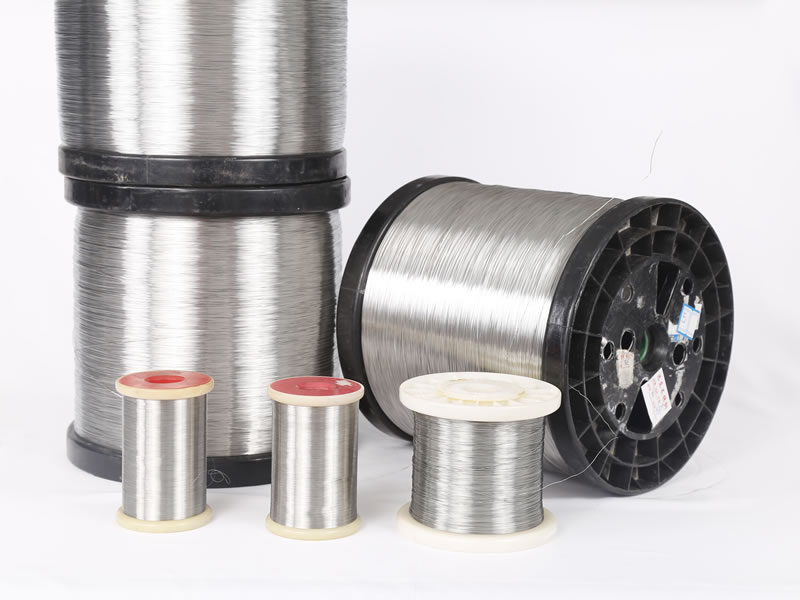
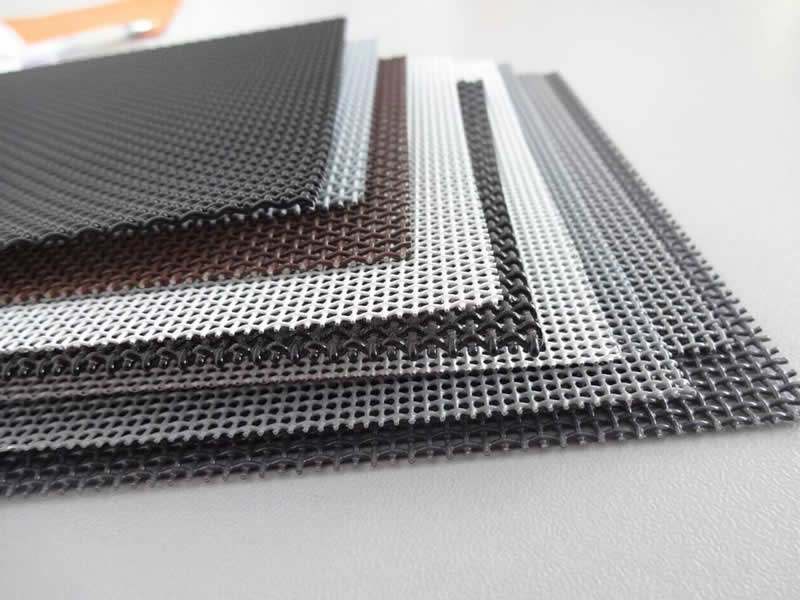
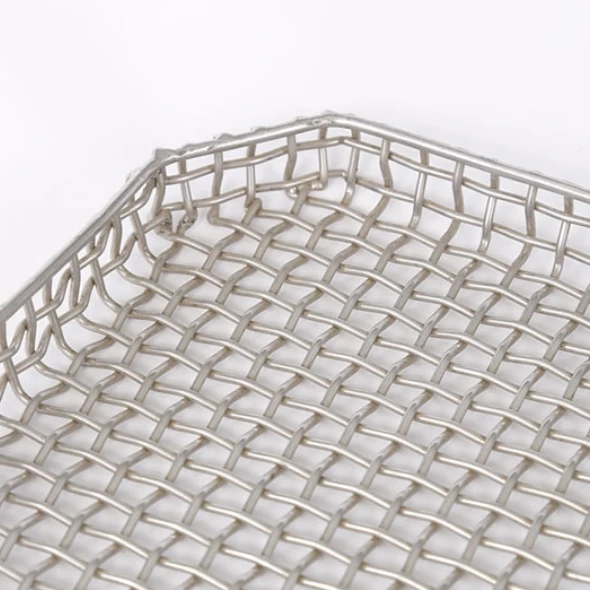
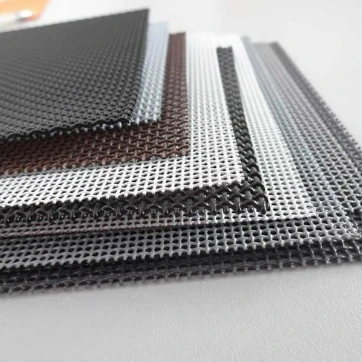
In real terms, stainless wire cloth is a mesh made by weaving stainless steel wires into a fabric-like sheet. It’s used for filtration, separation, screening, and even reinforcement in industries ranging from chemical processing to food manufacturing. What’s fascinating is how diverse the specifications are, and how that directly impacts functionality and longevity.
Over the years, I’ve seen engineers swear by certain weaves and grades—304 and 316 stainless steel, for example, because of their corrosion resistance and strength under varied conditions. I remember a client in the pharmaceutical sector who switched to a finer mesh from a trusted supplier and cut their contamination rate almost in half. The gains weren’t just operational; they made quality assurance a lot less stressful.
Why Stainless Wire Cloth? Understanding Grades and Weaves
Frankly, the choice comes down to your application's specifics. Stainless wire cloth varies by wire diameter, mesh count (number of openings per inch), weave pattern (plain, twill, dutch), and stainless grade. All these factors determine the mesh’s mechanical strength, corrosion resistance, and filtering precision.
Some lesser-known tidbit: twill weave, with its diagonal pattern, offers higher strength and flexibility but slightly less open area for flow. Dutch weave, on the other hand, has tighter openings and is great when you need to filter very fine particles while still maintaining durability.
Testing these materials is often an art as much as a science—laboratories will perform tensile tests, corrosion resistance measurements (often in salt spray chambers), and microscopic inspections to ensure the mesh matches spec. This meticulous quality control is essential in industries where failure isn’t an option.
Typical Stainless Wire Cloth Product Specifications
| Specification |
Details |
| Material |
Stainless Steel 304 / 316 / 316L |
| Mesh Count |
5 - 400 mesh (openings per inch) |
| Wire Diameter |
0.02 mm to 2 mm |
| Weave Patterns |
Plain, Twill, Dutch Weave |
| Width |
Up to 2.5 meters (custom widths available) |
| Finish |
Bright, Matte, or Electro-polished |
Choosing a Wire Cloth Vendor: What To Look For
Not all suppliers are created equal. When you’re selecting a vendor, you want a partner who understands your precise industrial needs, offers customization, and back up their products with certifications. I tend to trust those who can provide ISO or ASTM compliance documentation—and, believe me, that's no simple request if you're working with complex alloys or fine meshes.
Here’s a quick comparison of three typical vendor types you might encounter:
| Vendor |
Product Range |
Customization |
Certifications |
Lead Time |
| Large Global Supplier |
Extensive (various grades, patterns) |
Medium (mostly standard specs) |
ISO 9001 usual; ASTM limited |
1-3 weeks |
| Specialized Boutique Supplier |
Niche, high precision meshes |
High (custom diameters & patterns) |
Full ASTM & ISO compliance |
3-6 weeks |
| Low-Cost Exporter |
Basic grades & sizes |
Low (mostly standard products) |
Limited documentation |
1-2 weeks |
In my experience, investing a bit more upfront in quality and documentation pays off tremendously down the line. You can avoid costly downtime, unexpected corrosion issues, or filtration inefficiencies.
Lastly, I always advise clients to talk through their exact operating environment—temperature, chemical exposure, particle size—before locking in their stainless wire cloth specs. It's not a one-size-fits-all deal.
So yeah, next time you’re looking for a filtration or screening solution, don’t gloss over stainless wire cloth. It feels like a simple mesh, but it’s these meshes that keep complex plants running smoothly day after day.
Remember, when quality counts, trust the details in your stainless wire cloth.
References:
- ASTM International Standards
- ISO 9001 Quality Management
- Material Specifications for Stainless Wire Cloth