Hit enter to search or ESC to close
22,May,2026
In modern architecture and interior decoration, designers are constantly searching for materials that combine functionality, durability, and aesthetic appeal. Among the most versatile and stylish materials available today are decorative wire mesh, decorative mesh, gold deco mesh, and decorative wire mesh panels. These innovative mesh products are widely used in commercial buildings, luxury hotels, shopping centers, restaurants, offices, residential projects, and public spaces.
Unlike traditional building materials, decorative wire mesh offers a unique balance of openness, texture, strength, and visual sophistication. Architects and interior designers increasingly choose decorative mesh products because they can create modern and elegant spaces while also serving practical purposes such as ventilation, sunlight control, space division, and safety protection.
The global architectural market has experienced significant growth in the use of metal mesh systems due to the increasing popularity of contemporary and industrial design styles. Modern decorative mesh products are available in a wide variety of materials, weaving patterns, colors, and finishes, allowing designers to create customized visual effects for different environments.
Today, decorative wire mesh panels are no longer used only for industrial or security purposes. Instead, they have become important decorative elements that enhance the appearance and functionality of modern architectural projects worldwide.
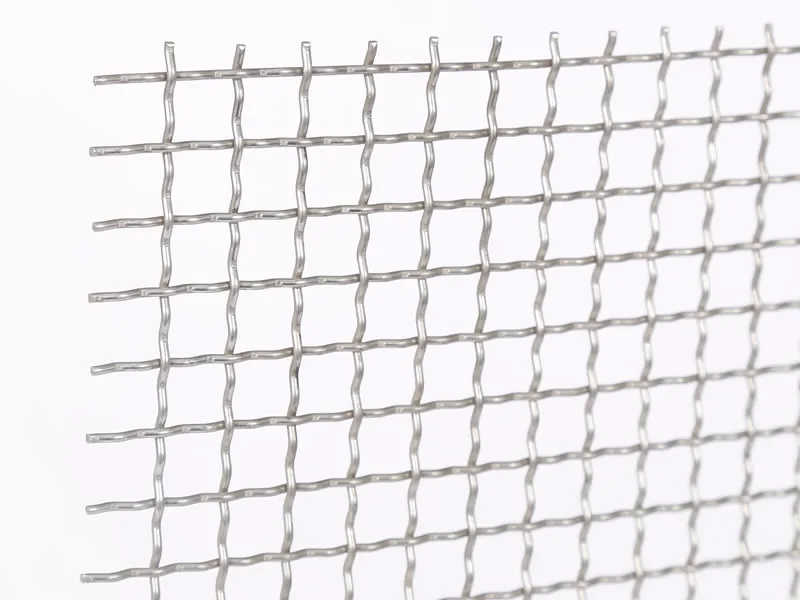
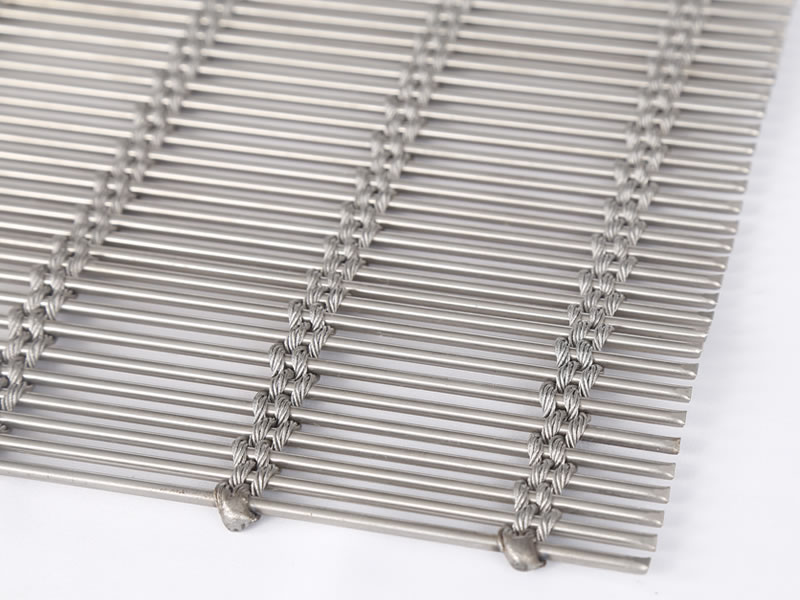
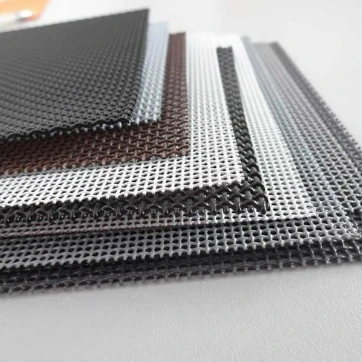
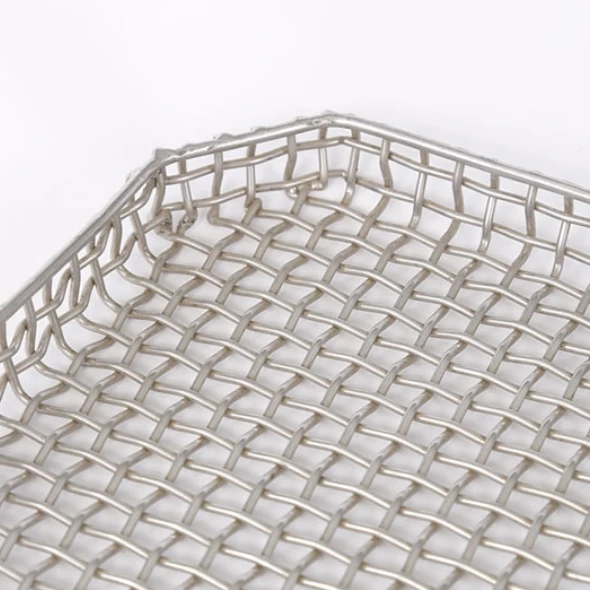
One of the main reasons for the popularity of decorative wire mesh is its excellent combination of beauty and performance. These mesh products are typically manufactured from stainless steel, aluminum, brass, copper, or other high-quality metal materials. Advanced weaving and welding techniques allow manufacturers to create unique patterns and textures that provide both decorative and functional value.
Durability is one of the most important advantages of decorative mesh products. Metal mesh materials are highly resistant to corrosion, impact, moisture, and environmental wear. Stainless steel and aluminum mesh products can maintain their appearance and structural stability for many years, even in demanding indoor or outdoor environments.
Another major benefit of decorative wire mesh panels is their flexibility in design applications. Mesh panels are available in different wire diameters, opening sizes, weaving styles, and surface finishes. This wide variety allows architects and designers to select mesh products that perfectly match specific project requirements and artistic concepts.
Aesthetic appeal is a key feature of gold deco mesh systems. Gold-colored mesh finishes create a luxurious and elegant appearance that is highly popular in upscale hotels, restaurants, shopping malls, and commercial buildings. The metallic shine and textured surface of gold deco mesh can enhance lighting effects and create visually striking interior spaces.
Light and airflow control are additional advantages of decorative wire mesh products. Unlike solid walls or partitions, mesh systems allow natural light and ventilation to pass through while still creating visual separation. This feature makes decorative mesh ideal for modern open-space architectural concepts.
The ability to create semi-transparent designs is especially valuable in contemporary interiors. Decorative mesh can divide spaces without making areas feel closed or crowded. Restaurants, office buildings, airports, and exhibition centers often use mesh partitions to maintain openness while improving organization and privacy.
Fire resistance is another important advantage of metal mesh systems. Compared with combustible decorative materials such as wood or plastic, decorative wire mesh panels provide better fire safety performance. This makes them suitable for commercial buildings and public facilities that must comply with strict fire safety regulations.
Maintenance requirements for decorative wire mesh are also relatively low. Most mesh surfaces can be cleaned easily using standard cleaning methods, making them practical for high-traffic commercial environments. Stainless steel mesh, in particular, is resistant to staining and corrosion, reducing long-term maintenance costs.
Environmental sustainability is becoming increasingly important in modern architecture, and decorative mesh products support sustainable construction practices. Metal mesh materials are recyclable and durable, reducing waste and replacement frequency. Many architects choose decorative wire mesh as an environmentally friendly design solution.
In addition, modern manufacturing technology allows highly customized production. Designers can request specific patterns, finishes, colors, and dimensions for decorative wire mesh panels, enabling greater creativity and personalization in architectural projects.
The versatility of decorative wire mesh panels makes them suitable for a wide range of interior and exterior architectural applications. Their ability to combine functionality with modern aesthetics has led to growing use across commercial, residential, and public projects.
One of the most common applications of decorative wire mesh is building facades. Architects use metal mesh cladding systems to create visually impressive exterior surfaces while improving ventilation and sunlight control. Facade mesh systems can reduce solar heat gain, improve energy efficiency, and add dynamic texture to modern buildings.
Interior partitions are another major application area for decorative mesh products. Hotels, restaurants, offices, and shopping centers frequently use mesh dividers to separate spaces while maintaining visual openness. These mesh partitions create a modern appearance and help define functional zones without completely blocking visibility.
Ceiling decoration has also become a popular use for decorative wire mesh panels. Metal mesh ceilings create unique lighting effects and add depth to interior spaces. Designers often combine mesh ceilings with LED lighting systems to produce sophisticated and artistic environments.
The luxury hospitality industry has embraced gold deco mesh as a premium decorative material. Gold-colored mesh panels are widely used in hotel lobbies, restaurants, bars, and retail stores to create elegant and upscale atmospheres. The reflective metallic finish enhances ambient lighting and contributes to a luxurious customer experience.
Elevator interiors and wall coverings are additional applications where decorative wire mesh products are increasingly used. The textured metal surfaces provide a contemporary aesthetic while protecting walls from wear and damage in high-traffic areas.
Retail design is another growing market for decorative mesh systems. Fashion stores, jewelry shops, and luxury boutiques often use decorative mesh displays and partitions to create stylish visual merchandising environments. The mesh structure allows products to remain visible while adding architectural interest to the store design.
In residential architecture, decorative wire mesh panels are used for stair railings, balcony enclosures, cabinet inserts, fireplace screens, and room dividers. Homeowners appreciate the modern appearance and functional versatility of decorative mesh products in contemporary living spaces.
Outdoor landscaping projects also benefit from decorative mesh systems. Garden screens, pergolas, fencing, and outdoor partitions made from decorative wire mesh provide privacy and aesthetic enhancement while maintaining airflow and natural light.
The transportation industry has adopted decorative mesh for airports, railway stations, and public transit terminals. Decorative metal mesh improves architectural appearance while meeting safety and durability requirements for high-traffic public infrastructure.
Acoustic performance is another important benefit in some architectural applications. Certain decorative wire mesh panels can help improve sound control when combined with acoustic backing materials. This makes them suitable for auditoriums, conference rooms, theaters, and office buildings.
As modern architecture continues to evolve, the future demand for decorative wire mesh, decorative mesh, gold deco mesh, and decorative wire mesh panels is expected to grow significantly. Architects and designers increasingly value materials that offer both visual impact and functional performance.
One major trend is the integration of smart technology with decorative mesh systems. Advanced lighting integration, interactive surfaces, and responsive architectural facades are becoming more common in modern commercial projects. Decorative wire mesh products can serve as structural support for LED systems and digital display technologies.
Customization will continue to play an important role in the decorative mesh industry. Clients increasingly request unique patterns, textures, and finishes that reflect brand identity or architectural style. Modern digital manufacturing technologies allow highly customized decorative mesh production with improved precision and efficiency.
Sustainability is another key factor influencing future development. Green building certifications and environmentally responsible construction practices are driving demand for recyclable and long-lasting materials such as decorative wire mesh panels. Manufacturers are also developing more eco-friendly surface treatments and production processes to reduce environmental impact.
Color innovation is expected to expand as well. While stainless steel and black finishes remain popular, luxury markets are increasingly attracted to metallic finishes such as bronze, copper, and especially gold deco mesh. These premium finishes create sophisticated visual effects that enhance modern architectural spaces.
Advancements in material technology are also improving mesh performance. Lightweight yet high-strength alloys allow manufacturers to create larger and more complex decorative wire mesh structures without compromising stability. Improved corrosion resistance and coating technologies further increase product durability.
The use of decorative mesh in sustainable climate-responsive architecture is another emerging trend. Architects are using mesh facades to improve natural ventilation, reduce sunlight intensity, and enhance building energy efficiency. This functional role makes decorative mesh increasingly valuable in environmentally conscious construction projects.
Digital design tools and 3D modeling technologies are enabling architects to experiment with more creative applications for decorative wire mesh panels. Complex curved structures, dynamic facades, and artistic installations are becoming more achievable through advanced engineering and manufacturing methods.
In conclusion, decorative wire mesh, decorative mesh, gold deco mesh, and decorative wire mesh panels have become essential materials in modern architecture and interior design. Their combination of durability, flexibility, visual elegance, and functional performance makes them highly suitable for commercial, residential, and public applications. As architectural trends continue to emphasize sustainability, customization, and contemporary aesthetics, decorative wire mesh products will remain important design solutions for innovative building projects worldwide.
This is the last article
JOIN OUR NEWSLETTER