Understanding Razor Wire Cost Per Metre: What You Need to Know
Razor wire isn’t just some mundane security product. It’s a frontline defense tool used across the world in everything from protecting sensitive industrial sites to securing borders and refugee camps. Yet, behind the scenes one crucial factor tends to be the deciding variable for many stakeholders: razor wire cost per metre. Why does it matter so much? Well, the cost affects budgeting on a global scale, impacts deployment in humanitarian crises, and even plays a role in how sustainable or scalable these security measures become over time.
If you’re involved in security, logistics, or project management where razor wire is part of the package, grasping the ins and outs of razor wire’s pricing is not just smart — it’s essential.
Global Context: Razor Wire in an Expanding Security Landscape
Security needs are soaring globally, compelled by rising geopolitical tensions, industrial growth, and humanitarian emergencies. According to the United Nations Refugee Agency (UNHCR), thousands of refugee camps often require rapid and cost-effective perimeter protection to ensure safety, dignity, and order.
Meanwhile, industries ranging from mining operations in Australia to power plants in Eastern Europe demand razor wire fencing to prevent sabotage and theft. The challenge, frankly, is balancing robust protection with tight budget constraints — and that’s exactly where understanding razor wire cost per metre becomes critical.
A recent study from the International Organization for Standardization (ISO) highlights that over 60% of security project failures boil down to underestimated material costs, razor wire included.
What Does Razor Wire Cost Per Metre Mean?
Simply put, razor wire cost per metre refers to the price charged for each linear metre of razor wire. It’s a metric that allows buyers to estimate total project expenses quickly, compare different suppliers, and allocate funds more accurately.
Think of it like buying fencing for your garden, but on a much larger and more protective scale. The price embeds factors like the wire’s material quality, manufacturing standards, coating, and even the complexity of its barbs.
In industrial and humanitarian contexts, where large quantities may be ordered, small fluctuations in this per-metre cost affect entire budgets — sometimes tipping the scales between viable protective measures or less-secure alternatives.
Core Factors Affecting Razor Wire Cost Per Metre
1. Material Quality and Coating
The first and most obvious factor is what the razor wire is made from. Galvanized steel is common, balancing durability with price, but stainless steel variants push the cost up markedly. Coatings such as PVC add corrosion resistance but add to costs.
2. Design and Barbed Configuration
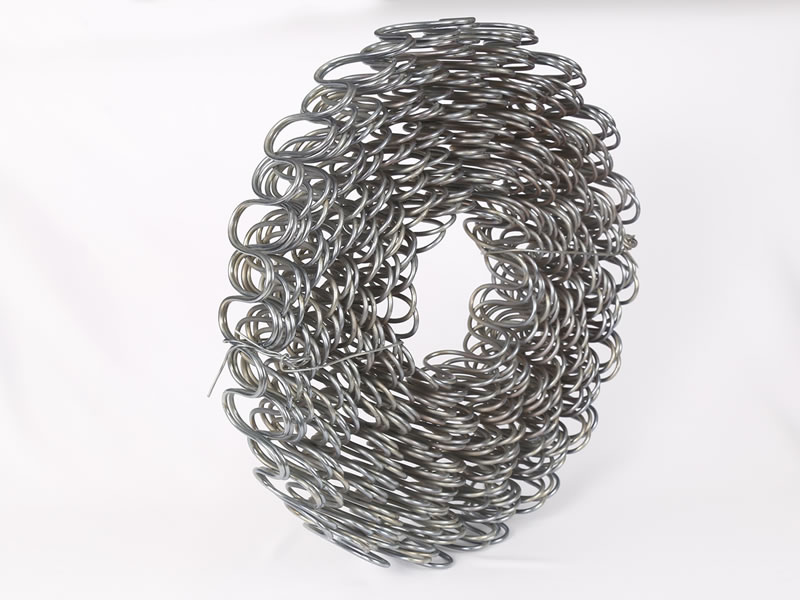
Razor wire comes in single or concertina coil forms, with variations in barb size and spacing. More aggressive designs with heavier gauge wire naturally cost more per metre but offer enhanced deterrence.
3. Manufacturing Standards
ISO-certified wire, tested for tensile strength and corrosion resistance, will hit a higher price point but can provide peace of mind for long-term installations, especially in aggressive climates.
4. Purchase Volume
Bulk orders often qualify for discounts — a vital point for large security projects or NGOs working in crisis zones where razor wire is a staple.
5. Transport and Import Duties
Another frequently overlooked cost. For example, shipping razor wire to remote disaster zones or areas with heavy import taxes can disproportionately raise the final per metre cost.
Mini takeaway: Understanding these factors helps project managers and buyers negotiate better deals and avoid surprises.
Real-World Applications: Where Razor Wire Cost Per Metre Really Matters
Globally, the utility of razor wire is as vast as the challenges it solves. Here are a few notable sectors and scenarios:
- Border Security: Countries like India and South Africa rely heavily on razor wire to secure vulnerable border stretches, where cost efficiency ensures extensive coverage.
- Industrial Zones: Mining companies in Chile and oil refineries in the Middle East use razor wire to protect against theft and sabotage — here, high-quality wire justifies higher cost per metre.
- Humanitarian Sites: NGOs and UN agencies deploy razor wire in refugee camps across the Horn of Africa, balancing cost with the need for rapid, reliable perimeter control.
- Military Bases: Securing sensitive military installations in Europe and Asia often calls for the most resistant wire, influencing cost but ensuring unmatched protection.
Oddly enough, even wildlife sanctuaries sometimes use razor wire to protect fragile ecosystems — a reminder that cost and purpose are always uniquely linked.
Advantages of Optimal Razor Wire Cost Management
Getting the razor wire cost per metre right translates directly into several benefits:
- Budget Adherence: Accurate cost knowledge mitigates the risk of overspending, a key concern in tight government or NGO budgets.
- Enhanced Safety: Higher quality, appropriately priced wire reduces failure risk, safeguarding people and assets.
- Sustainability: Investing in corrosion-resistant materials means fewer replacements—lower long-term costs and environmental impact.
- Social Trust: At humanitarian sites, reliable fencing helps maintain order and dignity, reflecting an investment in people, not just property.
Mini takeaway: Cost is only part of the equation; matching price with quality delivers the true value.
Razor Wire Specifications At a Glance
| Specification |
Details |
| Material |
Galvanized Steel / Stainless Steel |
| Coating |
Zinc / PVC |
| Type |
Single Coil / Concertina Coil |
| Barb Size |
30 mm - 60 mm |
| Standard Length per Roll |
15m, 30m rolls |
| Weight |
Approx. 3-5 kg/m |
Comparing Leading Razor Wire Vendors: A Quick Overview
| Vendor |
Price Range per Metre |
Material Options |
Certifications |
Lead Time |
| WireTech Solutions |
$4.50 - $6.30 |
Galvanized, Stainless Steel |
ISO 9001 |
2-3 weeks |
| SecureFence Corp |
$5.00 - $7.00 |
Galvanized with PVC Coating |
ISO 14001 |
1-2 weeks |
| Global Wire Supplies |
$4.20 - $5.80 |
Galvanized Only |
None / OEM |
3-4 weeks |
Staying Ahead: Future Trends in Razor Wire Cost Per Metre
Looking forward, the razor wire industry isn’t static. New materials like eco-friendly biodegradable coatings are slowly entering the market, aiming to reduce environmental impact.
Automation in manufacturing promises tighter quality control, which potentially brings down costs while improving reliability. Digital inventory and supply chain integration also make bulk purchasing and logistics more efficient, often trimming out hidden surcharges.
In short: expect the razor wire cost per metre to stay competitive, but with added value coming from smarter, greener technologies. For humanitarian operations, that kind of progress is gold.
Common Questions About Razor Wire Cost Per Metre
Q1: What determines the biggest price difference between razor wire vendors?
A: Quality of materials, certifications, manufacturer reputation, and included coatings dominate pricing variation. Vendors offering ISO-certified products with anti-corrosion coatings usually cost more but provide longer lifespan.
Q2: How can NGOs reduce razor wire costs when operating in remote zones?
A: Bulk purchasing combined with negotiating shipping rates and working with local suppliers or low-import duty countries helps. Sometimes, modular fencing systems that integrate razor wire reduce overall setup costs.
Q3: Does cheaper razor wire always mean lower quality?
A: Generally, yes, but not always. Some vendors compete aggressively by cutting margins or simplifying packaging. It’s important to request certifications and inspect sample quality before ordering large quantities.
Q4: Is razor wire suitable for temporary setups where cost is sensitive?
A: Yes. Concertina coil razor wire is quick to deploy and generally affordable per metre, making it ideal for temporary or emergency fencing where speed and cost matter.
Q5: Where can I find up-to-date pricing on razor wire?
A: Many manufacturers and supplier websites list current prices, though you should factor in shipping and local taxes. For a reliable start, see razor wire cost per metre listings.
Wrapping It Up
At the end of the day, understanding the nuances behind razor wire cost per metre isn’t just about dollars and cents. It’s about making smarter, safer, and more sustainable choices — whether you’re securing a power plant, a refugee camp, or a wildlife reserve.
By combining knowledge of material quality, manufacturing standards, and logistical realities, you’re better positioned to source razor wire that fits both your budget and your project’s unique demands. Curious to see how competitive pricing stacks up? Do visit razor wire cost per metre for detailed materials and quotes—you might be surprised what you find.
So, keep the big picture in mind but don’t forget the fine details. That’s how truly secure fences get built.
References:
- Wikipedia - Razor Wire
- UNHCR - Refugee Protection
- International Organization for Standardization (ISO)