Understanding Razor Wire Mesh Price: Why It Matters Globally
Razor wire mesh is no longer just a fringe security solution. Today, it bills itself as a cornerstone for safety, perimeter control, and even humanitarian aid. You might wonder why razor wire mesh price matters beyond industrial buyers and fence installers — well, it’s because the cost reflects more than just metal and machinery. It’s tied to global security dynamics, migration challenges, and the pressing need for sustainable, durable materials in diverse climates, from the deserts of the Middle East to the cold Russian steppe.
Grasping what's behind the razor wire mesh price helps buyers and policy makers alike make smarter investments, balancing cost, durability, and social implications.
Global Context: Security, Supply Chains, and Rising Demand
Here’s an interesting tidbit: according to recent UN border security reports, demand for high-grade perimeter protection solutions has soared by 15% globally over the last five years. Much of this is driven by geopolitical tensions, urban growth, and a spike in industrial facility construction. That ripple effect hits razor wire mesh price too.
However, fluctuating steel prices — tracked closely by international organizations like the World Bank — add unpredictability. Another challenge: the trade restrictions and tariffs that complicate international supply chains. This forces buyers to keep a keen eye on razor wire mesh prices, as even small shifts can lead to big changes in project budgets.
In short, razor wire mesh price connects to a web of global issues — which means it’s not just about securing a fence line anymore.
What Is Razor Wire Mesh Price? Breaking It Down
Simply put, razor wire mesh price is the cost you pay per unit (usually per square meter or roll) for mesh made from steel wires embedded with sharp razor-like edges. It combines the raw materials, manufacturing, treatment (like galvanizing or PVC coating), and shipping.
It’s a price tag that resonates with industries needing both toughness and affordability — from military base security to humanitarian relief centers protecting displaced populations. The clarity around this price helps organizations manage risk and ensure durability without overspending.
Mini Takeaway:
Razor wire mesh price is more than metal cost: it’s a reflection of manufacturing technology, global market forces, and end-user needs.
Factors Shaping Razor Wire Mesh Price
1. Material Quality and Treatment
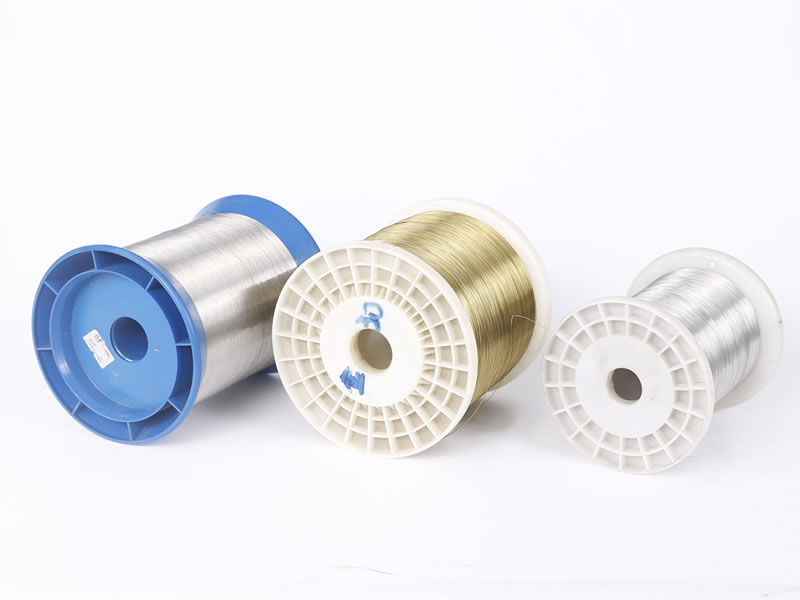
The backbone of any price is the steel grade used — often high-tensile, galvanized, or stainless steel. Opting for PVC-coated or electro-galvanized mesh adds cost but extends life span dramatically, reducing replacement frequency.
2. Mesh Design & Wire Gauge
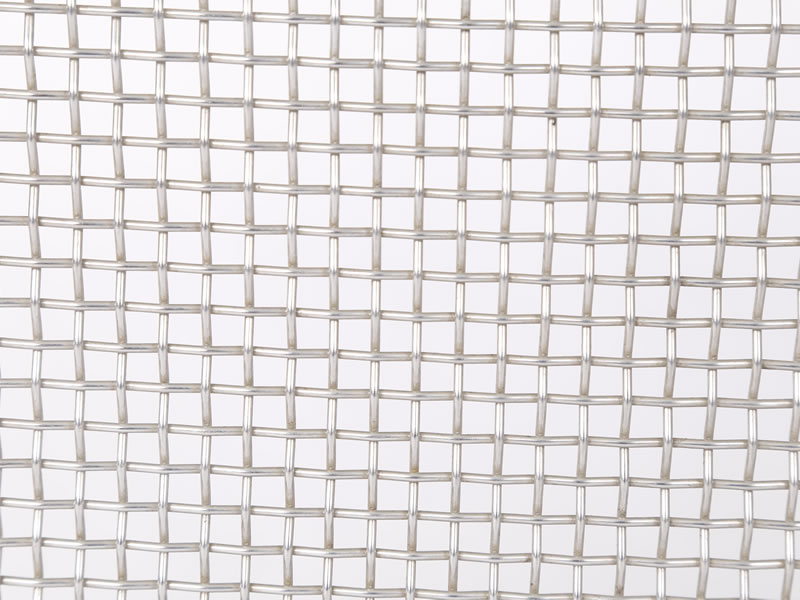
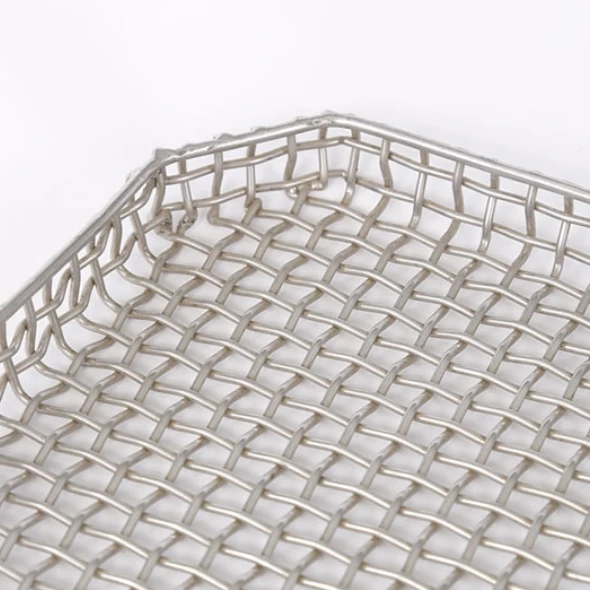
The thickness of the wire and the sharpness of the razor edges influence price. Finer mesh with tighter spacing is more expensive but offers better security and resistance to cutting or climbing.
3. Production & Manufacturing Complexity
Automated manufacturing lines may bring down some costs, but customizing mesh dimensions, layering, or integrating spiral coils can hike prices.
4. Transportation and Logistics
Here's where location matters: shipping heavy coils overseas or to remote areas bumps up the razor wire mesh price substantially, especially with fluctuating fuel costs.
5. Compliance & Certification
Products meeting ISO standards or specific security certifications command higher prices but offer documented assurance, essential for sensitive projects.
6. Supplier Reputation and Added Services
Supplier reliability, warranties, and after-sales support often reflect in pricing. Sometimes paying a bit more avoids headaches later.
Mini Takeaway:
Price reflects multiple layers, from metal quality to logistics — the tricky balance many buyers wrestle with.
Where Razor Wire Mesh Finds Its Footing Worldwide
The real beauty of razor wire mesh is its versatility. Let’s peek around the globe:
- Industrial Zones in Southeast Asia: With rapid factory expansion, razor wire mesh secures large perimeters from trespassers and theft.
- Conflict and Border Areas in Africa & Middle East: Maintains safety in volatile contexts, often under extreme environmental stresses.
- Refugee Camps Worldwide: Used as humane boundary markers, striking a balance between security and dignity.
- Remote Energy Installations: Solar farms and wind turbines in Australia or Canada get fenced against intrusion and wildlife interference.
Even urban development in Europe, where aesthetics matter, has seen coated razor wire mesh designs that integrate security without visual harshness.
Mini Takeaway:
Razor wire mesh isn’t just a static product — it’s an evolving solution across industries, geographies, and social needs.
The Razor Wire Mesh Price Table: Typical Specifications
| Specification |
Value |
Notes |
| Wire Gauge |
12 - 14 gauge (2.0 - 2.5 mm) |
Thicker gauges offer enhanced toughness |
| Coating |
Hot-dip galvanizing / PVC Coating |
PVC adds weather resistance and color options |
| Mesh Size |
50mm - 100mm spacing |
Smaller gaps prevent climbing |
| Roll Dimensions |
15 - 30 meters length, 0.5 - 1.0 m height |
Custom sizes available |
| Typical Price Range |
$10 - $25 / sqm |
Varies with quality and volume |
Comparing Leading Razor Wire Mesh Vendors
| Vendor |
Quality |
Price Range |
Lead Time |
Notes |
| Hebei Wire Mesh Co. |
High |
$12 - $22 / sqm |
2 - 4 weeks |
ISO Certified, Custom Orders |
| Global Security Mesh Ltd. |
Medium-High |
$10 - $18 / sqm |
3 weeks |
Quick Shipping Options |
| SecureFence Inc. |
Medium |
$8 - $15 / sqm |
4 - 6 weeks |
Budget Friendly |
Advantages and Long-Term Value of Razor Wire Mesh Pricing
From the purchaser’s viewpoint, razor wire mesh price is an upfront investment that pays off in fewer replacements, lower maintenance costs, and enhanced security performance. The initial higher price for galvanized or PVC-coated variants, for example, can feel like a pinch — but many engineers say that weather resilience means no surprise costs later.
There’s also an emotional factor: communities and institutions often see razor wire as a guardian of safety, boosting confidence for residents and workers alike. The innovation embedded in modern designs adds to the feeling that the investment isn’t just tangible material but peace of mind.
Looking Ahead: Trends That Could Influence Razor Wire Mesh Price
We’re on the cusp of greener manufacturing for steel and metalworks, driven by international sustainability goals (like the ISO 14000 series). That might bump prices initially but promises eco-friendlier products.
Simultaneously, automation and AI in manufacturing plants are boosting consistency and cutting waste — another way to control razor wire mesh price for buyers.
Finally, flexible modular perimeter systems, integrating smart sensors with razor wire mesh, hint at a future where fence lines are both physical and digital — and prices evolve with those tech leaps.
Challenges and Solutions in Managing Razor Wire Mesh Price
Unsurprisingly, one of the biggest hurdles is price volatility, largely driven by raw steel costs and logistical constraints.
Experts recommend long-term supplier partnerships and bulk purchasing to lock in prices and negotiate better terms. Plus, increasing local production capacities helps reduce import bottlenecks, stabilizing price fluctuations.
On the tech side, research into alternative alloys and coatings could reduce reliance on expensive metals.
Frequently Asked Questions About Razor Wire Mesh Price
- Q: How can I find the best razor wire mesh price without compromising quality?
- A: Focus on vendors with transparent manufacturing processes and certifications like ISO. Compare razor wire mesh price quotes in relation to specs, not just sticker prices. Sometimes paying a bit more upfront saves costs long term.
- Q: Does galvanized mesh cost more than PVC coated?
- A: Typically, PVC coated mesh is pricier due to the additional material and labor involved. However, it usually provides superior corrosion resistance, which can translate into longer service life and lower overall expenses.
- Q: Are there price differences based on mesh roll dimensions?
- A: Yes, larger rolls often have a lower per-square-meter price due to economies of scale. Custom sizes might add costs due to production adjustments.
- Q: How sensitive is razor wire mesh price to steel market fluctuations?
- A: Quite sensitive. Steel price changes directly affect costs of raw materials, reflecting rapidly in razor wire mesh prices, sometimes within weeks.
- Q: Can I get discounts for bulk razor wire mesh orders internationally?
- A: Most suppliers offer volume discounts and can handle international shipping, but be mindful of customs charges. Establish early negotiation with vendors like Hebei Wire Mesh Co. to leverage better terms.
Final Thoughts
Tracking razor wire mesh price isn’t just about budgeting—it’s about understanding a critical piece of global security and infrastructure that balances cost, quality, and social responsibility. As materials evolve and global markets shift, knowing these nuances helps stakeholders make decisions that pay off for years.
Curious to dive deeper? Visit our website: hebwiremesh.com to explore competitive pricing and expert insights.
References
- United Nations on Migration and Border Security
- ISO Environmental Management Standards
- World Bank: Global Steel Market Overview